
Maya Chen stares at her computer screen, the cursor blinking mockingly on her blank digital canvas. Six months ago, the graphic designer was cranking out award-winning campaigns for tech startups. Now, even choosing fonts feels overwhelming. She’s not alone – creative professionals across industries report unprecedented levels of burnout, with many seeking refuge in unexpected places: skill-sharing communities that prioritize healing over hustling.
The pandemic reshaped how creatives work and connect, but it also exposed the fragility of traditional creative careers. Freelance illustrators lost clients overnight. Marketing teams faced impossible deadlines with shrinking budgets. Photography studios shuttered. The result? A mental health crisis that’s driving artists, designers, writers, and other creative professionals to reimagine how they recover and rebuild.
The Community-First Approach to Creative Recovery
Traditional burnout recovery advice focuses on individual solutions: take a vacation, practice self-care, set boundaries. But creative professionals are discovering that community-based healing offers something solo approaches can’t – shared understanding and mutual support from people who truly get it.
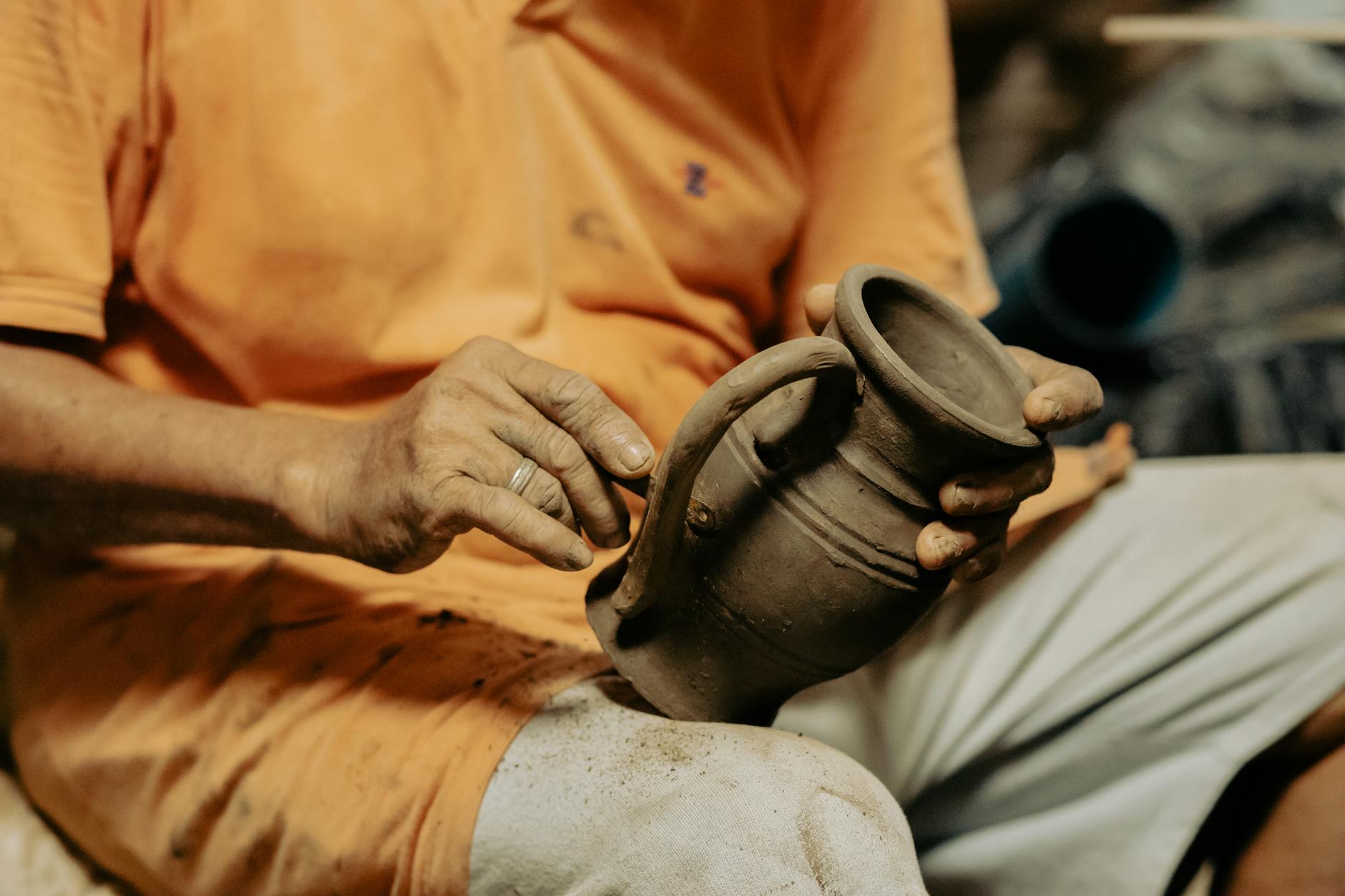
“I tried therapy, meditation apps, even a silent retreat,” says Marcus Thompson, a burned-out video editor from Portland. “Nothing clicked until I joined a skill-sharing collective where we teach each other random stuff. Last month I taught motion graphics while learning pottery. The creative cross-pollination was exactly what my brain needed.”
Platforms like Skillshare, CreativeLive, and MasterClass dominated online learning for years, but they follow a traditional teacher-student model. The emerging skill-sharing communities flip this dynamic. Members rotate between teaching and learning, creating horizontal relationships rather than hierarchical ones. Facebook groups like “Creative Sabbatical Society” have grown to over 50,000 members who organize virtual skill swaps, from watercolor techniques to woodworking basics.
These communities recognize something conventional wisdom often misses: creative burnout isn’t just about being overworked. It’s about creative stagnation, imposter syndrome, and the isolation that comes from working in increasingly digital, remote environments. When a photographer teaches a filmmaker about composition while learning sound design in return, both participants experience creative renewal through fresh perspectives.
Breaking Down Professional Silos Through Cross-Training
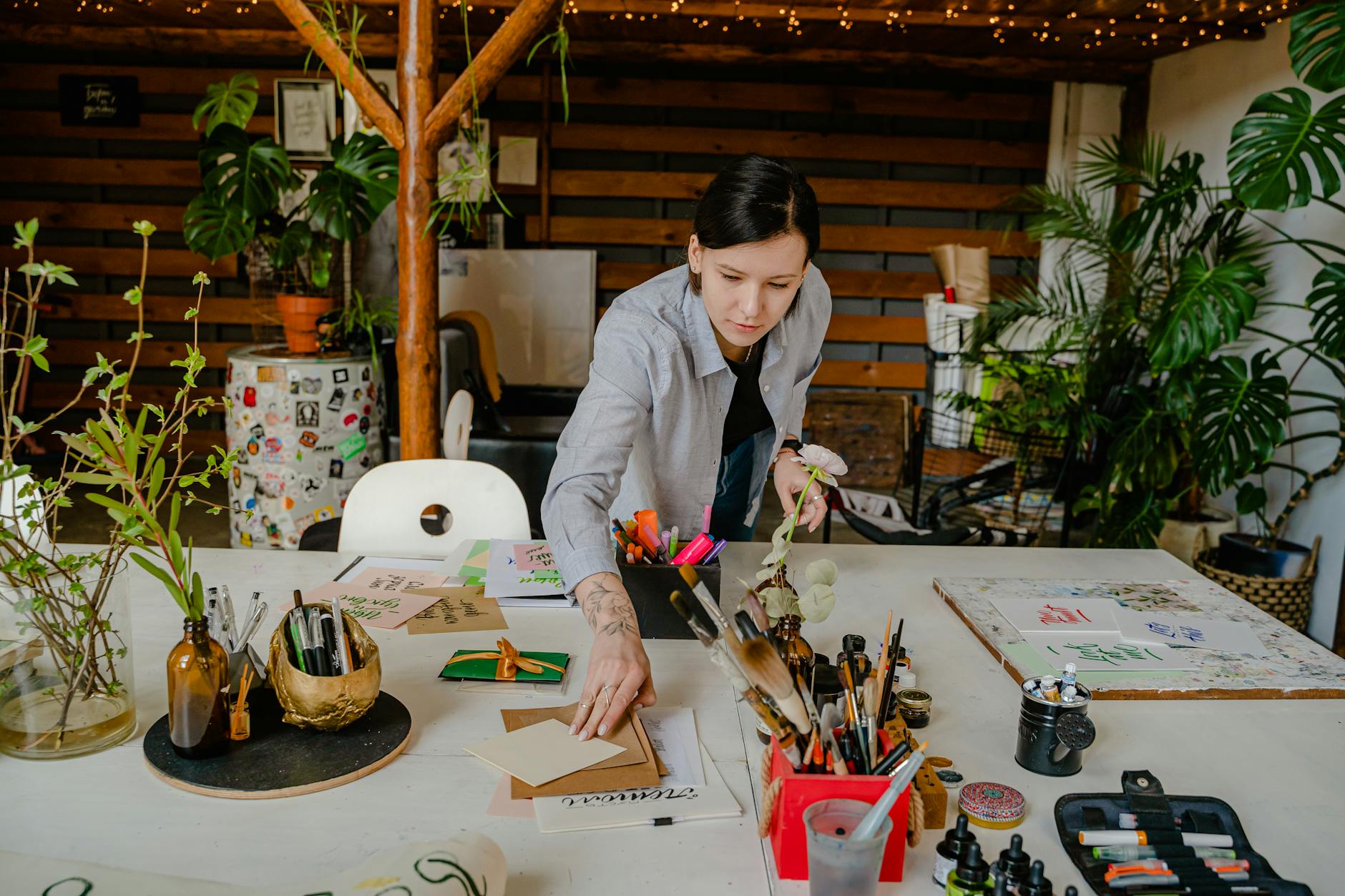
The most successful skill-sharing communities for burnout recovery deliberately blur professional boundaries. Copywriters learn ceramic glazing techniques. Web developers discover the meditative qualities of bread baking. Fashion designers explore podcast production. This cross-pollination serves multiple therapeutic purposes.
Research from the University of California’s creativity lab shows that engaging with unfamiliar creative mediums activates different neural pathways, essentially giving overused creative muscles time to rest while exercising dormant ones. It’s like cross-training for the creative brain.
“I was designing websites 12 hours a day and hating every minute,” explains Sarah Rodriguez, a UX designer from Austin. “When I started teaching other creatives about user research methods while learning botanical illustration, something shifted. The precision required for drawing leaves made me approach wireframes differently. I remembered why I loved problem-solving in the first place.”
Community organizers have noticed specific patterns in what skills burned-out creatives gravitate toward. Digital professionals often seek tactile experiences – pottery, gardening, cooking, or textile arts. Meanwhile, traditionally hands-on creatives explore digital tools they’d never had time to learn. The key is novelty without pressure. Unlike formal education or professional development, these exchanges have no grades, deadlines, or performance metrics.
The Economics of Skill Trading
Money complicates recovery. Many creative professionals experience burnout precisely because they’re grinding to pay bills, making traditional solutions like extended time off or expensive retreats financially impossible. Skill-sharing communities address this by creating alternative economies based on knowledge exchange rather than cash transactions.
“Barter systems for creativity,” is how community organizer Lisa Park describes the model she’s built around her monthly “Creative Cross-Training” meetups in Chicago. Members earn teaching credits by leading workshops, then spend those credits learning from others. A hour teaching Instagram strategy equals an hour learning jewelry making. No money changes hands, but everyone leaves with new skills.
This economic model has particular appeal for freelancers and small business owners who’ve seen their industries disrupted. Instead of viewing other creative professionals as competition, participants develop collaborative relationships. The photographer who teaches composition might later hire the graphic designer who taught her about color theory. Professional networks emerge organically from these creative exchanges.
Some communities have evolved into formal cooperatives. Brooklyn-based “Makers Collective” started as an informal skill swap but now operates a shared studio space where 40 creative professionals rotate teaching duties while splitting overhead costs. Members report that the cooperative structure has helped them rebuild sustainable creative practices after burnout.
The approach aligns with broader economic trends. The gig economy that promised creative freedom often delivered isolation and financial instability instead. Community-based alternatives to traditional work structures are gaining traction as professionals seek more sustainable ways to build creative careers.
Digital Platforms and In-Person Revival
While skill-sharing communities began largely online during pandemic lockdowns, the most successful ones have evolved to blend digital convenience with in-person connection. Apps like “Trade Skills” and “Creative Circles” help members find local skill partners, but the real magic happens face-to-face.
“Zoom fatigue is real for creatives,” notes Dr. Jennifer Martinez, a occupational psychologist studying creative burnout. “These communities work because they get people away from screens and into physical spaces where they can work with their hands, make eye contact, and experience the unpredictable moments that fuel creativity.”
Many communities have adopted hybrid models. Online forums help members discover shared interests and plan exchanges, but the actual skill-sharing happens in libraries, community centers, coffee shops, or members’ homes. This approach has revitalized local creative scenes in unexpected ways.
Minneapolis saw seven new skill-sharing groups launch in the past year, each focused on different aspects of creative recovery. “Deadline Detox” specializes in helping advertising professionals learn non-commercial creative skills. “Second Chapter Creators” serves creative professionals over 40 who want to explore new mediums. “Parent Artists Collective” helps creative parents maintain artistic identity while managing family responsibilities.
The success of these communities has caught the attention of traditional wellness providers. Corporate wellness programs are incorporating skill-sharing elements, and some therapy practices now offer creative skill exchanges as part of burnout treatment programs.
Sustainable Creative Futures
Six months after joining her first skill-sharing community, Maya Chen has taught digital illustration to a ceramicist, learned basic carpentry from a former advertising creative director, and discovered that her design eye translates surprisingly well to garden planning. More importantly, she’s rebuilding her relationship with creativity on her own terms.
“I’m not fully recovered,” she admits. “But I’m not stuck anymore. When client work feels overwhelming, I know I have this other creative outlet where the only goal is learning something new and helping someone else do the same.”
The skill-sharing movement represents more than just a recovery strategy – it’s reshaping how creative professionals think about career sustainability. Instead of burning out and dropping out, members are creating support systems that help them navigate creative challenges throughout their careers.
Early data suggests these communities have staying power. Groups that launched during the pandemic’s peak are not only surviving but expanding as in-person activities resume. Members report lower anxiety levels, renewed creative confidence, and stronger professional networks. Some have launched new businesses or creative ventures inspired by their skill-sharing experiences.
As traditional creative industries continue evolving, skill-sharing communities offer a glimpse into more sustainable, collaborative approaches to creative work. The future may belong to creatives who see sharing knowledge not as giving away competitive advantage, but as building the support systems necessary for long-term creative health and innovation.
Frequently Asked Questions
How do skill-sharing communities help with creative burnout?
They provide community support, creative cross-training, and knowledge exchange without the pressure of traditional work environments.
What types of skills do burned-out creatives typically want to learn?
Digital professionals often seek hands-on activities like pottery or gardening, while traditional artists explore digital tools and technologies.