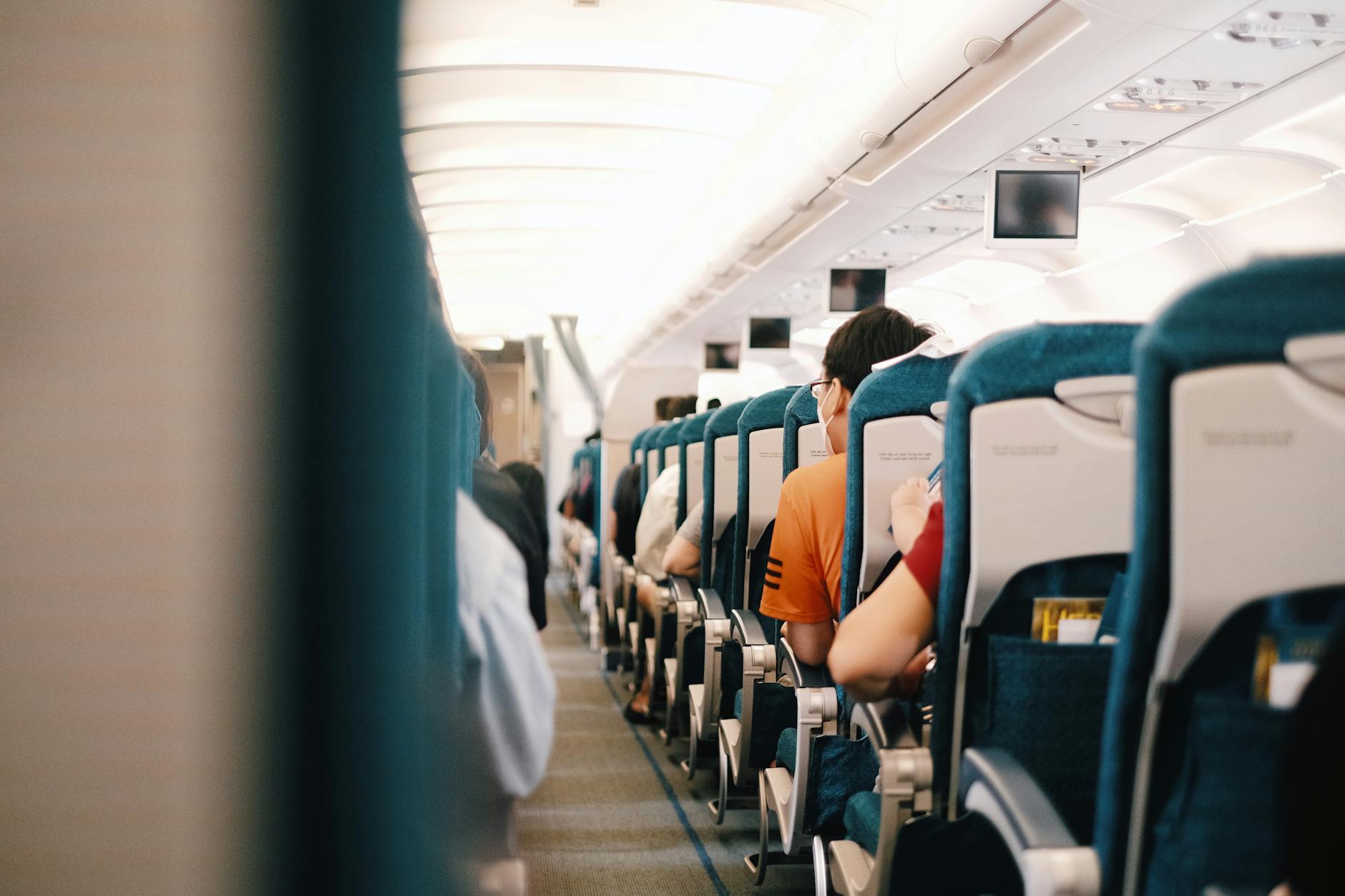

Airlines are quietly revolutionizing pet travel, transforming what was once a traumatic cargo hold experience into cabin-friendly journeys. Nearly 70% of U.S. households own pets, and post-pandemic travel surges have pushed major carriers to expand their furry passenger policies in ways that would have seemed impossible just five years ago.
The shift represents more than customer service – it’s a billion-dollar market response. Pet owners spend an average of $1,400 annually on their animals, and they’re increasingly unwilling to leave beloved companions behind during travel. Airlines that once viewed pets as logistical headaches now see them as revenue opportunities and competitive advantages.
Major Carriers Leading the Pet-Friendly Revolution
Southwest Airlines stands out as the most accommodating major U.S. carrier for small pets. Their straightforward policy allows cats and dogs in approved carriers for $95 each way, with no breed restrictions. The airline permits one pet per passenger in the main cabin, and the carrier counts as your personal item rather than carry-on luggage.
JetBlue follows closely with similar pricing and policies, but adds extra touches that pet owners appreciate. Their crew receives specialized training for pet-related situations, and they provide pet travel tips directly through their mobile app. The airline also allows slightly larger carriers than some competitors, measuring up to 17 inches long.
Delta has expanded their pet program significantly, now accepting pets on most domestic flights and select international routes. Their recent policy changes include allowing pets on longer flights where they previously restricted cabin travel to flights under four hours. The $95 fee remains standard, but Delta’s extensive route network makes them attractive for complex itineraries.
American Airlines permits pets in first class, business class, and main cabin on most aircraft. They’ve streamlined their booking process, allowing pet reservations online rather than requiring phone calls. The carrier also maintains detailed breed and size restrictions that are clearly outlined on their website.
United has made substantial improvements following past controversies. They now offer a comprehensive pet travel program with temperature monitoring and specialized handling procedures. While their policies remain more restrictive than some competitors, they’ve invested heavily in staff training and safety protocols.
Budget Airlines Embrace Pet Travel
Low-cost carriers are aggressively competing in the pet travel space. Frontier Airlines allows pets for $99 each way but restricts them to specific aircraft types. Their Airbus fleet accommodates pets, while their smaller regional jets do not.
Spirit Airlines recently reduced their pet fees and expanded availability across their network. They charge $110 each way but allow larger carriers than many competitors. The airline has also simplified their pet booking process, making it possible to add pets during online check-in rather than requiring advance reservations.
Allegiant Air targets leisure travelers who often want to bring pets on vacation. Their $50 pet fee undercuts major carriers significantly, though their limited route network restricts options. The airline has partnered with pet supply companies to offer travel accessories at their destination airports.
International Expansion and Policy Changes
International pet travel remains complex, but several carriers are simplifying processes. Air Canada allows pets throughout their North American network and select European routes. Their policies align closely with U.S. carriers, making cross-border travel more seamless.
British Airways recently expanded pet acceptance on transatlantic flights, responding to increased demand from relocating professionals and extended-stay travelers. The carrier requires advance booking and health documentation but has streamlined approval processes.

European budget carriers like EasyJet and Ryanair maintain strict no-pet policies on most routes, creating opportunities for full-service competitors. This policy gap has influenced some travelers’ airline choices, particularly for leisure trips within Europe.
As digital nomad visa programs reshape long-term travel planning, pet policies become increasingly important for remote workers who want to bring companions on extended international stays.
Size and Breed Considerations
Most airlines restrict cabin pets to carriers that fit under the seat, typically measuring 18 x 14 x 8 inches or smaller. This effectively limits cabin travel to small dogs, cats, and some birds. Weight limits usually range from 15 to 20 pounds for pet and carrier combined.
Breed restrictions focus primarily on brachycephalic (flat-faced) animals due to breathing concerns during flight. French Bulldogs, Pugs, Persian cats, and similar breeds face additional scrutiny or outright bans on some carriers.
Service animals and emotional support animals follow different regulations under federal law. Legitimate service dogs can travel free in the cabin regardless of size, while emotional support animal policies have tightened significantly following federal rule changes in 2021.
Cost Considerations and Hidden Fees
Pet travel fees range from $50 to $125 each way on domestic flights. International flights typically cost $200 to $400 per pet, varying by destination and carrier. These fees are non-refundable on most airlines, even if travel plans change.
Additional costs include approved carriers ($50-$150), health certificates from veterinarians ($50-$200), and potential quarantine fees at international destinations. Some countries require specific vaccinations or treatments that add to overall expenses.
Frequent flyer programs rarely include pet fee waivers, even for elite status holders. Credit card benefits occasionally cover pet fees, but these perks remain uncommon compared to checked bag fee waivers.
Future Developments and Industry Trends
Airlines are testing larger pet areas on select aircraft. Some international carriers have introduced pet cabins with specialized ventilation and monitoring systems. These innovations could eventually reach U.S. domestic markets if passenger demand justifies the modifications.
Technology integration includes pet tracking systems and specialized climate monitoring in cargo holds for larger animals. Mobile apps now feature pet travel checklists and documentation reminders to streamline the travel experience.
Regulatory changes may expand service animal definitions or create new categories for emotional support animals. Airlines continue lobbying for clearer federal guidelines that balance accessibility needs with operational concerns.
The pet travel market will likely see continued expansion as airlines recognize the revenue potential. Younger travelers particularly value pet-friendly policies when choosing carriers, influencing long-term market strategies. Within five years, expect most major airlines to offer enhanced pet travel options as the industry responds to changing passenger priorities and the growing recognition that pets are family members, not cargo.
Frequently Asked Questions
Which airlines allow pets in the cabin?
Southwest, JetBlue, Delta, American, and United all allow small pets in approved carriers for fees ranging from $95-$125 each way.
What size pet can travel in airplane cabins?
Most airlines restrict cabin pets to carriers measuring roughly 18x14x8 inches that fit under the seat, limiting travel to small dogs and cats under 15-20 pounds total.