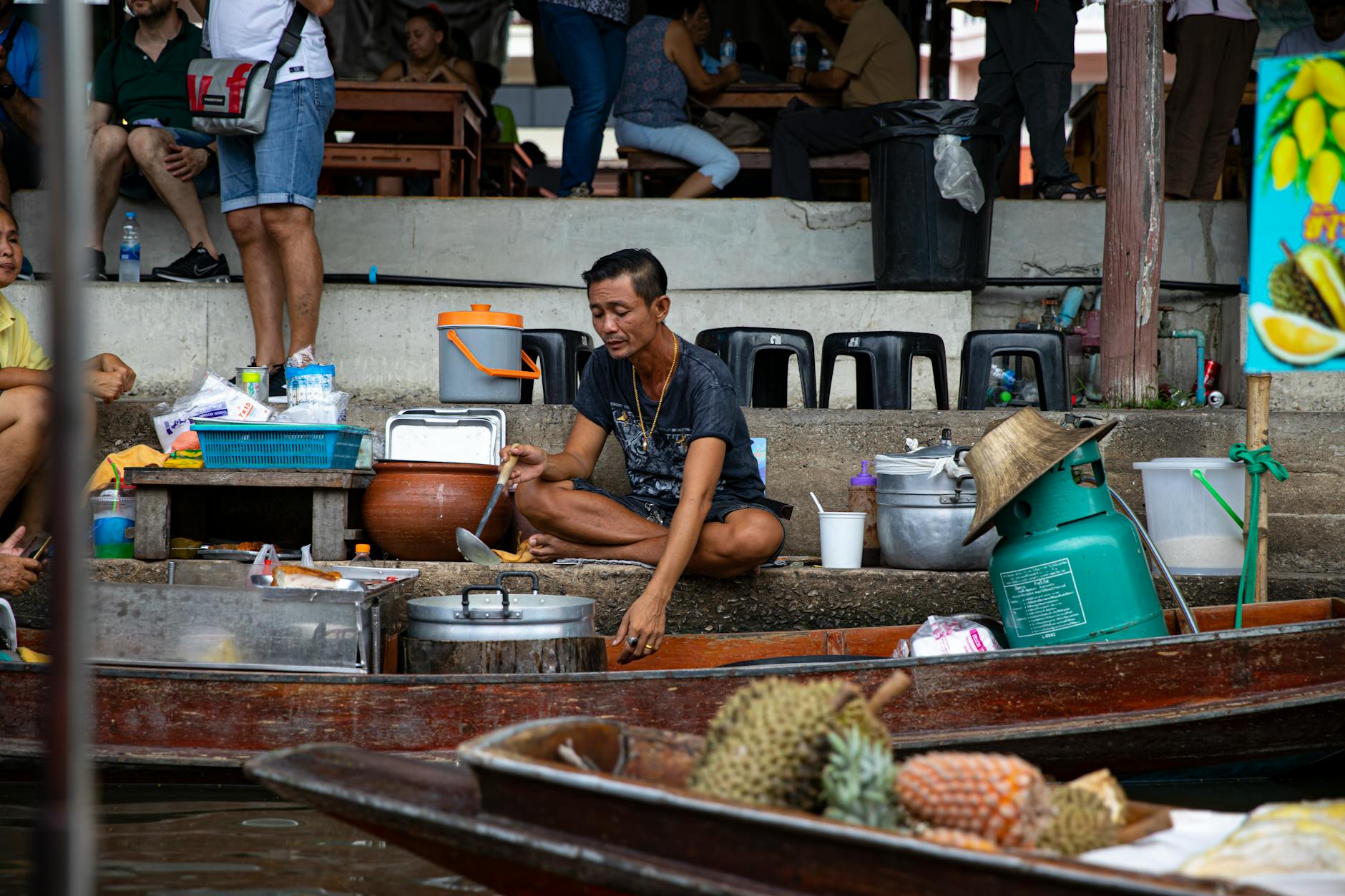

Vietnam’s century-old floating markets are trading their rustic charm for luxury amenities as operators transform traditional waterways into premium overnight experiences. The Mekong Delta’s famous markets now offer boutique accommodations, gourmet dining, and spa services alongside the familiar sight of vendors selling fresh produce from their boats.
The transformation reflects Vietnam’s broader push to attract high-spending tourists while preserving cultural heritage. Traditional floating markets like Cai Rang in Can Tho and Cai Be in Tien Giang province have partnered with hospitality companies to create floating resorts that blend authentic market experiences with five-star comfort.
These developments mirror luxury tourism trends seen globally, from Ireland’s Dark Sky Reserves becoming Europe’s premier stargazing destinations to specialized eco-luxury experiences worldwide.
Floating Hotels Anchor Next to Traditional Markets
The Mekong Eyes floating resort opened in 2023 as the first luxury accommodation directly integrated with Cai Rang floating market operations. The property features 20 floating villas connected by walkways, allowing guests to wake up surrounded by vendors preparing for dawn trading sessions.
Each villa includes air conditioning, private bathrooms with rainfall showers, and floor-to-ceiling windows overlooking the water. The design incorporates traditional Vietnamese architecture with modern amenities, using local materials like bamboo and reclaimed wood from old boats.
Guests can participate in market activities starting at 5 AM when vendors begin arriving with fresh fruits, vegetables, and seafood. The resort provides translation services and guides who explain the intricate trading systems that have operated for over 100 years.
The Victoria Mekong resort near Cai Be market launched similar accommodations in late 2023, featuring floating suites with private terraces and direct boat access. Both properties report occupancy rates above 85% since opening, with advance bookings stretching months ahead.
Gourmet Dining Meets Traditional Commerce
Executive chefs at these floating resorts source ingredients directly from market vendors, creating farm-to-table dining experiences on the water. The Mekong Eyes restaurant features a daily changing menu based on what vendors bring to market that morning.
Chef Nguyen Van Duc, formerly of Ho Chi Minh City’s Temple Club, designed dishes that showcase Mekong Delta produce. Breakfast might include dragon fruit pancakes with coconut cream, while dinner features grilled snakehead fish caught that morning and prepared with herbs from floating gardens.
The dining experience extends to cooking classes where guests learn to prepare traditional dishes using ingredients purchased directly from market boats. Classes include visits to floating farms that supply vegetables and herbs to the markets.
Private dinner cruises through the market channels offer another dining option, with boats equipped with professional kitchens and serving areas. These experiences typically cost between $150-200 per person and must be booked weeks in advance during peak season.
Wellness Services Float Alongside Ancient Traditions
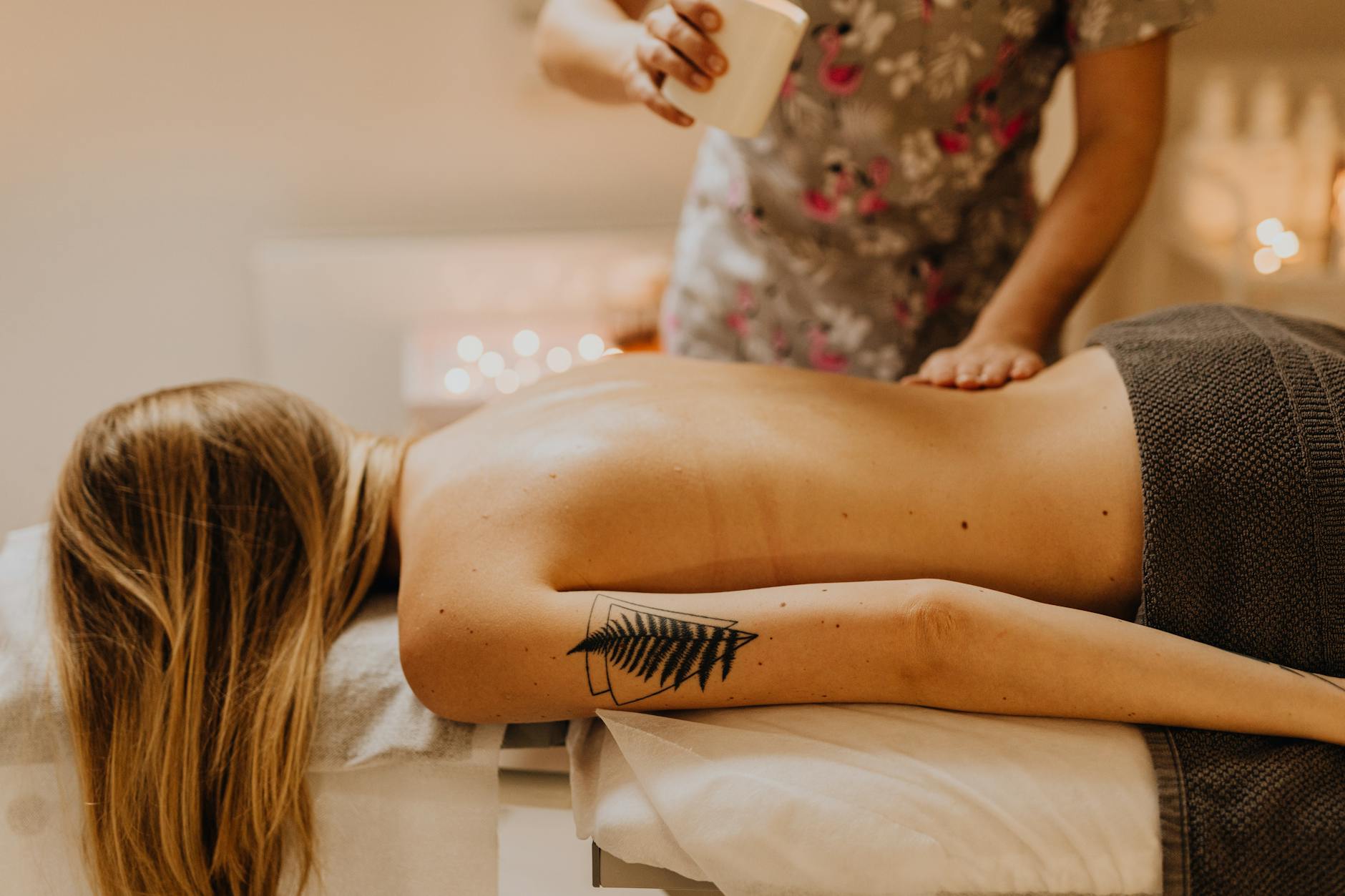
Spa services represent the most dramatic departure from traditional floating market experiences. The Mekong Wellness floating spa complex features treatment rooms built on stilts over the water, offering massages and beauty treatments while traditional market activities continue nearby.
Treatments incorporate ingredients sourced from the markets, including coconut oil massages, mud baths using clay from the delta, and facials featuring tropical fruits. The spa’s signature treatment combines Vietnamese massage techniques with aromatherapy using essential oils made from market herbs.
Yoga platforms extend over the water, allowing practitioners to exercise while listening to the sounds of early morning market preparations. Classes begin at sunrise and continue through the day, with different sessions timed to coincide with various market activities.
The wellness offerings attract international visitors seeking authentic experiences combined with luxury amenities. Similar approaches to heritage tourism can be seen in Costa Rica’s sustainable tourism certification programs that transform traditional beach resorts.
Balancing Modernization with Cultural Preservation
Local authorities work with resort operators to ensure developments don’t disrupt traditional market operations. Strict regulations limit the number of floating accommodations and require operators to employ local guides and purchase goods from traditional vendors.
The Vietnam National University’s tourism research department monitors the impact of luxury developments on floating market culture. Initial studies show increased income for traditional vendors who now sell to resort guests in addition to local customers.
However, some longtime market participants express concerns about rising prices and changing dynamics. Boat rental costs have increased 40% since luxury resorts arrived, making it more expensive for traditional vendors to participate in market activities.
Tourism officials report that floating market visitor numbers increased 60% in 2023, with average spending per visitor rising from $25 to $85. The revenue supports infrastructure improvements including better sanitation facilities and upgraded boat docking areas.
Future Expansion Plans Take Shape
Three additional floating resort projects received government approval for development in 2024, expanding luxury accommodations to floating markets in An Giang and Dong Thap provinces. These projects will add 80 floating villas and suites to the region’s accommodation inventory.
The government plans to develop floating market luxury tourism as part of its strategy to attract 18 million international visitors annually by 2030. Officials project that floating market experiences could generate $200 million in tourism revenue within five years.
Technology integration will expand with the introduction of mobile apps providing real-time market information and booking services for experiences. Digital payment systems will allow tourists to purchase goods directly from vendors using smartphones.
Training programs for local guides and hospitality workers are expanding to meet demand from luxury properties. The Mekong Delta Tourism Training Center graduated its first class of specialized floating market guides in March 2024.
Vietnam’s floating markets are successfully bridging the gap between preserving cultural heritage and meeting modern luxury travel expectations. As these unique destinations continue evolving, they offer a template for sustainable heritage tourism that benefits both visitors and local communities while maintaining authentic cultural experiences.
Frequently Asked Questions
What luxury amenities do Vietnam’s floating markets now offer?
Floating resorts feature air-conditioned villas, spa services, gourmet dining using market ingredients, and cooking classes with traditional vendors.
How much do luxury floating market experiences cost?
Private dinner cruises cost $150-200 per person, while floating villa accommodations vary by property and season with advance booking required.