

The corner office has gone quiet. Across corporate America’s C-suites, a new kind of executive coach is commanding six-figure contracts and reshaping how business leaders communicate. These aren’t speech coaches teaching presentation skills or communication consultants polishing messaging. They’re professional silence coaches, and their client roster reads like a Fortune 500 directory.
The trend emerged from Silicon Valley’s wellness-obsessed culture but has rapidly spread to Wall Street, Detroit’s automotive giants, and energy companies in Houston. CEOs who once prided themselves on being always-on, always-talking leaders are now paying premium rates to learn the strategic power of saying nothing at all.
“The most expensive words in business are the ones you wish you hadn’t said,” explains Dr. Sarah Chen, a former meditation instructor who transitioned to executive coaching three years ago. Her client list includes leaders from major tech companies, pharmaceutical giants, and retail chains. “We’re not teaching people to be quiet. We’re teaching them to be intentionally silent.”
The High Cost of Talking Too Much
Corporate America’s shift toward silence coaching stems from costly public relations disasters and internal leadership failures. Recent years have seen CEOs lose billions in market value with poorly timed tweets, off-script remarks during earnings calls, and inflammatory comments at industry conferences.
The coaching addresses three core areas: strategic pauses during negotiations, mindful listening in boardroom discussions, and what practitioners call “productive silence” during crisis management. Traditional executive training focused on commanding presence through speech. This new approach recognizes that saying less often accomplishes more.
Major consulting firms now offer silence training as part of their executive development programs. McKinsey & Company reportedly added mindful communication modules to their leadership curricula after client demand increased 400% in the past two years. Boston Consulting Group has partnered with meditation centers to develop what they term “strategic quiet time” workshops for C-level executives.
The coaching sessions themselves vary dramatically from traditional leadership training. Instead of role-playing presentations or practicing elevator pitches, executives spend hours in guided silence exercises, learning to recognize when their impulse to speak undermines their objectives.
“I used to fill every pause in a negotiation,” admits the CEO of a major retail chain, speaking anonymously about his experience with silence coaching. “My coach taught me that the person who speaks first often loses leverage. Now I count to ten before responding to any significant proposal. It’s changed everything.”
From Meditation Retreats to Board Rooms
The silence coaching industry draws practitioners from diverse backgrounds. Former Buddhist monks, professional mediators, and even retired diplomats have found lucrative second careers teaching corporate leaders the art of strategic quiet. Their methods blend ancient mindfulness practices with modern behavioral psychology and game theory.
Sessions typically cost between $500 to $2,000 per hour, with comprehensive programs running $50,000 to $200,000 annually. The most sought-after coaches maintain waiting lists and work exclusively with Fortune 500 companies, private equity firms, and family offices managing billion-dollar portfolios.
The training goes beyond simple meditation. Executives learn to identify what coaches call “silence triggers” – moments when their natural impulse to respond immediately works against their interests. These include hostile questioning during congressional hearings, activist investor challenges during shareholder meetings, and media interviews following corporate controversies.
Advanced programs incorporate biometric monitoring, teaching leaders to recognize physical stress signals that prompt unnecessary verbal responses. Heart rate variability training helps executives maintain composure during high-stakes conversations, while breathing techniques provide tools for extending strategic pauses without appearing uncertain or weak.

The Science Behind Strategic Silence
Research from Harvard Business School and Wharton supports the effectiveness of silence-based leadership training. Studies show that leaders who pause before responding during negotiations achieve better outcomes, while those who practice mindful listening report improved team performance and reduced employee turnover.
Neuroscience research reveals that strategic silence activates different brain regions than reactive speech. When leaders pause deliberately, their prefrontal cortex engages more effectively, leading to better decision-making and reduced emotional responses. This aligns with broader trends toward evidence-based wellness approaches that many executives are adopting.
The practice extends beyond crisis management. Silence coaches work with CEOs on everything from quarterly earnings calls to internal all-hands meetings. The goal isn’t creating passive leaders but developing what practitioners term “intentional communication” – every word serving a specific strategic purpose.
Companies report measurable benefits from executive silence training. Internal surveys show improved employee satisfaction scores when leaders demonstrate better listening skills. Board members note more productive discussions when CEOs resist the urge to dominate conversations. Even customer service metrics improve when leadership teams model thoughtful communication practices throughout their organizations.
Some coaches integrate silence training with existing executive wellness programs. Personal wellness coordinators now coordinate silence coaching alongside nutrition planning and fitness training, recognizing communication habits as integral to overall executive health.
The Quiet Revolution’s Next Phase
The silence coaching industry continues expanding beyond individual executive training. Corporate boards increasingly require communication training for newly appointed CEOs, with silence coaching becoming standard preparation for public company leadership roles. Business schools have begun incorporating mindful communication courses into their MBA curricula, recognizing student demand for these skills.
International expansion presents the next growth frontier. European executives, particularly in Germany and Scandinavia, show strong interest in American-developed silence coaching methods. Asian markets present different challenges, as cultural communication norms already emphasize strategic quiet in business settings.
Technology integration offers another evolution. Virtual reality training programs allow executives to practice silence techniques in simulated high-pressure scenarios. Smartphone apps provide guided meditation sessions designed specifically for business leaders, with customized programs for different industry challenges.
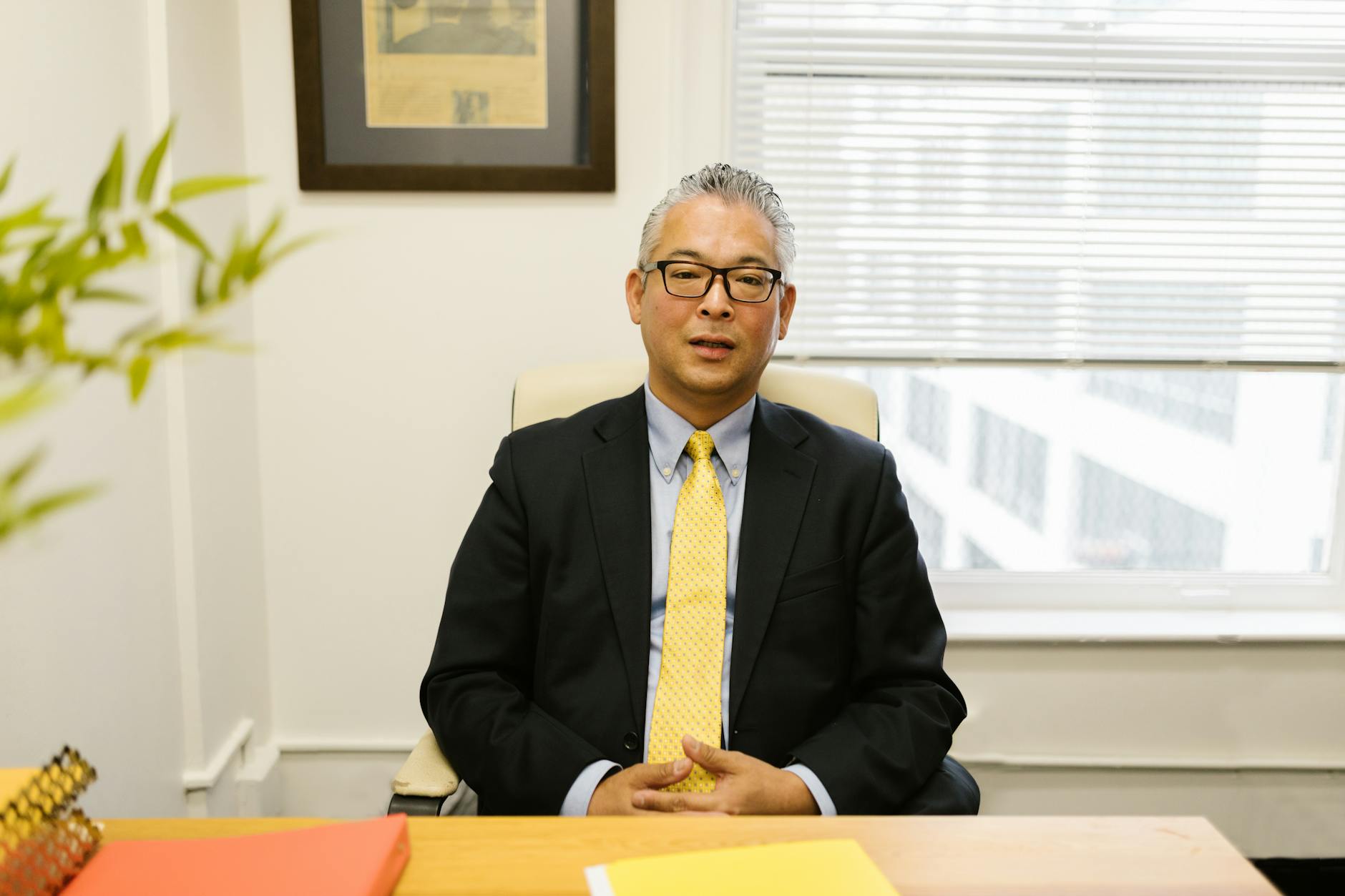
The transformation reflects broader changes in executive expectations and corporate governance. Stakeholders increasingly demand thoughtful leadership rather than charismatic performance. Social media amplifies every executive statement, making strategic communication essential for reputation management. Environmental, social, and governance (ESG) considerations require leaders who can navigate complex conversations with nuanced responses rather than defensive reactions.
The most successful silence coaches predict continued growth as younger executives, raised in social media culture, recognize the need for intentional communication training. These leaders understand that in an era of constant connectivity, the ability to pause thoughtfully becomes a competitive advantage.
As corporate America continues grappling with public trust issues and stakeholder accountability, the executives mastering strategic silence may find themselves better equipped to lead in an increasingly complex business environment. The quiet revolution in executive training suggests that sometimes the most powerful thing a leader can say is nothing at all.
Frequently Asked Questions
What do professional silence coaches teach executives?
They teach strategic pauses, mindful listening, productive silence during crisis management, and when not speaking provides better outcomes than immediate responses.
How much do silence coaching programs cost for executives?
Individual sessions range from $500-$2,000 per hour, with comprehensive annual programs costing $50,000-$200,000 for Fortune 500 leaders.