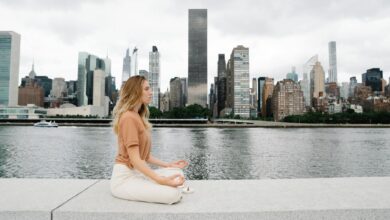

Fortune 500 CEOs and A-list entertainers are trading their Aspen ski trips for 72-hour escapes planned down to the last meditation bell. The ultra-wealthy discovered that traditional vacation planning burns through more mental energy than it restores, creating demand for a new luxury service: personal retreat planners who orchestrate micro-vacations with military precision.
These aren’t travel agents booking flights and hotels. Personal retreat planners design bespoke recovery experiences ranging from 48-hour digital detoxes in Montana ranches to weekend somatic healing intensives in Costa Rican wellness compounds. Clients pay premium fees for someone else to handle every detail while they focus solely on recharging.
The micro-vacation movement reflects a broader shift among high-achievers who recognize that traditional two-week holidays often create more stress than relief. Planning, packing, coordinating schedules, and managing travel logistics during precious time off defeats the purpose of rest. Enter specialists who eliminate decision fatigue by curating every aspect of short-term escapes.
The Science Behind Strategic Short Breaks
Research validates what luxury retreat planners already knew: frequent short breaks outperform extended vacations for sustained productivity and mental health. Stanford studies show that 72-hour complete disconnections reset cortisol levels more effectively than longer trips with partial work engagement.
Dr. Sarah Martinez, who advises tech executives on performance optimization, explains the phenomenon: “High-achievers operate in constant decision-making mode. A five-day vacation where they’re still choosing restaurants, planning activities, and managing logistics doesn’t provide true cognitive rest. Micro-vacations with zero decisions required create genuine mental space.”
Personal retreat planners leverage this science by removing all choice points from client experiences. They select accommodations, plan meal schedules, arrange transportation, and even pre-select reading materials based on detailed client assessments. Some planners conduct hour-long intake sessions exploring everything from preferred room temperature to childhood comfort foods.
The service extends beyond logistics into emotional intelligence. Planners study clients’ stress patterns, peak performance windows, and personal triggers to design experiences that address specific burnout symptoms. A venture capitalist dealing with decision overload might receive a silent retreat with structured meditation blocks, while a surgeon recovering from high-stakes procedures could get adventure therapy in natural settings.
Inside the Elite Retreat Planning Process
Premium retreat planners charge between $5,000 and $25,000 for comprehensive micro-vacation packages, not including travel and accommodation costs. The fee covers extensive pre-planning, real-time support during retreats, and post-experience integration coaching.
The process begins with psychological profiling more thorough than most therapy intakes. Planners assess clients’ energy patterns, relationship dynamics, creative blocks, and physical health markers. Some use wearable device data to identify optimal rest periods and activity levels.
Location scouting involves more than finding luxury properties. Planners research altitude effects on sleep quality, seasonal light exposure for circadian rhythm optimization, and local noise pollution levels. They test internet connectivity strength to ensure complete digital disconnection when desired, or seamless emergency communication when required.
Menu planning reflects individual digestive patterns, food sensitivities, and metabolic goals. Many planners collaborate with nutritional therapists to design meals that support specific recovery objectives, whether that’s reducing inflammation, stabilizing blood sugar, or optimizing neurotransmitter production.
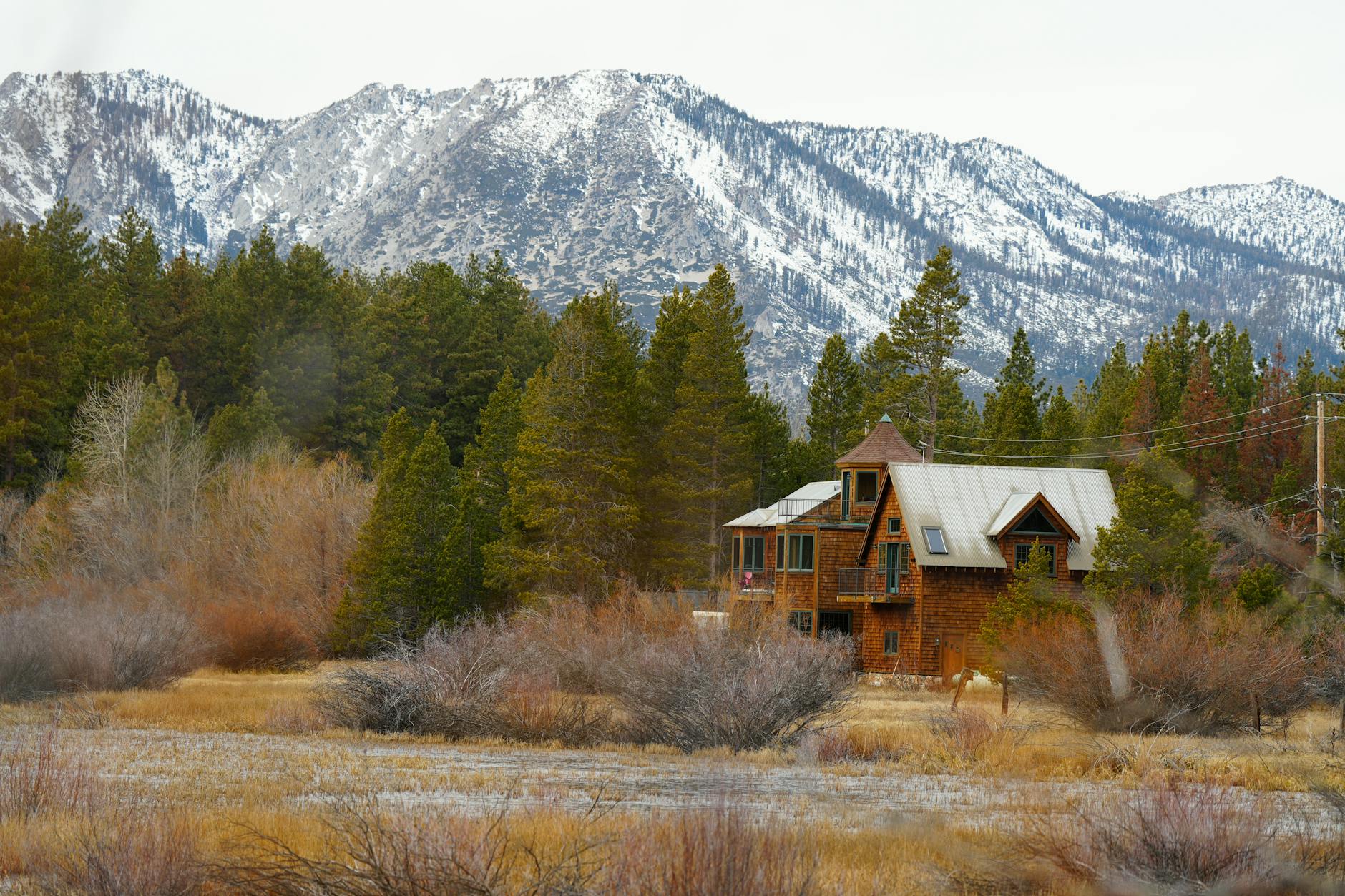
Activity curation goes beyond typical spa treatments. Planners might arrange private sessions with indigenous shamans, one-on-one instruction with Olympic-level meditation teachers, or exclusive access to archaeological sites during non-tourist hours. The goal is creating transformative experiences impossible to replicate through standard booking channels.
Some planners specialize in “productive rest” – designing retreats that restore energy while advancing personal projects. A novelist might receive a writing retreat with structured creative sessions, nutritionist-planned brain food, and evening reflection periods. The key is removing administrative burden while supporting meaningful work.
The Friendship Coach Connection and Relationship Recovery
The personal retreat planning industry intersects with other luxury wellness services emerging among affluent demographics. Wealthy millennials hiring professional friendship coaches often combine social skills development with retreat experiences designed to practice new relationship patterns in controlled environments.
Some retreat planners specialize in relationship recovery, designing experiences for individuals processing major life transitions. These programs share DNA with divorce tourism and breakup recovery retreats but focus on shorter, more intensive interventions for busy professionals who cannot commit to extended healing programs.
The integration reflects growing recognition that personal development requires structured support systems. High-achievers accustomed to hiring specialists for business challenges are applying the same logic to emotional and spiritual growth.
Retreat planners often coordinate with other wellness professionals in clients’ support networks. A CEO working with an executive coach might receive retreat experiences designed to reinforce specific leadership development goals. The planner handles logistics while the coach focuses on skill building.
Technology Integration and Digital Boundaries
Modern retreat planners navigate complex relationships with technology, helping clients establish healthy digital boundaries without compromising essential business operations. This involves more sophisticated planning than simple phone confiscation.
Planners research optimal digital detox protocols for different personality types and professional requirements. Some clients benefit from complete disconnection, while others need structured communication windows to manage anxiety about being unreachable. The key is intentional technology use rather than habitual scrolling.
Emergency communication protocols receive careful attention. Planners establish clear contact procedures for true emergencies while filtering non-urgent requests. Some coordinate with executive assistants to maintain business continuity during client retreats.
Wearable device management presents unique challenges. Many high-achievers rely on fitness trackers, sleep monitors, and health apps for daily optimization. Retreat planners help clients decide which devices support recovery goals versus those that create additional performance pressure.
The Future of Micro-Recovery Tourism
The personal retreat planning industry is expanding beyond individual services into comprehensive wellness ecosystems. Some planners are developing relationships with exclusive properties, creating semi-permanent retreat spaces that cater specifically to ultra-high-net-worth clients seeking regular micro-vacations.
Corporate applications are emerging as companies recognize the productivity benefits of strategic employee recovery. Some Fortune 500 firms are piloting programs where personal retreat planners design recovery experiences for C-suite executives and key personnel.
The trend reflects broader shifts in how successful people think about rest and recovery. Rather than viewing vacation as time away from important work, they’re recognizing strategic rest as essential to sustained performance. Personal retreat planners provide the expertise and execution that transforms this philosophy into practical reality.
As the luxury wellness market continues expanding, micro-vacation planning represents a natural evolution of personalized service. For high-achievers who excel at optimizing every other aspect of their lives, outsourcing recovery planning makes perfect sense. The question isn’t whether this trend will continue growing, but how quickly it will expand beyond ultra-wealthy early adopters into broader professional markets.
Frequently Asked Questions
How much do personal retreat planners charge?
Premium retreat planners charge $5,000-$25,000 for comprehensive micro-vacation packages, plus travel and accommodation costs.
What makes micro-vacations better than regular vacations?
Research shows 72-hour complete disconnections reset cortisol levels more effectively than longer trips with partial work engagement.