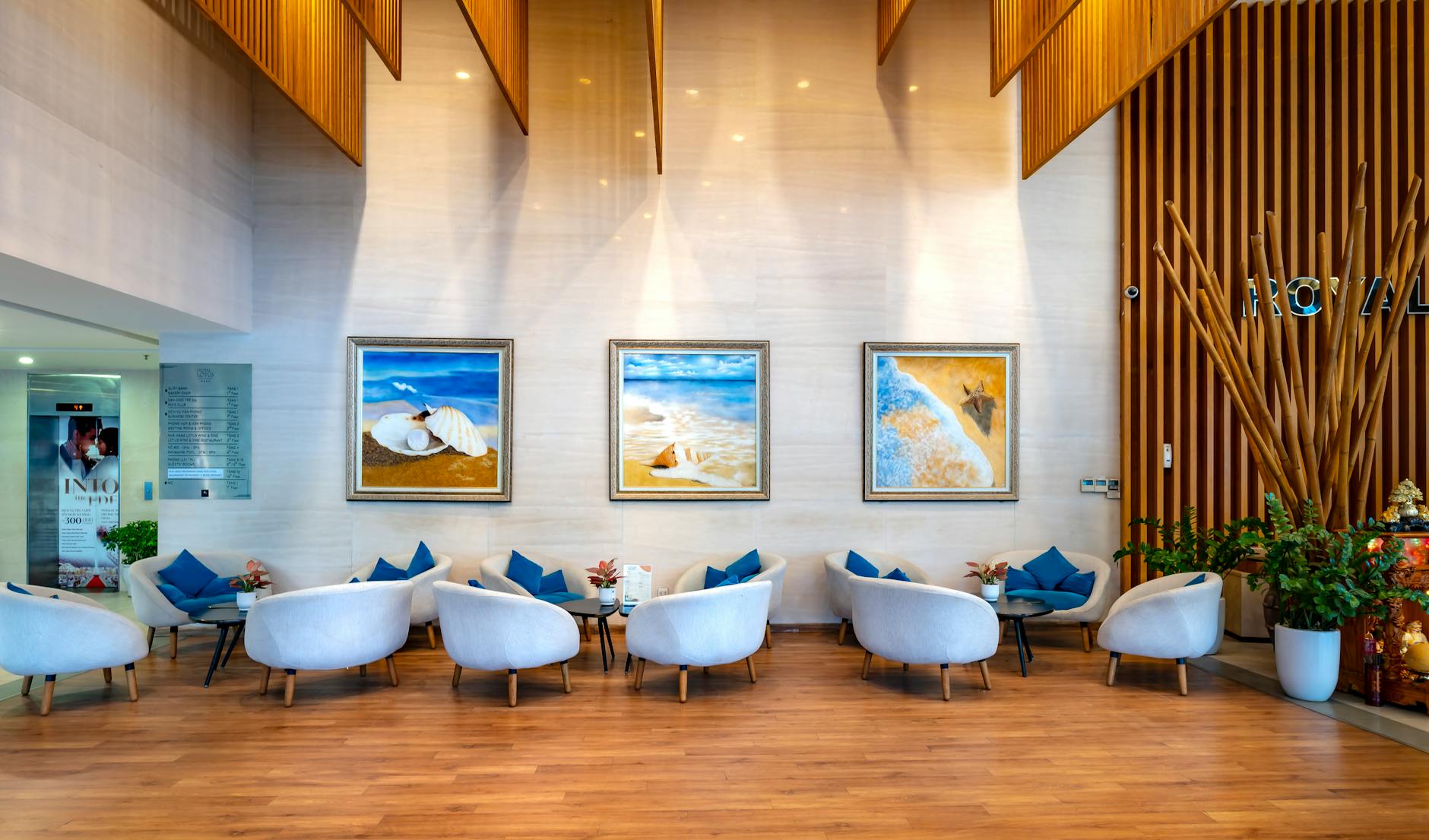

The Four Seasons New York recently unveiled a 3,000-square-foot business center complete with private offices, meeting pods, and high-speed connectivity that rivals Silicon Valley tech hubs. This isn’t an anomaly – luxury hotels worldwide are racing to transform unused ballrooms and conference spaces into sophisticated co-working environments that cater to the modern digital nomad and business traveler.
The pandemic fundamentally shifted how people work, creating a new breed of traveler who expects seamless integration between leisure and business. Remote work policies that once seemed temporary have become permanent fixtures at major corporations, driving demand for hospitality spaces that function as both retreat and office.
The Digital Nomad Economy Drives Hotel Innovation
Remote workers now represent 35% of the U.S. workforce, according to recent Bureau of Labor Statistics data, and they’re spending an estimated $50 billion annually on travel while working. Hotels recognized this opportunity and began retrofitting spaces to capture extended stays from professionals who no longer need to be tethered to traditional offices.
The Ritz-Carlton has partnered with WeWork to create hybrid spaces in select properties, offering day passes and monthly memberships to guests and locals alike. These partnerships allow hotels to generate revenue from previously underutilized spaces while creating community hubs that extend beyond typical guest services.
Marriott International reports that business center usage has increased 40% since 2022, with guests spending an average of 4.3 hours daily in these spaces. The company has invested heavily in upgrading Wi-Fi infrastructure, adding soundproof phone booths, and installing collaborative technology that supports video conferencing and screen sharing.
Revenue Diversification Beyond Room Bookings
Hotels are discovering that co-working spaces provide multiple revenue streams beyond traditional room nights. Day passes typically range from $25-75, while monthly memberships can reach $300-500 in major metropolitan areas. These rates often match or exceed the profit margins on food and beverage services.
The Thompson Chicago converted its underused mezzanine level into a co-working lounge that generates $180,000 annually from non-guest memberships alone. Local entrepreneurs and freelancers now use the space regularly, creating a steady income stream that isn’t dependent on occupancy rates or seasonal travel patterns.
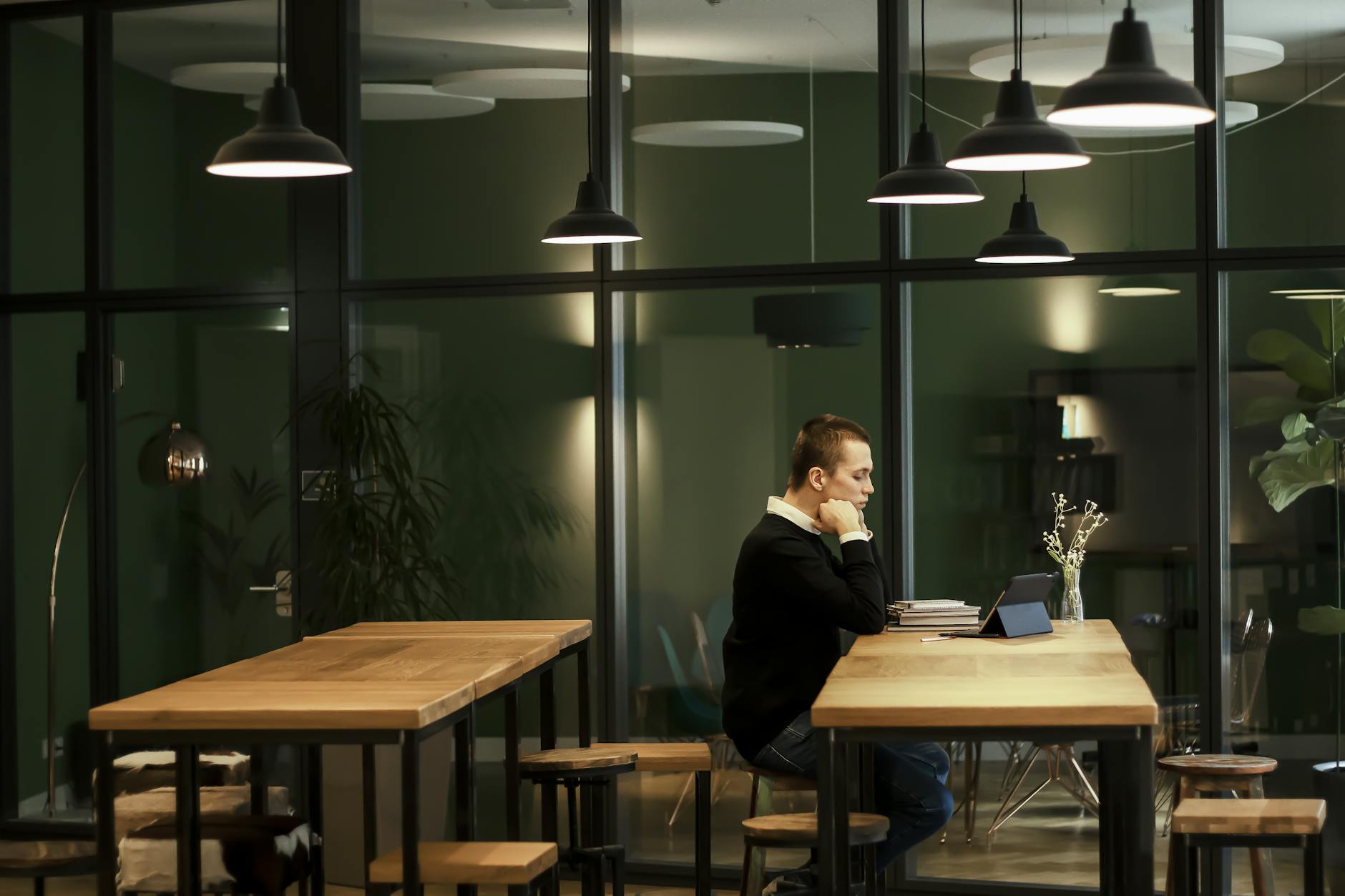
Luxury properties are also leveraging these spaces for corporate partnerships and executive retreats. Companies book entire co-working floors for team off-sites, combining accommodation with meeting facilities and recreational amenities. This approach has proven particularly attractive to tech companies and consulting firms that embrace flexible work arrangements.
Design Elements That Blur Work and Leisure
Modern hotel co-working spaces prioritize biophilic design, natural lighting, and residential-style furniture that encourages longer stays. The Edition hotels feature living room-style work areas with plush seating, ambient lighting, and curated art collections that feel more like upscale private clubs than traditional business centers.
Acoustic design has become crucial as hotels balance collaborative energy with concentration needs. Many properties now include dedicated quiet zones, soundproof phone rooms, and white noise systems that mask conversations without creating sterile environments.
Technology integration extends beyond basic Wi-Fi to include wireless charging stations, multiple monitor setups, and presentation equipment that supports hybrid meetings. The St. Regis brand has standardized these features across properties, ensuring consistent experiences for frequent business travelers.
Amenity Integration Creates Competitive Advantage
Successful hotel co-working spaces integrate seamlessly with existing amenities like fitness centers, spas, and restaurants. Guests can transition from morning workouts to video calls without leaving the property, creating the work-life integration that remote professionals seek.
The concept mirrors broader hospitality trends toward experiential travel, similar to how airports are adding meditation rooms and prayer spaces to enhance passenger experiences beyond basic transportation needs.
Targeting Extended Stay and Hybrid Travelers
Hotels are specifically designing packages for “workations” – extended stays that combine business productivity with leisure activities. These packages often include weekly rates, complimentary co-working access, and curated local experiences that help guests explore destinations during non-working hours.
The trend extends internationally, with European luxury chains creating co-working spaces that cater to cross-border business travel. This aligns with infrastructure improvements like the new high-speed night train routes that make multi-city work trips more accessible and sustainable.
Boutique hotels in secondary markets are particularly well-positioned to capture this trend, offering lower costs and unique local experiences that major cities can’t match. Properties in Austin, Nashville, and Portland report significant increases in week-long stays from tech workers and creative professionals seeking alternatives to expensive coastal markets.
The Future of Hospitality Workspaces
Industry analysts predict that co-working integration will become standard in luxury hospitality within five years. Hotels that fail to adapt risk losing market share to properties that successfully blend accommodation with productive workspace functionality.
The most successful implementations will likely combine local community building with guest services, creating vibrant ecosystems that serve both travelers and residents. This approach transforms hotels from temporary accommodation providers into integral parts of local business communities, ensuring sustainable revenue growth in an increasingly competitive market.
As remote work continues reshaping professional landscapes, luxury hotels that embrace co-working integration position themselves at the forefront of hospitality evolution, meeting traveler needs while discovering new profit centers that extend far beyond traditional room and board services.
Frequently Asked Questions
How much do hotel co-working spaces typically cost?
Day passes range from $25-75, while monthly memberships can cost $300-500 in major cities.
What amenities do hotel co-working spaces offer?
Modern spaces include high-speed Wi-Fi, soundproof phone booths, collaborative technology, and integration with hotel amenities like fitness centers and restaurants.