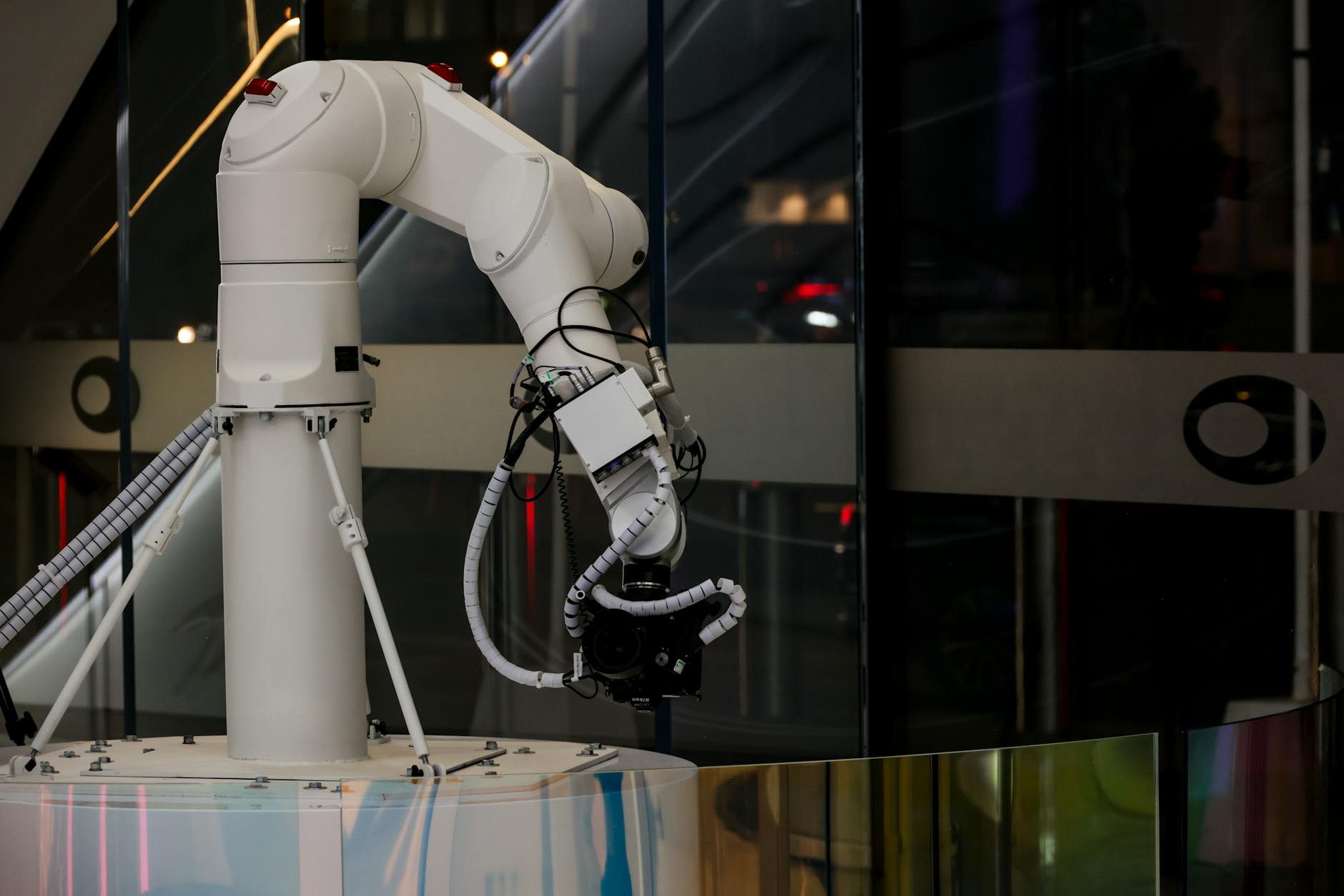

Robot butlers are wheeling through the hallways of luxury hotels from Singapore to San Francisco, carrying champagne and delivering fresh towels at the touch of a smartphone button. What started as a pandemic-era solution for contactless service has evolved into a permanent fixture at some of the world’s most prestigious properties, fundamentally changing how guests experience hospitality.
The Ritz-Carlton in Tokyo deploys sleek cylindrical robots that navigate between floors, while the Westin chain has introduced autonomous delivery units across multiple locations. These aren’t gimmicky novelties – they represent a strategic shift in how luxury hotels allocate resources and reimagine guest service in an era of labor shortages and changing traveler expectations.
The Economics Behind the Robot Revolution
Labor costs at luxury hotels have skyrocketed, with many properties struggling to maintain full staffing levels. A single room service delivery traditionally requires a server, kitchen coordination, and often elevator management during peak hours. Robot butlers eliminate multiple touchpoints while operating 24/7 without breaks, benefits, or scheduling conflicts.
The Aloft hotel chain pioneered mainstream robot deployment with their “Botlr” units, which handle everything from toothbrush deliveries to late-night snack runs. Each robot can complete dozens of deliveries per shift, equivalent to several human staff members. Hotels report significant cost savings within the first year of deployment, despite initial investments ranging from $20,000 to $60,000 per unit.
More importantly, robots free up human staff for higher-value interactions. Instead of running back and forth with towels, concierges can focus on restaurant recommendations and activity planning – the personalized touches that distinguish luxury properties from budget options.
Guest Experience: Novelty Meets Efficiency
Initial guest reactions ranged from delight to skepticism, but acceptance rates have climbed steadily. The robots arrive silently, call guests via room phone upon arrival, and wait patiently for pickup. Many units feature charming personalities – the robots at some properties play music or display friendly messages during deliveries.
Efficiency often trumps traditional service rituals. Guests can request items instantly through mobile apps without calling the front desk or waiting for human staff availability. The robots operate during overnight hours when room service traditionally closes, extending service windows that modern travelers expect.
However, luxury travelers still value human interaction for complex requests. The most successful implementations combine robotic efficiency for simple deliveries with enhanced human service for dining experiences and personal concierge needs.
Technology Challenges and Hotel Infrastructure
Robot deployment requires significant infrastructure modifications. Hotels must install specialized elevator controls, Wi-Fi networks with precise mapping capabilities, and charging stations throughout properties. Narrow hallways, thick carpeting, and ornate decorative elements can interfere with navigation systems.
The robots struggle with certain tasks that humans handle effortlessly. They cannot hang garments in closets, arrange items aesthetically, or handle fragile deliveries requiring careful placement. Some guests report frustration with robots stuck in elevators or unable to navigate around housekeeping carts.
Maintenance requirements are substantial. The units require regular software updates, mechanical servicing, and replacement parts that can be expensive and slow to obtain. Hotels typically maintain service contracts with robot manufacturers, adding ongoing operational costs beyond the initial purchase.
The Future of Hospitality Automation
Major hotel chains are expanding robot programs despite mixed guest feedback. Marriott International is testing autonomous cleaning units alongside delivery robots, while Hilton properties are experimenting with robots that can restock minibars and deliver amenities to poolside guests.
The technology continues evolving rapidly. Newer models feature improved sensors, longer battery life, and enhanced communication capabilities. Some can now handle multiple deliveries simultaneously and interact with hotel management systems for real-time inventory tracking.
As travelers become more comfortable with automation across industries – from airport check-ins to restaurant ordering – hotels anticipate broader acceptance of robotic services. The key lies in positioning robots as efficiency enhancers rather than human replacements, maintaining the personal touch that defines luxury hospitality while leveraging technology for operational excellence.
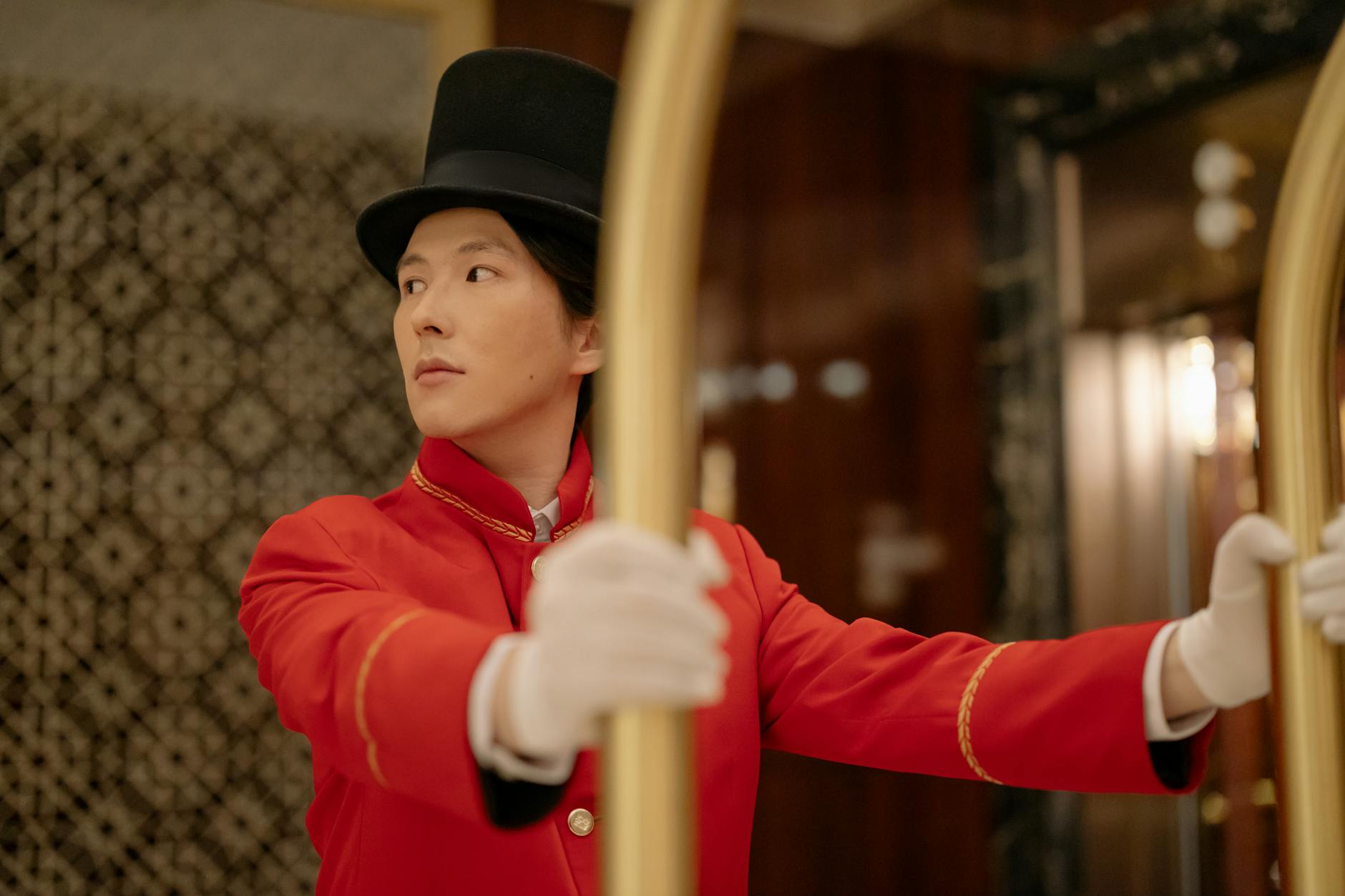
The hospitality industry stands at a crossroads where tradition meets innovation. Hotels that successfully integrate robotic services while preserving human connections may find themselves ahead of properties clinging to purely traditional models. For travelers seeking both efficiency and experience, the future of luxury hospitality appears to include both silicon and service with a smile.
The transformation mirrors broader changes in how we travel and what we expect from our journeys, much like how digital nomad visa programs are reshaping long-term travel planning, creating new opportunities for extended stays that blend work and leisure.
Frequently Asked Questions
How much do hotel robot butlers cost?
Hotel robots typically cost $20,000 to $60,000 per unit, plus ongoing maintenance contracts and infrastructure modifications.
What can hotel robots deliver to guest rooms?
Robots can deliver towels, toiletries, food items, and small amenities, but cannot handle complex tasks like garment hanging or fragile items.