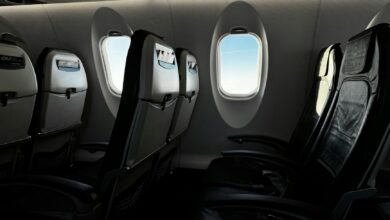

The golden age of traditional first-class cabins is ending. Airlines worldwide are dismantling their wide-open premium sections in favor of enclosed private suite pods that promise complete privacy and luxury hotel-style amenities. This dramatic shift represents the most significant change in airline cabin design since the introduction of lie-flat seats two decades ago.
The transformation began with Middle Eastern carriers like Emirates and Qatar Airways, but now extends across major international airlines. Singapore Airlines, Cathay Pacific, British Airways, and even some American carriers are investing billions in these revolutionary cabin configurations. The old model of first-class seats arranged in rows with minimal privacy barriers is rapidly becoming obsolete.
The Privacy Revolution Takes Flight
Private suite pods eliminate virtually every inconvenience of traditional first-class travel. Each enclosed space features floor-to-ceiling walls, sliding doors, and personal windows. Passengers can conduct business calls without disturbing others, sleep without interruption, and enjoy meals in complete privacy.
Singapore Airlines’ new Suites product sets the industry standard with separate living and sleeping areas within each pod. The seats convert to full-size beds with premium mattresses and luxury linens. Personal wardrobes, vanity mirrors, and individual climate controls create a hotel suite experience at 40,000 feet.
Qatar Airways’ Qsuite takes privacy further with double beds for couples and moveable panels that create shared spaces for families or business partners. The design allows solo travelers complete isolation or enables groups to create private meeting rooms in the sky.
These innovations address the primary complaint about traditional first-class cabins: lack of privacy. Even the most expensive seats couldn’t shield passengers from conversations, crying children, or fellow travelers walking to restrooms. Private pods solve these problems while maintaining the spaciousness that premium passengers demand.
Technology Integration Drives Demand
Modern business travelers expect seamless technology integration throughout their journey. Private suite pods deliver with multiple charging ports, high-speed wifi connections, and large personal entertainment screens. Some feature dual monitors for productivity work alongside entertainment options.
The enclosed spaces allow for video conferencing without disturbing other passengers. British Airways’ new Club Suite includes a personal door, direct aisle access, and a dedicated workspace designed for laptop use. The privacy enables confidential business discussions that would be impossible in traditional open cabin configurations.
Airlines are incorporating smart technology controls for lighting, temperature, and entertainment systems. Touch-screen panels manage all cabin functions, while some carriers experiment with voice activation systems. The goal is creating a personalized environment that responds to individual preferences.
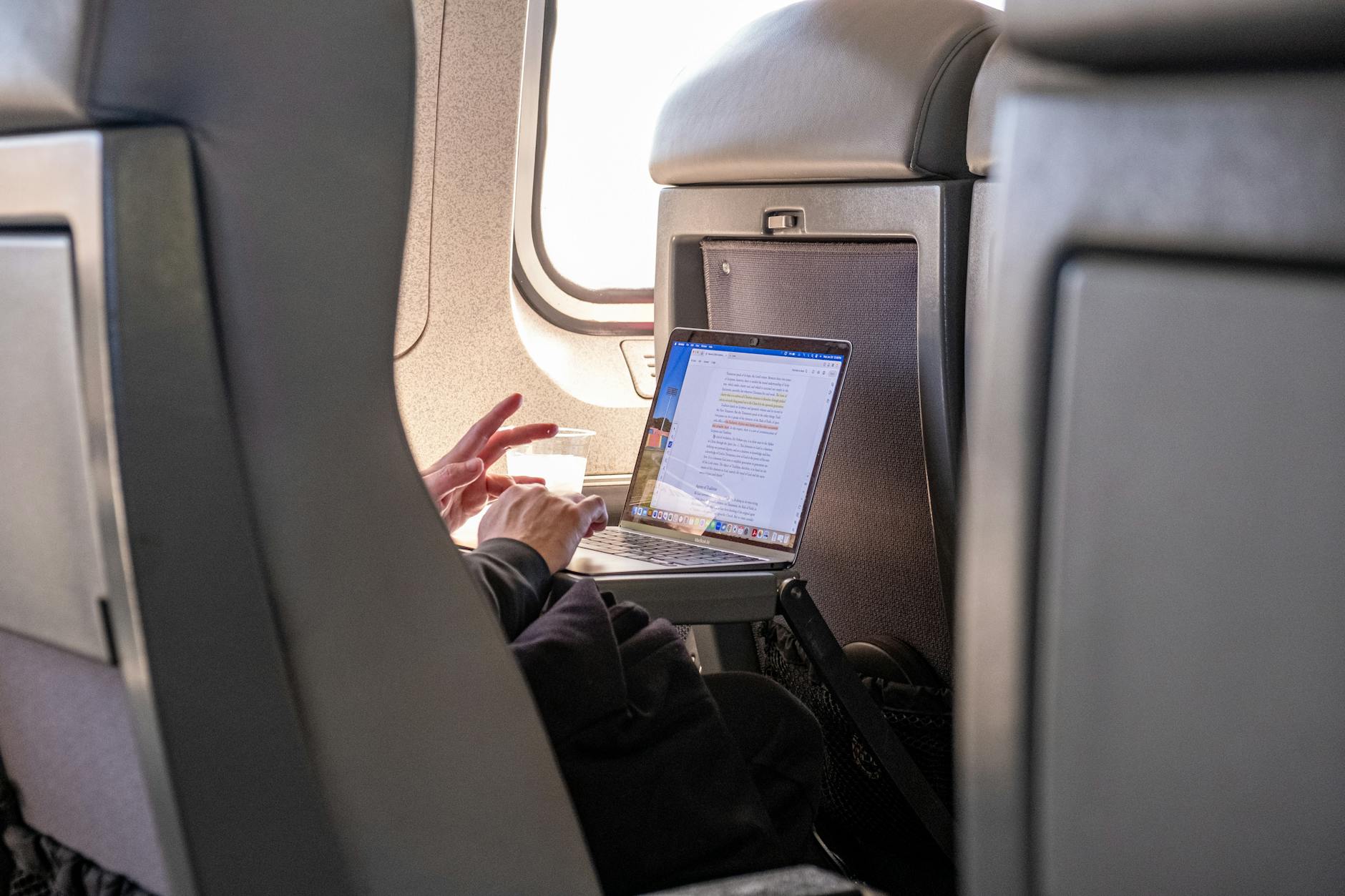
Connectivity improvements support these technological advances. Satellite internet systems now provide speeds comparable to ground-based connections. This capability enables streaming video, large file downloads, and real-time collaboration tools that business travelers require.
The Economics Behind the Switch
Airlines justify the enormous retrofit costs through premium pricing and improved customer loyalty. Private suite pods command significantly higher fares than traditional first-class seats, with some routes seeing 30-40% price increases. Despite higher costs, booking rates remain strong among corporate travelers and luxury leisure passengers.
The enclosed design allows airlines to offer fewer premium seats while maintaining or increasing revenue. A traditional first-class cabin might feature 12-16 seats, while the same space accommodates 8-10 private suites at much higher price points. This efficiency helps airlines maximize revenue per square foot in their most valuable cabin real estate.
Customer retention drives additional value. Airlines report that passengers who experience private suite pods show higher loyalty rates and increased willingness to pay premium fares. The distinctive experience creates competitive advantages in attracting high-value corporate accounts and frequent flyers.
Long-haul route competition intensifies these economic pressures. As airlines modernize their boarding processes and ground experiences, the in-flight product becomes a crucial differentiation factor. Private suites provide marketing advantages that traditional first-class configurations cannot match.
Challenges and Implementation Hurdles
Converting existing aircraft presents significant engineering challenges. Airlines must modify electrical systems, air circulation, and structural elements to accommodate the new cabin designs. These retrofits often require aircraft to spend weeks out of service, creating scheduling complications and revenue losses.
Weight considerations affect fuel efficiency and route capabilities. Private suite pods typically weigh more than traditional first-class seats due to additional privacy panels, doors, and technology systems. Airlines must balance luxury features against operational efficiency and environmental concerns.
Crew training requirements increase with more complex cabin configurations. Flight attendants must learn new service protocols for enclosed spaces, emergency procedures for suite pods, and technology troubleshooting. The learning curve affects service quality during initial implementation periods.
Regulatory approval processes vary by country and can delay rollouts. Aviation authorities must certify new cabin designs for safety, evacuation procedures, and accessibility compliance. These approvals often require extensive testing and documentation that extends development timelines.
The Future of Premium Air Travel
The shift toward private suite pods represents a permanent change in premium air travel expectations. Airlines that maintain traditional first-class cabins increasingly struggle to compete for high-value passengers. Industry analysts predict that within five years, most major international carriers will offer some form of enclosed premium seating.
Innovation continues beyond basic privacy improvements. Some airlines experiment with shower suites, similar to the luxury amenities found in modern airport lounges. Others explore expandable living spaces, personal balconies, and virtual reality entertainment systems.
Sustainability concerns will influence future designs as airlines balance luxury expectations with environmental responsibilities. Lighter materials, more efficient lighting systems, and renewable energy integration may define the next generation of private air travel accommodations.
The private suite pod revolution reflects broader changes in luxury travel expectations. Passengers increasingly demand personalized, private experiences that rival high-end hotels. Airlines that successfully deliver these expectations will dominate the premium travel market for decades to come. Traditional first-class cabins, once the pinnacle of air travel luxury, now seem outdated compared to these innovative private sanctuaries in the sky.
Frequently Asked Questions
Why are airlines replacing first-class with private suites?
Private suites offer complete privacy with enclosed spaces and sliding doors, addressing the main complaint about traditional first-class cabins’ lack of privacy.
Which airlines offer private suite pods?
Singapore Airlines, Qatar Airways, Emirates, British Airways, and Cathay Pacific lead the private suite revolution, with more carriers following.