Why Portugal’s Azores Islands Are Becoming Europe’s New Wellness Retreat Hub

Hot springs bubble up from volcanic rock while guests practice morning yoga overlooking the Atlantic. The Azores, Portugal’s remote Atlantic archipelago, has quietly emerged as Europe’s premier wellness destination, attracting health-conscious travelers seeking authentic experiences beyond crowded Mediterranean retreats.
This nine-island chain, located 900 miles west of mainland Portugal, offers something wellness tourism has been missing: genuine therapeutic environments shaped by volcanic activity, pristine nature, and centuries-old healing traditions. Unlike manufactured spa resorts, the Azores provides natural wellness experiences rooted in geological phenomena and Azorean culture.
Major wellness brands have taken notice. Several luxury retreat operators opened facilities across São Miguel and Terceira islands in 2024, capitalizing on the region’s natural assets and growing accessibility through improved flight connections from major European cities.
Natural Thermal Springs Drive Wellness Tourism
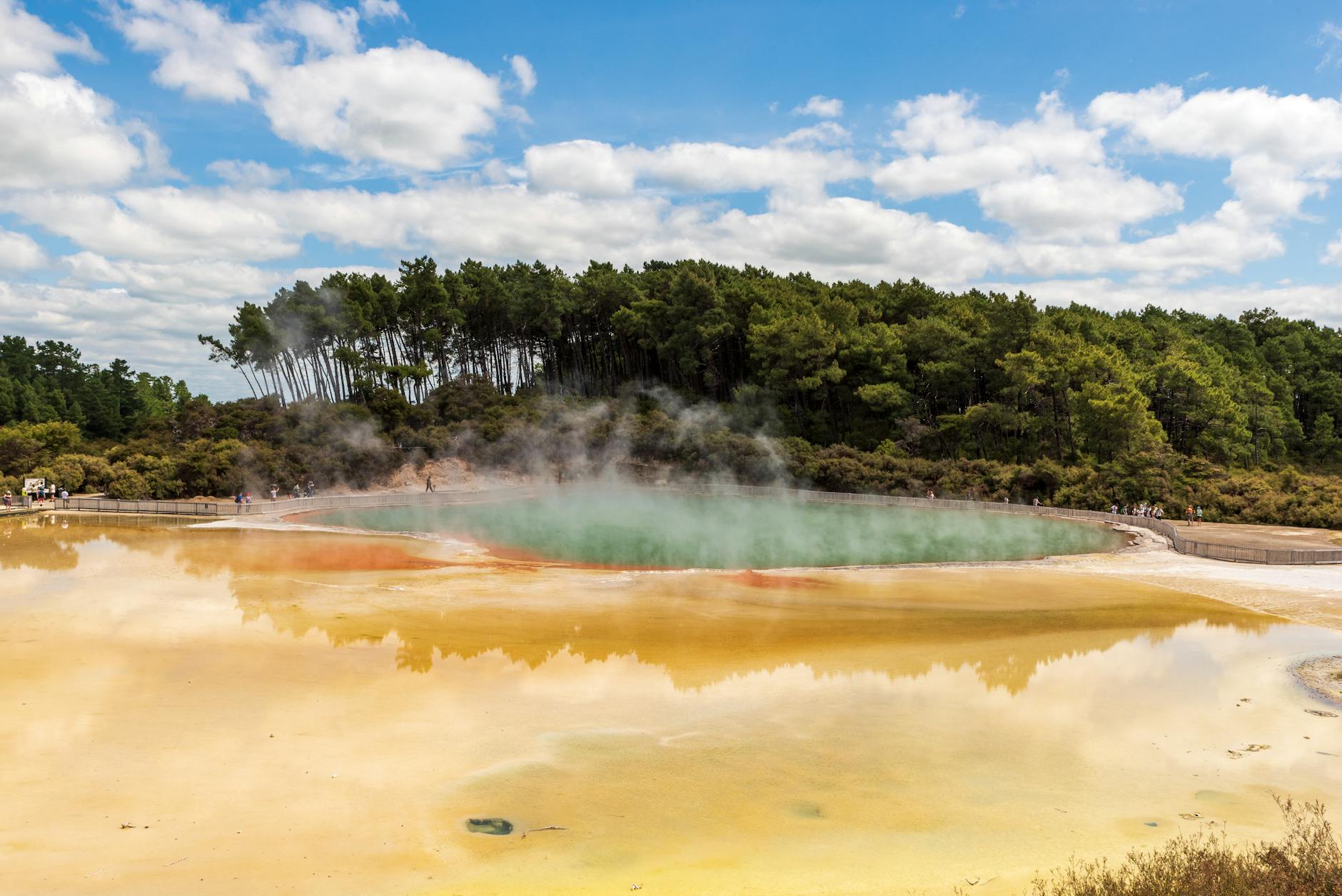
The Azores’ volcanic origins created over 20 natural hot springs across the islands, each with distinct mineral compositions and therapeutic properties. Furnas Valley on São Miguel island hosts the most concentrated collection of thermal springs, where water temperatures reach 200 degrees Fahrenheit underground before cooling to comfortable bathing temperatures.
Terra Nostra Park’s thermal pool, fed by iron-rich springs, has become a pilgrimage site for wellness travelers. The naturally orange-tinted water contains minerals reportedly beneficial for skin conditions, arthritis, and circulation issues. Local residents have used these springs for therapeutic purposes for generations, creating an authentic wellness culture that predates modern spa trends.
Caldeira Velha, another thermal complex, offers visitors the chance to bathe in natural pools surrounded by endemic vegetation. The facility recently expanded its offerings to include guided meditation sessions and forest bathing experiences, blending traditional Japanese wellness practices with Azorean natural settings.
On Terceira island, Biscoitos natural pools provide a different wellness experience. Here, volcanic rock formations create natural swimming areas filled with warm seawater, offering the therapeutic benefits of saltwater immersion combined with the island’s dramatic coastal scenery.
Farm-to-Table Culture Supports Holistic Health
The Azores’ isolation fostered a food culture perfectly aligned with modern wellness principles. Local farms practice sustainable agriculture by necessity, producing organic vegetables, grass-fed dairy, and free-range livestock without relying on industrial farming methods common elsewhere in Europe.
Pineapple plantations on São Miguel island grow fruit in volcanic soil greenhouses, creating sweet, nutrient-dense produce available year-round. These pineapples, along with passion fruit, dragon fruit, and other tropical crops, form the foundation of wellness retreat menus emphasizing local, seasonal eating.
Traditional Azorean cooking methods complement wellness tourism goals. Cozido das Furnas, a stew cooked underground using geothermal heat, demonstrates sustainable cooking while providing nutrient-rich meals. Local chefs increasingly incorporate these traditional techniques into modern wellness cuisine, creating authentic dining experiences that support both local culture and healthy eating principles.
Several wellness retreats now offer cooking classes focusing on Azorean cuisine, teaching visitors to prepare dishes using local ingredients and traditional methods. These programs have proved popular with wellness travelers seeking practical skills they can incorporate into their home routines.
Adventure Activities Enhance Physical Wellness
Beyond thermal springs and healthy cuisine, the Azores provides diverse outdoor activities that promote physical fitness and mental wellbeing. The islands’ volcanic terrain creates hiking opportunities ranging from gentle coastal walks to challenging crater climbs, accommodating various fitness levels.
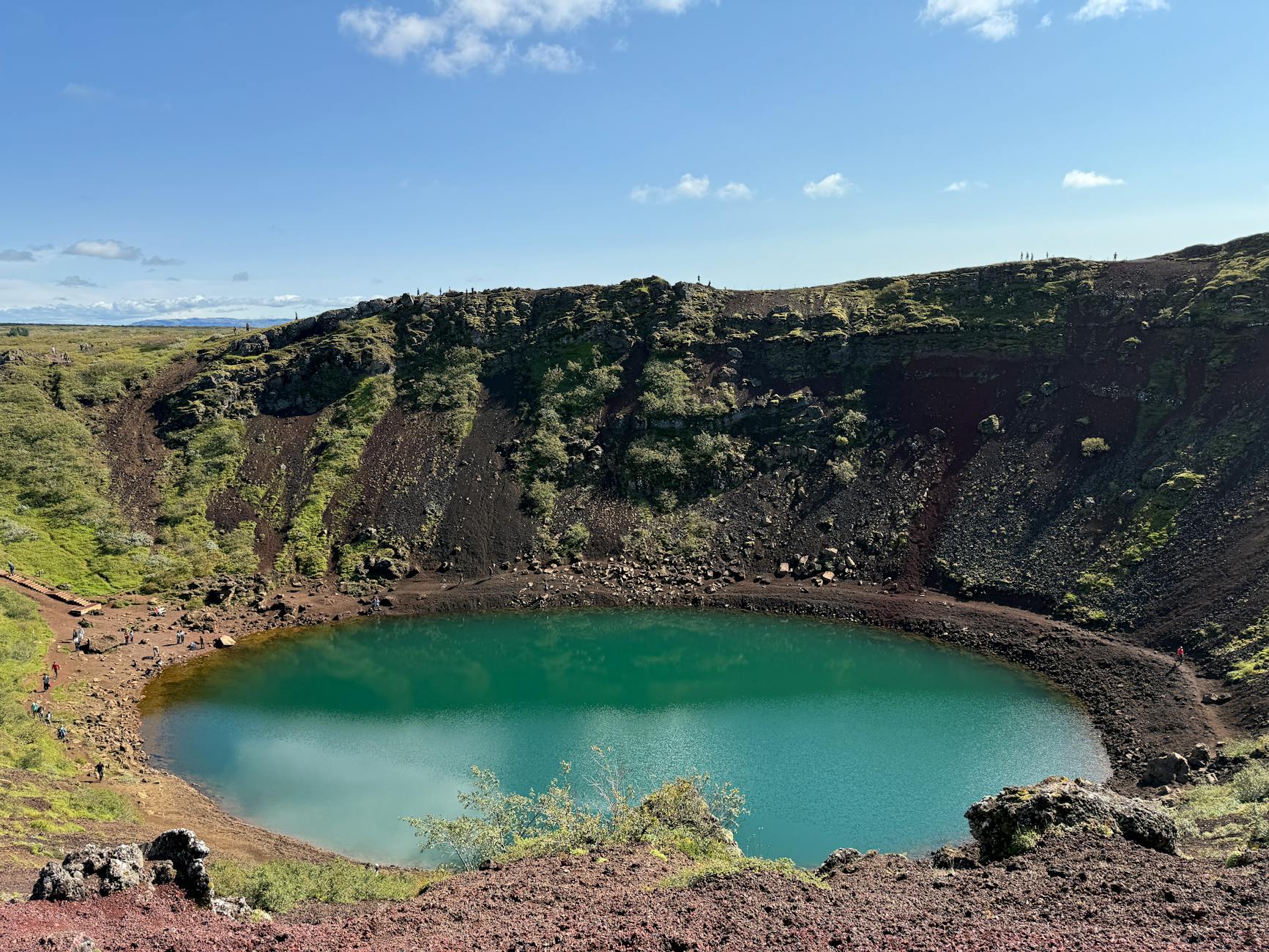
São Miguel’s Sete Cidades crater offers a moderate hiking experience with dramatic views of twin lakes – one blue, one green. This trail has become popular with wellness groups combining physical activity with mindfulness practices, as the scenic environment naturally encourages present-moment awareness.
Whale watching activities provide another wellness dimension. The Azores sit along major whale migration routes, allowing visitors to observe sperm whales, blue whales, and dolphins in their natural habitat. These encounters often prove transformative for wellness retreat participants, offering perspective and connection with nature that supports mental health goals.
Surfing instruction has grown popular among wellness tourists seeking active recovery and stress relief. The islands’ consistent waves and uncrowded breaks provide ideal conditions for beginners, while the focus required for surfing naturally promotes mindfulness and present-moment awareness.
Similar to how Norway’s Lofoten Islands Launch Winter Aurora Photography Workshops combine natural beauty with skill development, the Azores blend adventure activities with wellness principles to create comprehensive retreat experiences.
Sustainable Tourism Practices Attract Conscious Travelers
The Azores government actively promotes sustainable tourism development, recognizing that preserving natural environments directly supports the islands’ wellness tourism appeal. Recent initiatives include limiting visitor numbers to sensitive thermal areas, implementing waste reduction programs, and requiring new tourism facilities to meet strict environmental standards.
Local wellness retreat operators embrace these sustainability principles. Many facilities generate power using geothermal energy, source food from local organic farms, and employ water conservation techniques that protect the islands’ limited freshwater resources.
Transportation within the islands increasingly focuses on low-impact options. Electric vehicle rentals have become standard at wellness resorts, while guided hiking and cycling tours provide eco-friendly ways to explore natural attractions. These options align with wellness travelers’ values while reducing environmental impact.
Community involvement distinguishes Azorean wellness tourism from commercial spa destinations. Local residents participate in retreat programming through cultural workshops, traditional craft demonstrations, and storytelling sessions that share Azorean history and customs. This community integration creates authentic experiences while ensuring tourism benefits local populations.
The Azores’ emergence as a wellness destination reflects broader travel trends toward authentic, sustainable experiences that prioritize both personal health and environmental responsibility. As European travelers increasingly seek alternatives to crowded, commercialized destinations, the islands’ combination of natural therapeutic resources, healthy local culture, and commitment to sustainability positions them for continued growth.
Direct flights from major European cities continue expanding, making the Azores more accessible while maintaining their remote charm. Industry analysts predict wellness tourism to the Azores will grow significantly over the next decade, driven by travelers seeking genuine healing experiences in pristine natural environments.
The islands’ success in balancing tourism growth with environmental protection offers a model for other destinations developing wellness tourism. By prioritizing authentic experiences over manufactured amenities, the Azores demonstrate that effective wellness destinations emerge from genuine cultural and natural assets rather than artificial spa constructions.
Frequently Asked Questions
What makes the Azores different from other European wellness destinations?
The Azores offer natural volcanic hot springs, authentic local culture, and sustainable practices unlike manufactured spa resorts elsewhere in Europe.
When is the best time to visit the Azores for wellness activities?
The Azores have mild weather year-round, making them suitable for wellness activities in any season, though spring through fall offers the most outdoor options.