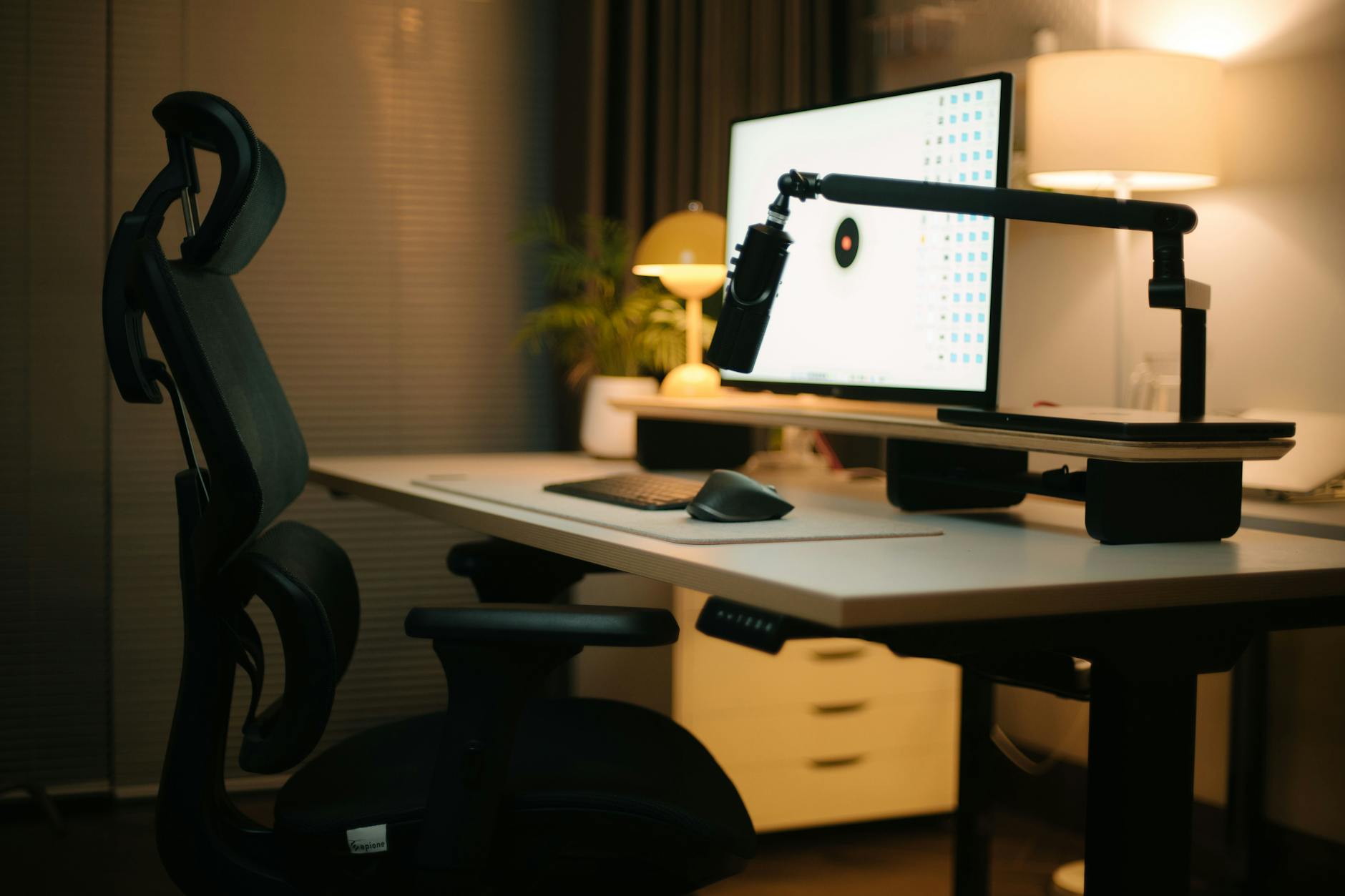

The pandemic transformed spare bedrooms into makeshift offices, but three years later, remote workers are discovering that a folding table and dining chair aren’t cutting it anymore. Professional home office designers, once a luxury reserved for C-suite executives, are now seeing unprecedented demand from mid-level managers, freelancers, and even entry-level remote employees willing to invest thousands in their workspace.
Sarah Chen, a marketing manager in Austin, spent $8,000 last month hiring interior designer Marcus Rodriguez to transform her cramped guest room. “I was getting headaches, my back hurt constantly, and I couldn’t focus,” Chen explains. “My productivity was tanking, and I realized my makeshift setup was costing me more than a professional redesign.”
This shift represents more than just aesthetic upgrades. Companies like WeWork and Regus report that traditional coworking memberships have plateaued, while home office design consultancies are booming. The message is clear: remote workers are investing in permanent solutions rather than temporary fixes.
The Psychology of Professional Workspace Design
Environmental psychology research consistently shows that physical surroundings directly impact cognitive performance, creativity, and stress levels. Home office designers understand these principles in ways that most remote workers don’t, creating spaces that enhance rather than hinder productivity.
Professional designers focus on three critical elements: lighting optimization, ergonomic furniture placement, and psychological boundaries between work and personal space. Maria Santos, a certified workspace designer in Seattle, explains that most people underestimate the importance of proper task lighting. “Natural light is ideal, but most home offices rely on overhead lighting that creates shadows and eye strain,” she notes.
Color psychology plays a surprising role in workspace effectiveness. Blue tones reportedly enhance focus and analytical thinking, while green elements reduce eye fatigue during long screen sessions. Professional designers incorporate these elements subtly, avoiding the sterile feel of traditional corporate offices while maintaining psychological benefits.
Sound management is another expertise area. Designers strategically place sound-absorbing materials, position desks away from household noise sources, and create acoustic boundaries that help remote workers maintain concentration during video calls and deep work sessions.
The investment in professional design often pays dividends in productivity gains. Remote workers report increased focus, reduced fatigue, and improved work-life boundaries after professional office redesigns, suggesting that the upfront cost translates to long-term career benefits.
Technology Integration and Future-Proofing
Modern home office design extends far beyond furniture selection. Professional designers now specialize in technology integration, creating spaces that accommodate multiple monitors, sophisticated lighting systems, and high-quality audio equipment without creating cable chaos or overwhelming small spaces.
Smart home integration has become a standard request. Designers install programmable lighting systems that automatically adjust color temperature throughout the day, mimicking natural circadian rhythms. Voice-controlled assistants manage calendar notifications, while automated climate control maintains optimal temperature and humidity levels for extended work sessions.
Cable management represents a significant challenge in home offices. Professional designers create hidden pathways for power, ethernet, and USB connections, maintaining clean aesthetics while ensuring easy access for equipment changes. This attention to detail prevents the cluttered appearance that can subconsciously increase stress levels.
Future-proofing considerations have become increasingly important as remote work technology evolves rapidly. Designers now plan for potential equipment upgrades, virtual reality integration, and evolving video conferencing requirements. This forward-thinking approach protects the client’s investment as workplace technology continues advancing.
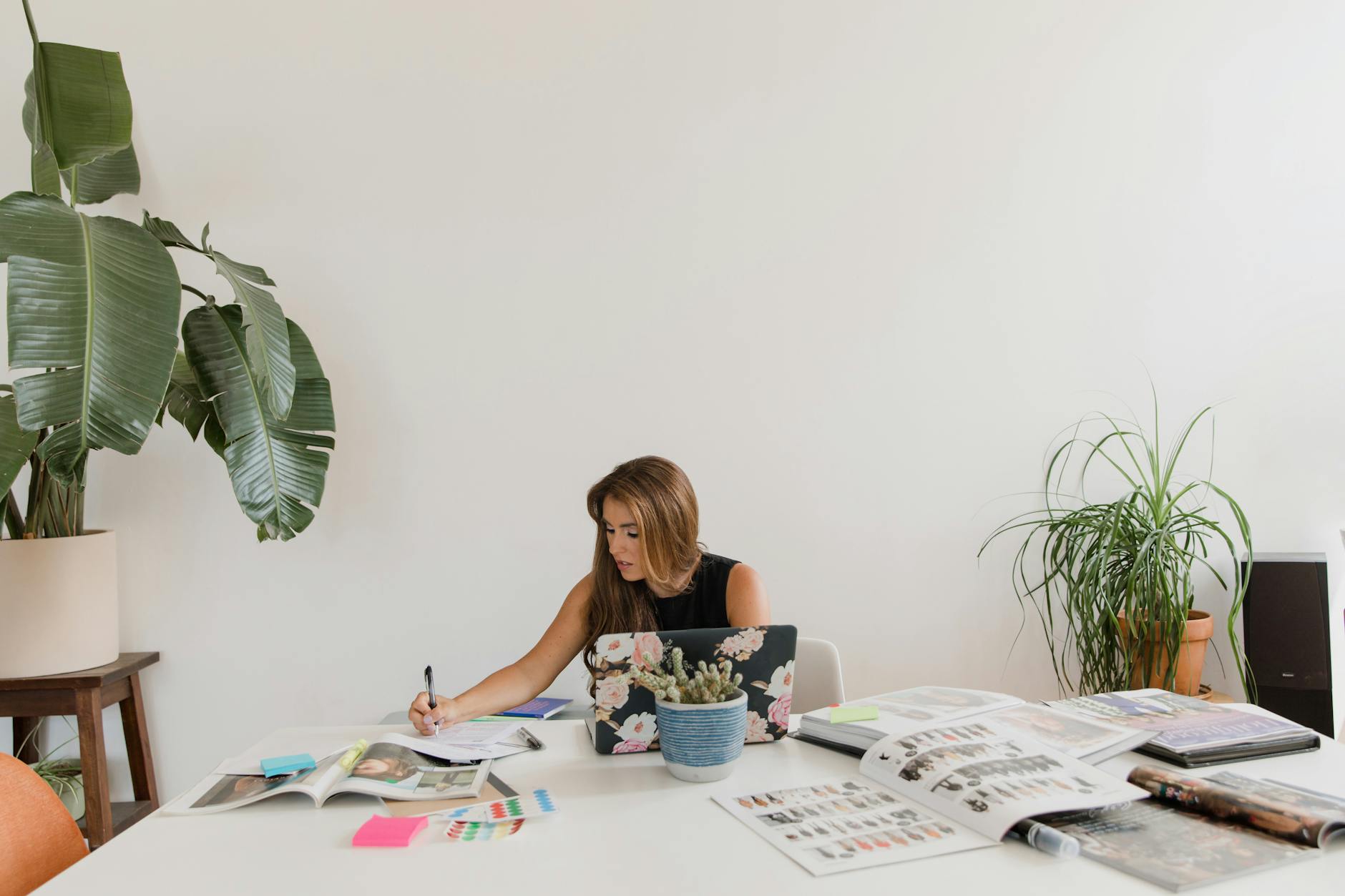
The ROI of Professional Home Office Design
While hiring a professional designer requires significant upfront investment, remote workers are discovering measurable returns through increased productivity, reduced health issues, and enhanced career opportunities. The calculation goes beyond simple comfort improvements to encompass professional advancement and long-term earning potential.
Ergonomic improvements alone can justify the expense. Poor workspace design contributes to back pain, carpal tunnel syndrome, and eye strain that can lead to costly medical treatments and reduced productivity. Professional designers ensure proper monitor positioning, keyboard angles, and seating alignment that prevent these common remote work injuries.
Video conferencing quality has career implications that many remote workers overlook. Professional designers create backgrounds that project competence and attention to detail during important calls. Proper lighting eliminates unflattering shadows, while strategic camera positioning ensures professional appearance during presentations and client meetings.
The psychological benefits of a well-designed workspace can influence career trajectory in subtle but significant ways. Remote workers with professional setups report increased confidence during video calls, improved focus during challenging projects, and better work-life boundaries that prevent burnout. These factors collectively contribute to career advancement opportunities that can far exceed the initial design investment.
Property value considerations add another dimension to the ROI calculation. Well-designed home offices increase property values, particularly in markets where remote work has become permanent. Professional designers understand local real estate trends and create spaces that appeal to future buyers who expect functional home offices.
Similar to how Fortune 500 CEOs are hiring professional morning routine coaches to optimize their daily performance, remote workers are recognizing that professional expertise can transform their work environment and, by extension, their career prospects.
Choosing the Right Design Professional
The growing demand for home office designers has created a diverse market of professionals with varying specializations and price points. Understanding the different types of design services helps remote workers make informed decisions about their investment.
Interior designers with commercial office experience bring valuable expertise in ergonomics, lighting, and space planning. They understand building codes, electrical requirements, and structural considerations that affect major renovations. However, their services typically command premium pricing and may include elements unnecessary for simple home office projects.
Workspace consultants represent a middle-ground option, focusing specifically on productivity and ergonomics rather than comprehensive interior design. These professionals often have backgrounds in corporate workplace design or occupational health, making them particularly valuable for addressing specific productivity challenges or health concerns.
Virtual design services have emerged as cost-effective alternatives for remote workers with limited budgets. These services provide detailed plans, furniture recommendations, and layout guidance without on-site consultation fees. While less personalized than in-person services, virtual design can deliver significant improvements at accessible price points.
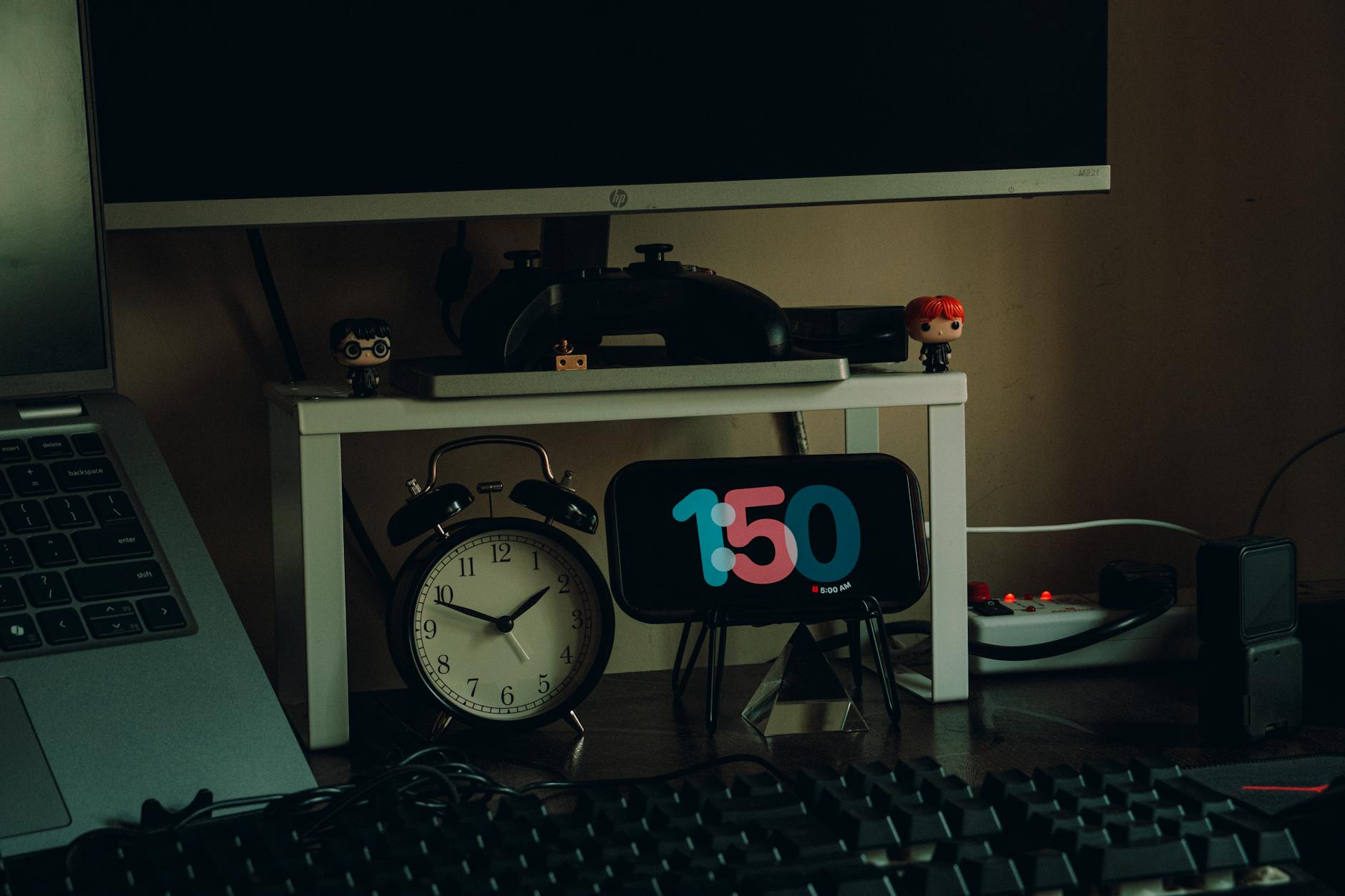
The home office design trend reflects a broader shift in how society views remote work. What began as a temporary pandemic response has evolved into a permanent lifestyle change requiring professional-level solutions. As remote work becomes increasingly competitive, the quality of one’s workspace may well determine career success in ways that traditional office workers never had to consider.
The investment in professional home office design represents more than aesthetic improvement-it’s a strategic career move that acknowledges the permanent nature of remote work and the competitive advantages that come with optimized environments.
Frequently Asked Questions
How much does a professional home office designer cost?
Costs range from $2,000-$10,000 depending on scope, with virtual consultations starting around $500 and full redesigns reaching $15,000+.
What’s the ROI of hiring a home office designer?
Benefits include increased productivity, reduced health issues, better video call appearance, and potential property value increases.