

Professional decluttering services are experiencing unprecedented demand from Silicon Valley’s top executives, with some companies reporting 400% growth in high-end clientele over the past two years. What started as a wellness trend has evolved into a strategic business decision, as tech leaders discover that physical organization directly impacts mental clarity and decision-making capacity.
The surge isn’t just about having too much stuff. These executives are dealing with complex homes filled with the latest gadgets, multiple workspaces, children’s tech equipment, and the accumulated possessions that come with high-income lifestyles. Professional organizers who specialize in executive homes report that their clients are seeking more than tidiness-they want systems that support their demanding schedules and high-pressure roles.
The Psychology Behind Executive Decluttering
Mental load reduction drives most executive decluttering decisions. Research from UCLA’s Center for Everyday Lives shows that people living in cluttered environments have elevated cortisol levels throughout the day. For executives already managing high-stress roles, eliminating environmental stressors becomes a competitive advantage.
Professional organizer Marie Johnson, who works exclusively with tech executives in Palo Alto and Los Gatos, explains that her clients often describe feeling “mentally fragmented” when surrounded by disorder. “They can make million-dollar decisions at work, but coming home to stacks of papers and overflowing closets creates a different kind of cognitive burden,” she notes.
The digital paradox plays a significant role. While these leaders have streamlined their digital workflows with sophisticated systems and AI tools, their physical spaces often reflect the opposite. Multiple device charging stations, outdated electronics, and paper documents create visual chaos that contrasts sharply with their organized digital lives.
Executive coaching programs increasingly recommend physical decluttering as part of leadership development. The theory connects environmental control with mental discipline-executives who maintain organized spaces demonstrate the same systematic thinking they apply to business challenges.
What Professional Decluttering Services Actually Do
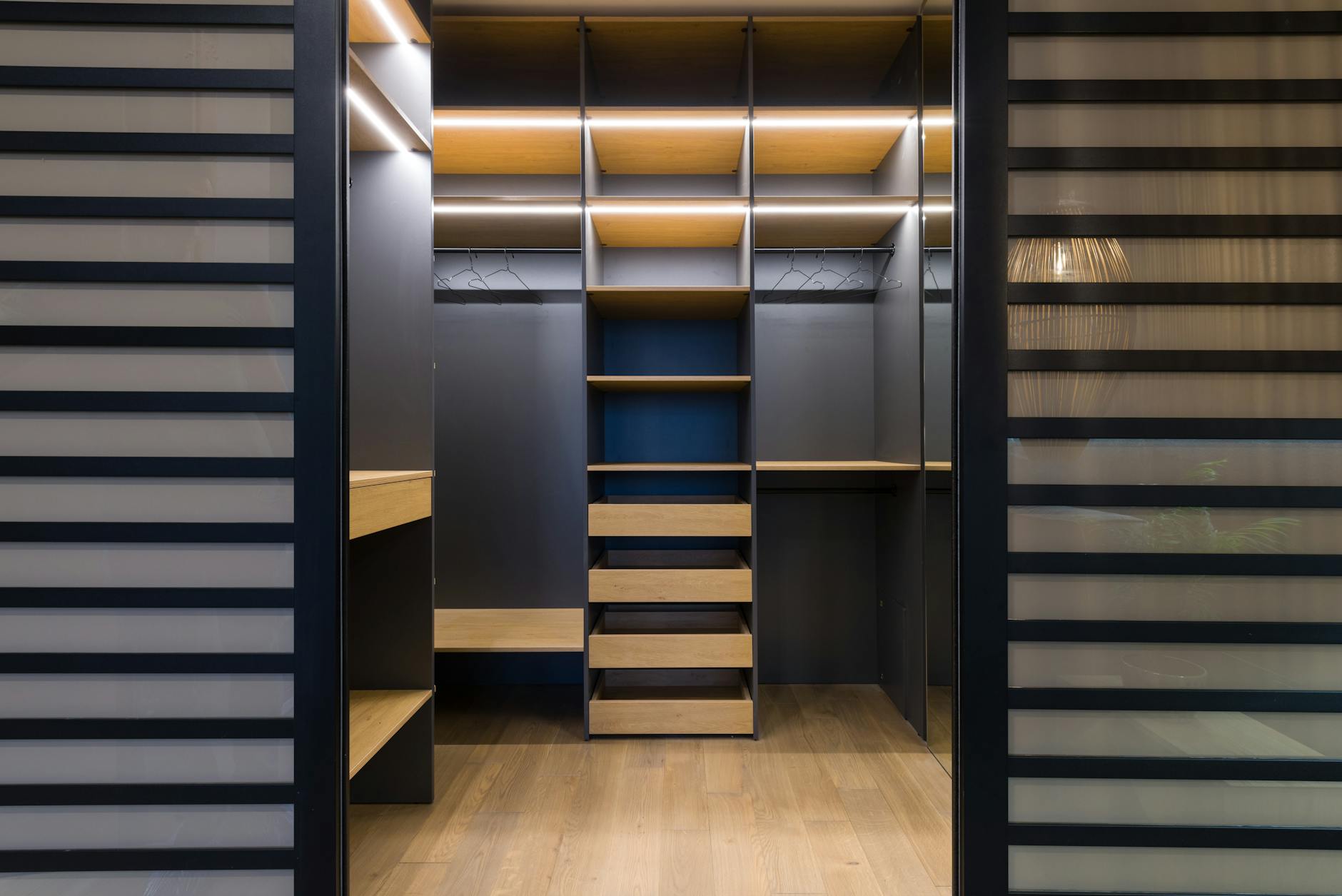
High-end decluttering services for executives go far beyond basic organization. These specialists create comprehensive systems designed around demanding schedules and complex household needs. Services typically include wardrobe curation, home office optimization, digital file coordination, and maintenance systems that work with busy lifestyles.
Technology integration forms a crucial component. Professional organizers now work with smart home systems, digital inventory management, and automated organization tools. Some create detailed catalogs of possessions using inventory apps, making it easier for executives to locate items without spending mental energy on searches.
The process usually begins with a comprehensive audit lasting several days. Organizers assess not just physical items but also daily routines, family dynamics, and work requirements. They then create customized systems that align with each executive’s specific needs and preferences.
Many services include staff training components. High-end households often employ housekeepers, personal assistants, or family managers who need to understand and maintain the organizational systems. Professional organizers provide training sessions ensuring that systems remain functional long-term.
Seasonal maintenance has become a standard offering. Rather than one-time cleanouts, these services provide quarterly or bi-annual tune-ups, adapting systems as needs change and preventing accumulation of clutter over time.
The Business Case for Organization
Time economics justify the investment for most executives. Professional organizers calculate that disorganization costs high-earning professionals approximately 12 minutes daily in search time, decision fatigue, and stress recovery. Over a year, this represents significant lost productivity and mental bandwidth.
Decision fatigue reduction provides another quantifiable benefit. Research from Columbia Business School demonstrates that people make progressively worse decisions as they encounter more choices throughout the day. By eliminating unnecessary decisions about possessions, organization, and daily logistics, executives preserve mental energy for critical business choices.
Some executives report improved sleep quality and morning routines after professional decluttering. Organized bedroom and closet spaces eliminate morning decision-making and create calmer environments that support better rest. For leaders managing global teams across time zones, quality sleep becomes essential for sustained performance.
The trend aligns with broader executive wellness movements. Just as business leaders are scheduling daily solitude sessions for productivity, they’re recognizing that physical environment directly impacts mental performance.
Investment in professional organization often correlates with other lifestyle optimization trends. Many executives who hire decluttering services also invest in meal planning, personal training, and executive coaching-viewing all as business investments rather than luxury services.
Implementation Challenges and Solutions
Family coordination presents the biggest implementation challenge. Executive households often include spouses with different organization preferences, children accustomed to certain systems, and multiple caregivers or staff members. Professional organizers now spend significant time on family meetings and system education to ensure household-wide adoption.
Maintenance proves more difficult than initial organization. Many executives excel at creating systems but struggle with ongoing maintenance due to travel schedules and demanding work requirements. Successful services build maintenance into their programs rather than treating it as a separate concern.

Technology integration challenges emerge when smart home systems don’t align with organization principles. Some executives invest heavily in home automation that actually creates more complexity. Professional organizers increasingly need technical knowledge to optimize rather than complicate existing systems.
The psychological adjustment takes longer than physical organization. Executives accustomed to accumulating possessions as success symbols sometimes struggle with decluttered spaces initially. Professional organizers report that clients need several months to fully appreciate the mental benefits of simplified environments.
Cost justification becomes complex when executives try to quantify returns on organization investments. While productivity benefits are real, they’re difficult to measure precisely. Most successful relationships between executives and professional organizers focus on quality of life improvements rather than strict ROI calculations.
The Future of Executive Organization
Professional decluttering services are evolving toward comprehensive lifestyle management. Companies are expanding beyond physical organization to include digital decluttering, travel organization, and wellness space creation. The trend reflects growing recognition that executive performance depends on holistic environmental optimization.
As remote and hybrid work arrangements become permanent for many executives, home organization becomes increasingly critical. Professional organizers report growing demand for multi-functional space design that supports both work and family needs without creating visual or mental chaos.
The integration of AI and smart home technology will likely reshape professional organization services. Future offerings may include automated inventory management, predictive decluttering recommendations, and AI-powered maintenance reminders that adapt to individual patterns and preferences.
This shift toward professional organization reflects a broader understanding among Silicon Valley leaders: systematic approaches that work in business also create value in personal environments. As competition for executive attention intensifies, the ability to minimize environmental distractions becomes a genuine competitive advantage.
Frequently Asked Questions
How much do professional decluttering services for executives cost?
High-end services typically range from $150-300 per hour, with comprehensive projects costing several thousand dollars including maintenance programs.
How long does professional decluttering take for executive homes?
Initial organization usually takes 3-5 days for comprehensive decluttering, followed by quarterly maintenance sessions lasting 4-8 hours.