
A layover of eight, ten, or fourteen hours changes the math on everything you carry. Two hours is a sprint to the gate. A full overnight inside a terminal is closer to a stay in a very bright, very loud hotel with no room key. For travelers who can’t leave, whether because of a transit-only visa, a separate-ticket connection, or a reluctance to gamble on immigration lines, the carry-on stops being luggage and becomes survival equipment.
The list is shorter than most people expect. The goal is not to bring more but to solve the three problems a long airport stay creates: you can’t sleep well, your devices run dry, and by hour six you feel distinctly less human. Everything worth packing answers one of those.
Pack for a Day Inside a Building
Terminals are climate-controlled for crowds in motion, not for people trying to rest. Temperatures often drift cooler overnight, lighting rarely dims all the way, and announcements and cleaning crews keep going at hours when you’d rather be unconscious. Packing for that environment means thinking like someone camping indoors: you need insulation, a way to block out stimulus, and a reliable base of operations.
That base should be one pouch or the top compartment of your bag, holding everything you’ll want during the wait. This matters more than it sounds, because digging through a full suitcase across three airport seats is how chargers get left behind. If your main bag is checked through to your final destination, you won’t see it until you land, so the carry-on has to hold the whole plan.
Comfort Gear That Earns Its Space
Sleep is the hardest problem, and it’s solved mostly by blocking things out.
An eye mask and earplugs are the cheapest upgrade you can make, weighing almost nothing and working better than any amount of willpower. Noise-canceling headphones do a similar job for sound and double as entertainment, but they need charge and can be uncomfortable to sleep in, so foam earplugs make a sensible backup. A neck pillow is a matter of taste: inflatable versions pack down small, while memory foam is more comfortable but eats bag space. The most versatile item may be a large scarf or lightweight wrap, which works as a blanket, a pillow, a shield against bright overhead lights, and a layer against aggressive air conditioning.
Clothing deserves the same thinking. Wear layers you can add or shed, and pack a spare pair of clean socks, which feel like a luxury at hour nine. Compression socks are worth considering if your long layover follows a long flight, since swollen feet and tight shoes make sitting miserable. Slip-on shoes make it easy to take them off while you rest and put them back on when you need to move.
Where you sleep matters as much as what you sleep with. Seating without fixed armrests lets you stretch out, and areas near gates for flights that have already departed tend to be quieter. Loop a bag strap around your arm or leg, and keep your passport and phone in a zipped inner pocket rather than a loose outer one. A small cable lock for your bag adds peace of mind for very little weight.

Power, Data, and Something to Do
Outlets are scarce, and the seats beside them fill early. A power bank solves the problem by making you independent of the wall, and lithium batteries generally need to travel in your carry-on rather than your checked bag anyway. Add a long charging cable, since a three-meter cord lets you sit on the floor by a pillar instead of hovering awkwardly beside the outlet. A compact multi-port charger helps if you’re carrying a phone, tablet, and headphones, and it makes you briefly popular with strangers who are also desperate for power.
Don’t count on airport Wi-Fi. It can be slow, time-limited, or crowded, which makes it a poor foundation for ten hours of entertainment. Download shows, podcasts, music, and maps before you leave home, and load a book or two. A paper paperback or a notebook is a smart analog backup when every screen is dim. If you have work to finish, a long layover is a rare stretch of uninterrupted hours, so queue that task up offline too.
Small Items for a Full Reset
Freshness is the difference between a layover you survive and one you merely endure. A toothbrush, small toothpaste, face wipes, deodorant, and lip balm fit in a pouch the size of a paperback. Dry cabin air and recycled terminal air tend to leave skin and lips parched, so a travel-size moisturizer is more useful than it looks. If you have room, pack a fresh shirt and underwear. Changing in a restroom stall after a long stretch of sitting can feel like a small reset button for your whole mood.
Bring an empty reusable water bottle and fill it after security, since buying bottled water at terminal prices adds up over a long wait. Pack shelf-stable snacks like nuts, bars, and dried fruit so you aren’t forced into whichever food counter happens to be open at 3 a.m. Some airports and lounges offer paid shower access or day passes, which can be worth the cost on a very long wait, so check what your airport offers before you fly rather than discovering it at midnight.

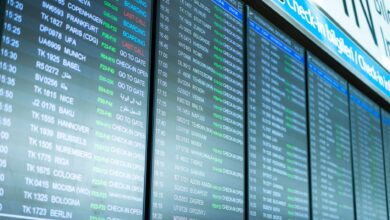
Finally, set two alarms on your phone: one for ninety minutes before departure, and one for the moment you plan to check the departures board for your gate. Gates change, often late, and the traveler who fell into a deep sleep across four seats is the one most likely to miss the update.