
Kyoto sells itself twice a year. Cherry blossoms in spring and maple leaves in autumn draw the biggest crowds, and every guidebook, social feed and hotel booking engine organizes itself around those two windows. The rest of the calendar gets treated as filler, something to endure if the dates don’t line up. That habit costs travelers money and, more importantly, the version of Kyoto they came to find.
Shoulder season is the stretch just before or after a destination’s peak demand, when the weather is still agreeable but the crowds have thinned. In Kyoto it isn’t one window but several, each with its own character. Plum blossoms in late winter, fresh green in late spring, early autumn before the leaves turn, and early December after the main foliage rush all qualify. The city is the same, but there is more room to stand still in it.
What Shoulder Season Actually Means in Kyoto
The most useful windows start with late February into early March, when plum trees bloom in shrine grounds and the air is cold but bright. Next comes mid-to-late April, after the cherry petals have fallen and before Golden Week begins. Then the second half of May, once the holiday travel has cleared out and the hills turn deep green. For autumn, early October and early December sit on either side of the November foliage peak.
Avoid Golden Week entirely. The same goes for the heart of the maple season in late November.
Weather is the quieter argument for these windows. Kyoto sits in a basin, which gives it a reputation for sticky, punishing summers and a damp cold in midwinter. The in-between months soften both extremes. Days suited to walking all afternoon, the activity Kyoto is built for, become the norm rather than the lucky exception. A light jacket and a folding umbrella will cover most of what you meet, and you won’t spend your afternoons hunting for air conditioning or a heated tea room.
The Cost Math Behind Going Early or Late
Hotel pricing follows demand, and Kyoto’s central neighborhoods have only so many rooms to fill. When cherry blossom and foliage weeks arrive, rates climb and availability narrows, especially at small inns and traditional ryokan with a handful of rooms. Step a few weeks outside those peaks and rates ease, while the same rooms become easier to book. Flights tend to follow the same curve, so the savings stack.
That freed-up budget is best spent on the things Kyoto does uniquely well. A night in a ryokan with a multi-course dinner, a private tea ceremony or a day trip to the surrounding countryside is far easier to justify when the base costs are lower. Flexibility improves too, because you can afford to book refundable rooms and adjust your plans if the weather turns.
Experiencing the City Instead of Queuing for It
Kyoto’s best-known sights, from the torii-lined paths of Fushimi Inari to the bamboo grove in Arashiyama, are built on atmosphere. Atmosphere needs space. In peak weeks, crowds can turn a contemplative walk into a shuffle, and photographs become studies in other people’s phones. In the shoulder months, an early start usually gets you long stretches of path with only a handful of fellow visitors, and the quiet changes how the place feels.
Food and festivals also shift with the calendar, and shoulder windows are often better for both. Late spring is the season for fresh green tea from the Uji area, which is easy to reach from the city. Early autumn brings chestnut and persimmon sweets to wagashi shops, and late winter has its own plum-themed treats. Restaurants are easier to get into, and the people serving you have time to explain what you’re eating. Those conversations are often the part of a trip you remember longest.
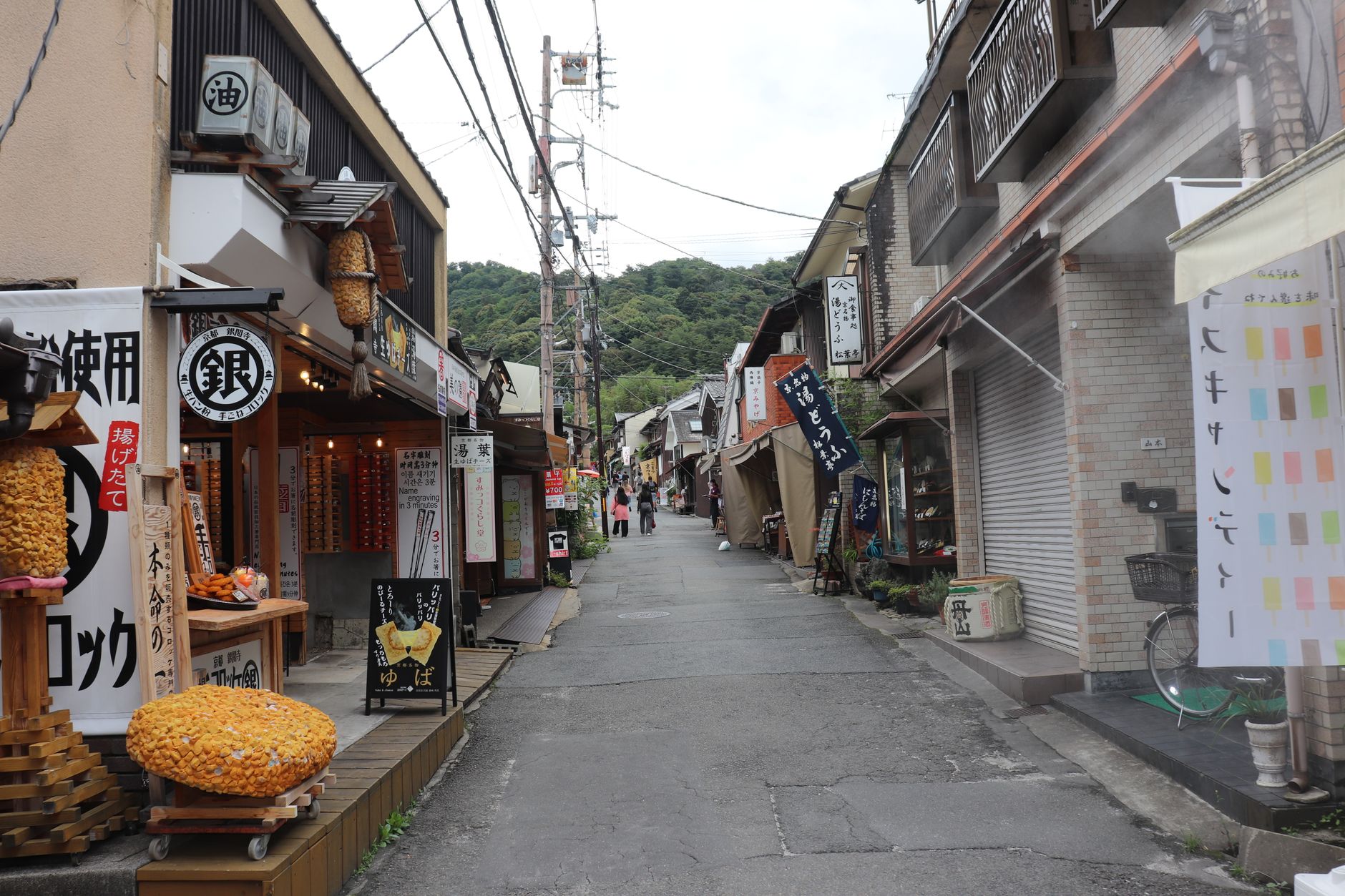
The trade-offs are real. Plum blossoms are subtler than cherry blossoms, and a visitor expecting a pink tunnel will be disappointed. Early October maples are still mostly green. In early December, many of the leaves have already dropped, and a rainy week can flatten the mood of a garden visit. Shoulder season rewards travelers who value texture over spectacle, and it asks for a little flexibility with the forecast.
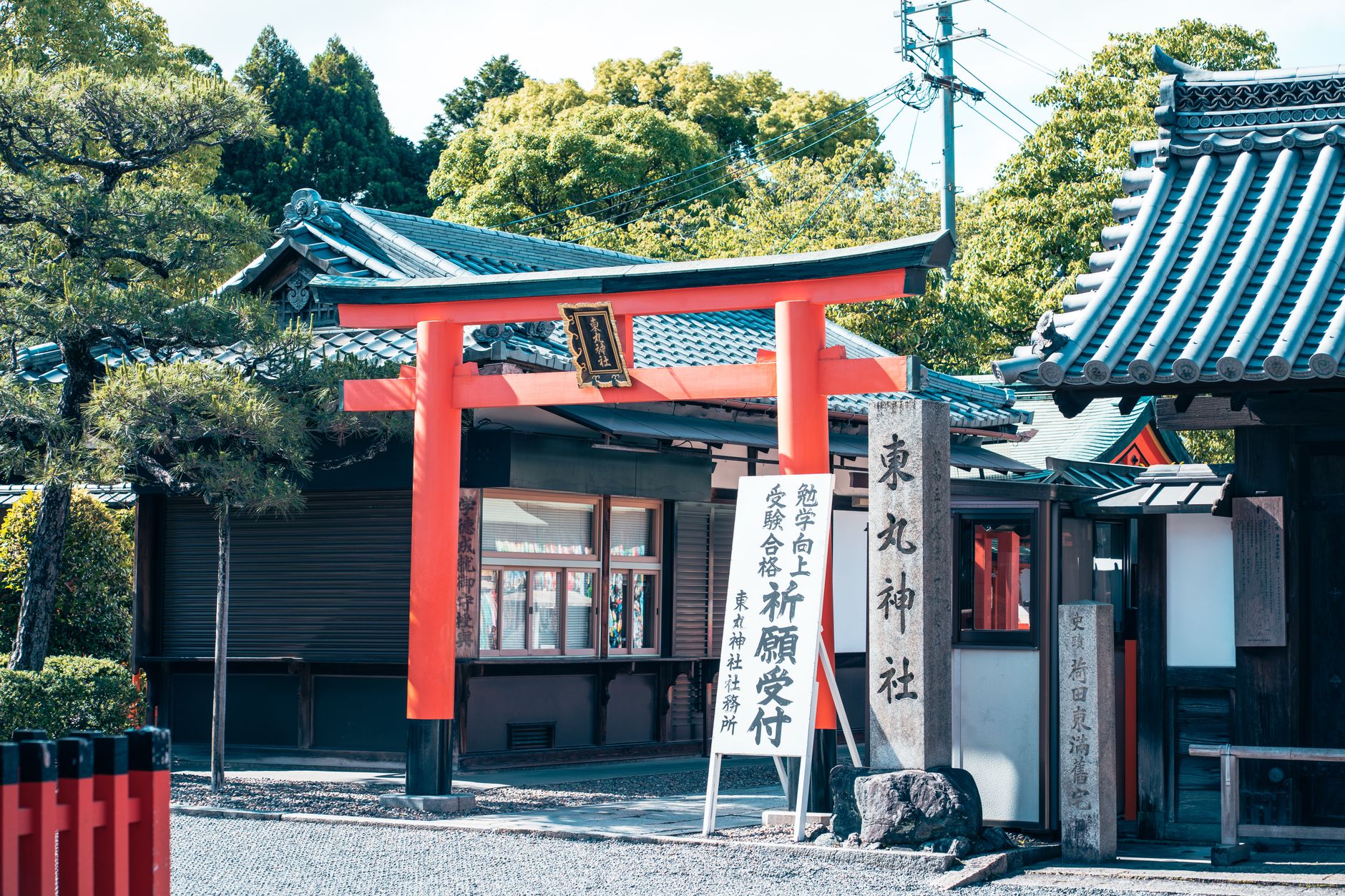
Pack slip-on shoes. Temple halls and tea houses ask you to remove your footwear constantly, and with room to linger, you’ll do it more often than you expect.
Frequently Asked Questions
When is shoulder season in Kyoto?
The main windows are late February to early March, mid-to-late April before Golden Week, the second half of May, early October and early December. Each sits just outside a major blossom or foliage peak.
Is Kyoto cheaper in shoulder season?
Generally yes. Hotels and flights respond to demand, so rates tend to ease once the cherry blossom and autumn foliage rushes pass, and rooms at smaller inns are easier to book.
What do you give up by avoiding peak season?
You may miss the full cherry blossom or maple display, and some shoulder weeks bring rain or leafless trees. In return you get quieter temples, easier reservations and more comfortable walking weather.