
Most travelers assume flights are the volatile ones, with prices that jump and sag depending on the day, the hour, and the mood of an algorithm. Fewer realize that European trains can punish late planners harder. The reason is the structure of the ticket itself. A budget airline builds its fare around a low base price plus a menu of extras, so the number you see tends to stay in a fairly narrow range. A high-speed rail fare is a ladder of fixed price tiers, and the lowest rungs are small.
The savings come from the ticket, not from any trick.
On many busy corridors in France, Italy, Spain, and Germany, operators release tickets months ahead and sell the cheapest seats first. Release dates vary by country and route, so the first job is to check when your specific journey opens for sale. The traveler who books on opening week and the traveler who books the night before are often buying the same seat on the same train at very different prices. That gap, more than any airline sale, is where the real money sits.
Why Rail Fares Punish Late Planners
Rail operators sell a limited number of seats at each price level. The earliest buyers get the lowest tier, and when that allotment is gone, the system moves up to the next one. On some routes, private or low-cost operators run alongside the national carrier, which pulls advance prices down for people who plan ahead. Waiting does not help, because those cheap seats are capped too. Flexible tickets sit at the top of the ladder, priced for business travelers who need to change plans at short notice. If you book on the day of travel, you often land on that rung by default. The system charges for flexibility and certainty, and it charges more the less time it has to fill the train.
Flights follow a similar bucket logic, but the experience is different in practice. Airfares move for reasons that are hard to read from the outside, including demand spikes, route competition, and seasonal swings, so buying early is partly a bet. Train pricing is more predictable because the ladder mostly runs in one direction. You rarely see a rail fare get cheaper as departure approaches, and the odds that waiting helps are low.
Not every train works this way. Regional and local services in many countries carry fixed prices, and buying at the station on the day costs the same as buying weeks ahead. Early booking pays off on high-speed and long-distance routes, night trains, and cross-border services such as the Channel Tunnel route. It matters for rail pass holders too, since many high-speed trains require a seat reservation and set aside a limited number of seats for pass holders. Those can run out well before the train is full.
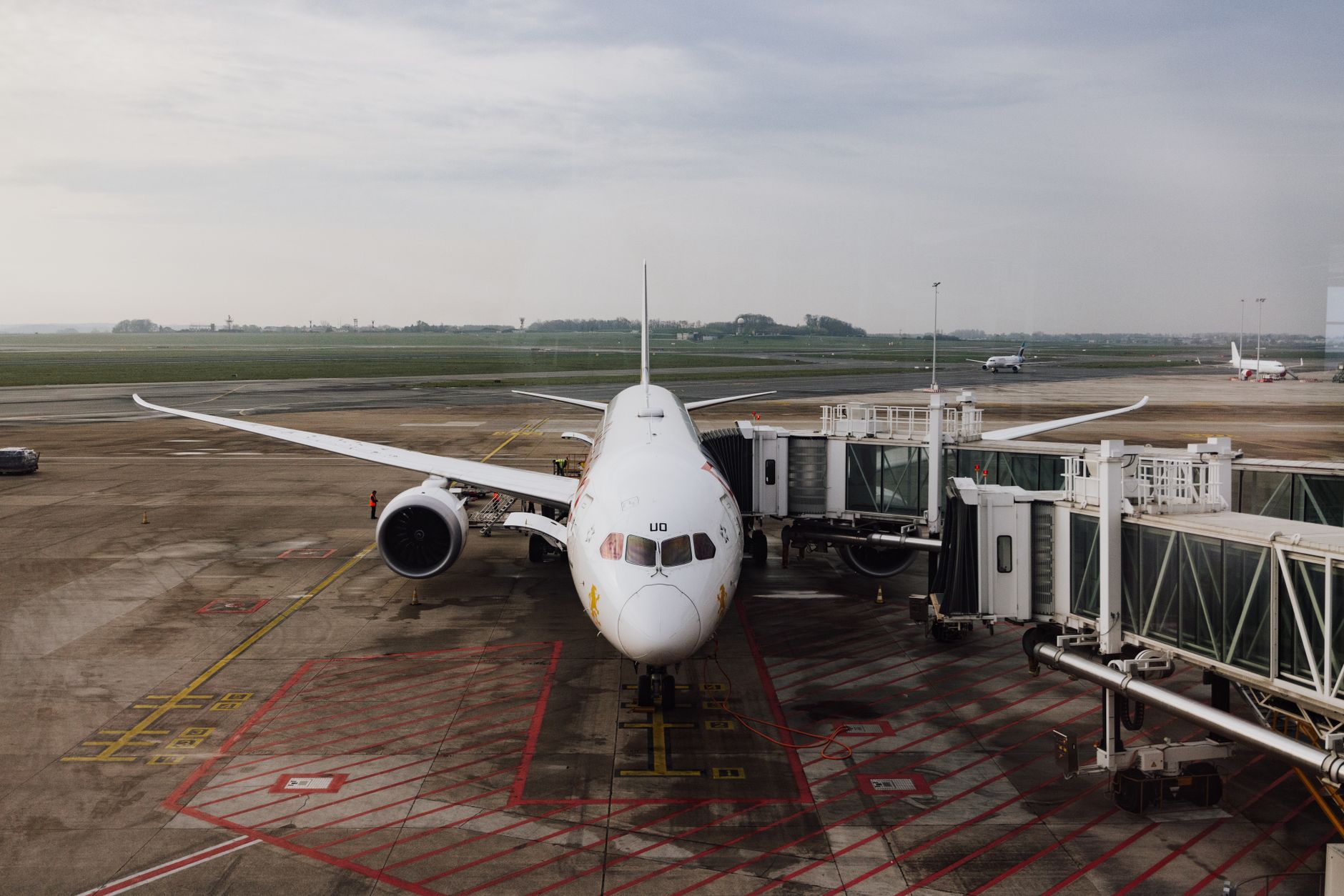
The Costs a Flight Ticket Doesn’t Show
A cheap flight fare is rarely the final price. Checked luggage, seat selection, and priority boarding are often charged separately on budget carriers, and the airport itself can sit a long way from the city, which adds a train or bus ride at each end. Stations, by contrast, are usually in the middle of town, and most long-distance trains do not charge for a normal suitcase. The price you pay for an advance rail ticket is much closer to the price you actually spend, which makes the comparison with a flight fairer than the headline fares suggest.
Time belongs in the math as well. Airport security, early arrival, and baggage reclaim eat hours that a train journey simply does not include, and a three-hour rail trip between two city centers can beat a one-hour flight door to door. Locking in a rail fare early also turns the rest of the trip into something you can build around. Hotels, museum slots, and dinner reservations settle into place once the transport is fixed, and there is less scrambling later.
The trade-off is flexibility. The cheapest tiers are often non-refundable or allow only limited changes, so they suit trips with firm dates and not loose, drifting itineraries. A sensible approach is to book the long, expensive legs early and leave short regional hops until you are there. Buying directly from the operator also avoids the booking fees that some third-party sites add. Setting a calendar reminder for the day tickets open costs nothing and can cost you a lot if you skip it.
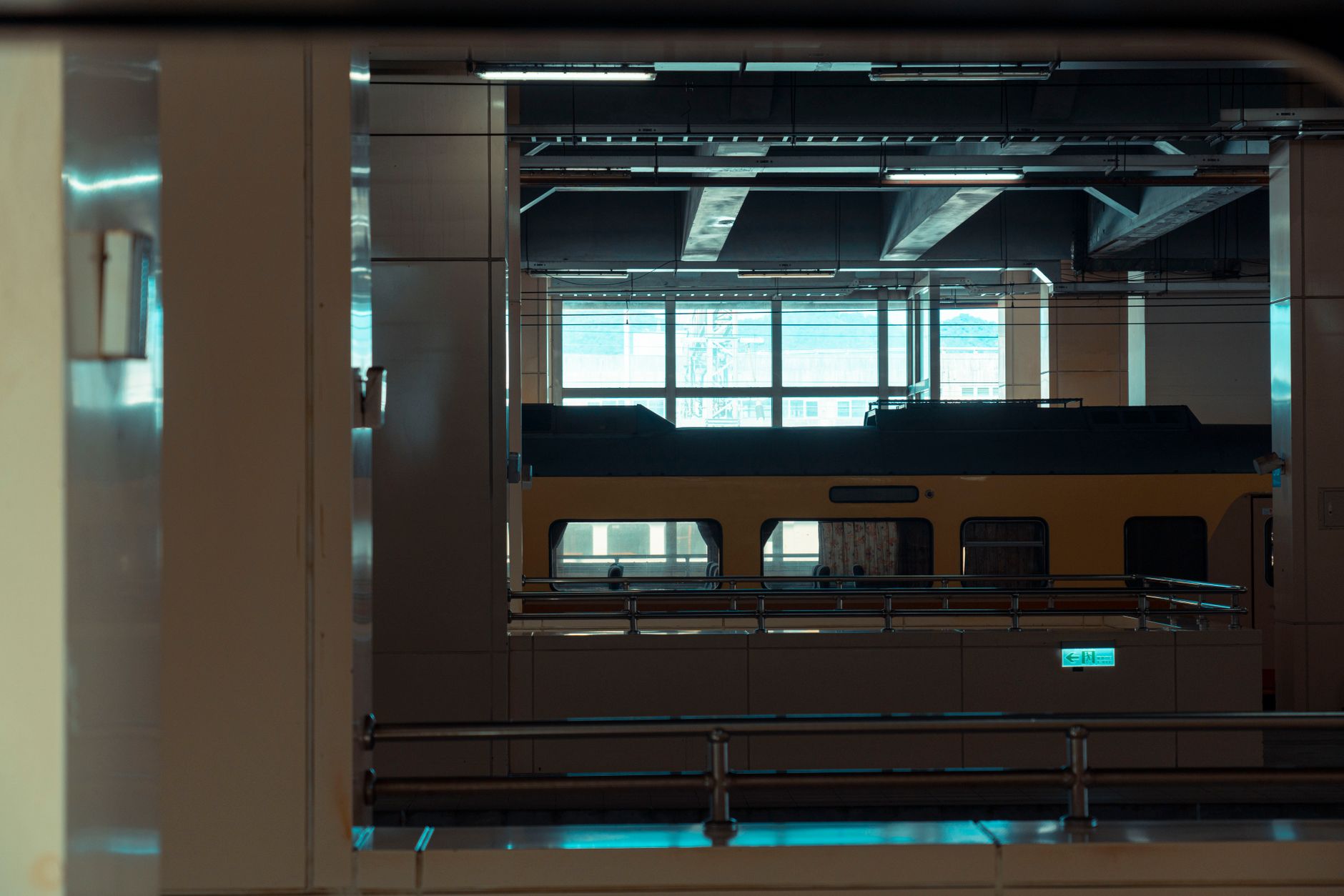
The cheapest seat on the morning train to Milan is the one somebody bought months ago, while you were still deciding where to have lunch.