
Africa’s Red Sea Secret
Djibouti has spent years collecting the attention of serious divers – its famous Whale Shark aggregations near Arta Beach, the otherworldly Lake Assal, and a small but functional dive tourism infrastructure have made it the default answer when travelers ask where to explore the Red Sea’s southern corridor. Eritrea, sitting just north across the Gulf of Tadjoura, rarely enters that conversation. The Dahlak Archipelago, a scatter of more than 200 islands off the coast near Massawa, holds some of the most intact coral systems in the entire Red Sea – and receives a fraction of the visitors that Djibouti draws in a slow month.
That obscurity is not accidental. Eritrea’s complex political history, strict visa requirements, and limited tourist infrastructure have kept the archipelago off the radar of most coral wanderers. But those same barriers have also protected the reefs. The Dahlak’s underwater terrain – shallow lagoons fringed with table corals, steep walls dropping into the channel, and seagrass beds dense with sea turtles – exists in a condition that more visited destinations can no longer claim. The question for adventure travelers is whether the access challenges are worth navigating, and increasingly, the answer from those who have made it there is an emphatic yes.
What the Reefs Actually Look Like
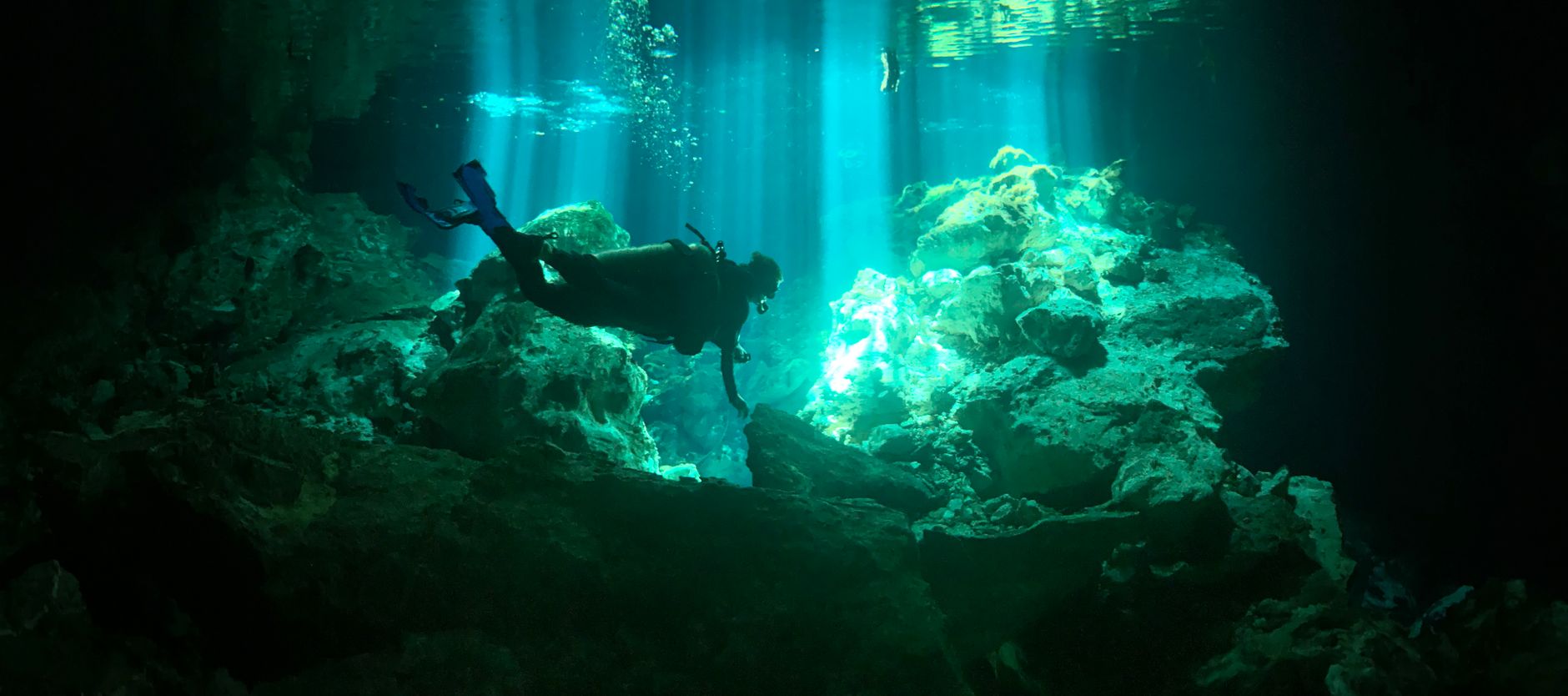
The Dahlak Archipelago sits atop a wide continental shelf, which creates an unusual mix of dive environments within short distances of each other. Shallow-water sites rarely exceed 15 meters before transitioning into broad sandy flats, while the outer islands drop into channels that plunge past 40 meters with strong currents pushing pelagic life through. That variety means a single liveaboard circuit can cover macro photography in protected lagoons one morning and drift diving past schools of barracuda and hammerheads the next.
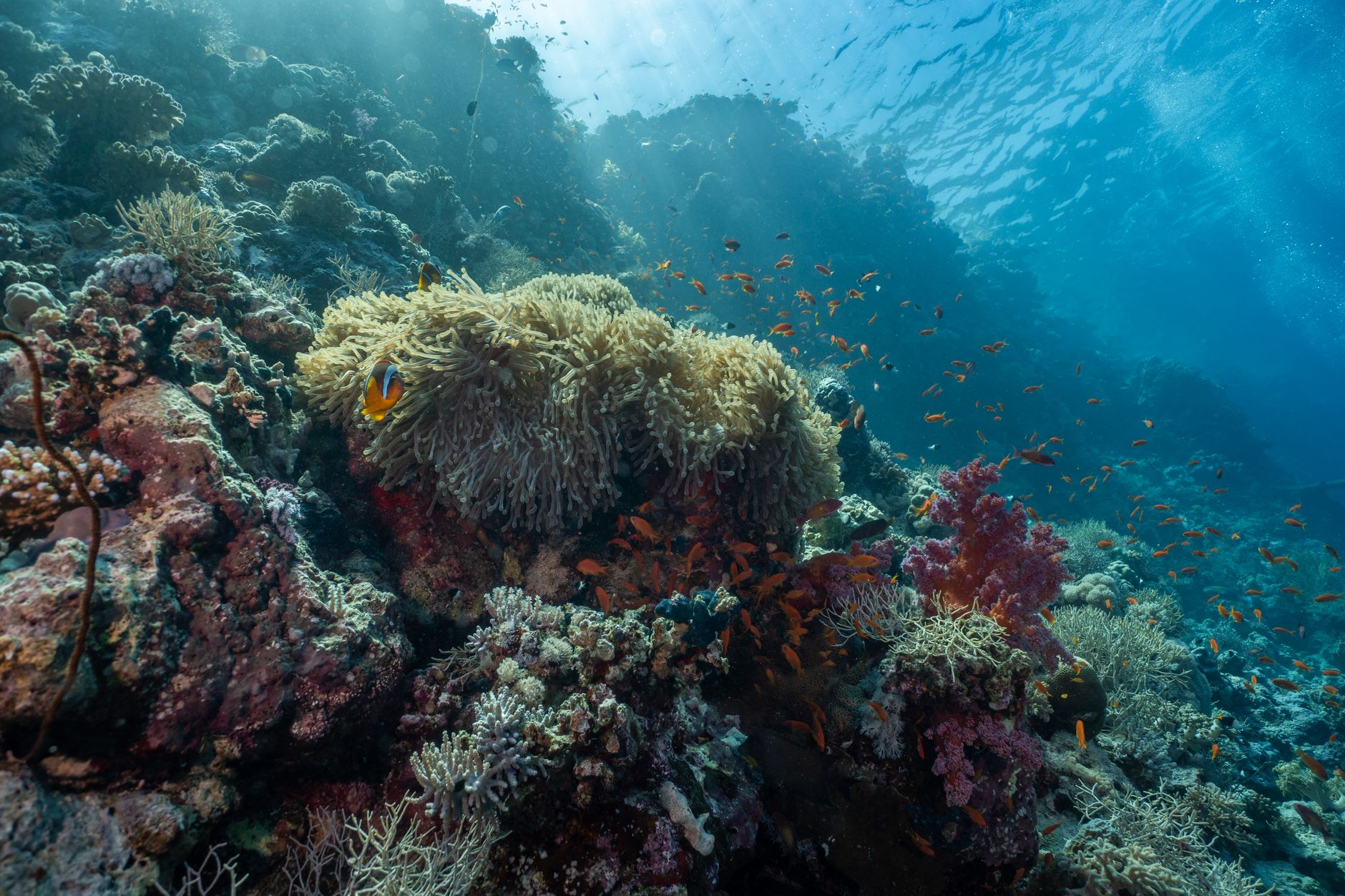
Coral coverage here remains genuinely high by Red Sea standards. Staghorn and elkhorn formations that have been bleached and broken in heavily trafficked sites elsewhere still stand intact across large sections of the Dahlak’s inner islands. Fire coral gardens, gorgonian fans, and fields of brain coral compete for the same ridgelines, and the fish populations reflect a system that hasn’t been pressured by sustained recreational diving or commercial fishing at scale. Nudibranchs, pipefish, and the occasional dugong in the seagrass zones round out the biodiversity picture.
Getting There: The Logistics Are Real
Reaching the Dahlak requires accepting that Eritrea runs on its own timeline. All visitors need a tourist visa obtained in advance through an Eritrean embassy, and the government restricts independent travel – visitors typically must work with a licensed tour operator who coordinates permits for the archipelago itself, which sits within a designated marine protected area. Massawa, the coastal city that serves as the jumping-off point, is roughly 100 kilometers from Asmara, the capital, and the road connecting them is one of the more dramatic in East Africa, descending from highland plateau to sea-level port through a series of switchbacks with views that make the journey worthwhile on its own.
Liveaboard vessels operate in the archipelago, though the fleet is small and booking windows fill early for the peak season between October and April. Those months bring calmer seas and better visibility, with underwater sightlines regularly reaching 20 to 30 meters in the outer island zones. Surface temperatures hover in the high 20s Celsius during this period, making a 3mm wetsuit sufficient for most divers. The Red Sea’s notorious winds – the shamal from the north, the khamsin from the south – are less aggressive in the Dahlak’s sheltered inner channels, which allows diving on days when open-water conditions elsewhere would be marginal.
Dahlak Against Djibouti: An Honest Comparison
Djibouti’s dive infrastructure is simply more developed. Bay of Ghoubbet operators run structured courses, equipment rental is reliable, and the whale shark season near the Bab-el-Mandeb strait draws experienced divers from Europe and the Gulf with enough regularity that the experience has been refined and packaged. For a first-time Red Sea diver or someone who wants logistical certainty, Djibouti is the lower-risk choice. The country has also invested in English-language dive guiding and medical facilities in Djibouti City that offer some reassurance if something goes wrong underwater.
What Djibouti cannot offer is the feeling of diving reefs that most of the world has never touched. The Dahlak’s outer islands sit in waters where the only other boats are occasional local fishing dhows, and the coral structures have not developed the worn, photo-harvested quality that high-traffic dive sites accumulate over years of recreational use. Divers who have worked through the Caribbean, the Maldives, and the Coral Triangle often describe the Dahlak in terms of what used to exist in those places – a time-capsule quality that is genuinely rare now.
For travelers who have already explored Mozambique’s Quirimbas Archipelago, the Dahlak offers a similar logic: a remote island chain where low visitation has preserved both marine ecosystems and a sense of expedition that more famous destinations have largely lost. The parallels in access difficulty, liveaboard-dependent logistics, and reward-to-effort ratio are striking, and travelers who have done one tend to find the other irresistible.
The honest caveat is political. Eritrea’s relationship with its neighbors and with Western governments fluctuates, and travel advisories should be checked close to any planned departure. The country’s internal restrictions mean that solo improvisation is not an option – if a dive operator cancels, there is no easy pivot to another provider the way there might be in a destination with a larger tourism economy. Travelers comfortable with that uncertainty, and willing to book through operators with direct government relationships, will find that the Dahlak rewards the extra planning with something that the Red Sea’s more famous names – Hurghada, Sharm el-Sheikh, even Aqaba – stopped offering a long time ago.