Portugal’s Alentejo Coast Is Quietly Pulling Visitors Away from the Algarve

The Algarve built its name on sunshine and certainty. A couple of hours north, the Alentejo coast is offering what the Algarve’s busiest stretches no longer can: room to breathe.
A Coastline That Never Got the Memo
Drive the Algarve’s central strip in July and the logic of mass tourism is obvious. Hotel towers face golf resorts, beach clubs sell loungers by the row, and the sand is divided into rented rectangles. It works, and millions of people enjoy it. It also leaves a certain kind of traveler quietly looking at a map for somewhere else.
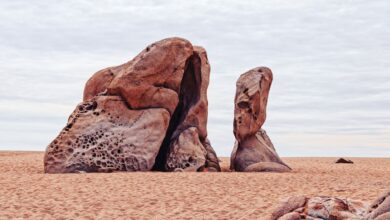
That somewhere is increasingly the Alentejo coast, the long Atlantic edge of southwestern Portugal that runs from the Tróia peninsula down through Comporta, Melides, Porto Covo, Vila Nova de Milfontes, and Zambujeira do Mar to the cliffs near Odeceixe. Much of it sits inside the Southwest Alentejo and Vicentine Coast Natural Park, which is the main reason it looks the way it does. Protected status has kept high-rise development out and left a landscape of rust-colored cliffs, pine forest, dunes, and small whitewashed villages.
The geography explains the difference in mood. The Algarve’s south-facing beaches are sheltered, warm, and easy, with calm water that suits families and long lazy afternoons. The Alentejo faces the open Atlantic head-on. The surf is stronger, the water is bracing, and the wind can turn a beach morning into a wool-sweater afternoon. Visitors who want swimming-pool conditions will find the Algarve more forgiving, but those who want a coast with weather and character tend to prefer the north.
There is also the matter of how the land meets the sea. Instead of a continuous ribbon of resort frontage, the Alentejo offers cork oak country, rice paddies, and farmland running almost to the cliff edge. A village here might consist of a church, a square, three cafes, and a path down to a cove that has no lifeguard tower and no umbrella rental.
What the Trip Actually Feels Like
The clearest way to understand the appeal is on foot. The Fishermen’s Trail, part of the Rota Vicentina network of marked walking routes, follows the coastline for roughly 120 kilometers, mostly along cliff tops and sand tracks. Walkers pass through stretches where the only other movement is a fishing line far below or a bird working the updraft. Many people tackle a single day’s section rather than the whole route, and the logistics are friendly enough that a half-day walk between two villages is a realistic plan.
Wildlife is part of the draw. White storks famously nest on sea cliffs along this coast, which is a rare habit for the species and an odd, memorable sight: big, stately birds on rock stacks above crashing surf. Cabo Sardão is the spot most often associated with it. Local fishermen also harvest goose barnacles, known as percebes, from the wave-battered rocks, a dangerous job that explains why they appear on menus as a prized and pricey delicacy.
Food here follows the land as much as the sea. Alentejo cooking is built on bread, olive oil, coriander, pork, and wild herbs, and the region’s best-known dishes sit comfortably alongside grilled fish. Pork with clams is the improbable classic, and bread-thickened soups and migas show the frugal, farm-born side of the cuisine. A seaside lunch might be sea bass and a bottle of Alentejo white, then a drive inland to a wine estate where red blends are poured in a barn-like tasting room. The shift between coast and countryside happens within half an hour, which gives a short trip surprising range.
Accommodation follows the same low-key logic. Instead of resort towers, travelers find small guesthouses, converted farmhouses, campsites, and design-minded rural stays tucked among the pines. Comporta in particular has built a reputation as a polished, barefoot-chic retreat, with rice fields, wide pale beaches, and a loyal following among Lisbon weekenders. Its prices reflect that. Farther south, villages like Porto Covo and Zambujeira do Mar feel more modest, though Zambujeira fills up each August when a large music festival comes to town.
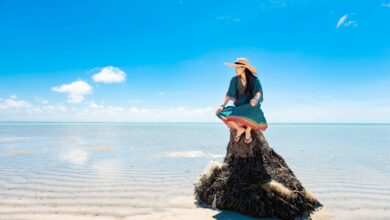
Then there is the way days unfold. Mornings often start with fog or a cool haze burning off the Atlantic, followed by a long beach walk where footprints may be the only ones for a mile. Afternoons drift toward a tavern lunch, and evenings arrive with sunsets over open ocean, since the coast faces west. Nothing is staged for visitors, and that absence of staging is exactly what many are paying to find.
The Catch for Anyone Packing Too Many Expectations
The Alentejo coast is not an Algarve replacement, and travelers who treat it as one will be disappointed. Nightlife is mostly a late dinner and a drink on a terrace. Public transport is thin, so a rental car is close to essential, and some of the best coves sit at the end of unpaved tracks. Summer winds can be sharp, the sea stays cold well into the season, and small towns can be fully booked in peak weeks with no overflow capacity to absorb the crowds.
That last point carries a quiet tension. The qualities drawing people north, the emptiness, the lack of development, the sense of discovery, are exactly the qualities that can vanish when too many arrive to enjoy them. Villages like Vila Nova de Milfontes already feel the weight of busy August weekends, while the cliffs and trails cannot expand to meet demand the way a hotel can. A coast protected from builders still has no protection against its own good reputation.