
Where the Roads Run Out and the Monasteries Begin
Spiti Valley sits in the northeastern corner of Himachal Pradesh, wedged between Tibet and the high passes of the Indian Himalayas, at elevations that hover between 12,000 and 15,000 feet. It is cold desert terrain – sparse, windswept, and startlingly beautiful in ways that photographs never quite capture. For decades, the valley has lived in Ladakh’s considerable shadow, drawing a fraction of the visitors despite offering a nearly identical combination of ancient Buddhist monasteries, lunar landscapes, and high-altitude villages where life moves at a pace that hasn’t changed much in centuries.
That equation is beginning to shift. A growing number of monastery wanderers – travelers who plan entire trips around Buddhist heritage sites, meditative landscapes, and remote monastic communities – are starting to treat Spiti not as a secondary destination but as the main event. The reasons are worth examining closely, because they say something interesting about what this category of traveler actually wants.
The Monasteries That Make the Case
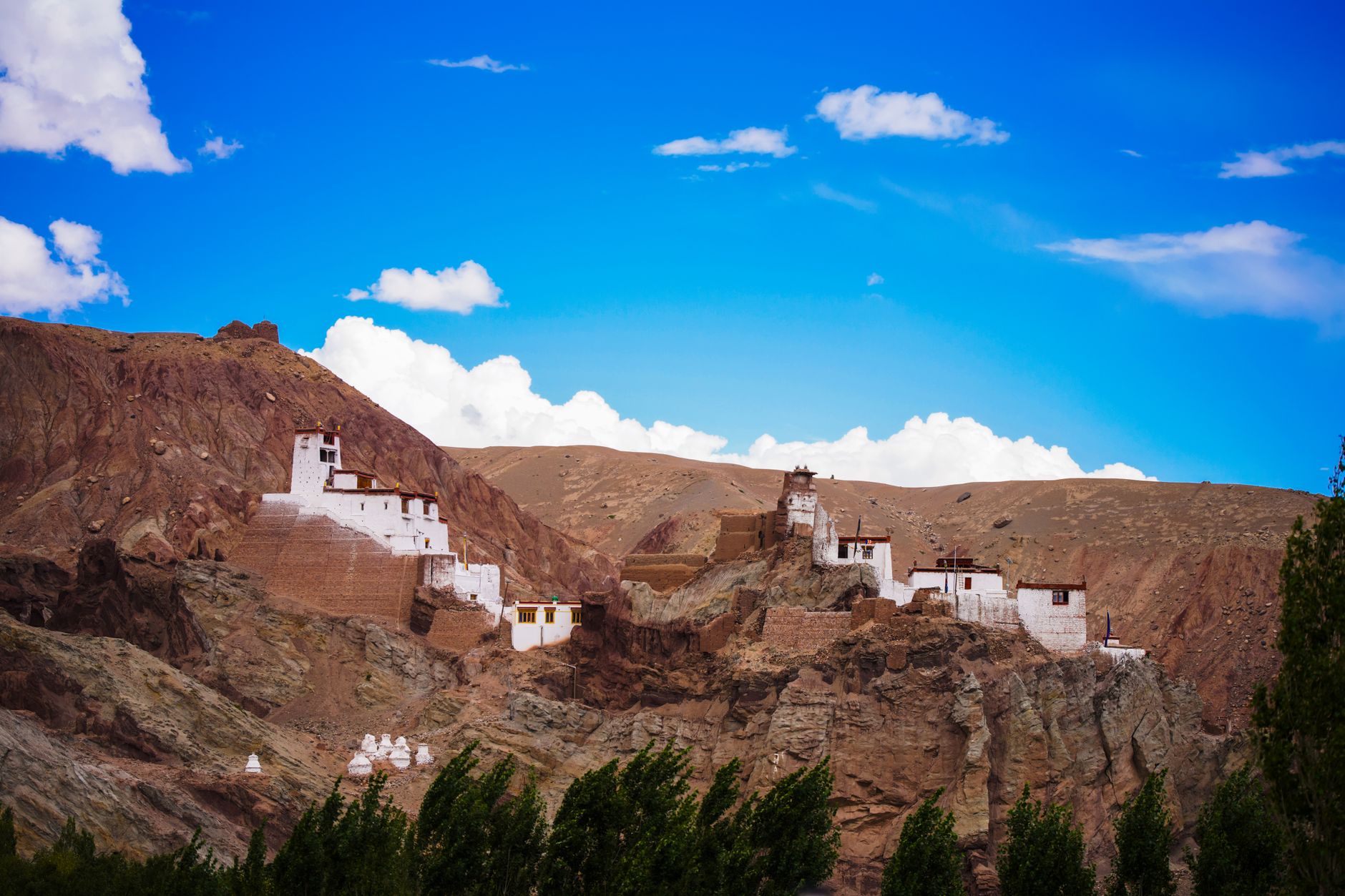
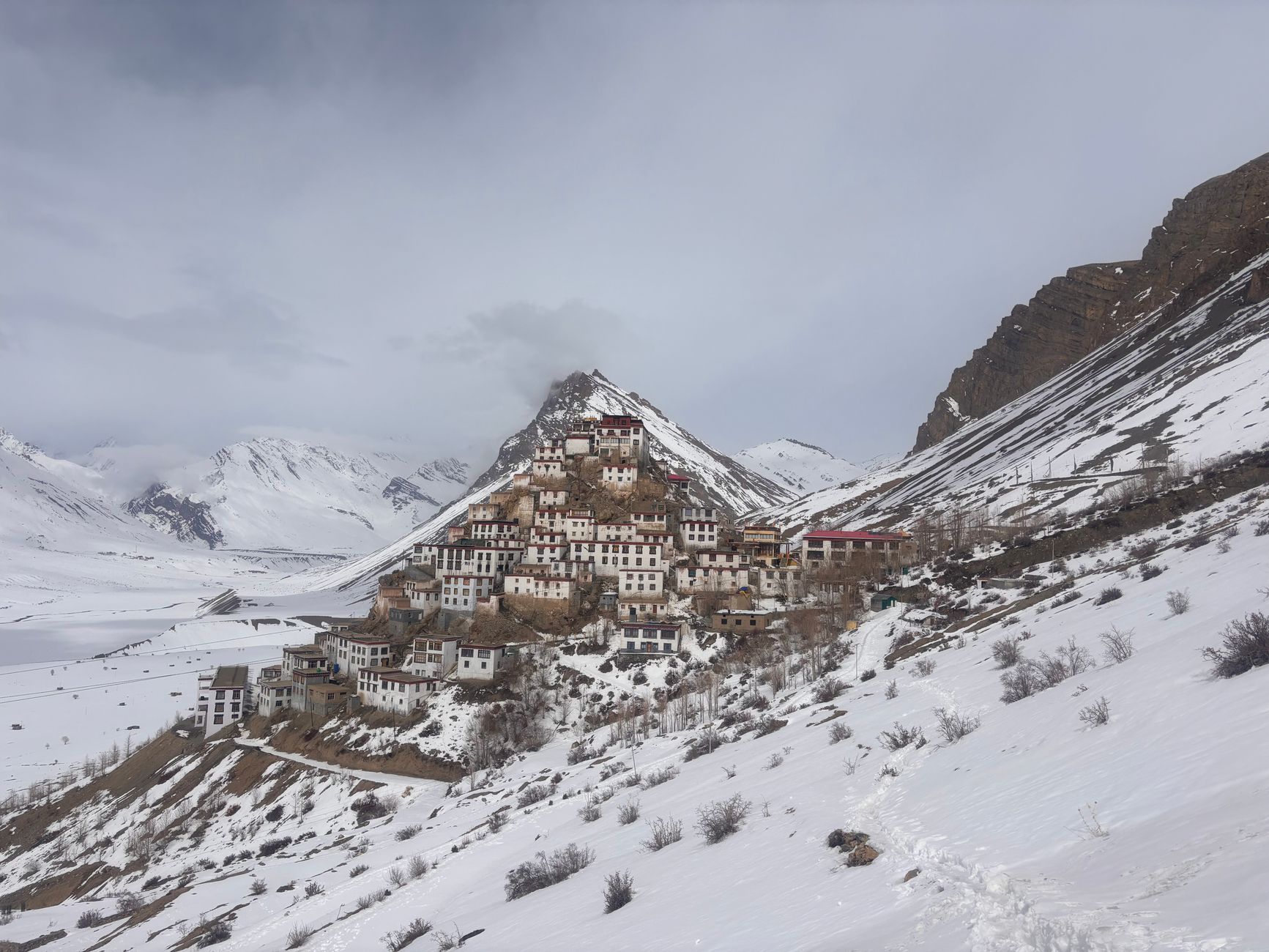
Ki Monastery is the obvious starting point. Perched on a hilltop above the Spiti River near the town of Kaza, it dates back to the 11th century and remains a functioning religious institution with over 300 monks in residence. The complex climbs the hill in a stacked, organic architecture that looks like it grew out of the rock rather than being built on it. Morning prayers here are open to respectful visitors, and the experience – low chanting, butter lamps, the valley spread out below in the early light – is the kind of thing people describe for years afterward.
Tabo Monastery, roughly 47 kilometers from Kaza, carries a different kind of weight. Founded in 996 CE, it is one of the oldest continuously operating Buddhist monasteries in the Himalayas, and its mud-constructed temples contain murals and stucco sculptures that art historians rank among the finest examples of early Himalayan Buddhist art in existence. The 14th Dalai Lama has reportedly expressed a wish to retire here, a detail that has circulated widely and given Tabo a kind of spiritual gravity in Buddhist travel circles. The town around it is quiet enough that you can hear the wind.
Dhankar Monastery adds a third dimension to any itinerary. It clings to a cliff above the confluence of the Spiti and Pin rivers, surrounded by eroded mud formations that look otherworldly even by the valley’s standards. The monastery is old enough that parts of it are genuinely fragile – visitors are asked to move carefully, which creates a different kind of engagement than the more tourist-ready sites in Ladakh. There is a newer monastery below, but most people make the steep climb to the original complex, where the views alone justify the effort.
What Spiti Has That Ladakh Doesn’t
The honest answer is friction. Ladakh – particularly Leh and the Nubra Valley – has become considerably easier to visit over the past decade. Direct flights from Delhi and Mumbai to Leh Kushok Bakula Rimpochhe Airport have made the region accessible to travelers who have no particular interest in the journey itself. That accessibility has brought infrastructure, options, and volume. The monasteries are still extraordinary, but navigating them increasingly involves queues, organized tour groups, and the low-grade noise of mass tourism.
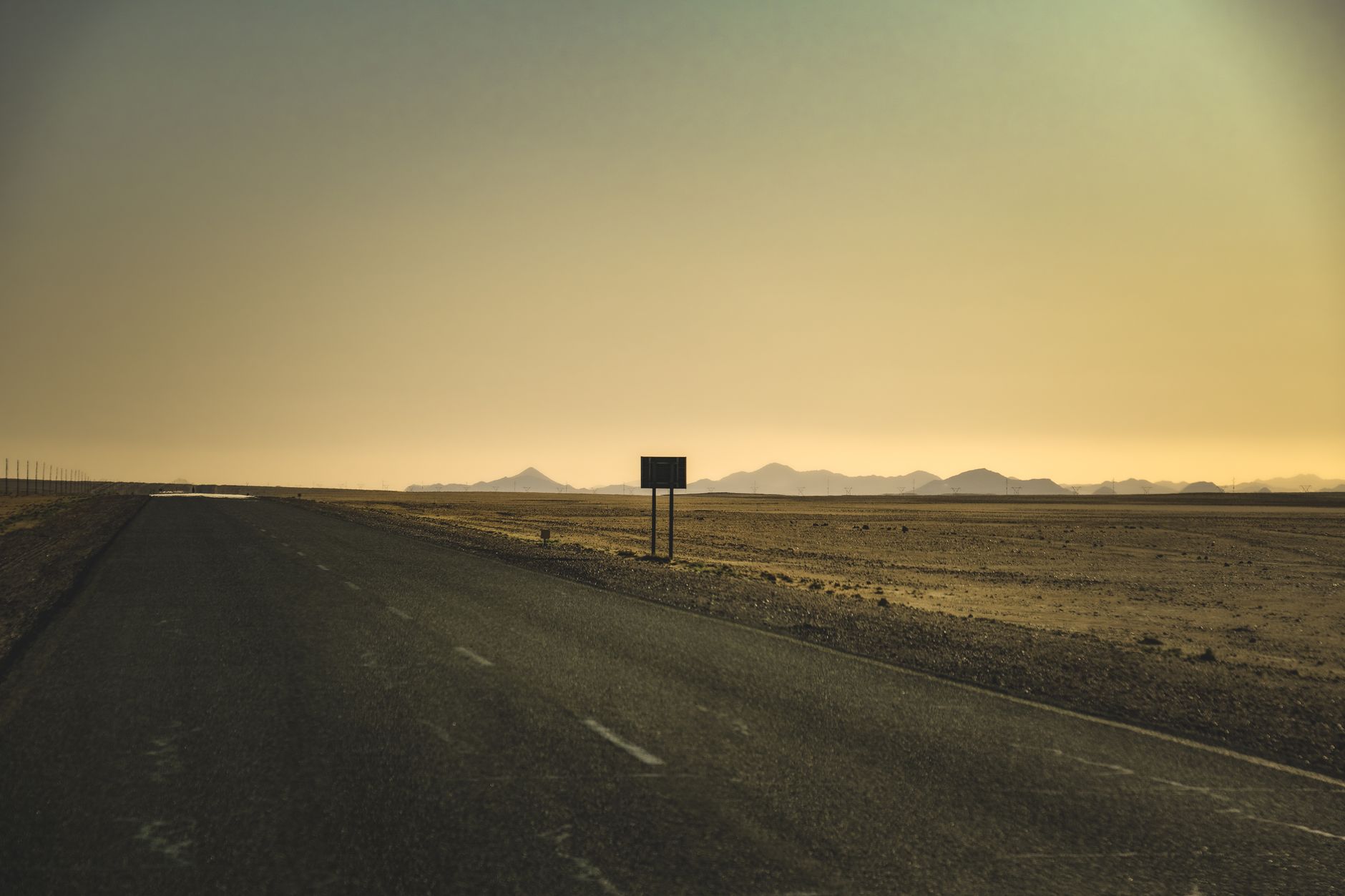
Spiti’s access routes remain deliberately demanding. The valley is reachable by road from two directions – via Shimla through Kinnaur (a long, winding mountain road) or via Manali over the Rohtang Pass and Kunzum La, a route that is closed entirely by snow for five to six months a year. There is no commercial airport nearby. Travelers who make it to Kaza have already committed to something, and that self-selection shapes the entire atmosphere of the valley. The guesthouses are small, often family-run, and genuinely interested in the people staying in them.
The Practical Reality of a Spiti Itinerary
A well-constructed Spiti itinerary needs at least ten days to do the valley any justice. The road from Shimla to Kaza alone takes two full days under good conditions, and altitude acclimatization adds a mandatory pause to any sensible plan. Travelers who try to rush the valley – treating it like a checklist destination rather than a slow-travel experience – tend to come away with altitude headaches and a vague sense of having missed something.
Kaza functions as the valley’s administrative and logistical hub, with enough guesthouses, a few decent cafes, and a weekly market that serves the surrounding villages. It is not a pretty town in any conventional sense, but it is functional and genuinely local in a way that places with more tourist infrastructure rarely manage. Mobile connectivity is unreliable throughout the valley, which is either a problem or a feature depending entirely on your relationship with your phone.
The Pin Valley, a side route off the main Spiti road, opens up an additional layer for travelers with extra time. The Pin Valley National Park is home to snow leopards and Siberian ibex, and the villages there – Mud being the most visited – have a remoteness that makes even Kaza feel urban. Kungri Monastery in the Pin Valley belongs to the Nyingma school of Tibetan Buddhism, different from the Gelug tradition of Ki and Tabo, and that doctrinal variety adds texture to the broader monastic experience.
Accommodation across the valley runs from basic homestays in villages like Langza, Hikkim, and Komic (the last of which claims to be one of the highest inhabited villages in the world with a motorable road) to slightly more comfortable guesthouses in Kaza. The homestay circuit is worth prioritizing. Meals are typically whatever the family is cooking – tsampa, thukpa, dal, momos – and the arrangement almost always includes conversation about what it means to live at altitude, in a valley that freezes solid for half the year, in a community that has organized itself around Buddhist practice for a thousand years. That is not something a hotel can replicate.
Why the Comparison to Ladakh Matters
Ladakh will almost certainly remain the more visited destination. It has the infrastructure, the name recognition, and the flight connections that drive visitor volume. Pangong Lake photographs keep it at the top of bucket lists, and there is nothing wrong with that – the monasteries at Thiksey, Hemis, and Lamayuru are extraordinary by any measure.
But the travelers who have done both tend to describe a qualitative difference in the Spiti experience that goes beyond access difficulty. The valley’s compactness – everything important is within a roughly 100-kilometer stretch of river road – means that the monastic sites feel interconnected rather than scattered. Moving between Ki, Tabo, and Dhankar over three or four days creates a cumulative effect that a single-monastery day trip from Leh doesn’t produce. There is a logic to the journey that rewards the effort of the approach.
The question monastery-focused travelers are increasingly asking is not whether Spiti is as good as Ladakh, but whether it offers something different enough to justify a separate trip. The emerging consensus, among the people who have made both journeys, is that it does – and that the difference has less to do with the monasteries themselves than with how present you are forced to be when the road to reach them takes two days and your phone hasn’t worked since Shimla.
Frequently Asked Questions
When is the best time to visit Spiti Valley?
The valley is best visited between June and September, when both road access routes are open. The Manali route via Kunzum La is snow-free only from late June through early October.
How do I get to Spiti Valley?
Spiti is accessible by road from Shimla via Kinnaur or from Manali via Rohtang Pass and Kunzum La. There is no commercial airport; the nearest major hub is either Shimla or Kullu-Manali Airport.