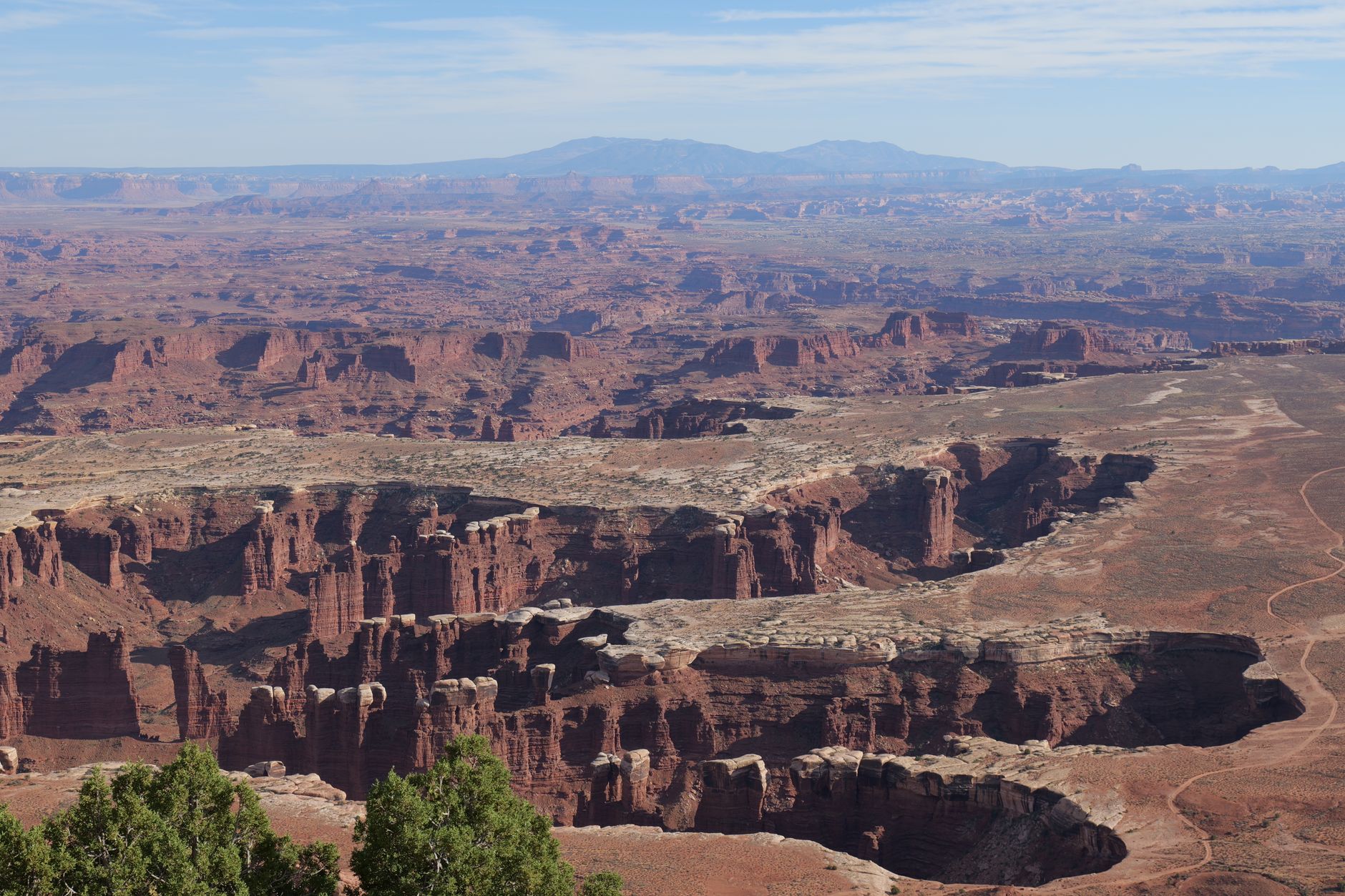
Namibia’s Fish River Canyon Quietly Rivals the Grand Canyon for Rim Wanderers

Africa holds a canyon so vast and so raw that it stops experienced travelers mid-sentence – and most of them had no idea it existed before they arrived.
A Canyon That Earns Its Own Superlatives
Fish River Canyon in southern Namibia stretches roughly 160 kilometers long, reaches up to 27 kilometers wide in places, and plunges to depths of around 550 meters. Those figures place it firmly in the category of the world’s largest canyons, behind only the Grand Canyon in Arizona by most conventional measures. Yet it rarely appears in the same breath as its American counterpart, partly because Namibia itself draws fewer general tourists, and partly because the canyon asks something more of its visitors than a guardrail lookout and a gift shop.
The geological story alone commands attention. The canyon formed through two separate processes: an ancient fault system that cracked the earth’s crust hundreds of millions of years ago, followed by erosion from the Fish River cutting steadily downward over millennia. The result is not a smooth, painted-desert panorama but something rougher and more violent-looking – jagged quartzite ridges, collapsed rock towers, and a river that in the dry season shrinks to a chain of still, green pools threading between boulders the size of houses. The landscape feels unfinished, like the earth is still working something out.
The main viewpoint at Hobas sits near the canyon’s northern rim and delivers an immediate gut-punch of scale. From that point, visitors look south into a landscape that appears entirely uninhabited, which during most of the year it essentially is. There are no boats below, no rafting tours, no visible infrastructure. The canyon floor is accessible only to hikers completing the multi-day Fish River Trail during the brief permitted season, and even that requires a medical clearance certificate. The view carries a particular quality of silence that developed canyon destinations rarely preserve.
Compared to the Grand Canyon’s roughly six million annual visitors, Fish River Canyon receives a fraction of that traffic. The thin visitor numbers are not a sign of lesser quality – they reflect geography, infrastructure gaps, and the simple fact that Namibia requires more deliberate planning to reach. For travelers who make that effort, the canyon rewards them with something the Grand Canyon genuinely cannot offer anymore: the feeling of being among the first people to look over the edge.
What the Rim Walking Actually Looks Like
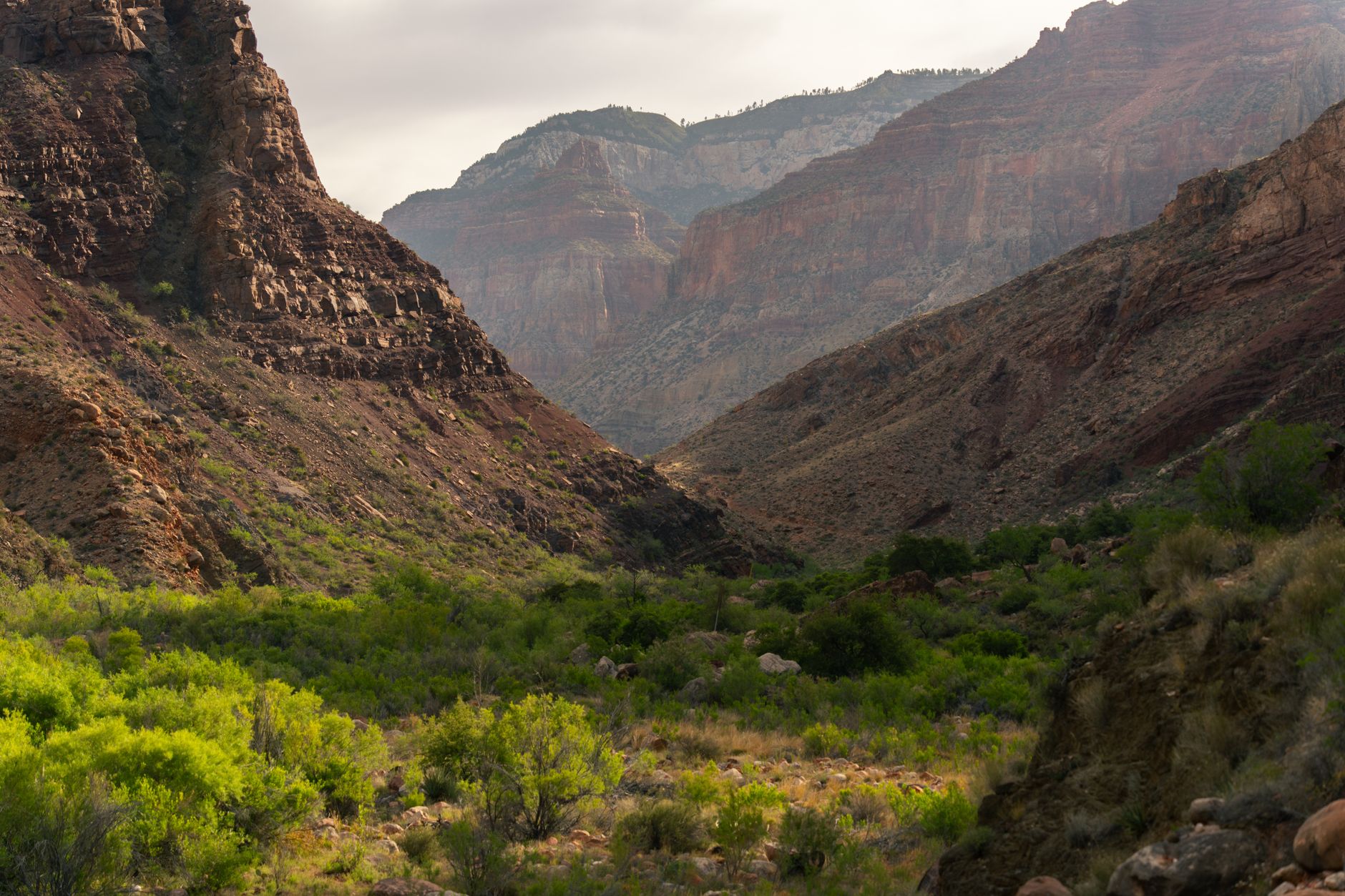
The northern section of the canyon, accessible from the Hobas Camp area administered by NamibRand and Namibia Wildlife Resorts, offers a series of informal viewpoints spread over several kilometers of rocky terrain. There is no paved rim trail in the Grand Canyon sense. Instead, visitors navigate exposed rock surfaces, following footpaths worn by previous hikers to viewpoints that each reveal a different angle on the same impossible depth. The walking is moderate in difficulty but demands solid footwear and genuine attention – the canyon rim in many places has no barrier between the path and a vertical drop.
Early morning light is worth organizing your schedule around. The low sun catches the iron-rich rock faces and turns them copper and ochre against the shadow still pooling in the canyon floor. By midday, the light flattens and the Namibian heat becomes serious. The practical rhythm most rim visitors fall into is a 6am start, three to four hours of active exploration, then shade and rest through the afternoon. The sky above Fish River Canyon tends to be extraordinary even by southern African standards – Namibia’s low humidity and minimal light pollution produce a blue that photographs struggle to reproduce accurately.
Wildlife along the rim is not the main draw but it is reliably present. Klipspringers – small antelope built for rocky terrain – move along the canyon edges with an ease that makes human hikers look clumsy by comparison. Verreaux’s eagles ride thermals rising from the heated canyon walls and can be watched from rim viewpoints at close range without binoculars. Leopards move through the area, though sightings require patience and some luck. The canyon ecosystem is far more alive than the bare rock surface suggests.
The five-day Fish River hiking trail, running approximately 85 kilometers through the canyon floor from Hobas to the hot springs resort at Ai-Ais, operates only between May and September due to the flood risk during summer rains. Groups are limited to a maximum of 30 people, must carry all their own supplies, and cannot be evacuated by vehicle if something goes wrong. The trail consistently ranks among the most demanding multi-day hikes in Africa. Most rim visitors never attempt it, but knowing the floor is down there – accessible but genuinely difficult – changes how the view feels.
Ai-Ais Resort at the canyon’s southern end sits at the edge of the Fish River, where natural hot springs feed thermal pools. It functions as the finish line for trail hikers but also as a standalone destination for visitors who want canyon proximity without rim exposure. The combination of a 60-degree Celsius water source and the surrounding desert creates a strange, restorative atmosphere that makes the drive south through the canyon road worthwhile even outside hiking season. The road itself traces the canyon’s edge close enough in several stretches that the drop is visible through the passenger window.
Planning the Visit Without Illusions
Getting to Fish River Canyon from Windhoek, Namibia’s capital, involves roughly five to six hours of driving south through increasingly sparse terrain on the B1 highway and then connecting roads. Self-driving is the standard approach and requires a vehicle comfortable with gravel roads, particularly around the Hobas gate area. Fly-in options exist through charter services operating out of Windhoek, with a small airstrip near the canyon, but they are significantly more expensive and serve a minority of visitors. The honest trade-off is that the long drive prepares you psychologically for the landscape – by the time the canyon appears, you have already driven through three hours of terrain that feels like the edge of somewhere habitable.
The best months to visit the rim without attempting the trail are April through October, when daytime temperatures stay manageable and the chance of summer flash floods is low. Accommodation options near Hobas range from the NWR-operated campsite, which is functional rather than luxurious, to a small number of private lodges within driving range of the canyon. Most serious canyon visitors spend two nights – one at the northern rim and one at Ai-Ais – to get a sense of both ends without rushing. The question serious travelers face is not whether the canyon is worth it, but whether they want to see it before the infrastructure around it inevitably catches up.