Senegal’s Sine-Saloum Delta Quietly Rivals the Gambia for Mangrove Wanderers

Where the Mangroves Go Quiet
The Gambia has long held a monopoly on the West African mangrove imagination – the river journeys, the bird-rich creeks, the pirogue rides through tangled green corridors. Travel writers have made the small country synonymous with slow-water adventure, and the tourism infrastructure followed. But just north of that border, Senegal’s Sine-Saloum Delta has been doing all of the same things, often more dramatically, with far fewer people watching.
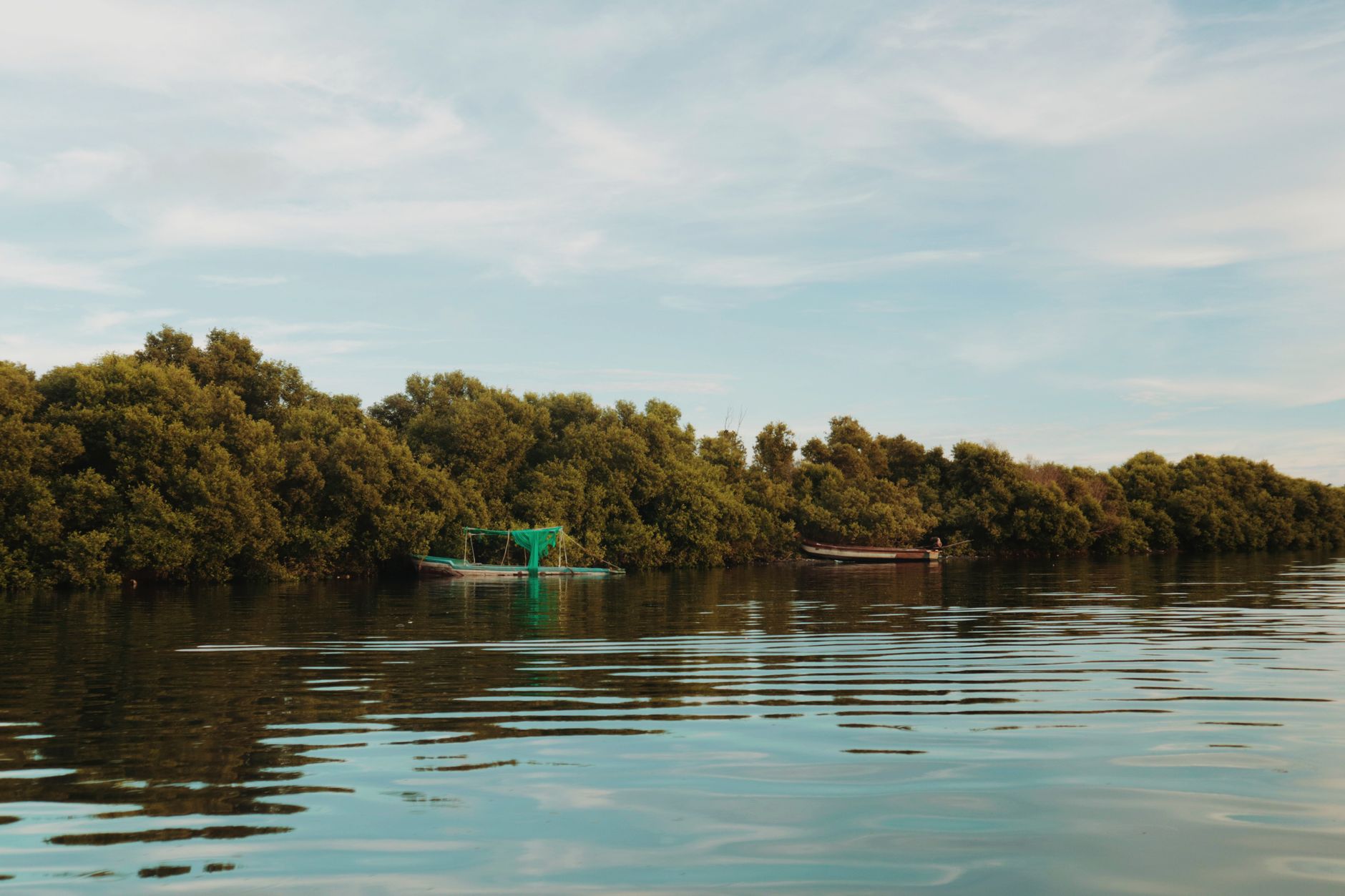
The delta sits roughly three hours south of Dakar, where the Sine and Saloum rivers fan out into a labyrinthine network of waterways, islands, and salt flats that stretches across roughly 180,000 hectares. It is a UNESCO Biosphere Reserve and home to some of the densest mangrove forests on the continent’s Atlantic coast. For travelers who have done the Gambia River circuit and are looking for something with more space and less foot traffic, this is the logical next chapter.
The Geography That Makes It Work
What separates the Sine-Saloum from similar delta ecosystems is the relationship between salt and fresh water. The region is technically a “negative delta” – meaning the rivers here carry so little sediment that the ocean actually pushes saltwater inland rather than the rivers pushing out to sea. The result is a brackish, tidal ecosystem that sustains an unusually wide variety of species across a relatively compact geography. You can paddle through pure mangrove canopy in the morning and reach open ocean beaches by afternoon without changing boats.
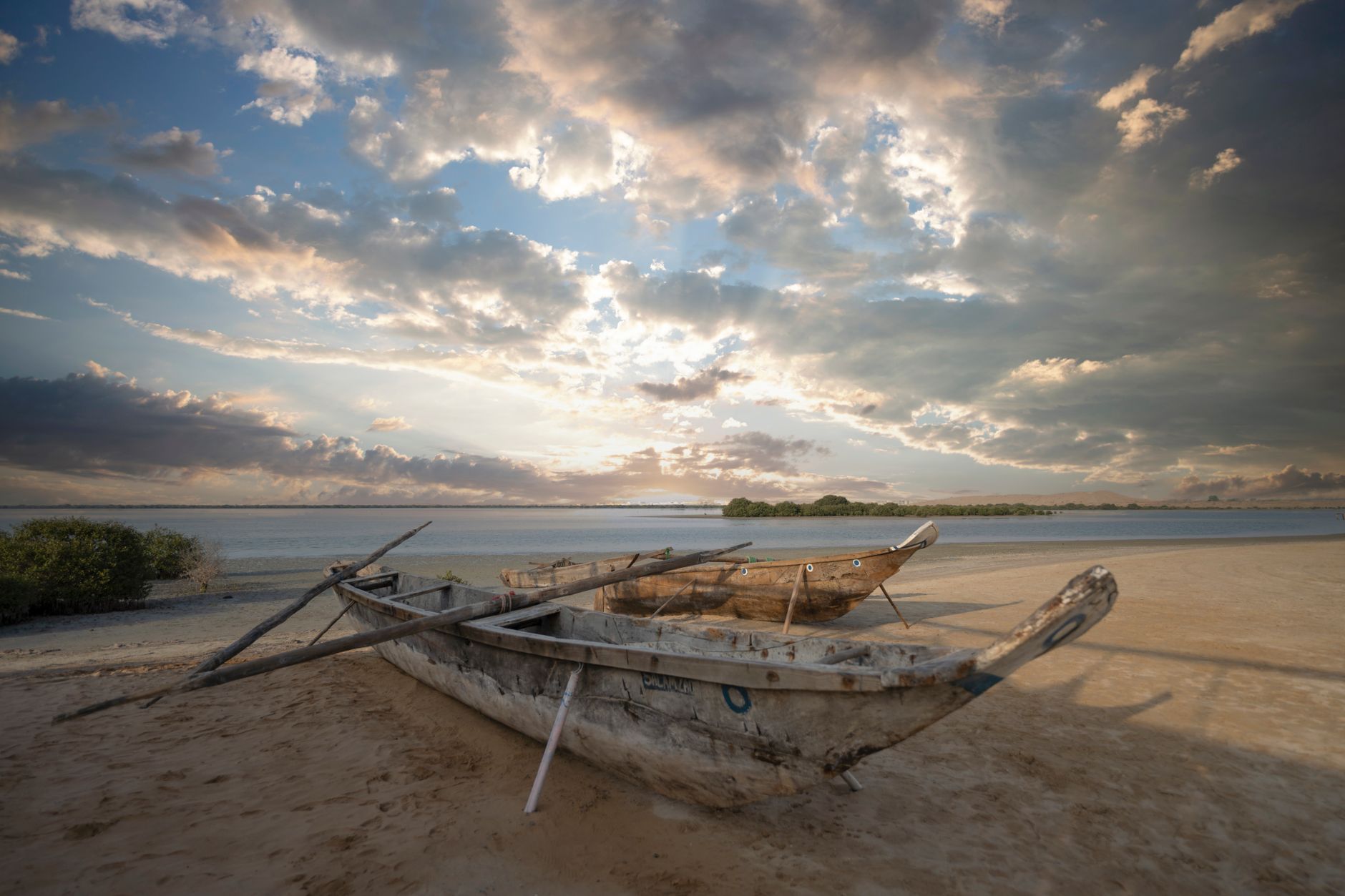
The islands scattered across the delta – including Djiffer, Mar Lodj, and the Betanti area – each have a distinct character. Some are accessible only by pirogue, with no paved roads and no electricity grid. Others have small fishing communities that have operated on these waterways for generations, drying fish on wooden racks and navigating the channels from memory. The oyster beds along the mangrove roots are harvested by local women using techniques that predate any conservation designation, and watching that process from the water is one of those genuinely unrepeatable travel moments that no guided itinerary can fully script.
Birding Without the Crowds
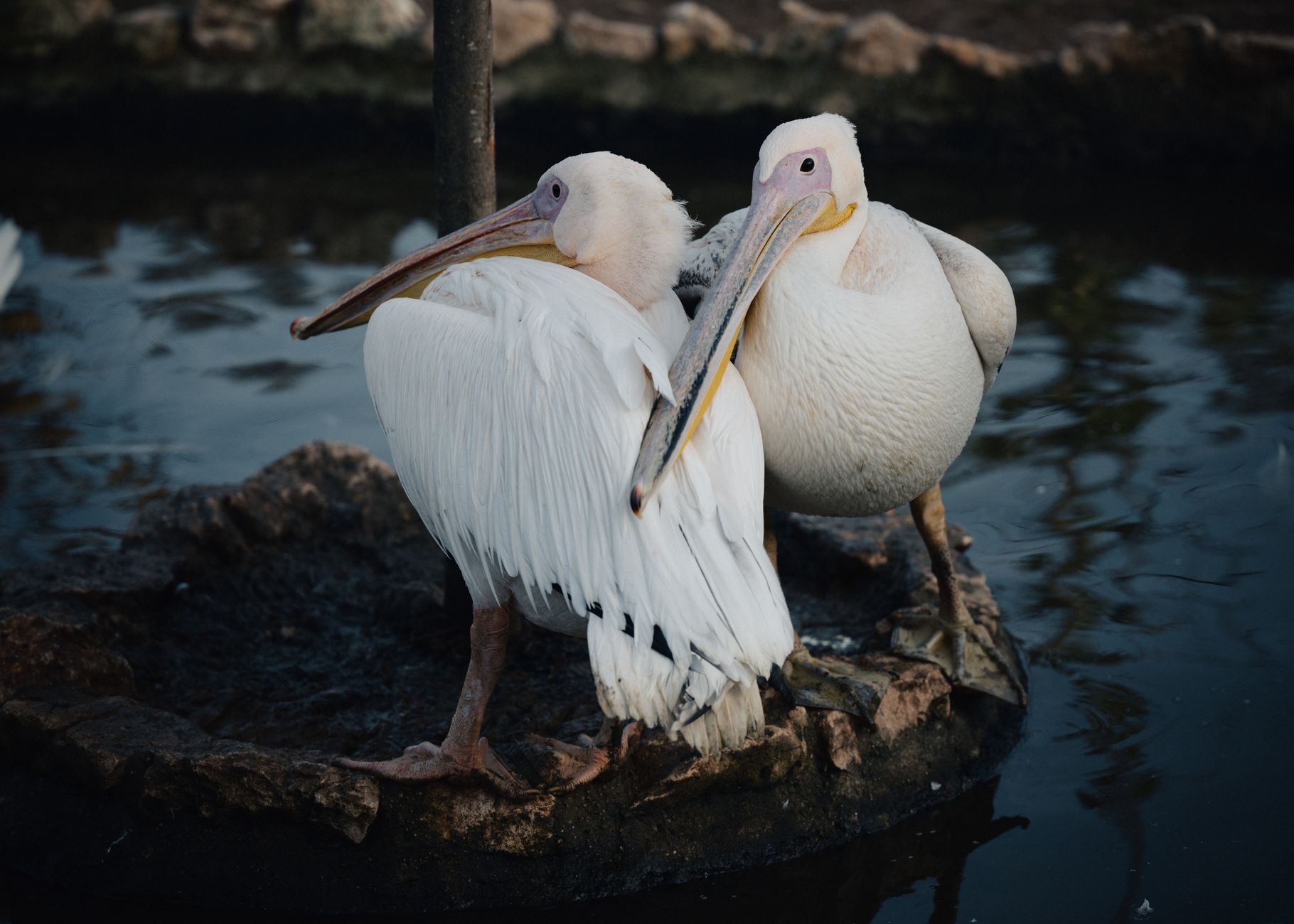
The birding case for Sine-Saloum is strong enough to stand entirely on its own. The delta sits along a major migratory flyway, and the number of species recorded in the reserve runs well past 300. Royal terns, pink-backed pelicans, and African spoonbills are common sights around the sandbanks, while the mangrove interiors shelter species that rarely appear in open water habitats. Early morning pirogue trips into the narrower channels, before the wind picks up, produce sightings that would be notable even by Gambian River standards.
What the Gambia has built – in terms of organized birding infrastructure, trained guides, and lodge networks geared toward wildlife watchers – is still more developed than what exists in Sine-Saloum. That gap is real. But for birders who prefer discovery over convenience, that underdevelopment is exactly the point. A local guide who grew up on the water here will often know exactly where to find a specific species at a specific tide, and that knowledge rarely ends up in a guidebook.
The shore birds alone justify the detour. Flamingos gather in the shallower tidal flats in substantial numbers, particularly during the dry season between November and May. Lesser and greater flamingos sometimes share the same salt flat, which is unusual enough in West Africa to draw photographers who have already covered the more publicized flamingo sites in East Africa and find them overcrowded by comparison.
Beyond birds, dolphins – particularly bottlenose and Atlantic humpback dolphins – are regularly spotted in the broader channels near the river mouths. The Atlantic humpback dolphin is classified as critically endangered, and the Sine-Saloum is considered one of the more reliable places in West Africa to observe them, which gives the delta a conservation significance that extends well beyond its scenic appeal.
Where to Base Yourself
Foundiougne and Ndangane are the two most practical gateway towns for exploring the delta, with Ndangane offering slightly better access to the outer islands. Both have small lodge options ranging from basic guesthouses to eco-camps built on stilts over the water, designed to minimize their footprint on the mangrove ecosystem. The quality varies considerably, so doing research before arrival matters more here than in a destination with established quality benchmarks.
Mar Lodj island deserves special mention. A short pirogue ride from the mainland, it has no motorized vehicles and a handful of small family-run lodges that offer a genuinely stripped-down experience – solar power, local meals, hammocks facing the water. It is not a place for travelers who need reliable Wi-Fi or guaranteed hot water, but for anyone willing to accept those conditions, the stillness of the island at dawn is difficult to find anywhere else in coastal West Africa.
Practical Realities and the Right Expectations
Getting to Sine-Saloum requires planning in a way that the Gambia, with its direct international flights, does not. Flying into Dakar and renting a car or arranging a shared taxi south is the standard approach, with journey times depending heavily on road conditions during the rainy season. Some operators in Dakar offer organized delta packages, though independent travel through local fixers tends to produce a more authentic and usually cheaper experience.
French is the dominant language, and outside the larger lodges, English is limited. Travelers who relied on English-speaking guides throughout the Gambia will need to adjust their expectations here. That said, communication barriers tend to dissolve quickly on the water, where the guide’s knowledge of channels, tides, and wildlife habits speaks more directly than words.
The best months run from November through April, when rainfall is minimal and the bird populations are at their peak. May and June are transitional, with rising humidity. The rainy season from July through October makes some channel access difficult and reduces visibility across the salt flats, though it also brings a lush green intensity to the mangrove canopy that has its own appeal for photographers who don’t mind getting wet. The delta during heavy rain is a completely different place – and not a worse one, just a harder one to reach.