
Africa’s Gorilla Trail Has a Detour Most Travelers Never Take
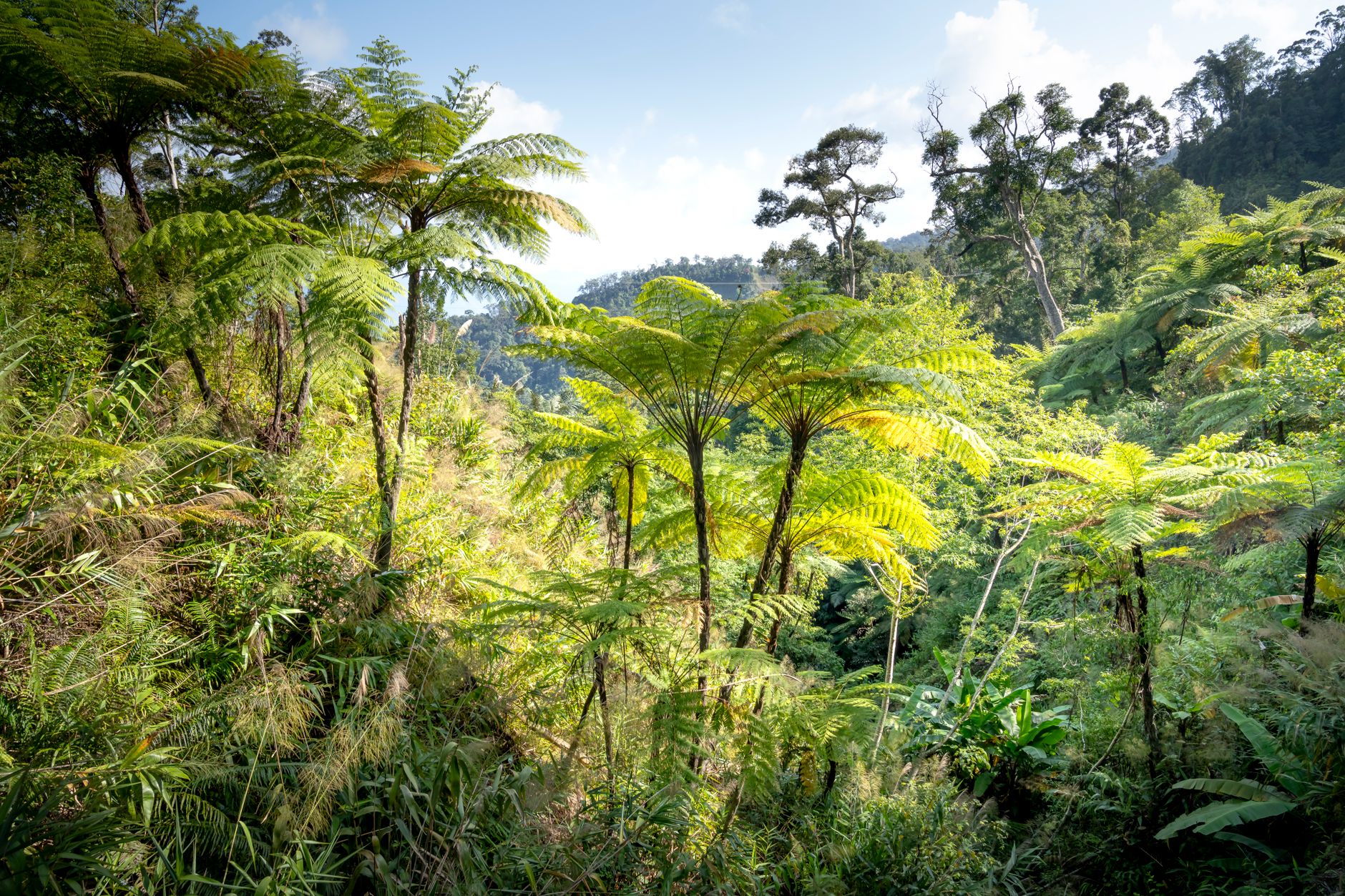
Virunga National Park in the Democratic Republic of Congo carries a mythic weight in wildlife travel – the name alone conjures misty volcanoes, conservationists who died for the cause, and mountain gorillas so close you can hear them breathe. But Gabon’s Lopé National Park, sitting at the country’s geographic heart, draws a different kind of gorilla entirely: the western lowland gorilla, moving through dense equatorial rainforest across a landscape that feels less like a postcard and more like a genuinely undiscovered place. The crowds that descend on Rwanda’s gorilla permits never quite reach Lopé’s trailheads.
Gabon keeps a low profile in African travel conversations despite holding roughly 80 percent of the Congo Basin’s forests within its borders and protecting more than eleven percent of its land as national park territory. Lopé, the oldest of those parks, sits where the rainforest meets ancient savanna grassland – a geological overlap that makes it unlike any other gorilla habitat on the continent. That ecological oddity is exactly why the gorillas here behave differently, travel differently, and reveal themselves on their own terms.
What Makes Lopé Structurally Different From Other Gorilla Parks
Most gorilla trekking experiences are built around a vertical drama – you climb toward an animal that occupies altitude. At Lopé, the terrain flips that logic. The park’s northern sector holds open gallery forest and ancient savanna that date back tens of thousands of years, relics of a drier African climate that persisted even as rainforest eventually overtook most of the region. Western lowland gorillas move through this mosaic landscape grazing on fruit, bark, and leaves across ranges that dwarf what mountain gorilla families typically cover. A single group at Lopé might range across dozens of kilometers in a week.
That movement pattern creates a tracking experience that is genuinely unpredictable in the best sense. Guides at Lopé’s research station – which has operated continuously since the late 1980s and produced some of the foundational literature on lowland gorilla behavior – follow habituation protocols that prioritize the animals’ comfort over tourist convenience. Groups are small, time with the gorillas is capped, and some weeks the gorillas simply lead trackers into terrain where following becomes impractical. That restraint is not a flaw in the product. It is the product.
The park also sits within a UNESCO World Heritage Site designation that covers both its biodiversity and its archaeological significance. Rock art and ancient tool sites found within Lopé suggest continuous human presence across tens of thousands of years, making a visit feel less like a safari and more like entering a place that has held meaning across deep time. The gorillas are not the only reason to feel that this landscape carries weight.
The Logistics Argument for Going to Lopé Instead
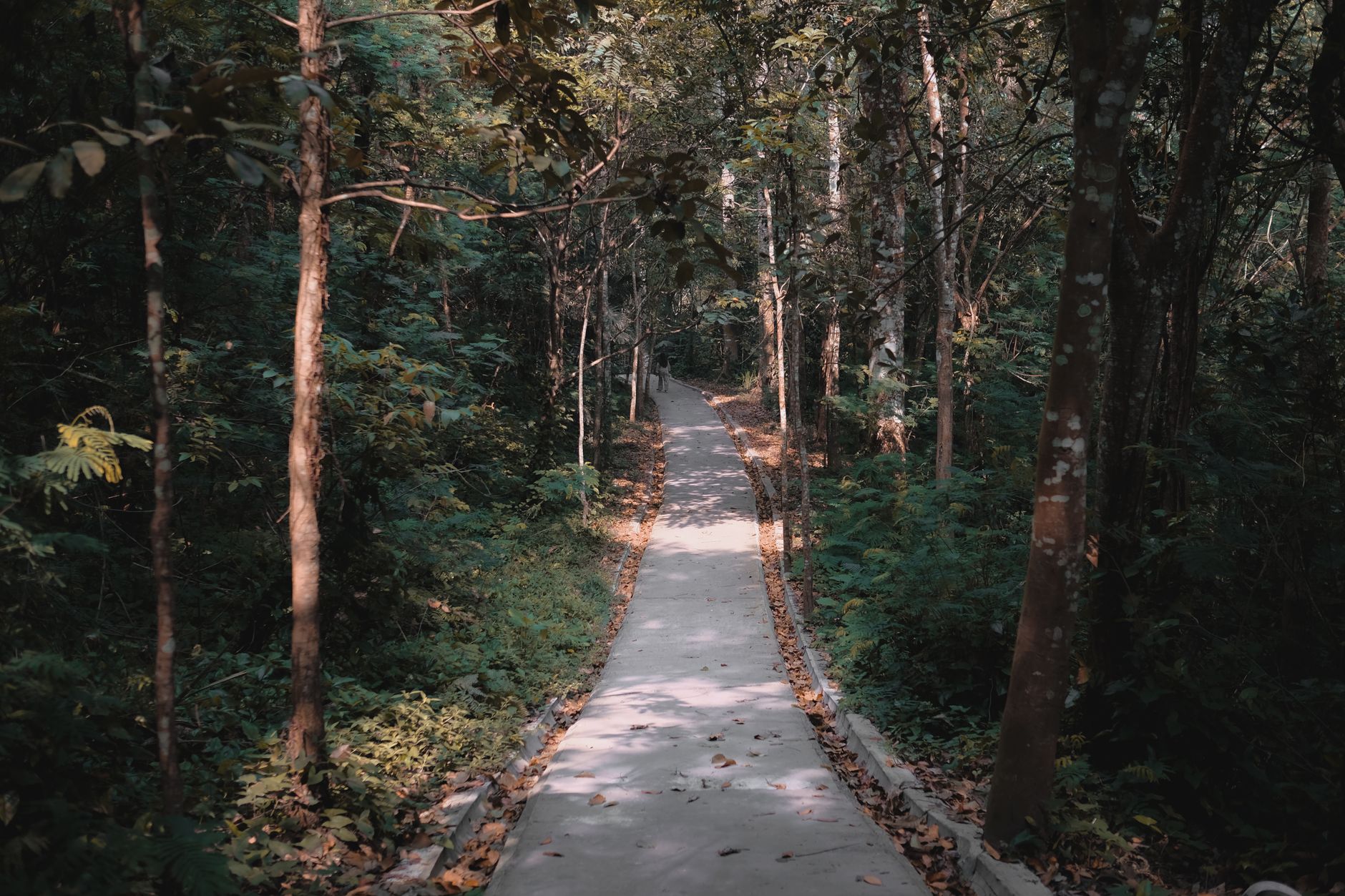
Rwanda’s Volcanoes National Park gorilla permits cost over a thousand dollars per person, with demand routinely outpacing availability months in advance. Lopé operates on a permit system that remains far less pressured, with the Agence Nationale des Parcs Nationaux managing access through a structure that keeps group sizes at eight visitors or fewer. Getting there requires a flight into Libreville followed by either a domestic flight or the SETRAG railway – a train journey through the rainforest that is itself worth making. The railway line cuts through the park, and passengers routinely spot buffalo, forest elephants, and the occasional gorilla family from the carriages.
The infrastructure at Lopé is not luxury-tier by East African standards, but the main lodge operates with reliable guides, basic comfort, and direct access to the habituated gorilla groups. Gabon’s overall stability as a country – even accounting for its recent political transitions – has kept the park consistently accessible where Virunga has faced periodic closures due to conflict in the surrounding region. For travelers who have been hesitating on Virunga for safety reasons, Lopé answers that hesitation directly.
The Gorilla Experience Itself, Without the Frame
Western lowland gorillas differ visibly from their mountain cousins. They are smaller on average, more darkly pigmented, and their social structures involve silverbacks who sometimes tolerate proximity to other males in a way that mountain gorilla groups typically do not. At Lopé, habituated groups have been observed long enough that individual personalities register clearly to experienced guides – a silverback’s particular tolerance for distance, a juvenile female’s curiosity about visitors, an older female who will make eye contact and hold it for a moment that becomes difficult to describe without sounding overwrought.
The forest setting amplifies everything. Where Virunga offers visibility across open volcanic slopes, Lopé’s encounters often happen in filtered light under a closed canopy, gorillas emerging from vegetation suddenly and vanishing just as fast. Photography is harder. The connection is different – less cinematic, more intimate in an unsettling way. Travelers who have done both consistently describe Lopé as the experience that stayed with them, even if Virunga delivered the better photographs.
Forest elephants move through the same zones as the gorillas at Lopé, and mandrill supergroups – sometimes numbering in the hundreds – have been documented crossing the savanna sections of the park. Western lowland gorillas at Lopé have also been observed using tools in the wild, a behavior documented here and in a handful of other locations across Central and West Africa. Watching an animal that uses objects purposefully changes how a person stands in front of it.
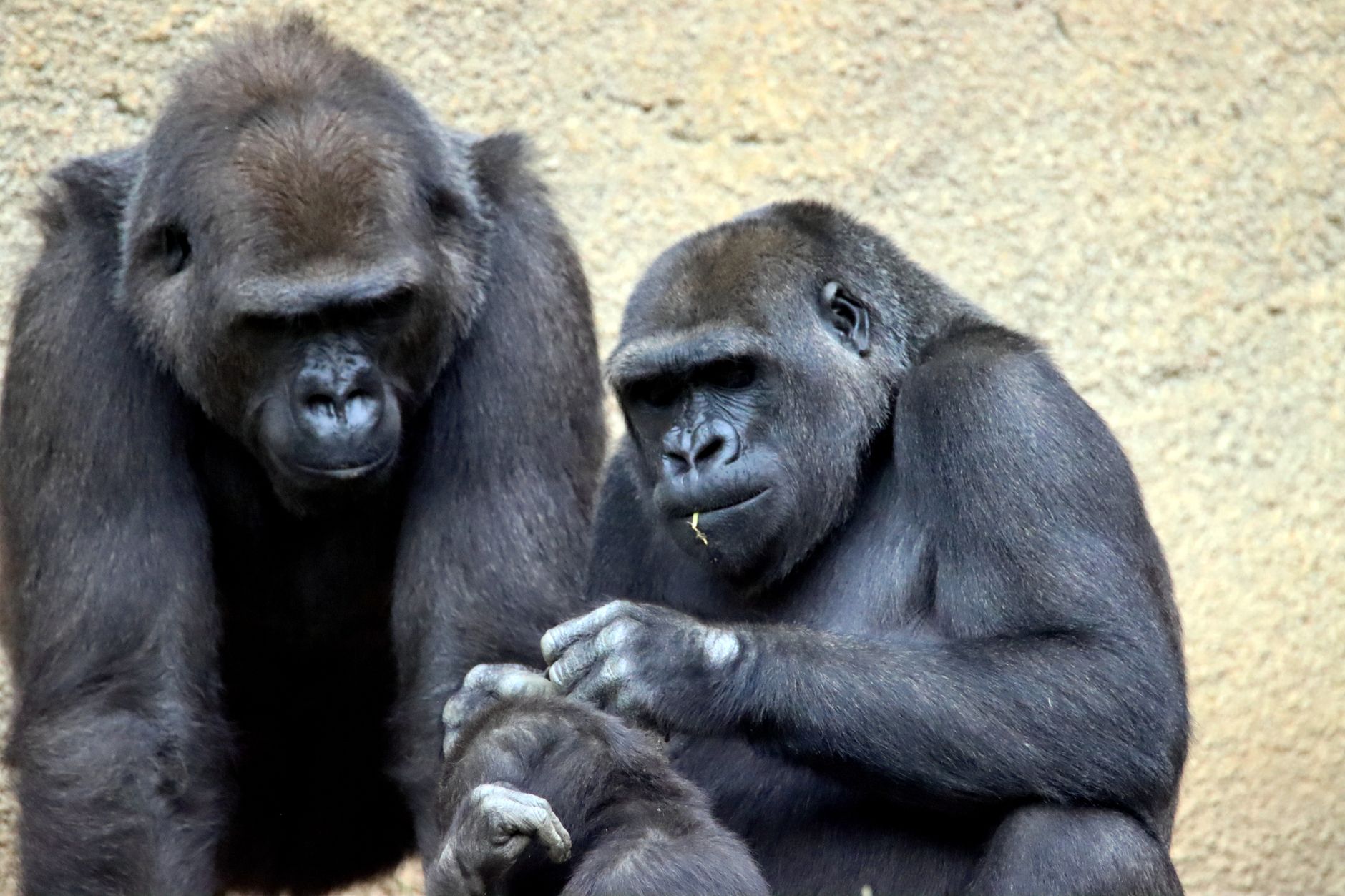
Lopé’s gorilla program benefits from decades of continuous behavioral research, which means the habituation of its groups is unusually thorough – animals that have been observed across multiple generations, with researchers who can identify individuals by facial features and behavioral signature. That depth of knowledge flows into what guides share during a trek, and it makes the difference between watching an animal and understanding one. Travelers who visited Rwanda’s Nyungwe Forest for primate trekking and found it richer than expected for similar reasons will recognize that dynamic at Lopé immediately. The question is whether Gabon’s visibility will catch up before the permits get harder to come by.
Frequently Asked Questions
Can tourists trek gorillas in Gabon’s Lopé National Park?
Yes. Lopé has habituated western lowland gorilla groups accessible through permits managed by Gabon’s national parks agency, with group sizes capped at eight visitors.
How does Lopé National Park compare to Virunga for gorilla trekking?
Lopé offers western lowland gorillas in equatorial rainforest with lower permit demand and consistent access, while Virunga features mountain gorillas but has faced periodic closures due to regional conflict.