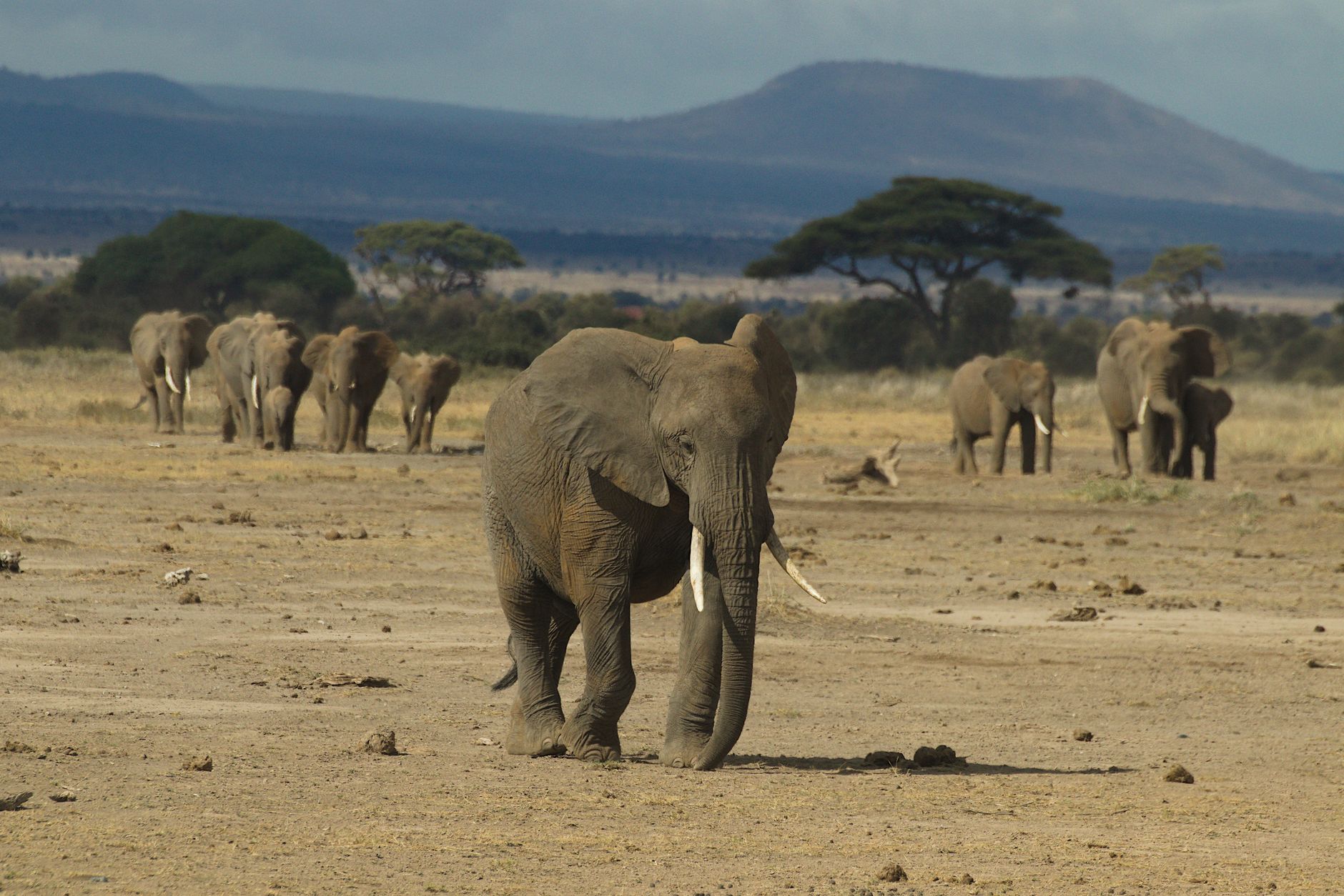

Ruaha National Park in Tanzania has long held the crown for serious elephant travel – vast herds, remote terrain, and the kind of raw African wilderness that draws repeat visitors season after season. But Zakouma National Park in southeastern Chad is quietly building a case that deserves equal attention, particularly for travelers whose primary obsession is elephants in serious numbers.
A Recovery Story That Changes the Math
Zakouma’s elephant population was nearly wiped out. At the height of the poaching crisis in the late 2000s, the park lost thousands of elephants to ivory traffickers, with numbers dropping to fewer than 500 animals. What followed was one of the most dramatic wildlife recoveries in African conservation history. African Parks, the South Africa-based nonprofit that took over management of Zakouma in 2010, transformed park security, retrained rangers, and created the conditions for the population to stabilize and grow.
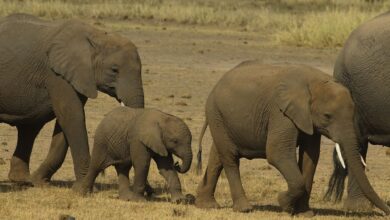
Today, Zakouma holds well over a thousand elephants, and that number continues to climb. The herd behavior inside the park is extraordinary by any standard. During the dry season, which runs roughly from November through June, the elephants congregate in tight, densely packed groups near water sources. At times, herds of several hundred animals move together across the floodplains in formations rarely seen elsewhere on the continent. It is not unusual for a single morning game drive to put you in front of four hundred or five hundred elephants within the span of two hours.
Ruaha’s elephants, by comparison, are more dispersed. The Tanzania park covers a much larger area – around 20,000 square kilometers – which means sightings, while frequent, often involve smaller family groups scattered across riverine landscapes. Both experiences are genuinely extraordinary, but they are different. Ruaha rewards patience and landscape immersion. Zakouma delivers concentrated elephant spectacle at a scale that stops experienced Africa hands cold.
The dry season dynamic at Zakouma is partly ecological. The park sits in the Sahel transition zone, and as water sources shrink, elephants funnel toward the remaining pools and marshes. That compression creates what guides describe as a natural theater – open ground, low vegetation, and animals gathering in numbers that feel almost prehistoric. First-time visitors often struggle to process the visual scale of it.
What It Actually Takes to Get There
Getting to Zakouma requires real commitment, and that logistical friction is a large part of why the park remains so uncrowded. The standard routing goes through N’Djamena, Chad’s capital, which is served by a small number of international carriers including Ethiopian Airlines and Air France on some schedules. From N’Djamena, visitors fly south on a charter flight to Am Timan or directly to the park’s private airstrip, operated in conjunction with the camp on the ground. Total travel time from most European cities runs between twenty and thirty hours depending on connections.
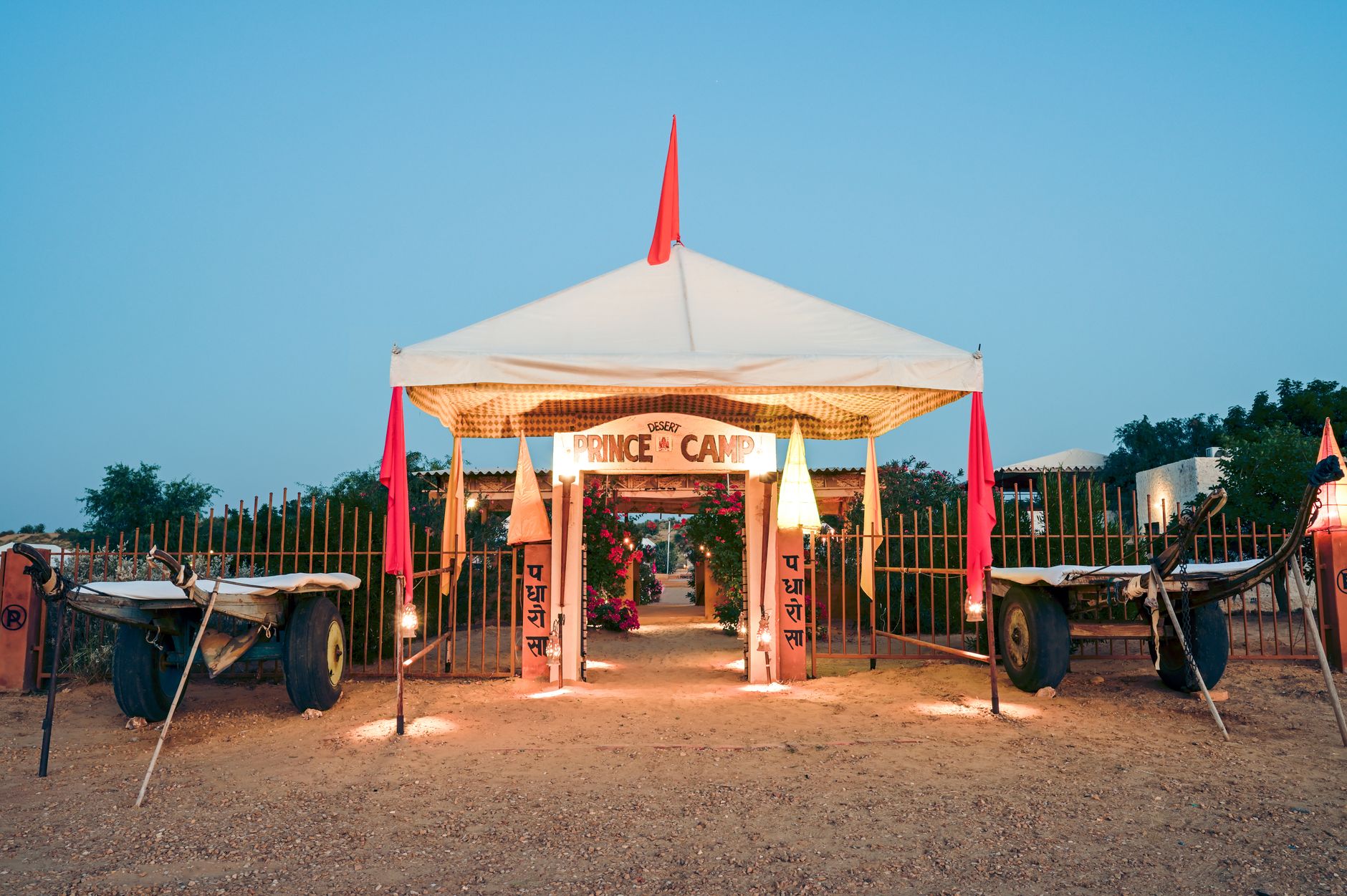
The only permanent lodge inside the park is Camp Nomade, run by African Parks in partnership with the safari operator Ati-Murr. It is a tented camp with a deliberately minimal footprint – mobile enough to shift with the seasons, rustic enough to feel genuinely remote, and staffed with guides whose knowledge of the elephant herds is built on years of daily observation. The experience is not designed to be luxurious in the high-thread-count sense. It is designed to put you as close to the elephants as safely possible, and it succeeds at that.
Pricing at Camp Nomade sits in the mid-range to upper-mid-range bracket by African safari standards – significantly less expensive than top-tier camps in Botswana or the Serengeti, which makes the value proposition surprisingly strong given the rarity of what you are seeing. All-inclusive rates typically cover accommodation, meals, all game activities, and charter flights from N’Djamena. The booking window tends to open well in advance, and peak months from January through April fill quickly among the small circle of travelers who know the park.
The absence of a tourism infrastructure outside the park is worth flagging directly. There are no boutique hotels in nearby towns, no alternative camps to combine into a circuit, and no meaningful safari industry surrounding Zakouma the way one exists around Ruaha’s ecosystem. This is a point-to-point destination. You fly in, spend your nights at Camp Nomade, and fly out. For some travelers, that singular focus is the appeal. For those who prefer multi-country itineraries with options, Zakouma functions best as a standalone add-on to a broader trip through East or Central Africa.
Chad itself carries a complicated travel reputation, and it is fair to address that directly. The country has seen political instability and security challenges in various regions, and standard foreign office guidance advises caution across much of the country. Zakouma, however, sits in the southeast, at considerable distance from the border zones and conflict areas that generate most advisories. African Parks maintains active security operations inside and around the park, and the camp has operated without serious incident through years of regional turbulence. Travelers should read current government advisories and consult their operator, but the on-the-ground reality at Zakouma is considerably calmer than headline-level country assessments might suggest.
Beyond the Elephants
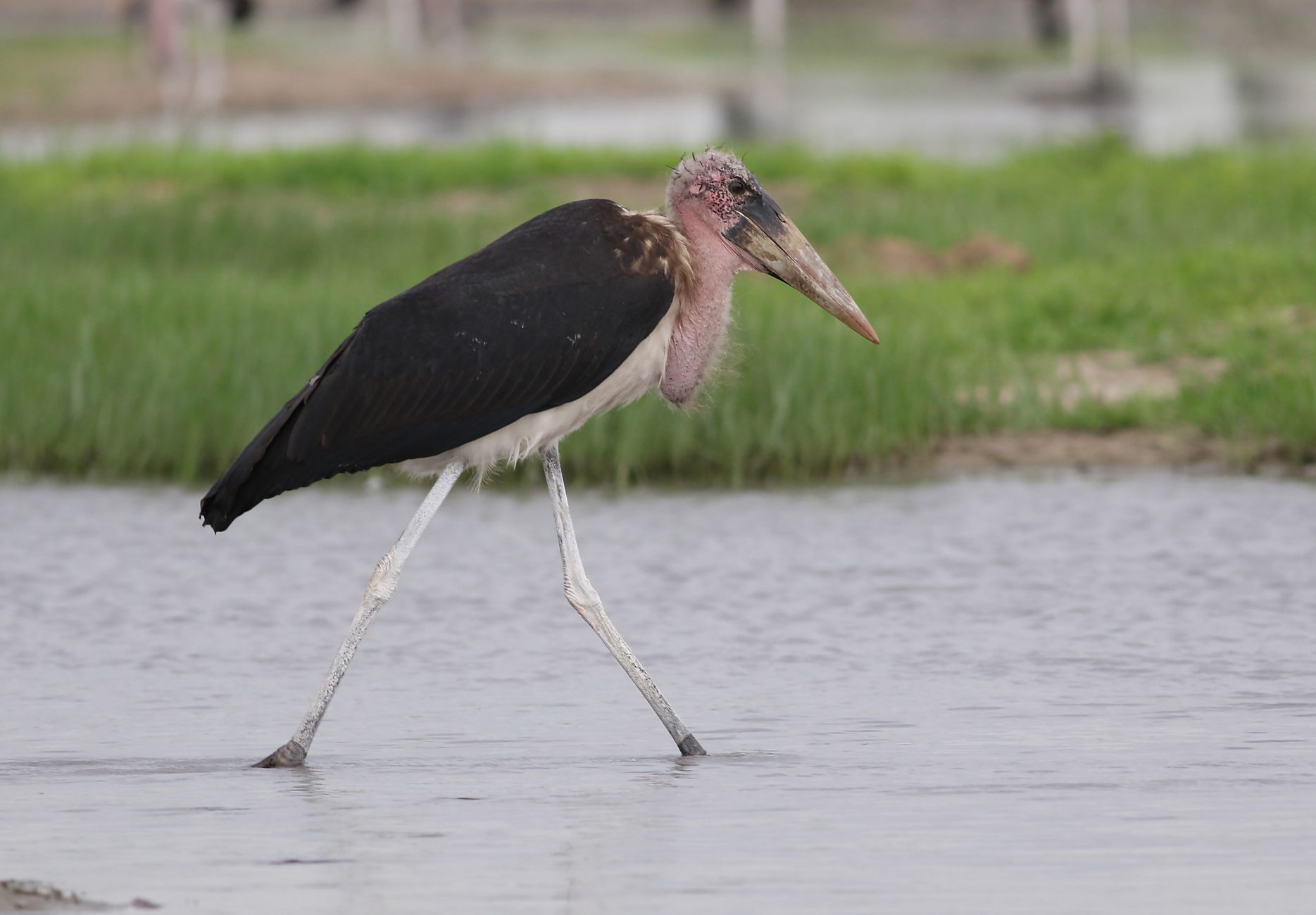
Zakouma supports one of the most diverse bird populations in sub-Saharan Africa – over 370 recorded species including several Central African endemics and massive seasonal concentrations of waterfowl that flood the park’s marshlands during and after the rains. The park also holds healthy populations of buffalo, kob, lelwel hartebeest, roan antelope, and lions. Leopard sightings are less common but not rare. The overall wildlife density, combined with the near-total absence of other vehicles, creates an atmosphere more akin to what early safari travelers described than anything currently available in the more visited parks of East Africa.
The honest question for dedicated elephant travelers is not whether Zakouma compares favorably to Ruaha – for concentrated elephant spectacle during the dry season, it does, without much argument. The question is whether the logistical commitment and the realities of traveling in Chad match your appetite for genuinely off-circuit Africa. For the right traveler, the answer is obvious the moment four hundred elephants materialize out of a dust cloud on a January morning in the Sahel.