Benin’s Pendjari National Park Quietly Rivals Nazinga for Elephant Wanderers

The Park Most Safari Travelers Skip
Nazinga Game Ranch in Burkina Faso has long held the reputation as West Africa’s elephant capital – a place where herds congregate near water sources with almost theatrical predictability. Travelers who plan months in advance, coordinate permits, and cross into landlocked Burkina Faso often leave convinced they’ve found the continent’s best-kept secret. What they rarely hear before the trip is that Benin’s Pendjari National Park, sitting just across the border, offers a comparable – and in certain seasons, superior – elephant encounter without the logistical weight Nazinga demands.
Pendjari covers roughly 4,800 square kilometers in Benin’s northwest, forming the core of the W-Arly-Pendjari (WAP) complex, one of the largest protected ecosystems in West Africa. That complex spans three countries and shelters an elephant population that moves freely across political lines. The animals don’t recognize the border. The safari industry, for reasons more historical than ecological, mostly still does.
What Pendjari Actually Offers
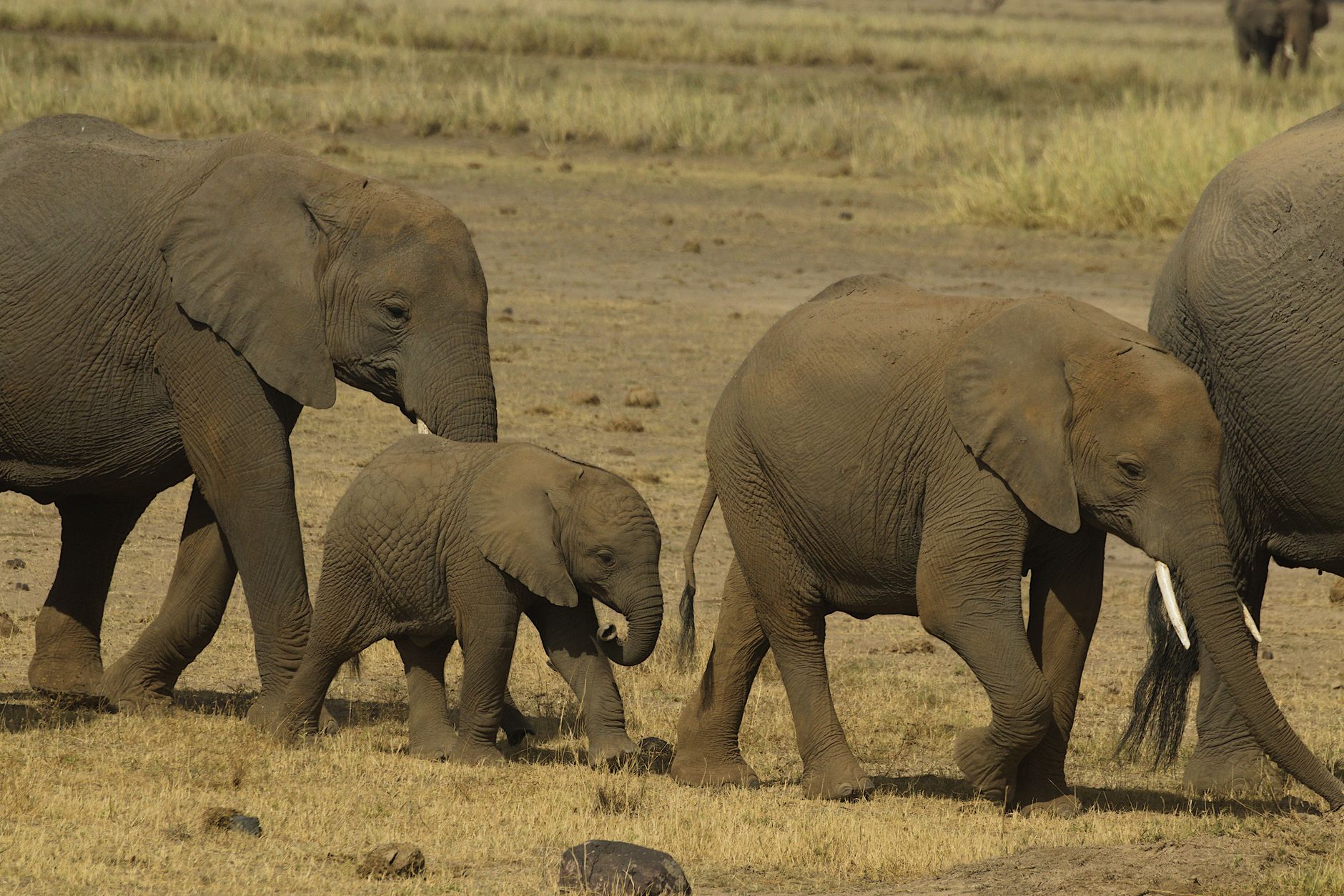
The park’s dry season, running roughly November through May, concentrates wildlife around the Pendjari River and a network of bofedales – seasonal wetlands that persist even as surrounding bush turns gold. During peak dry months, elephant groups of 30 to 50 individuals move through these corridors daily. Rangers and guides who have worked the park for years describe sightings near Batia and Tanguieta access routes as consistent enough to plan around, something that takes years of repeat visits to establish confidently at many other African parks.
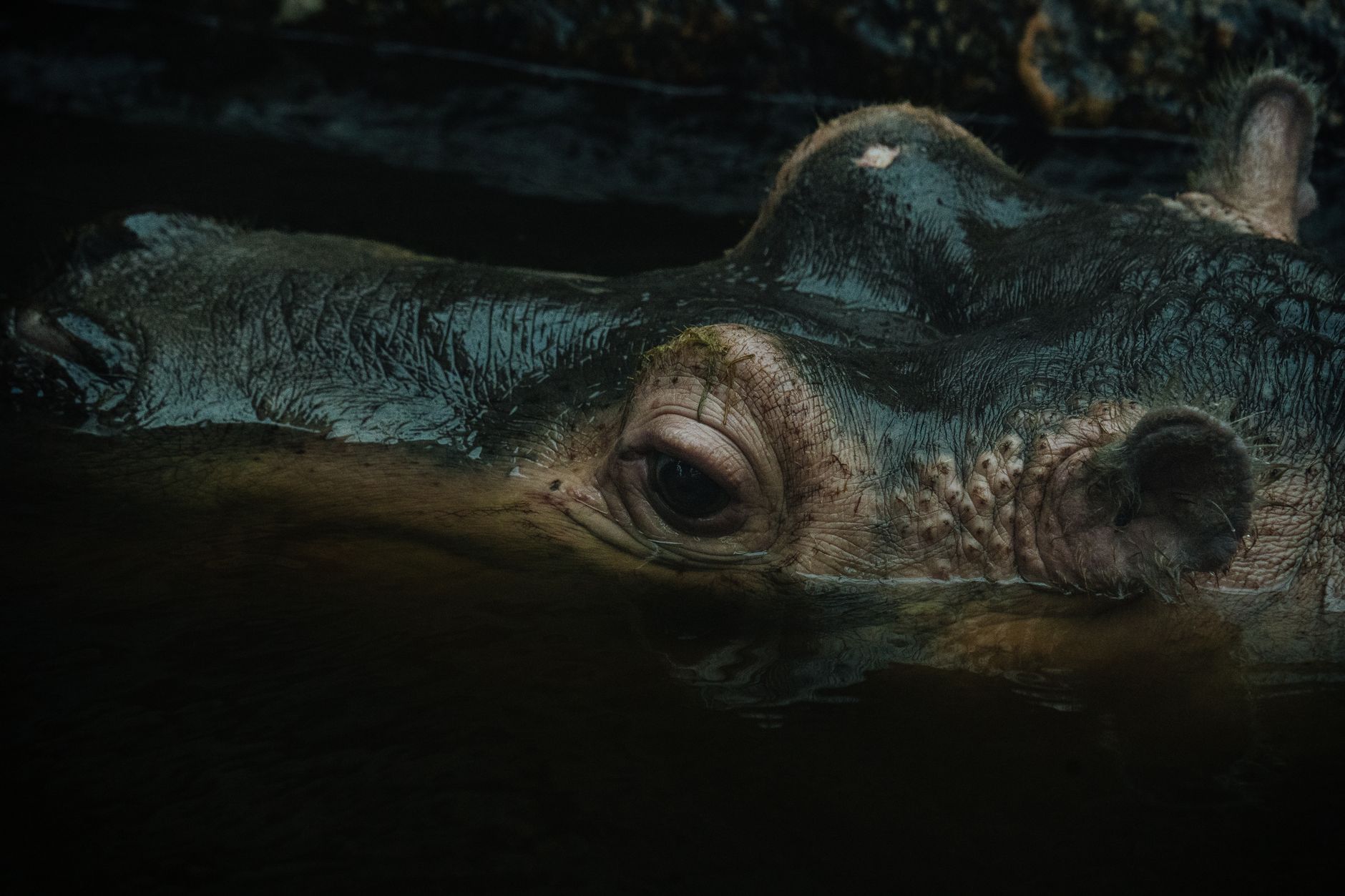
Beyond elephants, Pendjari holds genuine big-five-adjacent credentials. Lion populations, though not dense, are stable and sighted regularly – a rarity anywhere in West Africa. Buffalo move in large herds through the grasslands north of the Pendjari River. Hippo clusters occupy the deeper river pools. Roan antelope, kob, and hartebeest fill in the scenery between the headline animals in a way that makes a full-day game drive feel continuously active rather than punctuated by long empty stretches.
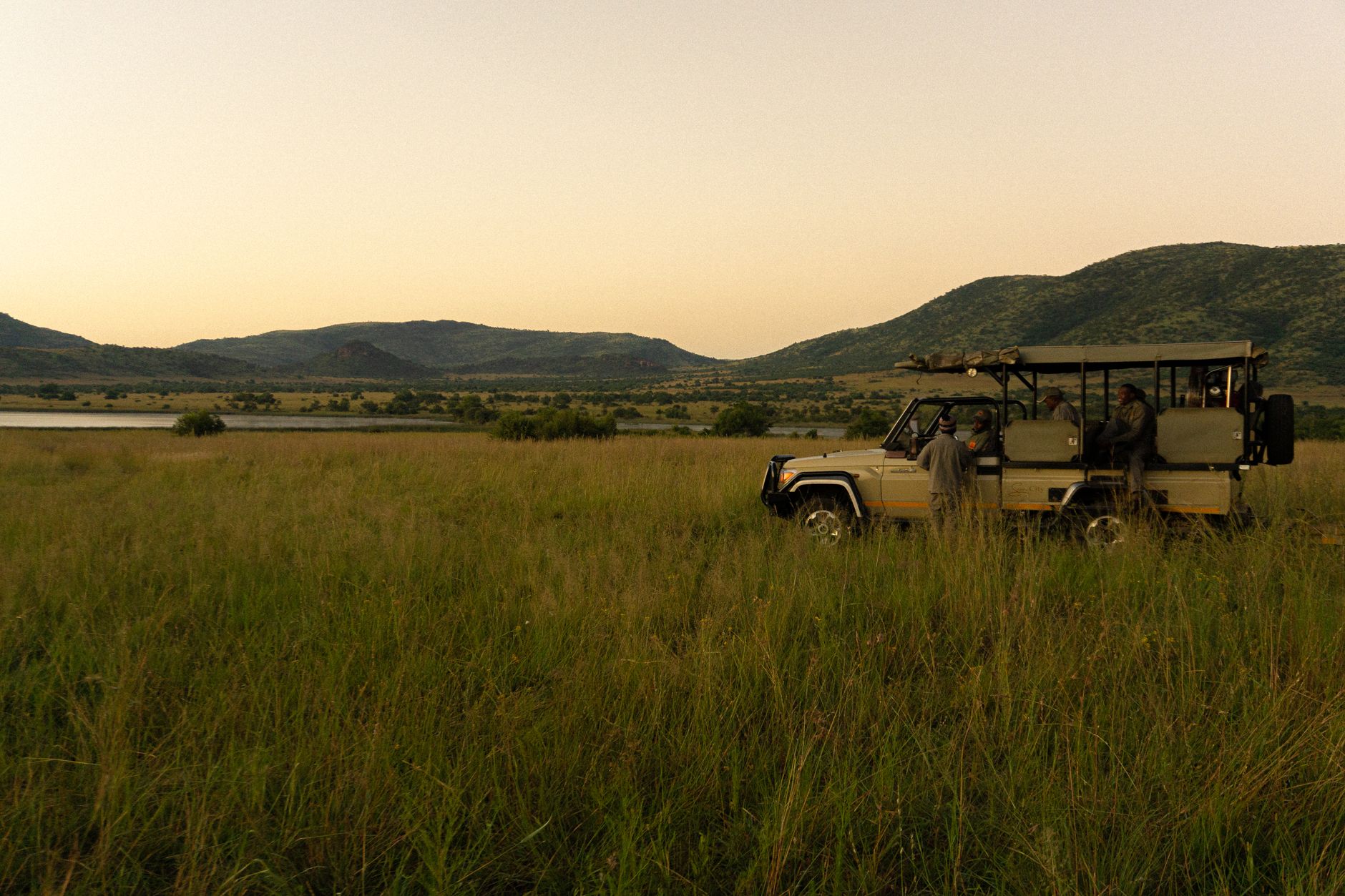
Infrastructure has improved considerably since African Parks, a conservation management organization, took over Pendjari’s operational management. Lodge options near the park gates now include facilities with trained guides, reliable communication, and medical evacuation protocols – the kind of baseline that nervous first-time Africa travelers need to make the booking decision. That shift has happened quietly, without the marketing push that parks in Kenya or Tanzania deploy, which is precisely why availability remains more open and prices stay below what comparable East African experiences now demand.
The Nazinga Comparison Is Earned, Not Assumed
Nazinga’s reputation rests on one specific and genuinely impressive phenomenon: its water hole concentrations. In the dry season, dozens of elephants converge on artificial and natural water points with a density that makes photography effortless and encounters feel almost guaranteed. For travelers whose primary goal is volume – maximum elephants in minimum time – Nazinga delivers that reliably. It’s a specific kind of safari experience, optimized for a specific expectation.
Pendjari offers something structurally different. The encounters here tend to involve more movement – following herds across open floodplains, intercepting groups at river crossings, watching bulls move through riverine forest at close range. It’s less predictable in the exact timing, but the spatial drama is wider. Guides here navigate terrain rather than position near a fixed point, which produces a different quality of observation. Whether that’s better depends entirely on what a traveler actually wants from the day.
The Geography Makes the Case
Pendjari’s position within the WAP complex gives it an ecological depth Nazinga can’t match by scale alone. The WAP complex – linking Benin’s Pendjari and W parks with Burkina Faso’s Arly reserve – functions as a single migratory corridor covering over 30,000 square kilometers. Elephant herds tracked across the complex move between all three countries seasonally, meaning the animals in Pendjari during one visit may be the same individuals moving through Arly three months later. The park is a node in a system, not an isolated reservoir of wildlife.
That systemic scale matters for long-term viability. Parks with connected habitat sustain populations more effectively than isolated reserves that depend on fencing or artificial management to hold animals in place. Pendjari’s elephants aren’t contained – they move, breed across a vast landscape, and return. That dynamic produces a population that behaves naturalistically rather than adapting to the behavioral patterns that emerge when animals concentrate around managed water points over generations.
Accessibility from Cotonou, Benin’s commercial capital, is straightforward by West African standards. Domestic flights connect Cotonou to Natitingou in the northwest, and the drive from Natitingou to Tanguieta – the main gateway town for Pendjari – runs under two hours on a paved road. Regional travelers coming from Accra or Abidjan can approach overland through standard border crossings. The logistics are not effortless, but they’re a significant step below what organizing a Burkina Faso itinerary requires, particularly for travelers monitoring regional security advisories.
Security context matters here and shouldn’t be glossed over. Parts of Burkina Faso, including regions adjacent to Nazinga’s operational area, have faced elevated travel advisories in recent years due to regional instability. Benin’s northwest has remained relatively stable, and Pendjari’s management infrastructure has continued operating through periods when comparable parks across the border paused or restricted access. For travelers weighing West Africa’s elephant options right now, that operational continuity is not a minor detail – it’s the deciding factor for many who would otherwise consider both destinations equally.
Frequently Asked Questions
When is the best time to visit Pendjari National Park for elephant sightings?
The dry season from November through May concentrates wildlife near the Pendjari River and seasonal wetlands, making elephant encounters most reliable during this period.
How do you get to Pendjari National Park from Cotonou?
Domestic flights connect Cotonou to Natitingou, followed by a drive of under two hours to Tanguieta, the main gateway town for the park.
Is Pendjari National Park safe to visit?
Benin’s northwest has remained relatively stable, and Pendjari’s management by African Parks has continued operating with consistent access, unlike some neighboring regions facing elevated travel advisories.