
The Plateau Most Safari Planners Skip
Liwonde National Park gets the brochure treatment – the Shire River, the elephants massing at the bank, the hippos surfacing at dusk. It is, without question, Malawi’s most recognized wildlife destination, and for good reason. But roughly 400 kilometers to the north, separated by altitude and attitude, the Nyika Plateau sits at over 2,000 meters above sea level and quietly accumulates a wildlife record that deserves far more attention than it receives.
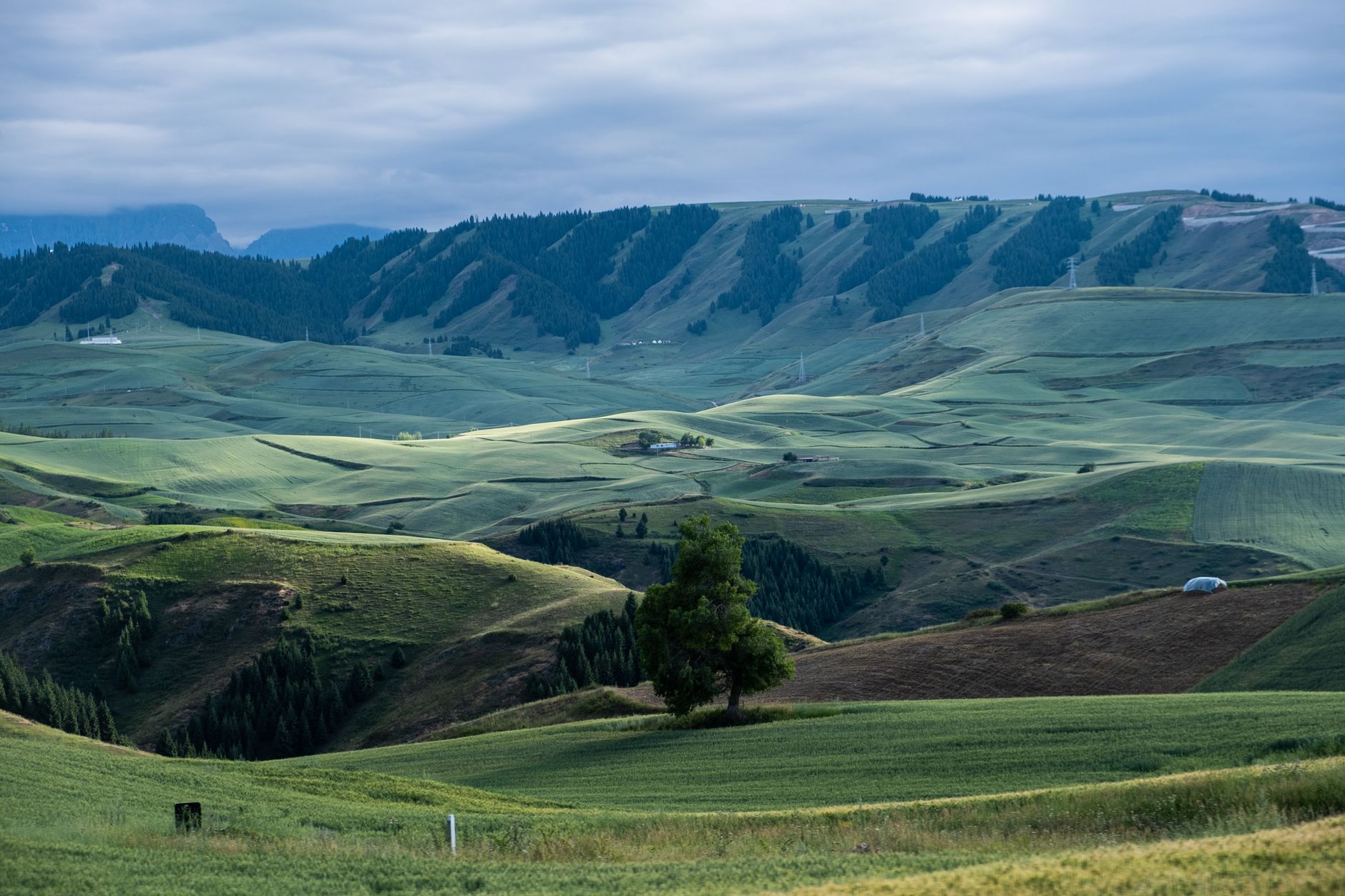
Nyika is Malawi’s largest national park, covering more than 3,000 square kilometers of rolling montane grassland, evergreen forest patches, and rocky outcrops. It looks nothing like the classic East African savanna that most travelers picture when they book an African safari. There are no acacia silhouettes against orange skies here. What you get instead is something closer to Scottish moorland, except the horizon is broken by zebra, eland, and roan antelope instead of red deer.
For antelope specifically, the numbers tilt decisively in Nyika’s favor.
An Antelope Census Worth Paying Attention To
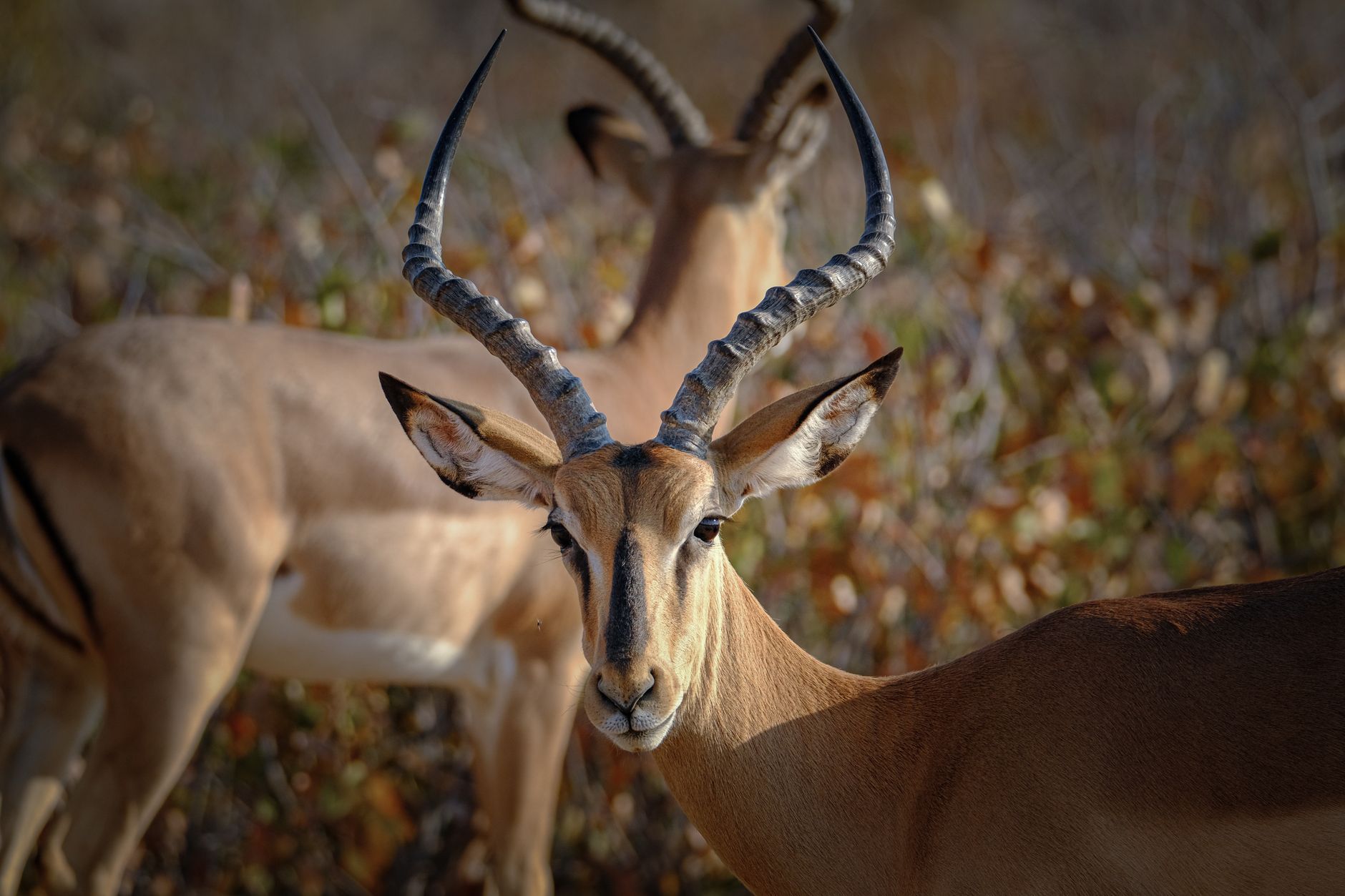
Nyika supports one of the highest concentrations of roan antelope in all of Central Africa. These are not animals you stumble across easily elsewhere on the continent – roan are wary, wide-ranging, and sensitive to habitat disturbance. The plateau’s high-altitude grasslands suit them precisely because those conditions exclude the heavy cattle grazing and agricultural pressure that have pushed roan out of lower-lying reserves across the region. When you drive Nyika’s dirt tracks at dusk, it is entirely reasonable to see herds of 30 or more roan moving across open grassland in single file – a sight that would be genuinely rare in most of southern Africa’s major reserves.
Eland, Africa’s largest antelope, are similarly abundant. Bulls weighing close to a ton move through the plateau in bachelor groups or in mixed herds, their dewlaps swinging and their hooves clicking with that distinctive sound that carries across quiet highland air. Zebra share the same grassland corridors, adding to a visual spectacle that, at certain times of morning, resembles something between a nature documentary and a fever dream. Reedbuck work the valley floors and stream edges. Bushbuck appear along forest margins. Common duiker materialize and vanish in the heather. Nyika is, in short, an antelope watcher’s circuit rather than a single-species destination.
Leopard presence is consistent but rarely discussed in promotional material. The cats use the forest patches scattered across the plateau and are seen with enough regularity that guides factor them into realistic expectations rather than treating a sighting as a bonus. Hyena are vocal most nights. Serval hunt the grasslands with a frequency that is unusual even by highland Africa standards, and the plateau may be one of the better places on the continent to observe serval behavior in daylight.
What Liwonde Does That Nyika Doesn’t – and Vice Versa
A fair comparison requires honesty about the differences. Liwonde holds a stronger card in terms of ecological drama – the boat safaris along the Shire River, the elephant density, the introduction of lions and wild dogs in recent years by African Parks, which now manages the reserve. If a first-time visitor to Malawi is choosing one park, Liwonde offers a more familiar safari rhythm and a higher probability of big-ticket sightings within a short stay.
Nyika asks more of you. The roads are rougher, the altitude means cold nights even in the dry season, and the accommodation options are fewer. The main lodge sits near the plateau’s center, and the park’s remoteness means that logistics require more planning. This is not a destination where you land in Lilongwe and arrive at your tent four hours later with a gin and tonic waiting. Getting to Nyika involves commitment – a long drive or a small aircraft charter to Chelinda airstrip. Travelers who make that effort tend to treat the journey as part of the experience rather than an obstacle to it, which says something about the type of traveler Nyika self-selects. Highland destinations with difficult access often reward visitors differently than polished, high-traffic parks do, and the same dynamic plays out in places like Lesotho’s Sani Pass region, where the effort of arrival is baked into the appeal.
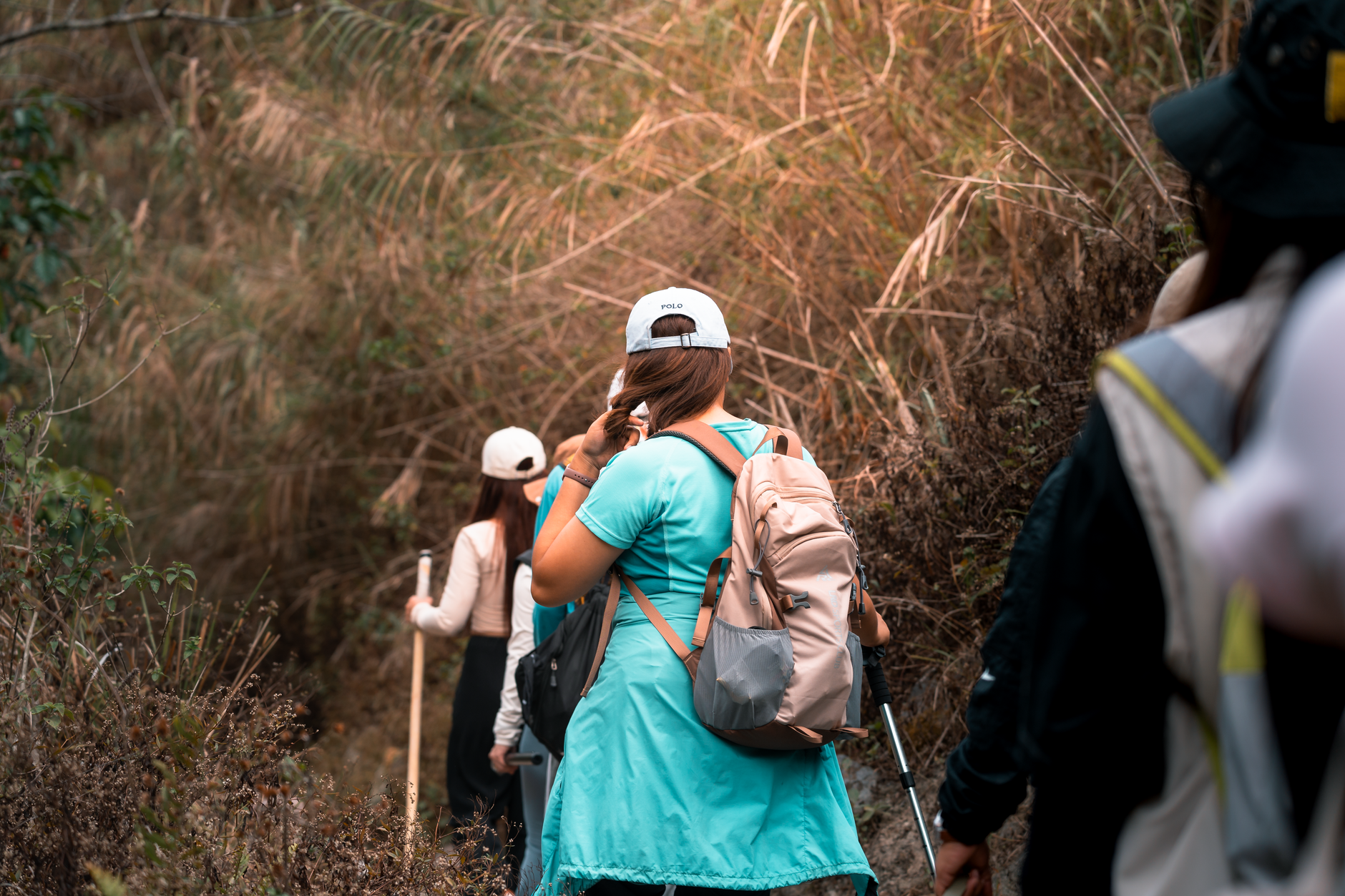
Walking safaris on Nyika are exceptional and worth centering an itinerary around. The open grassland topography means visibility is high and danger zones are readable. An armed ranger and a guide can take you on foot across miles of open moorland, approaching zebra and antelope on foot – which changes the psychological register of wildlife watching entirely. You are no longer inside a vehicle reading the animals through glass. The wind shifts, the roan herd picks up your scent, and in three seconds the whole group is moving at a canter across the ridge. That moment has a texture that no game drive fully replicates.
Why Nyika Belongs on the Short List
There is a specific window – roughly May through September, when the rains have cleared and the highland grass is short – when Nyika Plateau operates at something close to peak form. The cold mornings push animals into movement early, the light on the open grassland is extraordinary by seven in the morning, and the absence of other vehicles means you can sit with a herd of roan for forty minutes without another tourist appearing in your peripheral vision. That kind of solitude is increasingly difficult to find anywhere in African wildlife travel, and Nyika still offers it reliably, which may not last indefinitely as the park’s reputation grows beyond specialist circles.