
Where Nutmeg Once Ruled the World
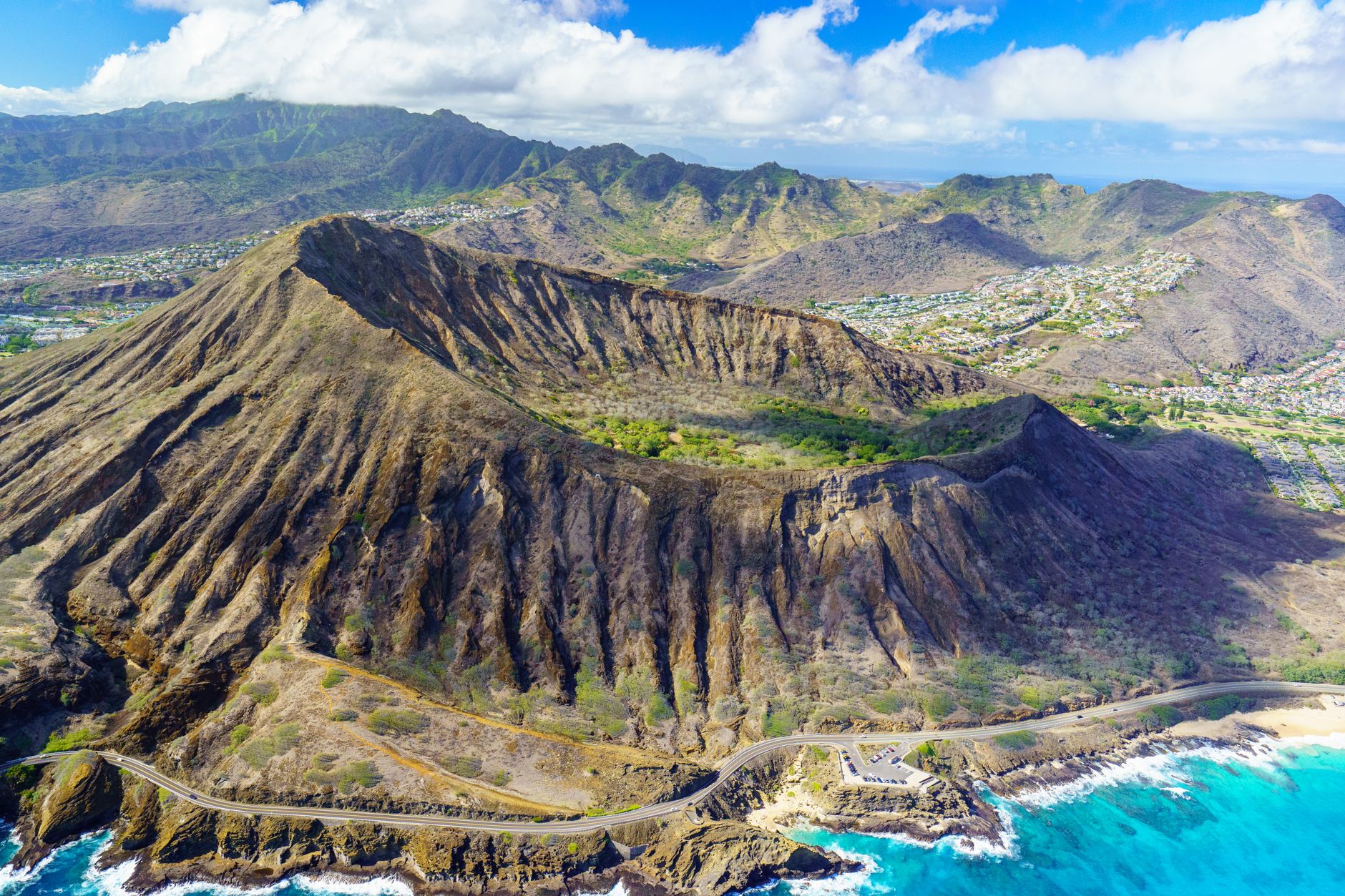
Before global spice routes were mapped and before the Dutch East India Company turned trade into empire, a small cluster of volcanic islands in the Banda Sea held more strategic value than most modern nations. The Banda Islands – ten specks of land scattered across the eastern reaches of the Maluku province in Indonesia – were, for centuries, the only place on earth where nutmeg and mace grew naturally. Wars were fought over them. Entire indigenous populations were displaced because of them. And today, they sit largely forgotten by the mass tourism machine, quietly waiting for the kind of traveler who finds that history is most vivid when you can smell it.
Raja Ampat gets the dives, the Instagram posts, and the flight connections. The Banda Islands get something harder to package: atmosphere.
The appeal here is not just underwater. It is in the crumbling Dutch colonial forts draped in moss, the nutmeg orchards that still perfume the air at dusk, the absence of crowds at dive sites that rival anything in the Coral Triangle, and a pace of island life that feels genuinely unperformed. Getting to Banda Neira – the main inhabited island and the hub of the archipelago – takes effort. That effort is exactly why the place still feels real.
The Dive Scene Nobody Is Fighting Over
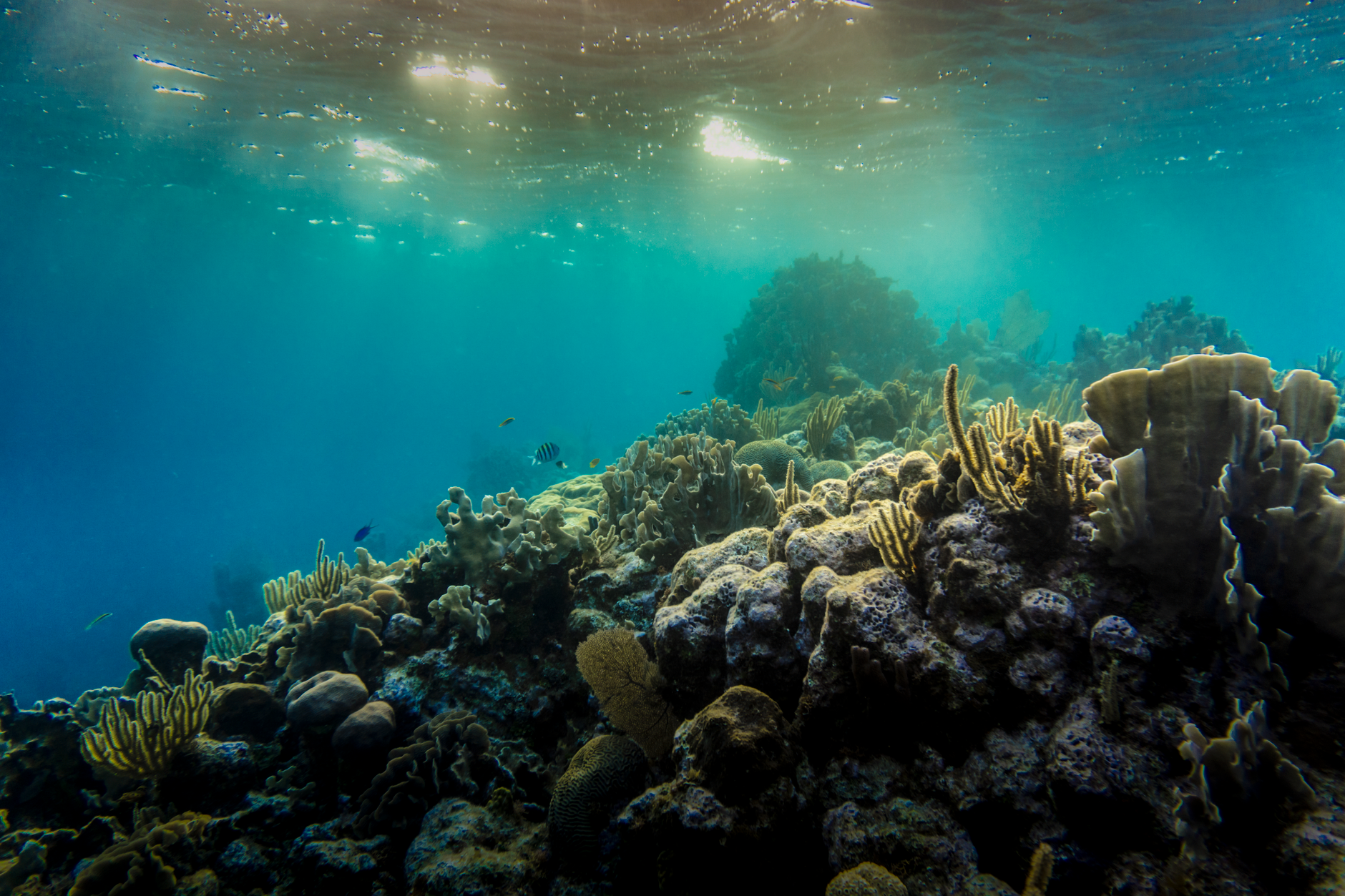
Raja Ampat’s underwater reputation is not exaggerated. But the sheer volume of live-aboard traffic during peak season means that even remote sites see a rotation of divers throughout the day. The Banda Sea operates differently. Visibility regularly pushes beyond 40 meters in the right conditions. The walls off Banda Besar and the seamounts surrounding Pulau Run drop into deep blue water with the kind of abruptness that makes experienced divers stop kicking and just stare. Pelagic life – hammerhead sharks, manta rays, schools of barracuda – moves through these waters with the freedom of something that has not yet learned to avoid humans.
A small number of local dive operators work out of Banda Neira, and the infrastructure is basic in a way that filters out the resort crowd. You will not find a five-star liveaboard with a spa deck anchored here. What you will find is a locally owned wooden boat, a knowledgeable guide who has been diving the same walls since childhood, and a site to yourself. The relative isolation of the islands – positioned far from the main tourist circuits of Lombok and Komodo – means that even during Indonesia’s high season, the dive sites around Banda rarely feel busy.
Above the water, the snorkeling off Banda Neira’s own shoreline is good enough to occupy an entire afternoon without needing to charter anything. Coral gardens in the shallows around the harbor hold reef fish in concentrations that would be headline news at a more developed destination. The fact that this is simply what you see when you wade in from the beach says something about how untouched the ecosystem remains.
Nutmeg, Fort Belgica, and the Weight of History
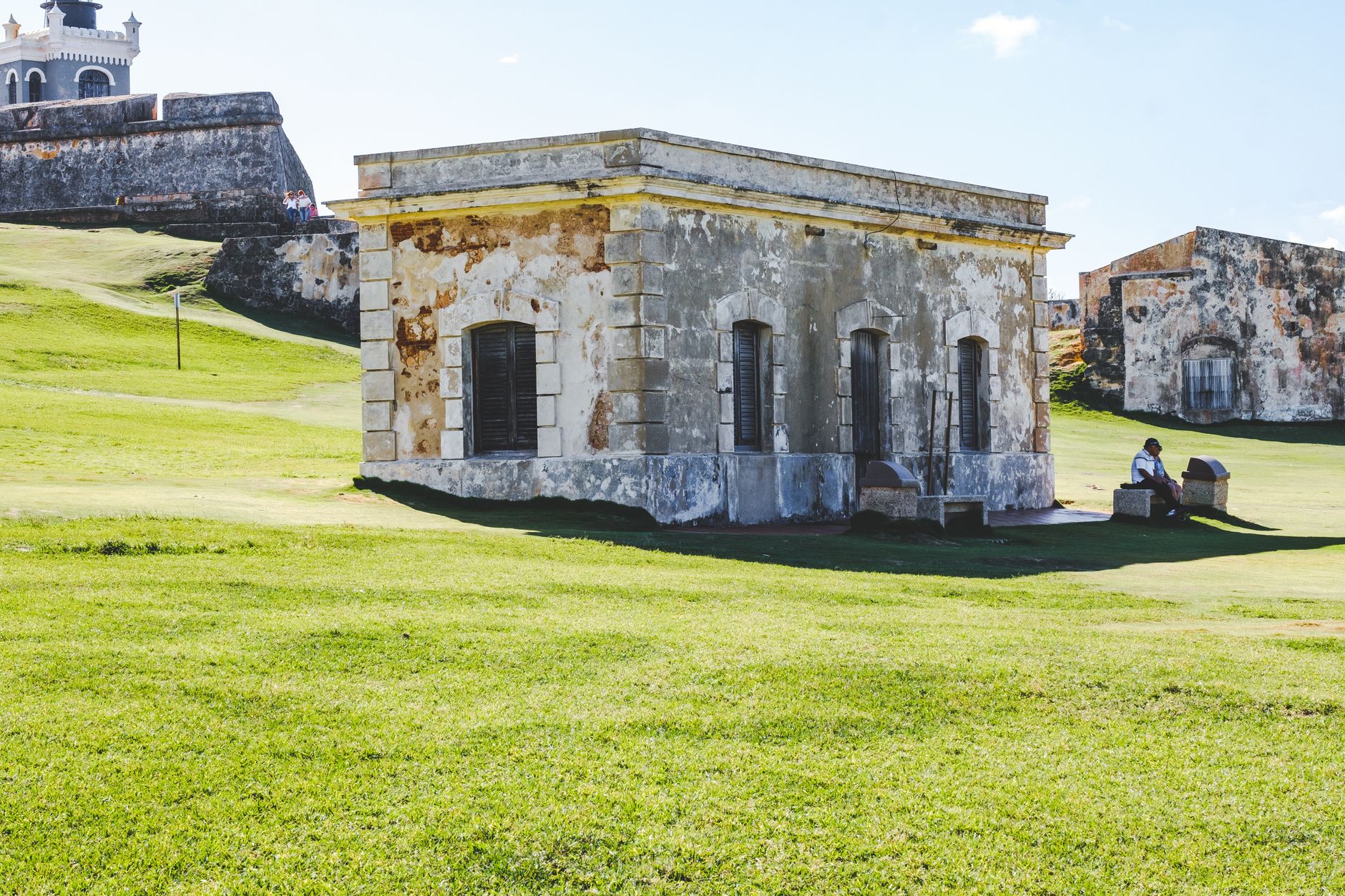
The colonial architecture of Banda Neira is not preserved in the polished, curated way of a UNESCO heritage zone. It is preserved the way things survive when nobody has the money to renovate them – partially, honestly, and with a kind of accidental dignity. Fort Belgica, built by the Dutch in the early 17th century, sits on a hill above the town with a view across the harbor and out toward the volcanic cone of Gunung Api. The walls are thick, the interior is open to the sky, and on most mornings you will share it only with a handful of local kids cutting through on their way to school.
The nutmeg trade that once made these islands so violently contested still operates, in a quieter register. Small family-run plantations cover the hillsides of Banda Besar and Pulau Ay, where nutmeg fruit hangs in clusters from trees that have been producing for generations. The outer shell becomes mace. The seed becomes nutmeg. The entire tree has a value that was, for a specific period of history, worth more per weight than gold in European markets. Walking through an active orchard here – with permission, usually extended without hesitation – puts that history into a sensory context that no museum can replicate.
Banda Neira town itself is small enough to walk end to end in twenty minutes. There are a few guesthouses, a market that opens at dawn with the day’s catch, and a handful of warungs serving fish in ways that vary just enough from meal to meal to stay interesting for a week. The absence of ATMs – you bring cash from Ambon – and the unreliable internet connection are not selling points the local tourism office would lead with. But for a certain type of traveler, these details are exactly the point.
Getting There, Getting Around, Getting Over the Logistics
The standard route runs through Ambon, the capital of Maluku province, which is connected to Jakarta and Makassar by regular flights. From Ambon, a small propeller aircraft makes the roughly one-hour hop to Banda Neira several times a week – though schedules shift seasonally and rebooking at short notice is a real possibility. A slower but scenic alternative is the overnight ferry from Ambon, which takes around twelve hours and runs less frequently. Neither option is seamless, and that is the first test the islands apply. Travelers who need predictable logistics will find the experience stressful. Those who treat variable schedules as part of the texture of the trip will arrive in Banda Neira with a better attitude and a good story about the crossing.
Once on the island, transport between the archipelago’s main points is by small wooden boat hired from the harbor. Day trips to Pulau Run – the island that England traded to the Dutch in exchange for a small island called Manhattan in the 1667 Treaty of Breda – take about an hour each way and cost a fraction of what comparable charters run in better-known Indonesian destinations. That trade, one of history’s more lopsided-in-retrospect real estate deals, feels less abstract when you are standing on the beach at Run watching a fisherman mend his net.
The best time to visit runs from October through April, when the Banda Sea is calmer and dive conditions peak. Outside that window, swells can close off certain sites and inter-island boat travel gets genuinely rough. The islands are not for every traveler – but for those chasing the kind of destination that rewards patience, the Banda archipelago offers something Raja Ampat, for all its spectacular marine life, can no longer guarantee: the feeling of having arrived somewhere before the crowd figured out the directions.