Ethiopia’s Danakil Depression Quietly Rivals Erta Ale for Extreme Wanderers

Where the Earth Forgets to Behave
The Danakil Depression sits in northeastern Ethiopia at roughly 125 meters below sea level, pressed against the Eritrean border in a corner of the world where tectonic plates are actively pulling apart. It is one of the hottest, driest, and lowest places on earth – not metaphorically, but by measurable, physical fact. Temperatures regularly exceed 50 degrees Celsius in the dry season, rainfall barely registers across the year, and the landscape looks less like a travel destination than a geology textbook brought violently to life.
Most extreme-travel conversation around Ethiopia begins and ends with Erta Ale, the shield volcano whose lava lake has become something of a bucket-list fixture for serious adventure travelers. Erta Ale deserves that attention. But the Danakil Depression as a whole is a far larger, more varied, and in many ways more disorienting experience – one that rewards travelers willing to move beyond the single iconic image and sit with a landscape that refuses to stay still.
This is not a destination for the casual curious.
Geology on Display at a Scale That Feels Personal
The most visually startling stop within the depression is Dallol, a hydrothermal field north of Erta Ale that produces one of the most alien color palettes found anywhere on the planet. Acidic pools in shades of bright yellow, green, and orange sit alongside salt formations and sulfur vents that release thin plumes of gas into already-scorching air. The colors are not subtle. They look digitally altered in photographs, and they look the same in person – which is its own kind of shock. Dallol is not a single feature but a shifting field of activity, and the path through it changes depending on recent geological movement. What was solid ground last month may now be submerged in brine.
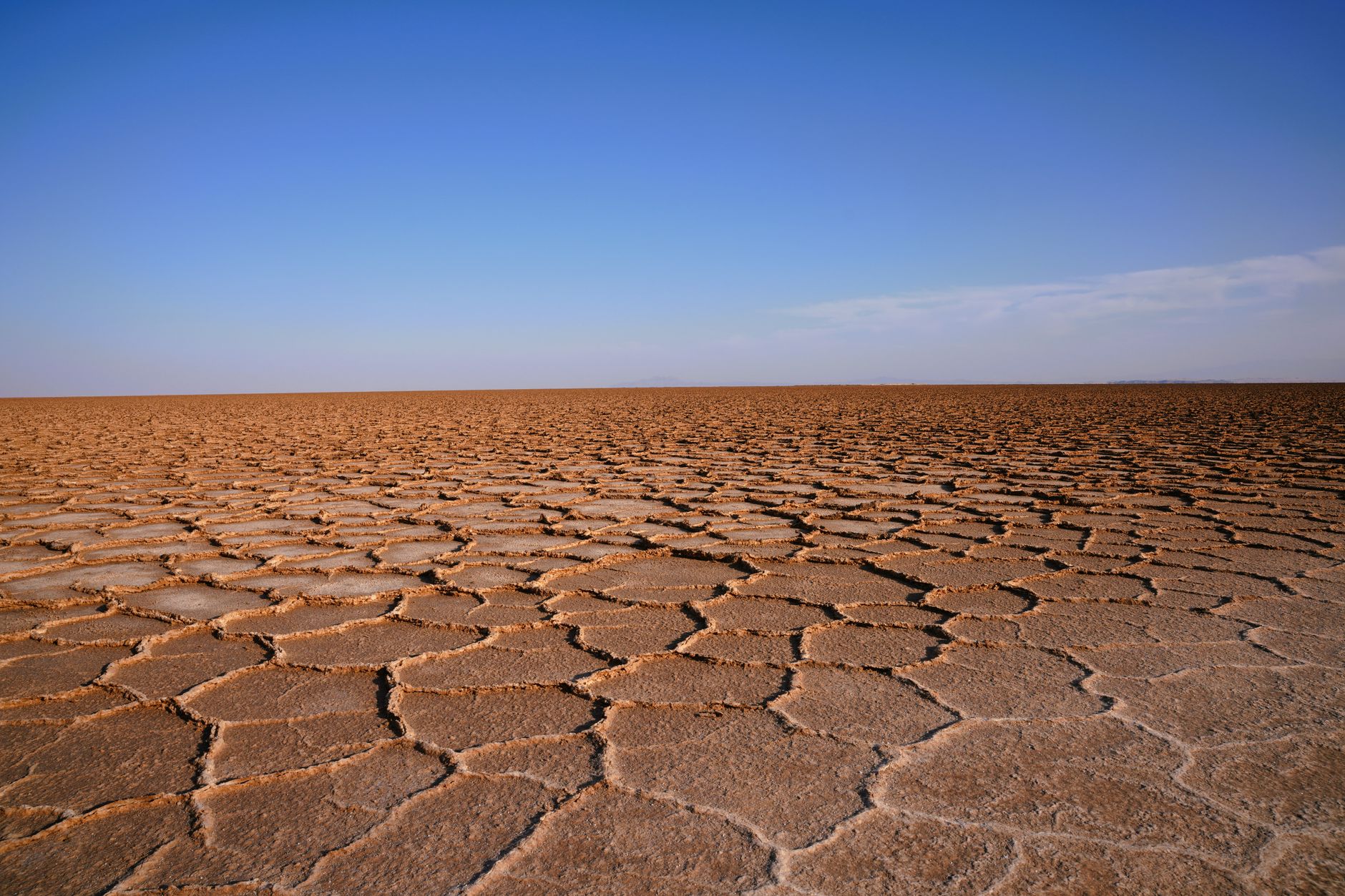
Salt is everywhere in the Danakil. The Karum salt lake spreads across the depression floor in flat white planes that throw back the heat and light with disorienting intensity. Afar salt miners have worked these flats for generations, cutting blocks by hand and loading them onto camels for transport to highland markets. Watching a camel caravan move across the salt flat at dawn – hundreds of animals in single file, loaded with white blocks – is the kind of image that travel writing risks sounding hyperbolic about. It is simply accurate. The practice is ancient and ongoing, not a staged display for visitors.
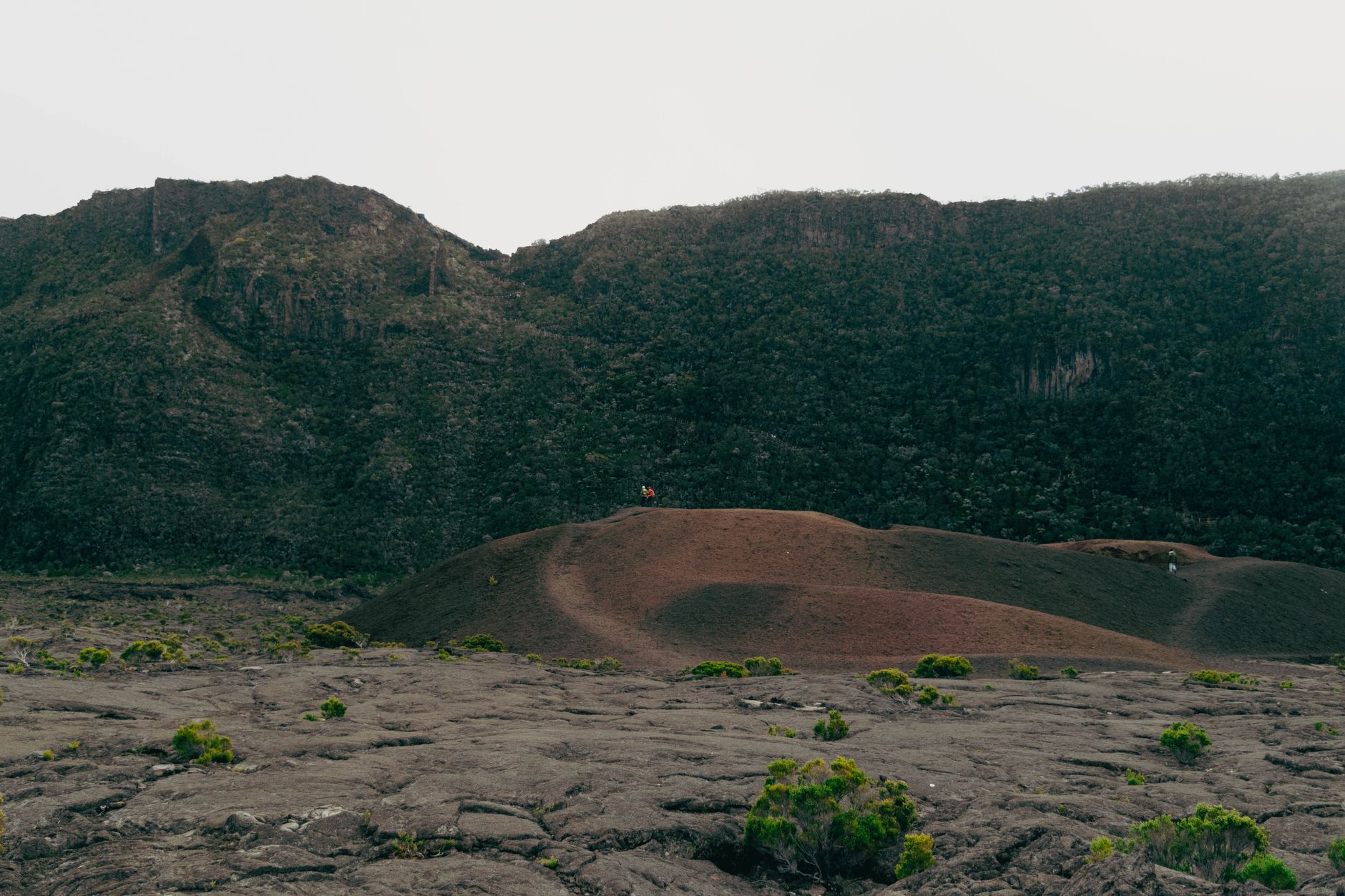
Beyond Dallol and the salt flats, the depression includes lava fields, sulfur springs, and the active geology of the East African Rift System working at full volume. The ground in some areas is thin enough to sound hollow underfoot. Tour guides – and guides are required here, both practically and by Ethiopian tourism regulation – know where to walk and where not to. That local knowledge is not a formality. It is the margin between a difficult experience and a dangerous one.
Getting There, and What That Requires
Access to the Danakil Depression runs primarily through Mekele, the capital of the Tigray region, from which organized tours depart by 4×4 convoy. The road conditions range from rough to nonexistent depending on the route and season, and tours typically cover multiple nights in the field – sleeping in the open air or in basic camp setups near Erta Ale or Dallol. The logistical chain involves local guides, armed escorts (standard in this remote region), cooks, and vehicle support. Solo travel here is not a realistic option, and attempting it would be genuinely reckless given the terrain and heat.
The Afar region where the depression lies has its own political and security context that travelers should research through current government travel advisories before booking. Conditions in remote Ethiopian regions can shift, and the responsible approach is to check the most recent guidance from your home country’s foreign ministry and to book with operators who have long-standing relationships with local communities. The experience is worth serious preparation – it is not worth taking shortcuts on the safety side to save time or money.
Seasonally, the window between November and March offers the least punishing temperatures, though “least punishing” still means heat that requires deliberate water intake and sun protection at every hour. For those who’ve traveled to extreme saline environments – Djibouti’s Lake Assal, for instance, shares the brine-heavy drama of the wider region – the Danakil operates on a completely different scale of intensity. It is not the salt alone that defines the experience; it is the combination of heat, geological activity, isolation, and the constant low-grade awareness that the landscape itself is not stable.
Why Erta Ale Doesn’t Tell the Whole Story
Erta Ale’s lava lake draws the photographs that circulate on travel platforms and gear up the anticipation for first-time visitors. The overnight trek to the summit – a slow, headlamp-lit crawl across hardened lava fields – is memorable in its own right, and standing at the crater rim watching active lava shift in the dark is an experience with no clean comparison. But Erta Ale is one feature within a broader system, and treating it as the destination rather than part of one makes the Danakil harder to understand. The depression’s real power comes from spending enough time in it to feel how many different kinds of extreme it contains – the chromatic violence of Dallol, the human history embedded in the salt trade, the animal-like heat that has shaped every living thing attempting to exist here. That accumulation is what separates the Danakil from a single dramatic photograph – and what most travelers who rush through for Erta Ale alone end up missing entirely.