Lesotho’s Sani Pass Quietly Rivals the Drakensberg for Highland Wanderers

The Road Nobody Takes
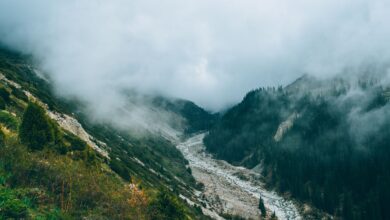
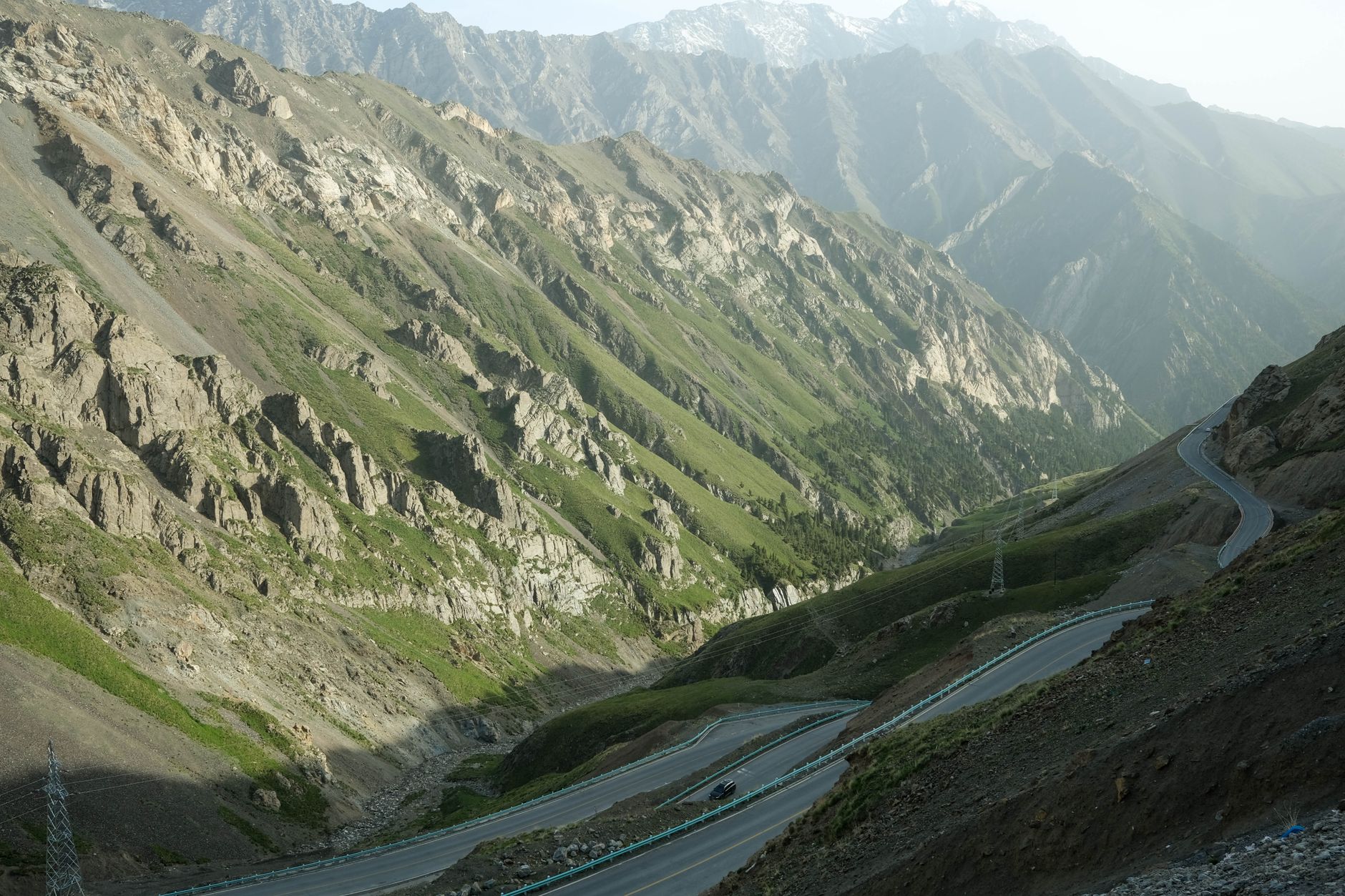
Sani Pass does not ease you in. The track climbs from KwaZulu-Natal in South Africa through a series of switchbacks so steep and loose that even seasoned 4×4 drivers grip the wheel with both hands. By the time you cross into Lesotho at roughly 2,876 meters above sea level, the air is thin, the plateau stretches in every direction, and the Drakensberg – that famous escarpment drawing hikers and resort guests by the thousands every season – sits somewhere below the clouds behind you. Up here, there is almost no one.
That solitude is the whole point. While the Drakensberg commands global attention through its UNESCO World Heritage status, its luxury lodges, and its trails mapped and graded for every fitness level, Sani Pass operates in a different register entirely. It is rugged, logistically demanding, and largely absent from mainstream travel itineraries. For a specific kind of traveler – one who measures a destination by what it withholds rather than what it offers – this is precisely the appeal.
A Kingdom in the Clouds
Lesotho is the only country in the world situated entirely above 1,000 meters. That geographical fact shapes everything: the culture, the climate, the economy, and the particular brand of silence you find on the Maluti highlands above Sani Pass. Basotho herders move their horses and sheep across the plateau in patterns that have not changed in generations. The wool blankets worn as everyday clothing are not a tourism performance – they are practical armor against wind that arrives without warning at altitude.
The Sani Mountain Lodge, sitting just inside the Lesotho border at the top of the pass, holds the distinction of being the highest pub in Africa. It is a legitimate landmark – not a novelty bar constructed for photo opportunities but a working refuge that has served guides, overlanders, and plateau trekkers for decades. A dram of whisky there, with frost forming on the windows and the whole of the Berg spread out below, is an experience that no curated Drakensberg itinerary can replicate.
Access matters here as a filter. Visitors without a 4×4 must book a seat in a shuttle or guided vehicle. That single logistical barrier keeps day-tripper volumes low and ensures the plateau retains a quality that popular mountain destinations routinely lose: the feeling that you have actually gone somewhere difficult to reach. The road itself – unpaved, rutted, occasionally washed out – is not a flaw in the experience. It is the experience.
What the Drakensberg Offers That Sani Cannot
Fairness requires saying plainly what the Drakensberg does better. The infrastructure on the South African side of the escarpment is mature and genuinely excellent. Royal Natal National Park offers world-class trails with clear signage, emergency protocols, and ranger presence. The Amphitheatre – a basalt wall stretching three kilometers across and rising over 1,000 meters – is a geological spectacle that draws photographers from every continent. If you need reliable accommodation, consistent mobile signal, and well-maintained paths, the Drakensberg delivers all of it without negotiation.
Families with young children, travelers with mobility considerations, or first-time visitors to southern Africa will find the Drakensberg a far more forgiving starting point. The range of lodging options alone – from budget chalets to upmarket spa resorts – means almost any travel style can find a fit. That accessibility is not a compromise; for many people it is the correct and sensible choice. Sani Pass does not pretend to compete on those terms.
Why Highland Wanderers Are Shifting Their Gaze
A growing number of South African adventure travelers and international highland trekkers are treating Sani Pass as the primary destination rather than a day add-on from the Berg. The plateau above the pass connects to longer Lesotho interior routes – through the Sehlabathebe National Park and toward the Drakensberg range on the eastern wall – that allow for multi-day horseback or hiking circuits with almost no other visitors. Basotho pony trekking in particular has developed a quiet following, with local guides leading routes that no GPS map fully captures.
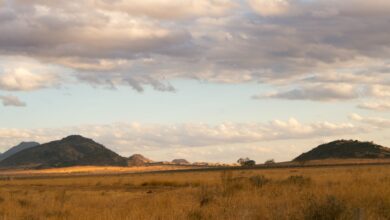
The photography conditions at altitude are different from anything available lower on the escarpment. The plateau light in early morning is flat and blue in a way that feels more like the Scottish Highlands or the Tibetan foothills than sub-Saharan Africa. Storm systems that take hours to build from the lowlands arrive on the plateau in minutes, and watching a thunderstorm roll across a treeless highland at 3,000 meters – from the relative safety of a stone lodge – is the kind of scene that sticks with a traveler for years. There are no trees to obscure the drama. The scale is total.
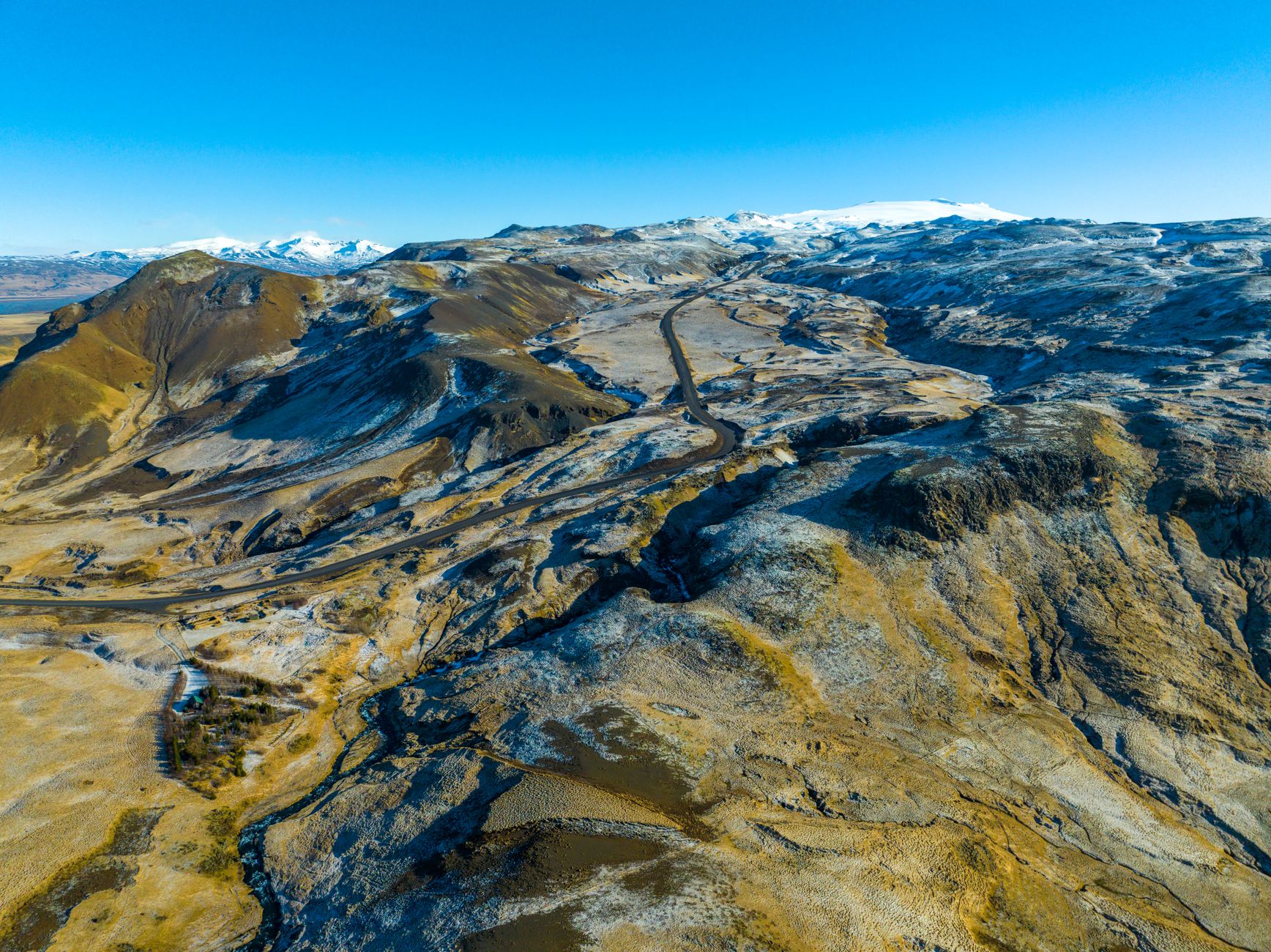
Snowfall is also a genuine factor, not a freak occurrence. Sani Pass closes regularly in winter months when ice makes the track impassable even for 4×4 vehicles. Rather than deterring visitors, this seasonal restriction has generated its own category of traveler – people who specifically time trips for the weeks when snow covers the plateau and the pass sits draped in white against a blue sky. Images from those windows circulate widely in hiking communities and keep demand steady through months when the Drakensberg resorts are largely quiet.
What separates Sani Pass from other underrated highland alternatives – including destinations like Zimbabwe’s Mana Pools that thrive precisely because of their logistical barriers – is that the pass itself generates a sense of achievement before you have done anything except arrive. You have already driven a road that turns most vehicles around. The plateau greets you not with a welcome sign but with wind and open sky and the quiet implication that whatever comes next is entirely up to you. That is a rarer thing to sell than a UNESCO plaque, and harder to replicate.