
The Migration You Haven’t Heard About
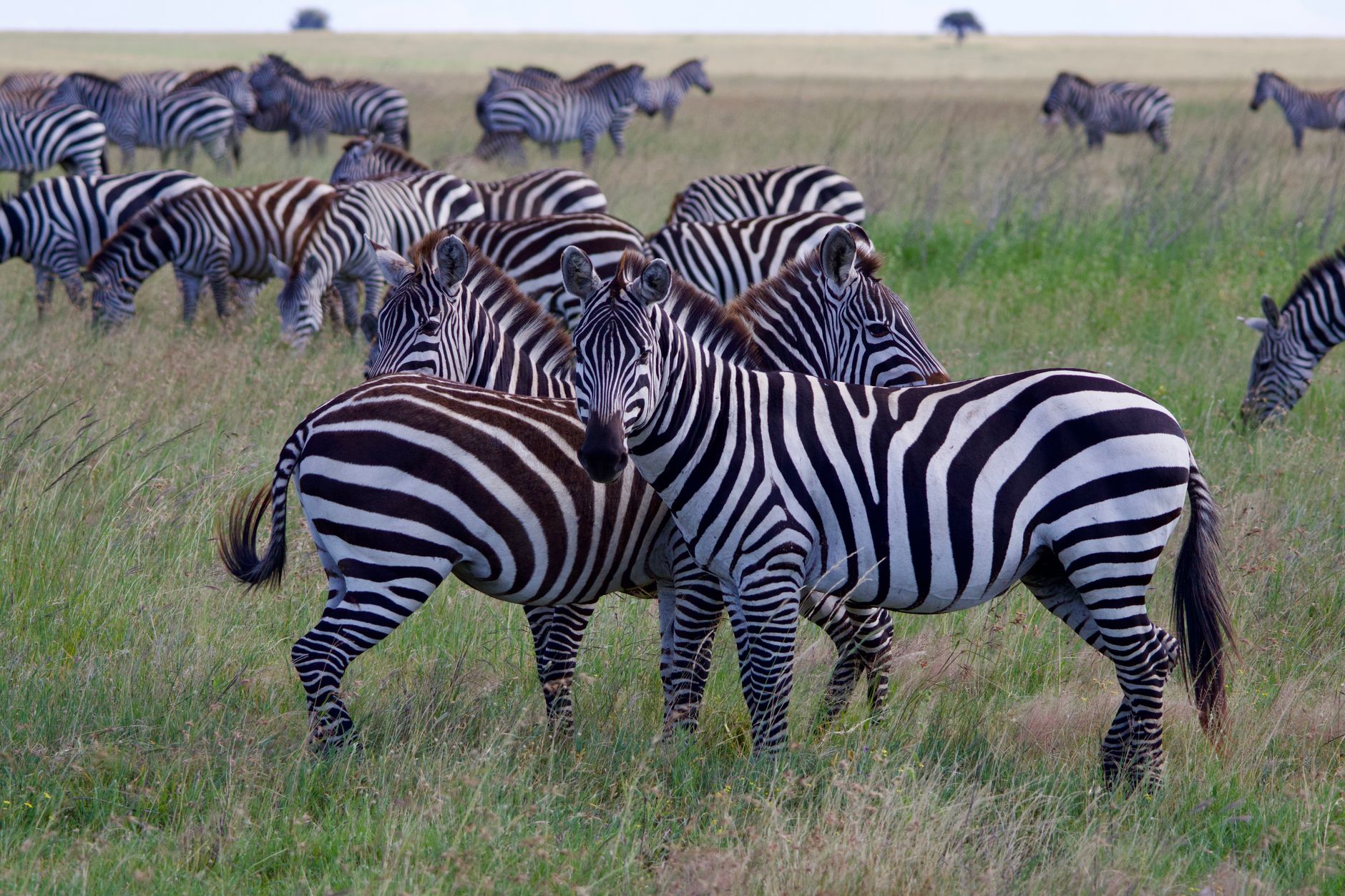
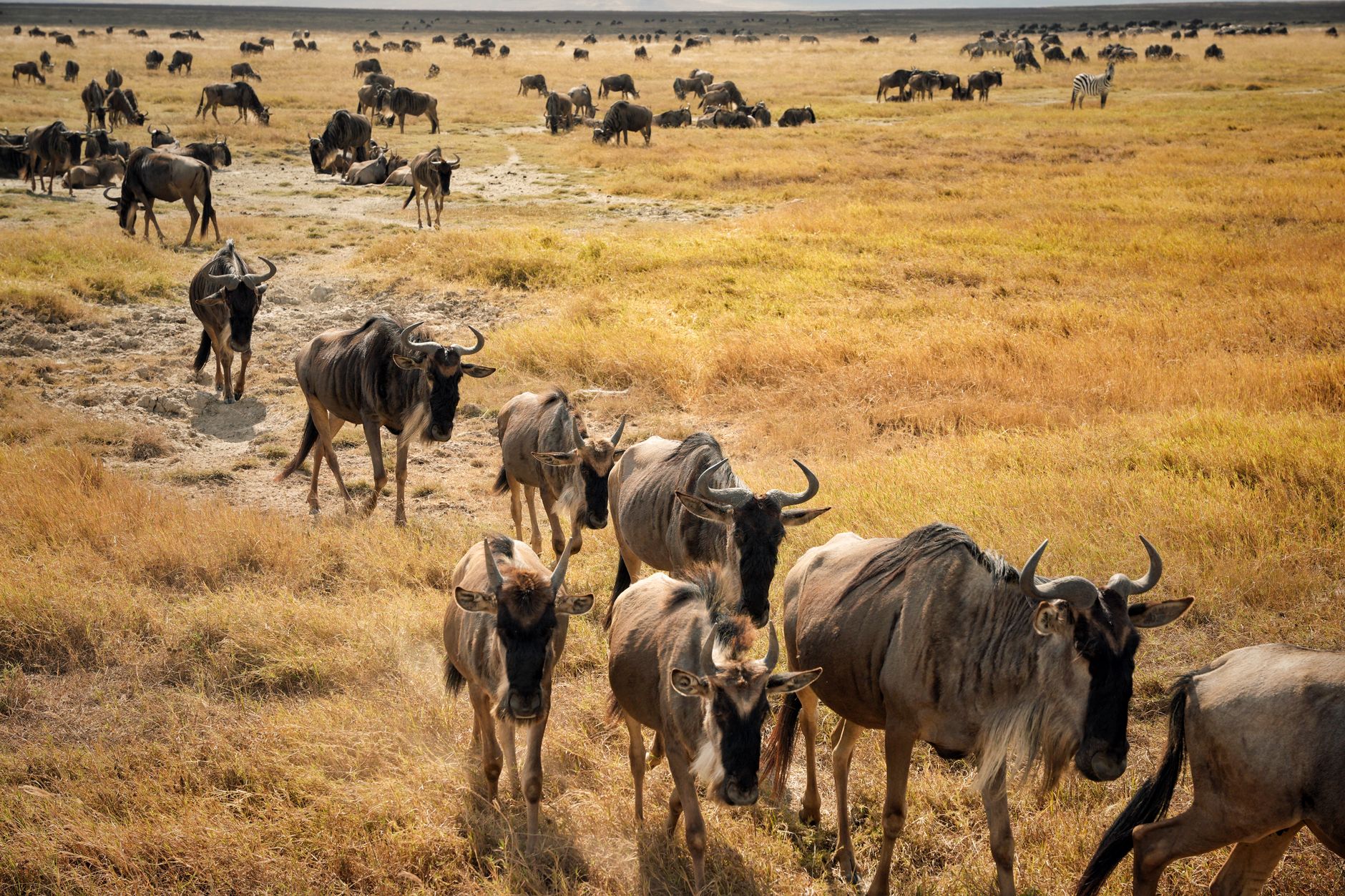
Every October, something extraordinary happens in the remote floodplains of western Zambia that almost no one outside of serious safari circles talks about. Thousands of blue wildebeest gather across Liuwa Plain National Park in one of Africa’s oldest and least-publicized annual migrations – a spectacle that predates the tourism infrastructure that now defines the Serengeti circuit. The animals move. The skies fill with vultures and eagles. And the camps, by any measure, stay quiet.
Most travelers who plan a Zambia safari head straight for Kafue – the country’s flagship national park and, by sheer size, one of the largest protected areas on the continent. Kafue earns its reputation. But Liuwa Plain, managed jointly by African Parks and the Barotse Royal Establishment, offers something Kafue increasingly cannot: a wildebeest spectacle with almost no one else watching it.
What Liuwa Plain Actually Is
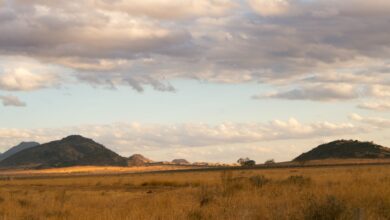
Liuwa is a vast, flat expanse of open grassland and seasonal floodplain in Zambia’s Western Province, bordering Angola to the north. The park covers roughly 3,660 square kilometers, but the landscape feels even larger because of its horizontal emptiness – no trees blocking sightlines, no termite mounds breaking the horizon for miles at a stretch. During the dry season, the plain turns golden and baked. When the rains arrive, it floods into a shallow inland sea that drives the wildebeest cycle.
The park’s history is unusual even by African conservation standards. During Zambia’s post-independence decades, the wildlife was hunted severely, and the wildebeest population collapsed. African Parks took over management in 2003 and has spent two decades rebuilding both the ecosystem and the local relationship with conservation. The results are visible: wildebeest numbers have recovered substantially, lions have been reintroduced, and the park now supports a functioning predator-prey system that had been absent for a generation. That recovery story – ongoing and imperfect – is part of what makes visiting Liuwa feel different from arriving at a park that has simply always worked.
The Wildebeest Migration, Without the Crowd Math
The Liuwa migration is smaller than the Serengeti’s by an order of magnitude, and anyone pretending otherwise would be doing travelers a disservice. What it offers instead is intimacy. When a herd of several thousand wildebeest moves across a flooded plain at dawn with no other vehicles in any direction, the experience lands differently than watching the same species cross the Mara River alongside a lineup of thirty Land Cruisers. The math of witness matters in wildlife viewing.
The peak period runs from November through February, when the rains are fully underway and the wildebeest are concentrated on the plain’s central grasslands. This is also the green season, which means lush photographic backdrops and active bird life – Liuwa is exceptional for raptors and waterbirds – but it also means some tracks become impassable and the few camps that operate reduce their capacity further. Travelers who time it right get the migration and near-total solitude simultaneously.
The predator activity during this period is worth planning around. The park’s lion population, small but growing, follows the wildebeest concentrations, and encounters in the open plain offer visibility that woodland parks like South Luangwa simply cannot match. Spotted hyena clans are active and visible, cheetah have been sighted with increasing regularity, and the flat terrain means that when something is happening, you can see it from a kilometer away without straining.
Liuwa also carries a particular story in its lion history that guides will tell around the fire. For years, a single lioness known as Lady Liuwa was the only lion left in the park – the last survivor of a population that had been wiped out. Her story, documented and filmed over time, became the emotional anchor of the park’s recovery narrative. The lions that hunt on Liuwa Plain today are her descendants and the reintroduced animals brought to give her company. That continuity is not a marketing angle; it changes how visitors relate to what they are watching.
Getting There, and Why the Effort Is the Point
Liuwa does not make itself easy to reach, and that is precisely why the crowds stay away. Access is typically via charter flight from Lusaka or Livingstone to the park’s small airstrip, followed by a short transfer to one of the two or three camps operating inside the park. Road access from Kalabo is technically possible but involves a ferry crossing of the Zambezi and several hours on difficult tracks – an adventure in its own right but not the route most operators recommend for first-timers.
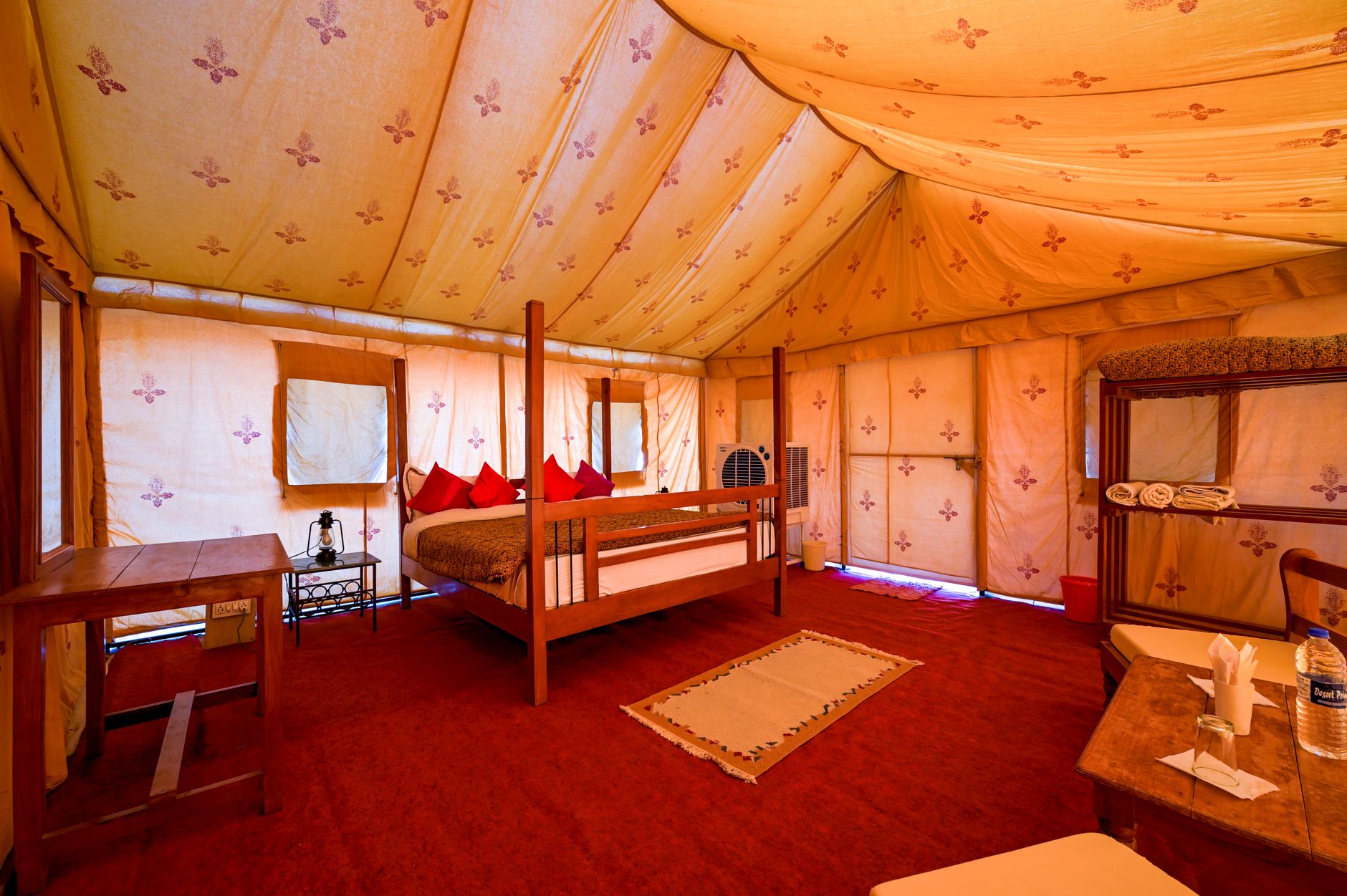
The accommodation inside Liuwa runs toward luxury tented camps with small guest capacities. This is not accidental. African Parks limits the number of beds inside the park to keep the footprint low and the experience exclusive by default rather than by price alone. The camps that operate here work closely with local Lozi communities, and the guides are often drawn from surrounding villages, bringing a depth of local ecological knowledge that is harder to find at more commercialized parks.
How It Compares to Kafue Without Overselling Either
Kafue is bigger, more accessible, and offers a wider range of habitats – from the Busanga Plains in the north to the miombo woodlands in the south. It supports more species across more seasons, and its network of operators and camps means travelers have flexibility that Liuwa cannot match. For someone visiting Zambia once and wanting broad wildlife coverage, Kafue makes logical sense.
But Liuwa rewards a specific kind of traveler: one who has already done the major parks and wants something that requires more commitment in exchange for less company. The same logic applies to Uganda’s Kidepo Valley, where the reward-to-effort ratio only makes sense once you’ve accepted that difficulty is part of what filters the crowds. Liuwa operates on the same principle. The park is not undiscovered; serious safari travelers know it well. But it has not crossed into the mainstream, and its infrastructure is deliberately designed to prevent that from happening.
The question worth sitting with before booking is whether you want the migration or the experience of the migration. Liuwa cannot offer the sheer scale of wildebeest that the Serengeti provides, and it will not try to. What it offers is a floodplain that floods on its own schedule, lions that were almost lost and are now back, and a wildebeest movement that happens whether anyone is watching or not – which, most years, they aren’t.
Frequently Asked Questions
When is the best time to visit Liuwa Plain for the wildebeest migration?
The peak period is November through February, when rains flood the plain and wildebeest concentrate on the central grasslands. Predator activity is highest during these months.
How do you get to Liuwa Plain National Park?
Most visitors fly by charter aircraft from Lusaka or Livingstone to the park’s airstrip. Road access via Kalabo is possible but involves a Zambezi ferry crossing and difficult tracks.