
Where the Heat Becomes the Landscape
The Dasht-e Kavir has long held Iran’s desert crown – a vast salt flat so dramatic it has drawn geographers, photographers, and adventure travelers for decades. But roughly 600 kilometers to the southeast, the Lut Desert has been quietly building a case of its own. It is hotter, stranger, and in many ways more rewarding for the traveler willing to look past the more familiar name.
The Lut Desert, known locally as Dasht-e Lut, earned UNESCO World Heritage status in 2016, partly because satellite thermal data recorded surface temperatures there that rank among the highest ever measured on Earth – exceeding 70 degrees Celsius in certain zones. That alone should end the conversation about which desert is more extreme. And yet Dasht-e Kavir still commands more itineraries, more search results, and more column inches in travel publications. The gap between reputation and reality here is striking.
What the Lut Actually Offers
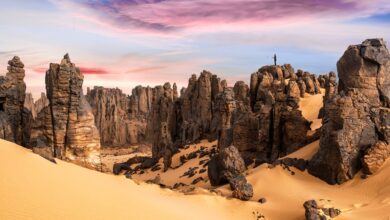
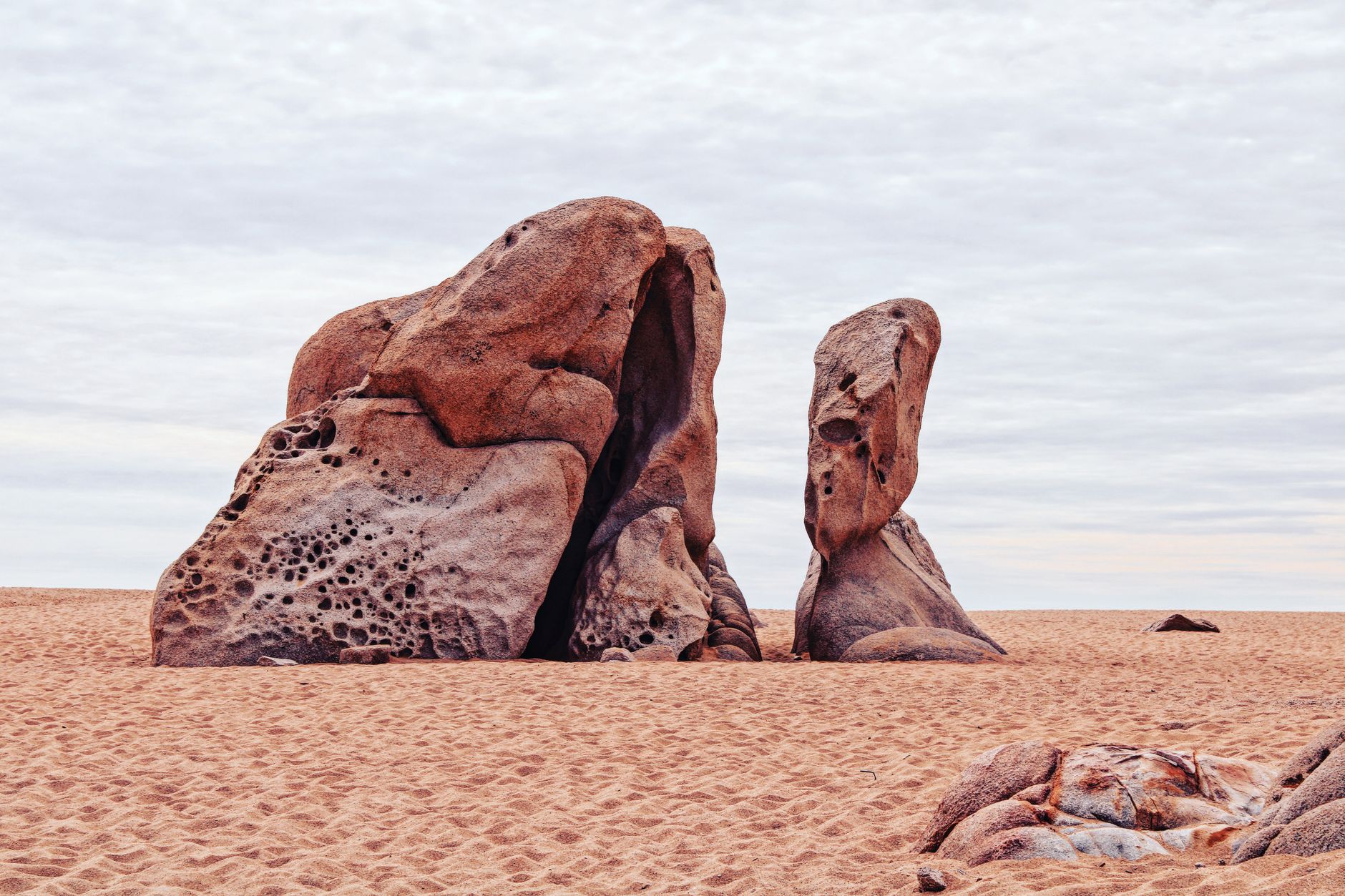
The Lut’s signature feature is a geological formation called the Kaluts – towering, wind-carved yardangs that rise out of the desert floor like the ruins of a civilization nobody built. These clay and sand formations stretch across hundreds of square kilometers in the western part of the desert, creating corridors and shadows that shift entirely depending on the angle of light. At sunrise, the Kaluts glow amber and rust. By midday, they’re almost white. The effect is less like looking at rocks and more like watching the landscape breathe.
The central basin of the Lut, by contrast, is nearly lifeless – and that is exactly the point. The area known as Gandom Beryan is a dark, pebble-covered plateau where virtually no plants, insects, or microorganisms have been found to survive. Standing in the middle of it, the silence is absolute in a way that no forest or ocean can replicate. It is the kind of quiet that makes you aware of your own heartbeat. For travelers who seek genuine remoteness, this is not a metaphor – it is the actual condition of the place.
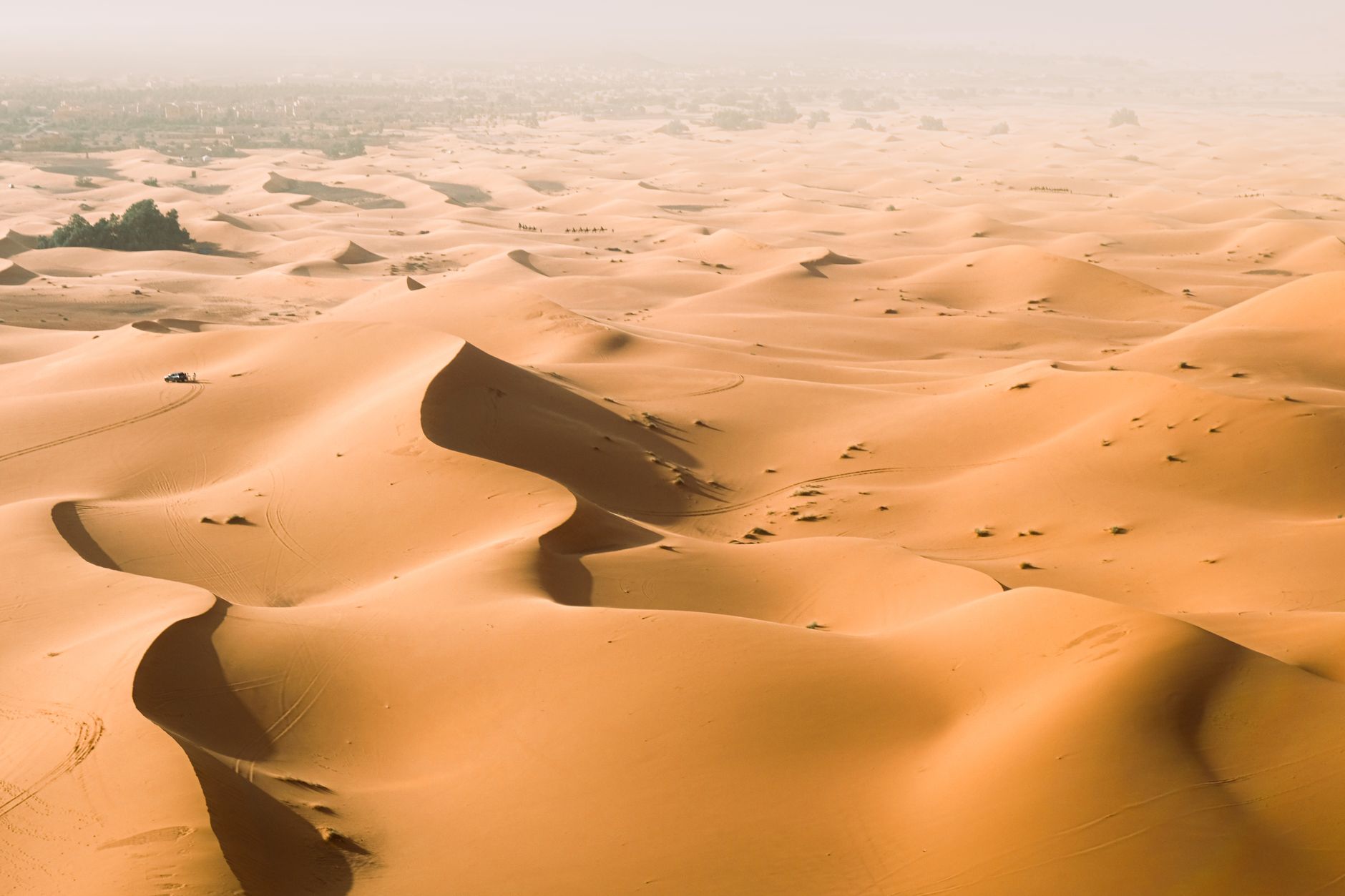
Beyond the Kaluts and Gandom Beryan, the Lut contains salt lakes, sand dunes that stack higher than many buildings, and volcanic formations that push through the desert surface without any warning. The dune fields, particularly in the eastern reaches near Shahdad, can reach 500 meters in height – among the tallest in the world. Navigating them on foot, even partially, requires a guide familiar with how the wind reshapes the terrain overnight. The desert erases its own trails.
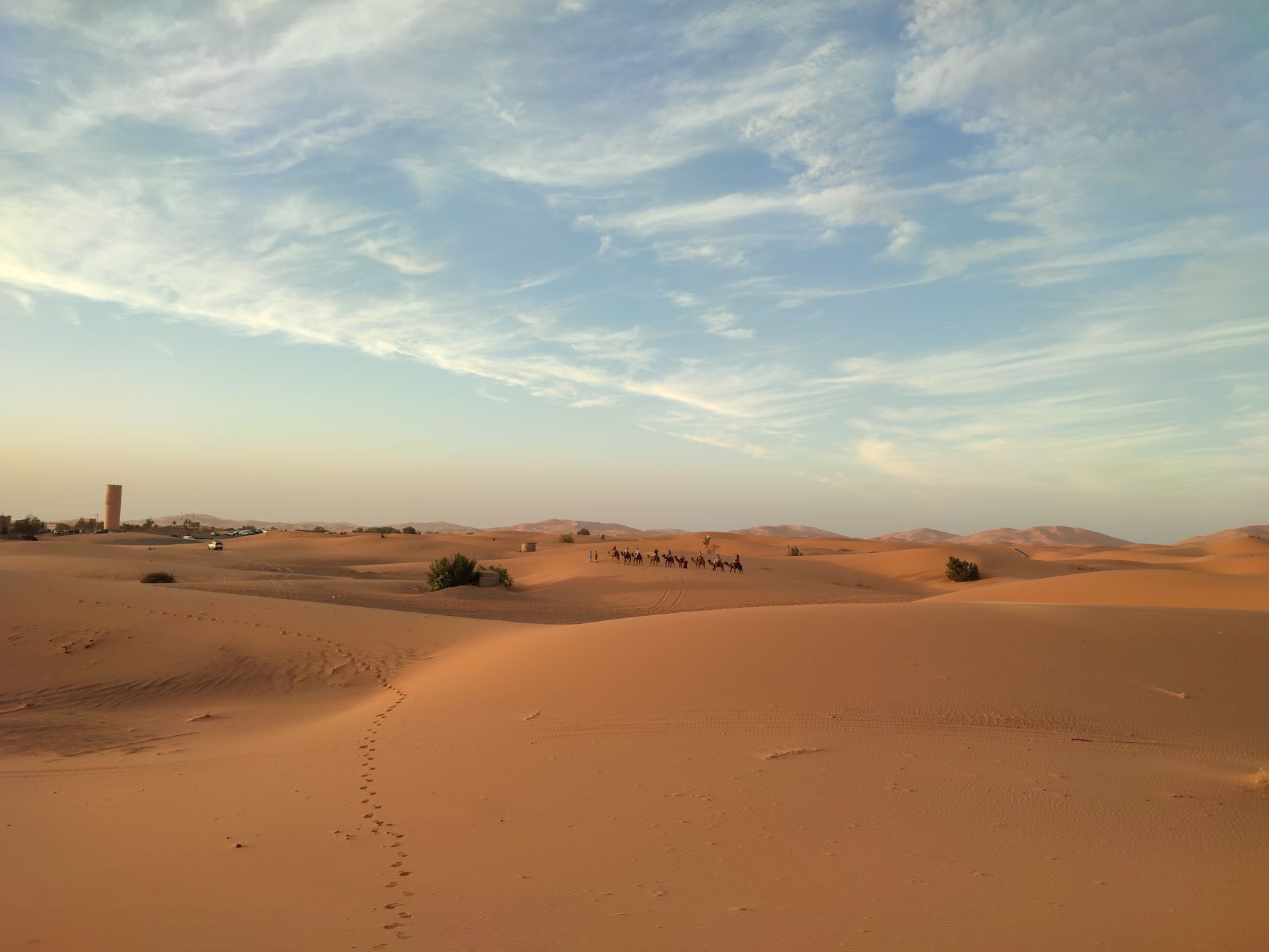
Access to the Lut has traditionally required a base in the city of Kerman or the smaller town of Shahdad, which sits at the desert’s northwestern edge. From Shahdad, organized 4×4 excursions can take travelers deep into the Kaluts region within an hour. Some operators now offer overnight camping inside the desert, which is a different experience entirely – the temperature drops sharply after dark, the stars are exceptional at this latitude, and the landscape that looked monochromatic during the day reveals entirely new colors under a full moon.
The Dasht-e Kavir Comparison, Honestly
Dasht-e Kavir has real advantages that deserve acknowledgment. It sits closer to Tehran, making logistics simpler. The salt flats there have a photogenic quality that photographs extremely well – the cracked, hexagonal salt crust is iconic in a way that is easy to communicate visually. It has also been receiving travelers for longer, which means infrastructure is more developed and guides are easier to find at short notice.
What Dasht-e Kavir does not offer is the geological drama of the Lut. The two deserts are fundamentally different in character: Kavir rewards the visitor who wants stillness and minimalism, a flat horizon stretching toward nothing. The Lut rewards the visitor who wants the desert to do something – to build formations, change color, surprise them around a corner. Neither is objectively superior, but the traveler who makes it to both will almost certainly find the Lut harder to forget.
Practical Realities for the Journey
Timing is non-negotiable when visiting the Lut. The desert is effectively off-limits from June through August, when surface temperatures make extended time outside genuinely dangerous. The ideal window runs from October through early April, with November and March offering the best combination of warmth during the day and comfortable temperatures at night. February visits are possible but require preparation for cold nights.
Iran’s visa process has historically been a friction point for Western travelers, though e-visa options have expanded access in recent years. Travelers holding passports from certain countries, including the United States, the United Kingdom, and Canada, face additional restrictions and typically require a registered guide for travel within the country – which, for Lut Desert visits, is practical advice regardless of passport. The desert is not somewhere to navigate alone without local knowledge.
The town of Shahdad itself is worth arriving a day early to explore. Local families there have lived alongside the desert for generations, and conversations with residents – through a guide who speaks Farsi – offer context that no satellite image or guidebook can provide. The Lut is not just a natural feature; it is a lived landscape with its own history of camel routes, seasonal herders, and communities that understood for centuries what modern thermal sensors confirmed much later.
The Question the Lut Keeps Asking
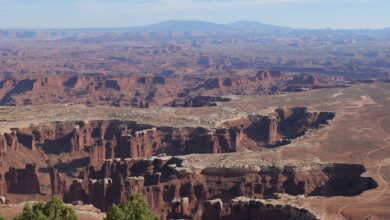
There is a specific moment that travelers consistently describe from their time in the Lut – standing at the base of the Kaluts in the late afternoon, watching the light change, with no sound except wind. The formations around them have no precedent in anything they have seen before. Neither European landscapes nor other Middle Eastern deserts prepare you for them. The closest visual comparison might be the American Southwest, but even that falls short because the Kaluts are softer in outline, more organic, almost geological sculpture rather than hard rock.
The Lut sits in a country that many travelers have never seriously considered visiting, which is precisely why it remains undercrowded at a time when the world’s great deserts are increasingly on bucket lists. Whether that changes as access improves and word spreads is the tension the Lut carries into every new season.