Tajikistan’s Wakhan Corridor Quietly Rivals the Pamirs for Silk Road Wanderers

Where the Silk Road Still Breathes
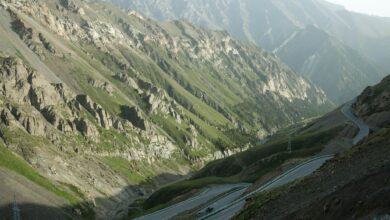
The Pamir Highway gets the headlines. Overlanders post their dusty selfies at the Ak-Baital Pass, travel magazines run spreads on Murghab’s bleak beauty, and the M41 highway has become the backpacker circuit’s prestige badge for Central Asia. But running parallel to all of that noise, tucked along Tajikistan’s northeastern border with Afghanistan, the Wakhan Corridor offers something the Pamirs rarely can anymore: genuine remoteness, unmediated history, and a landscape that doesn’t yet know it’s supposed to attract tourists.
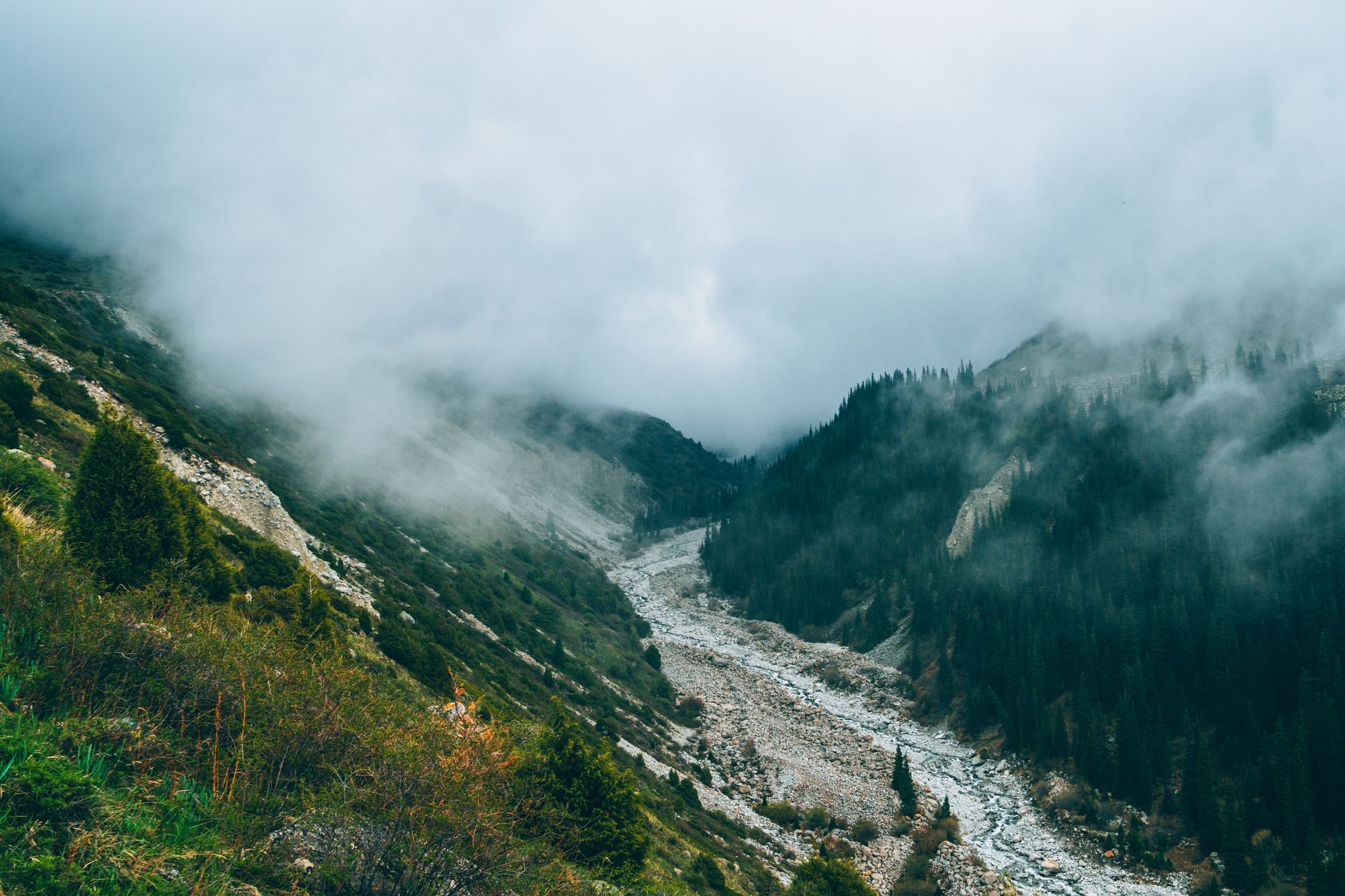
The corridor is a narrow strip of land – roughly 350 kilometers long and no more than 65 kilometers wide at points – that once served as a buffer zone between the Russian and British empires during the 19th-century Great Game. Today it serves as a buffer between the modern world and something considerably older. Ismaili Muslim villages cluster along the Panj River, which forms a natural border with Afghanistan, and across the water you can see Afghan Wakhi communities living in ways that mirror the Tajik side almost exactly. Geography, not nationality, defines life here.
Getting There Is the First Test
Access to the Wakhan requires a GBAO permit – the special permit required for the Gorno-Badakhshan Autonomous Oblast region – which is obtainable in Dushanbe or through a registered tour operator before arrival. The process is manageable but not instant, and that friction alone filters out casual visitors. From Ishkashim, the main entry town, rough roads follow the Panj River upstream through a series of villages with names that don’t appear on most Western maps: Yamg, Langar, Vrang. A four-wheel-drive vehicle is necessary for the deeper sections; some routes require fording shallow rivers where bridges have washed out.
The travel time from Dushanbe to the corridor’s far reaches runs anywhere from two to four days depending on road conditions, seasonal closures, and how often drivers stop to wait out minor landslides. That calculus changes the type of traveler who arrives. The Wakhan doesn’t reward impatience. It rewards people who read the landscape slowly and don’t mind eating the same bread and tea for breakfast three mornings in a row.
Accommodation runs from basic homestays to a small number of community guesthouses that have been supported by development organizations working in the region. Comfort is minimal by most standards, but Wakhi hospitality is not. Hosts routinely share food that represents a significant portion of their household provisions, and turning it down politely is an art form worth researching before arrival.
What the Corridor Actually Contains
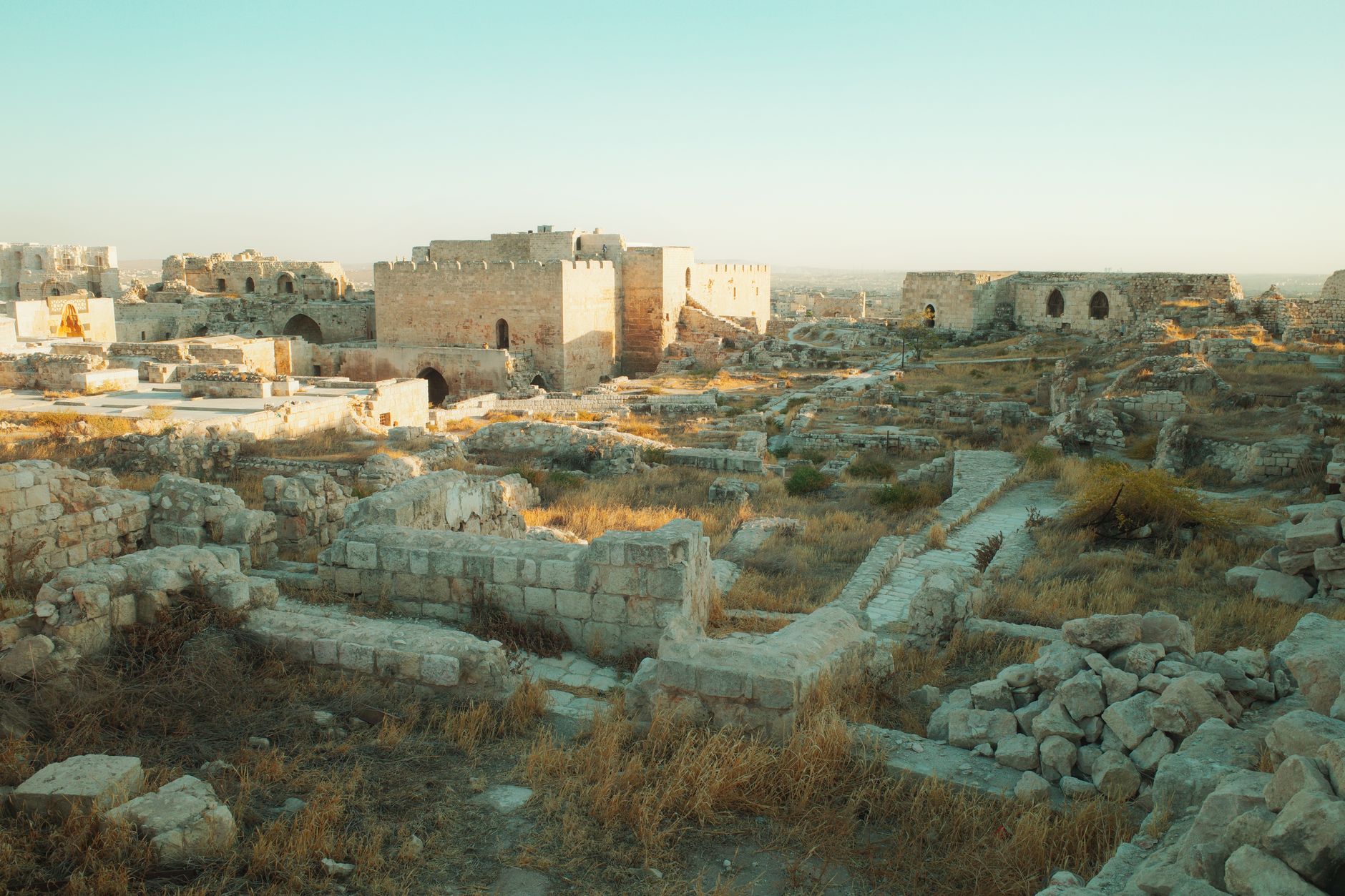
The archaeology here is serious. Yamchun Fortress, a Silk Road-era citadel perched above the Panj River, dates back roughly two millennia and has been partially restored without losing its essential ruinousness. Below it, the Bibi Fatima hot springs draw both local pilgrims and the occasional trekker – the springs are considered sacred, and the water temperature runs hot enough to require careful entry. The combination of a working spiritual site and a Silk Road fortification within walking distance of each other captures the corridor’s essential character: layers of history still in active use.
At the village of Vrang, a Buddhist stupa complex sits on a hillside overlooking the valley – a reminder that before Islam arrived in the region, the Silk Road carried Buddhist monks as steadily as it carried merchants. The stupa is partially excavated, partially crumbling, and almost entirely uninterpreted. There are no plaques in English, no audio guides, no ticket booth. You walk up to it, look at it, and construct your own understanding of how it got there and what it meant. For travelers accustomed to heritage sites that explain themselves aggressively, this requires adjustment.
The trekking possibilities extend into the Pamir range proper, where trails cross into the Big Pamir range and, with the right permits and logistics, connect to passes used by Marco Polo on his 13th-century route east. The Marco Polo sheep – a massive high-altitude wild sheep with spiraling horns – still roams these elevations, and wildlife sightings, while unpredictable, are a genuine possibility rather than a marketing promise. Snow leopard tracks have been reported near higher passes, though sightings remain rare.
The Wakhan River itself, joining the Panj near Ishkashim, offers a calmer parallel adventure for those less inclined toward altitude. Fishing the river requires local knowledge and ideally a guide from one of the Wakhi villages, and the relationship between outside visitors and local fishing practices is worth navigating with care. The corridor runs inside a UNESCO-nominated cultural landscape – the Tajik National Park covers much of the surrounding territory – which adds a layer of conservation consideration to any extended backcountry travel.
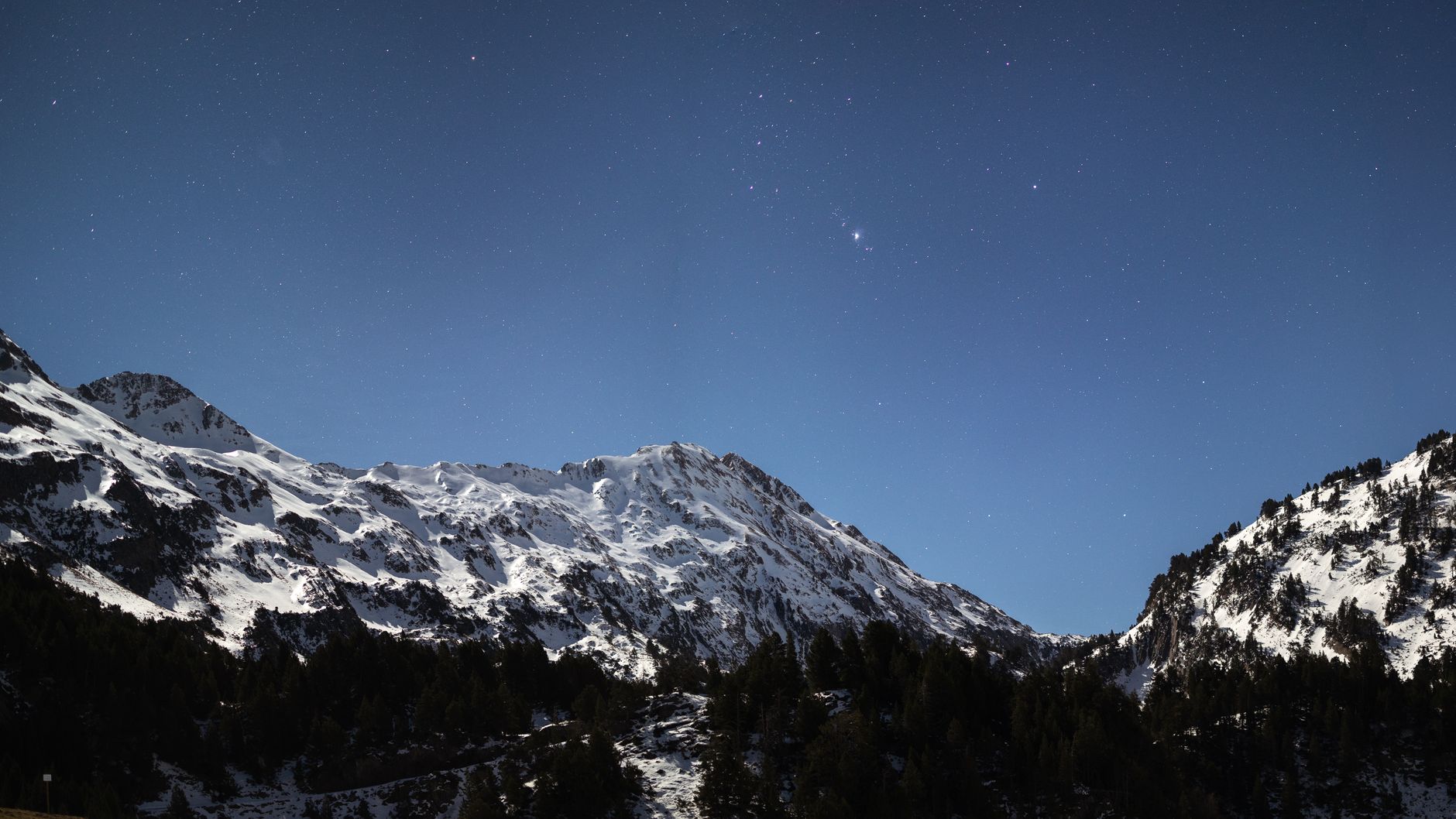
What separates the Wakhan from the broader Pamir tourist circuit is exactly what makes it harder to package: there is no single attraction, no definitive route, no obvious finish line. The Pamir Highway has a logic to it – a direction, a sequence of towns, a social infrastructure of guesthouses and overlander camaraderie that has built up over years. The Wakhan has none of that scaffolding yet. Two travelers can spend the same number of days there and come away with entirely different accounts of what they saw, because the corridor’s value is distributed rather than concentrated. A morning watching an Afghan shepherd cross the river on a makeshift raft. A conversation in broken Russian with a village elder who remembers Soviet-era geologists passing through. A night sky at 3,800 meters with no artificial light competing for 180 degrees of visibility. None of it photographs the way the Ak-Baital Pass photographs. All of it stays longer.
The question worth asking before this changes – and changing is the direction most isolated destinations eventually travel – is whether the infrastructure investment currently being discussed for the region’s roads will preserve what makes the Wakhan worth the effort, or whether smoother access quietly removes the defining conditions of the place itself.
Frequently Asked Questions
Do I need a special permit to visit the Wakhan Corridor in Tajikistan?
Yes. Visitors need a GBAO permit for the Gorno-Badakhshan Autonomous Oblast, which covers the Wakhan Corridor. It can be obtained in Dushanbe or arranged through a registered tour operator before arrival.
What is the best time of year to travel the Wakhan Corridor?
Late June through September offers the most reliable road conditions and weather. Winter closes many routes entirely, and spring sees unpredictable landslides on the main access roads.