Botswana’s Selinda Reserve Quietly Rivals Okavango for Wild Dog Wanderers

Where the Wild Dogs Actually Run
The Okavango Delta draws the photographers, the luxury lodge devotees, the travelers who’ve seen the documentaries and want to stand inside one. Selinda Reserve, positioned in the far north of Botswana along the Selinda Spillway, rarely appears on those same itineraries. That gap is starting to close, and the reason is painted dogs.
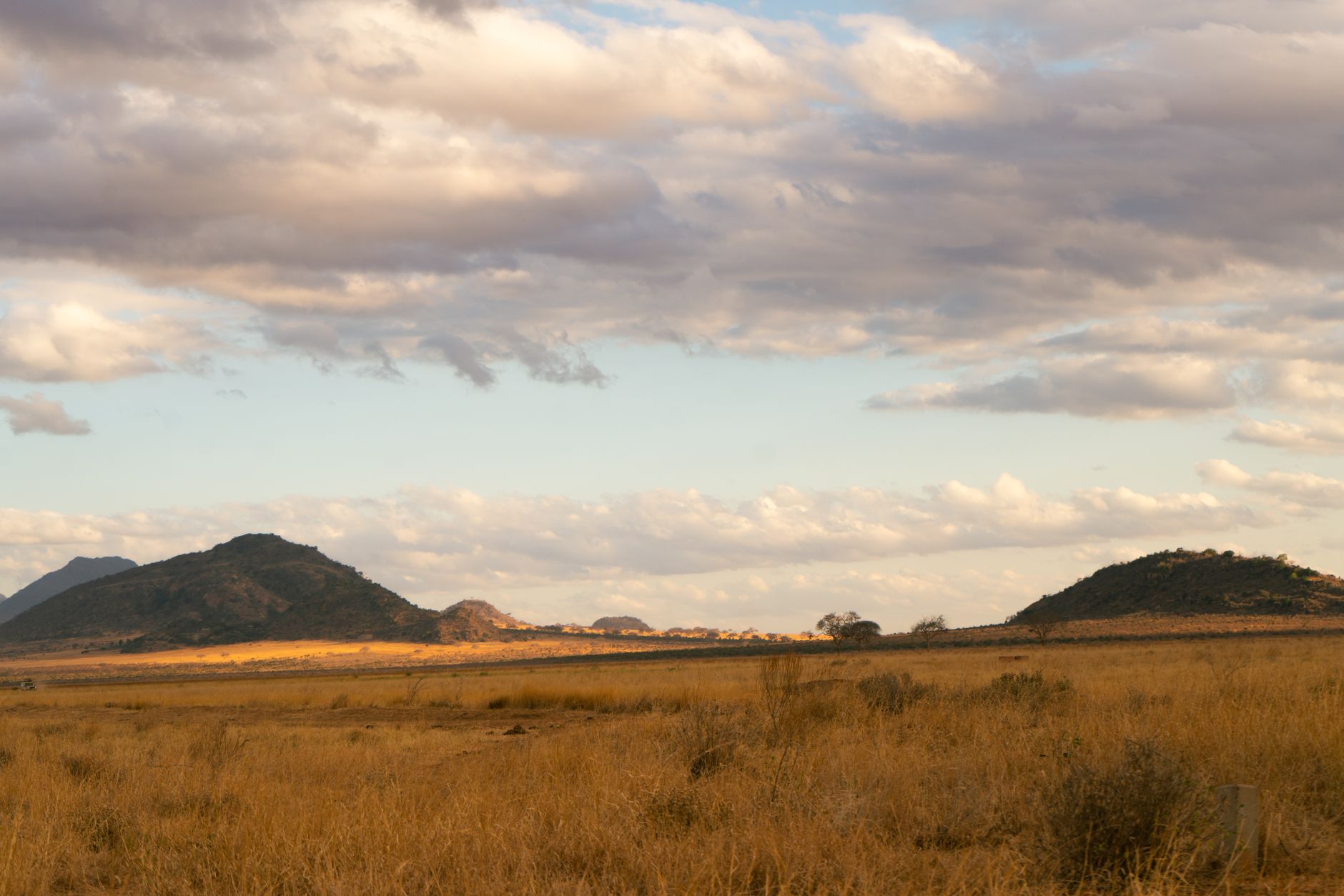
African wild dogs – among the most endangered large carnivores on the continent – are notoriously difficult to track. They roam vast territories, shift denning sites unpredictably, and refuse to perform on schedule. Selinda’s wilderness block, covering roughly 180,000 hectares of mixed floodplain, mopane woodland, and riparian forest, gives them exactly the kind of unbroken corridor they need to operate on their own terms. Sightings here aren’t guaranteed, but when they happen, they tend to be extended, unhurried, and unshared with other vehicles.
That last detail matters more than most travelers realize before they arrive.
The Spillway Factor
Selinda’s defining geographic feature is the Selinda Spillway, a seasonal waterway that connects the Okavango Delta system to the Linyanti wetlands further east. In flood years, water moves through in sheets, drawing elephant, buffalo, lechwe, and sitatunga into the reserve in numbers that reshape the landscape. Wild dog packs follow the prey concentrations, and the spillway’s linear structure makes it easier for trackers on foot or in vehicles to anticipate movement corridors. Guides working this area describe the spillway as a natural funnel – animals reveal themselves along its banks in ways that dense bushveld simply doesn’t allow.
The broader Linyanti ecosystem that Selinda borders has long been recognized among serious safari travelers as a stronghold for predator diversity. Lion, leopard, and cheetah are all present, but it’s the wild dog packs that generate the conversations afterward. A single pack hunt in shallow floodwater, with lechwe fleeing and dogs splitting in choreographed pursuit, is the kind of sighting that relocates itself permanently in memory. Selinda’s camp guides report these events regularly during the dry season, when prey animals concentrate near remaining water sources and pack hunting becomes more visible.
The reserve operates under a photographic safari model with strict anti-poaching enforcement, which has created conditions where animal behavior remains relatively unhabituated to stress. Wild dogs here tolerate vehicle presence without abandoning hunts or altering movement – a direct result of consistent, low-impact guiding over years.
Comparing the Experience to Okavango
The Okavango Delta offers something Selinda cannot: the mokoro experience, the vast aerial spectacle, the sense of floating through a drowned forest. For water-based safari and the visual drama of the Delta’s channels, Okavango remains definitive. But wild dog sightings in the more trafficked Delta areas often come with the frustration of multiple vehicles converging on a pack, radios crackling, guides positioning for angles. The dogs tolerate it, but the experience carries the weight of its own popularity.
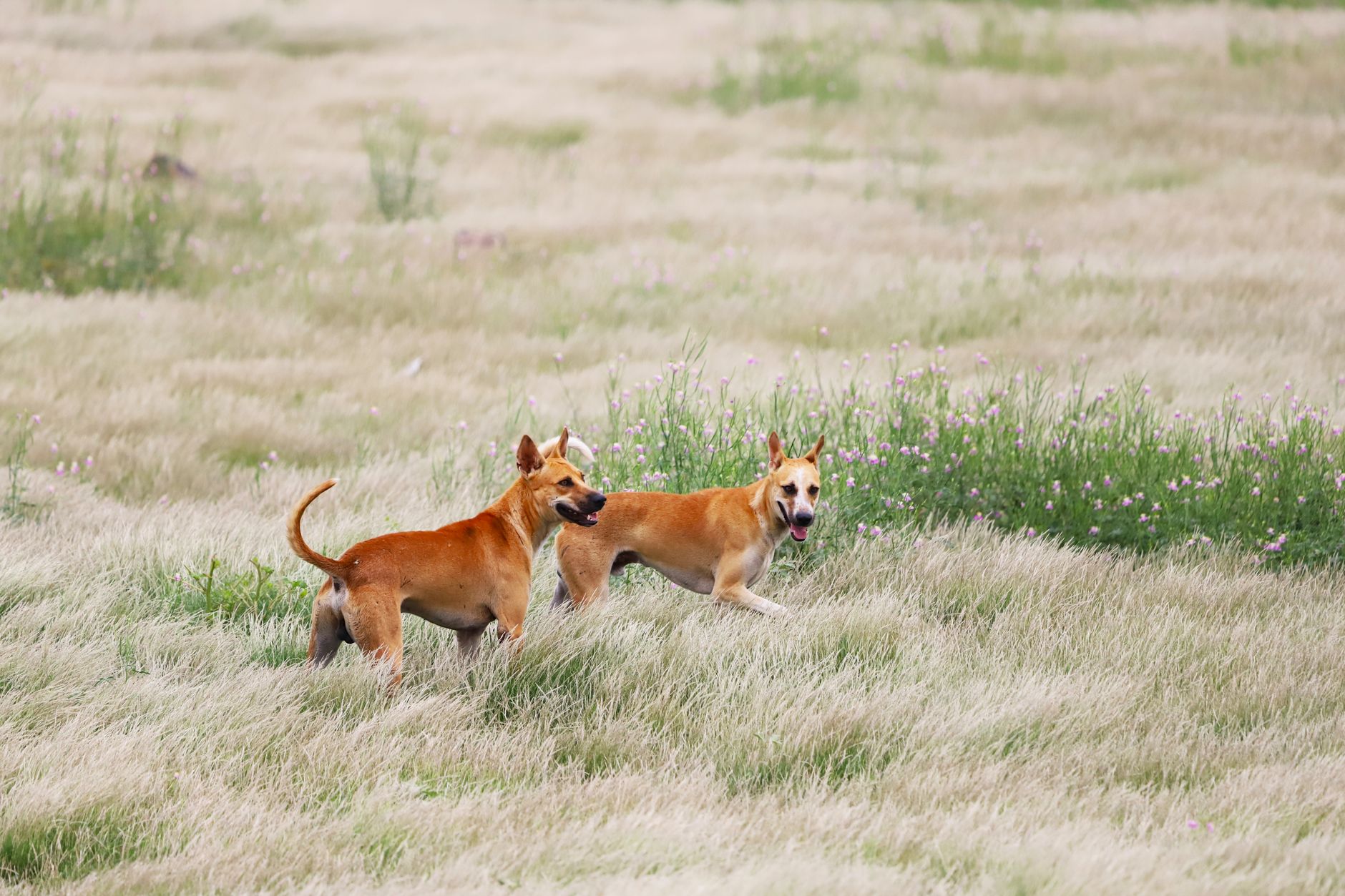
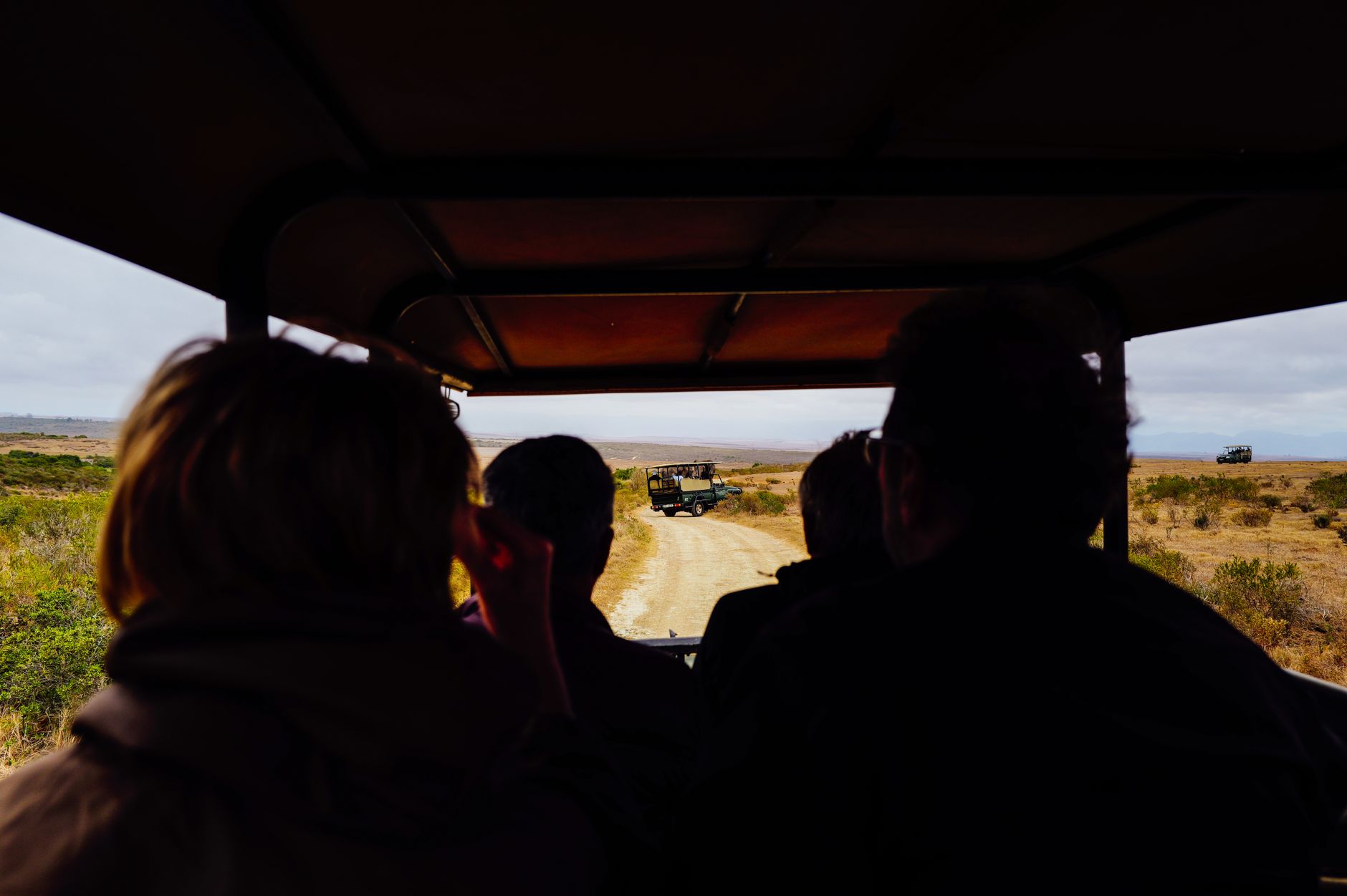
Selinda operates with far fewer vehicles in the field at any given time. The reserve hosts a small number of camps, each with limited guest capacity, and the wilderness concession structure restricts access to those camps’ guests only. When a wild dog pack is located, the guide-to-pack ratio stays low. That spatial exclusivity changes the quality of observation in ways that are hard to quantify but immediately felt. Sitting with a pack of twenty-plus dogs at a den site, watching the greeting ceremony that erupts when adults return from a hunt, without another tourist in sight, is a different category of encounter from what’s available in busier corners of Botswana’s wildlife circuit.
The trade-off is access. Selinda isn’t easy to reach or cheap to visit. The nearest airstrip requires a connecting flight from Maun or Kasane, and camp rates reflect the exclusivity of the concession. Travelers who do make the logistics work consistently rank wild dog encounters as the defining memory of their time there – not a bonus sighting, but the centerpiece.
When to Go and What to Expect
Dry season – roughly May through October – produces the most reliable wild dog activity in Selinda. Denning season, which typically falls between May and August, anchors packs to a fixed location for weeks at a time, making sightings almost predictable for guests staying three nights or more. Guides can visit active den sites at first light and late afternoon, watching puppies emerge and adults perform the feeding rituals that define pack social life. Outside denning season, packs move more widely across the concession, but the spillway and floodplain edges remain reliable hunting grounds through the dry months.
Green season – November through April – brings the rains and transforms Selinda into something closer to equatorial lushness. Wild dog packs are harder to locate in dense vegetation, but the landscape rewards the effort with dramatic skyscapes, newborn wildlife, and the spectacle of the spillway running full. Some camps offer reduced rates in this period, making it the entry point for travelers priced out of peak season.
Camp staff at Selinda’s properties speak with a specificity about individual packs that signals long-term monitoring rather than opportunistic sighting logs. Guides reference known alpha pairs, track litter survival across seasons, and adjust walking routes based on collar data shared with conservation teams operating across the Kavango-Zambezi Transfrontier Conservation Area. The reserve’s management is woven into a broader cross-border conservation framework, which means wild dog population data from Selinda informs protection strategies across multiple countries.
There are mornings in Selinda when a pack of wild dogs comes in at a full sprint across the floodplain, coats ablaze in early light, and the tracker in the front seat of the vehicle has already predicted their direction with enough accuracy to position the truck perfectly – because he has been watching this specific pack for four years and knows exactly which way they turn.
Frequently Asked Questions
Is Selinda Reserve good for wild dog sightings?
Yes. Selinda’s low vehicle density and vast wilderness concession make it one of Botswana’s most reliable locations for extended, uninterrupted African wild dog encounters.
When is the best time to visit Selinda Reserve for wild dogs?
May through August is ideal, coinciding with denning season when packs stay close to a fixed location, making sightings more predictable for multi-night guests.