
Where the Temples End and the Wilderness Begins
Most travelers who land in Phnom Penh have already booked their tuk-tuk to Siem Reap. Angkor Wat is the gravitational center of Cambodian tourism, and for obvious reasons – the temple complex is genuinely extraordinary. But roughly 300 kilometers to the southwest, a different kind of ancient world sits almost entirely off the international radar: the Cardamom Mountains, a massif of dense tropical forest, roaring waterfalls, and wildlife corridors that cover more land than some small countries.
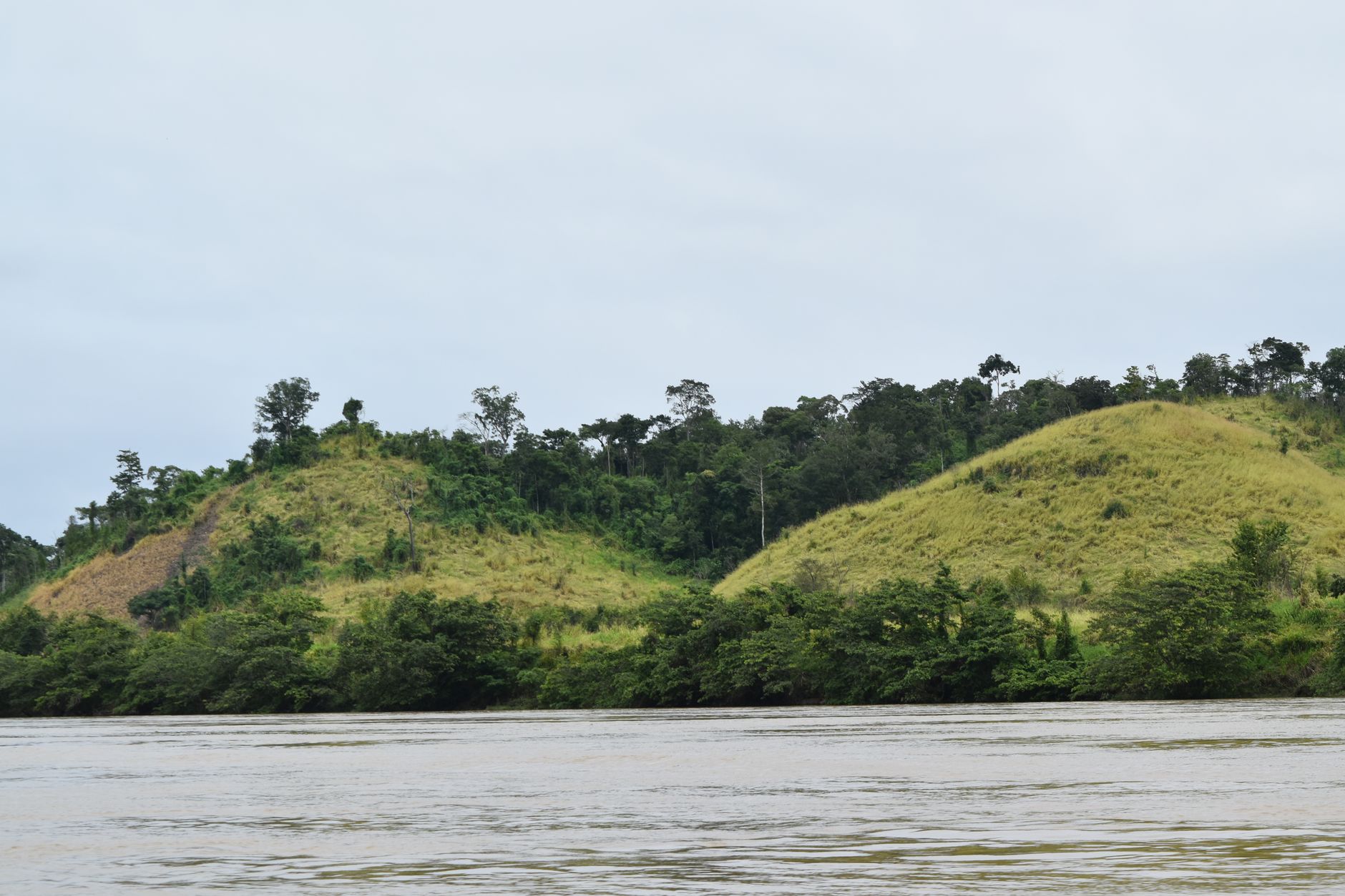
The Cardamoms stretch across nearly 4.5 million hectares in southwestern Cambodia, making them one of Southeast Asia’s last intact lowland rainforest systems. Where Angkor draws crowds that sometimes number in the tens of thousands per day, the forest trails here can go hours without a single footprint. That contrast alone is worth the detour – but the Cardamoms offer far more than just solitude.
A Rainforest Still Doing Its Job
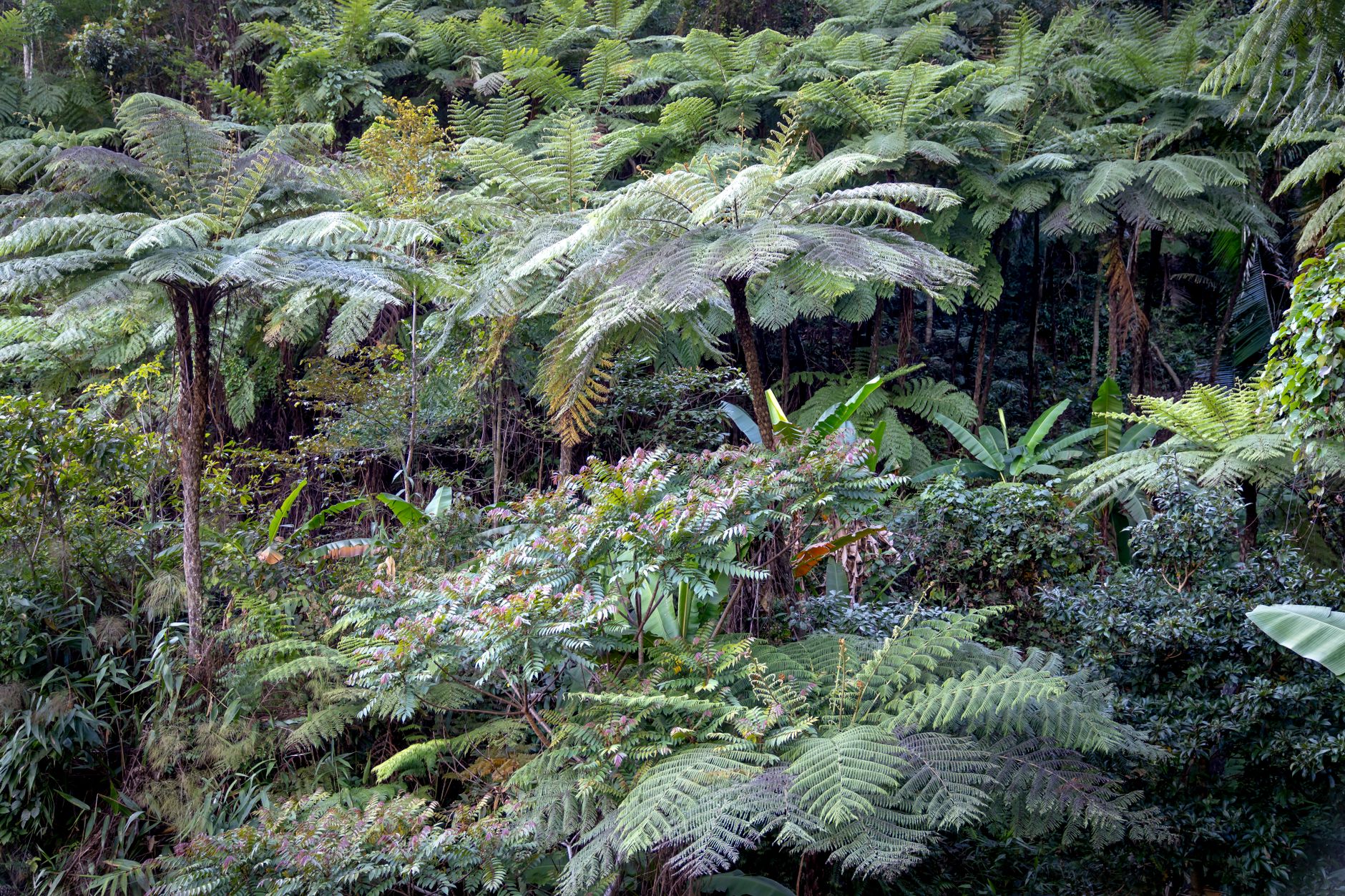
The ecological density of the Cardamom Mountains is difficult to overstate without sounding like a nature documentary. The region supports populations of Indochinese leopards, sun bears, pangolins, pileated gibbons, and Siamese crocodiles – species that have vanished from most of mainland Southeast Asia. The forest floor is layered with orchids, pitcher plants, and ferns that thrive under a canopy so thick that midday feels like dusk in the deepest sections. Rivers run cold and clear through limestone gorges before spreading into mangrove deltas near the Gulf of Thailand coast.
Conservation groups have worked in the Cardamoms for years, partnering with local communities to reduce illegal logging and wildlife trafficking, which historically hammered the region hard. The results are not uniformly optimistic – enforcement remains patchy in the most remote areas – but wildlife surveys have recorded returning populations of animals that conservationists had written off for this landscape. Walking through sections of the Southern Cardamom National Park, it is possible to hear sounds – the shriek of a hornbill, the distant crash of something large moving through undergrowth – that remind you the food chain here is still fully assembled.
Getting In Without Getting Lost
The main entry points are the coastal town of Koh Kong in the west and the inland town of Veal Veng to the north, with Chi Phat village serving as the most developed base for trekking. Chi Phat runs a community-based ecotourism program that connects visitors directly with local guides, many of whom were formerly involved in logging or poaching. The program has become a model for how conservation income can redirect livelihoods without displacing communities, and the guides bring a granular knowledge of the forest that no external operator can replicate.
Trail options range from half-day river kayaks to multi-day jungle camping expeditions. The Thma Bang route takes trekkers through forest that sees almost no recreational traffic, crossing streams by rope bridge and camping under fig trees with root systems wide enough to shelter four people standing upright. Longer routes connect to Tatai Waterfall and the Tatai River, where the water runs fast enough in wet season to make kayaking genuinely demanding. The dry season, roughly November through April, opens up routes that are impassable during monsoon – though the wet season has its own reward in the form of thunderstorms that turn the forest into a wall of sound.
Accommodation options are deliberately simple. Guesthouses in Chi Phat offer fan rooms, mosquito nets, and communal meals. Some operators offer riverside floating lodges near Tatai, where evenings are spent watching fireflies over the water. Luxury is not the point here. Travelers expecting the polished eco-resort experience common in Costa Rica or Borneo will need to recalibrate expectations before they arrive.
Transport logistics require planning. Most travelers reach Koh Kong by bus from Phnom Penh, a journey of roughly five hours. From Koh Kong, longtail boats or road connections take visitors to Chi Phat or the Tatai area. Some choose to cross from Thailand via the Hat Lek border crossing, which drops them almost directly into Koh Kong town. Independent navigation inside the forest without a guide is both dangerous and actively discouraged – not as liability boilerplate, but because the trails are genuinely unmarked and the terrain disorienting.
The Wildlife Factor
Wildlife watching in the Cardamoms works differently than in Africa or even in more established Asian parks. Sightings are not guaranteed, the animals are not habituated to humans, and that is precisely the point. A tracker might spend a morning reading bent grass and claw marks on bark before finding fresh sun bear activity near a honey tree. Birders report the Cardamoms as exceptional for species like the giant ibis, the banded kingfisher, and various broadbills that exist in dwindling numbers across the region. The density of bird life alone makes the forest worthwhile for anyone carrying binoculars.
Siamese crocodiles, critically endangered globally, have been documented breeding in several of the Cardamom waterways – a fact that surprises most visitors who assumed the species was functionally extinct in the wild. Local guides know which river bends to approach slowly and which are safe for swimming, knowledge that matters considerably more than any guidebook warning.
Why This Place Stays Quiet
The Cardamoms lack the single iconic image that drives tourism. Angkor has the Bayon face towers. Halong Bay has its limestone karsts at dawn. The Cardamoms offer something harder to photograph: the feeling of being genuinely small inside a living system. That quality does not translate into shareable content easily, and that may be the most effective conservation tool the forest has.
There is also the matter of Cambodia’s tourist infrastructure being concentrated so heavily in Siem Reap and the southern beach towns that most tour operators simply do not think to include the mountains on itineraries. Travel agents working on commission have little incentive to push a community guesthouse in Chi Phat when they can book a boutique hotel near the Angkor complex. The Cardamoms benefit from this neglect – trail erosion and wildlife disturbance stay manageable when visitor numbers stay modest.
The community tourism program in Chi Phat is already at capacity on certain weekends during peak dry season, which raises a question that conservationists there are actively debating: whether increased visibility would generate enough income to fund expanded protection, or whether it would simply accelerate the pressures that have degraded every other accessible wild place in the region. For now, the Cardamoms remain a destination that rewards travelers who seek it out specifically – which means the people who arrive tend to be exactly the kind of visitors the forest can handle.

Frequently Asked Questions
When is the best time to visit the Cardamom Mountains in Cambodia?
The dry season from November to April opens the most trails and offers the most comfortable trekking conditions. Wet season brings dramatic storms and lush scenery but closes some routes entirely.
How do I get to Chi Phat village in the Cardamom Mountains?
Most travelers take a bus from Phnom Penh to Koh Kong, then arrange a longtail boat or road transfer to Chi Phat. The full journey takes roughly a day from the capital.