
Mongolia’s Northern Secret
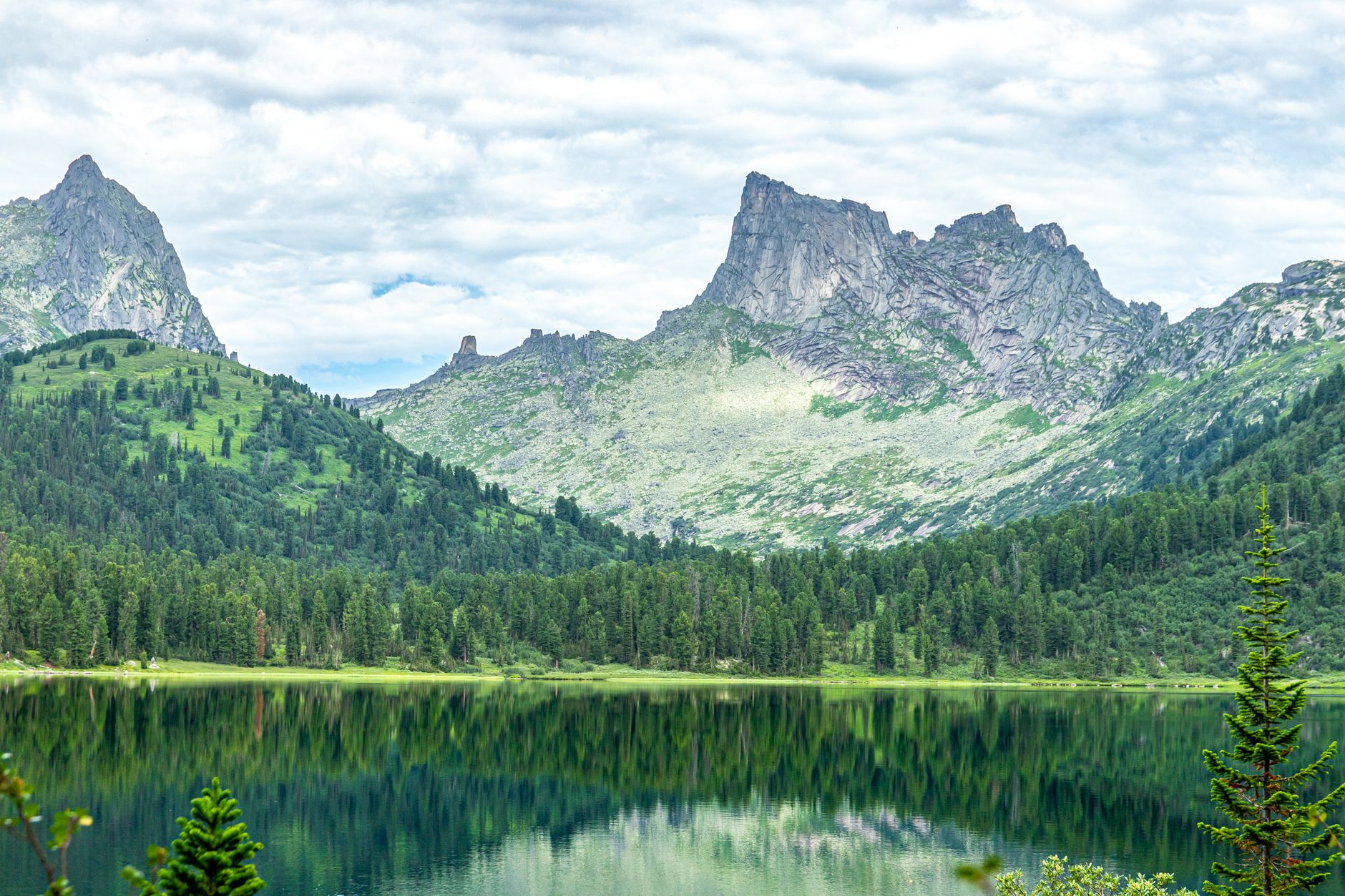
Most travelers who book a trip to Mongolia picture the Gobi – endless rust-colored dunes, camel trains, and dramatic desert silence. But in the country’s far north, pressed against the Russian border, Khövsgöl Lake offers something the Gobi cannot: fresh water, dense taiga forest, and a nomadic culture that predates the Mongol Empire itself.
A Lake That Earns Its Own Mythology
Khövsgöl holds nearly 70 percent of Mongolia’s fresh water and roughly two percent of the world’s surface fresh water – a staggering figure for a country most people associate with arid steppe. The lake stretches 136 kilometers from north to south and sits at 1,645 meters above sea level, flanked by mountains that stay snow-capped well into June. The water runs cold and clear enough to drink directly, which local herders still do without hesitation.
The surrounding landscape does not follow the visual script of Mongolia that travel media tends to repeat. Instead of open grassland fading into desert horizon, Khövsgöl’s shoreline is dense with Siberian larch and pine, punctuated by wildflower meadows that bloom aggressively through July. The air carries a sharpness that feels more Scandinavian than Central Asian. First-time visitors often describe a kind of disorientation – they came for steppe and find themselves standing in something that looks closer to a Scandinavian fjord with a nomadic campfire burning at the edge of it.
Getting there requires effort, which is precisely why the lake’s reputation has grown slowly by word of mouth rather than mass tourism infrastructure. The nearest town, Mörön, is a two-hour flight from Ulaanbaatar, followed by a three-to-four-hour drive along unpaved roads that turn challenging after rain. There are no direct international connections and no airport shuttle. Travelers either hire a local driver through a guesthouse in Mörön or arrange transport through a Mongolian tour operator before leaving home. The road situation keeps numbers manageable – which is either an inconvenience or the entire point, depending on what kind of traveler you are.
The lake freezes solid enough in winter to drive trucks across it. For a period each March, the Khövsgöl Ice Festival draws a small but devoted crowd who come to watch horse racing, ice skating competitions, and Tsaatan reindeer herders descend from the mountains with their animals. It is one of the few winter festivals in Central Asia that feels genuinely community-driven rather than staged for camera rolls.
The Tsaatan Factor
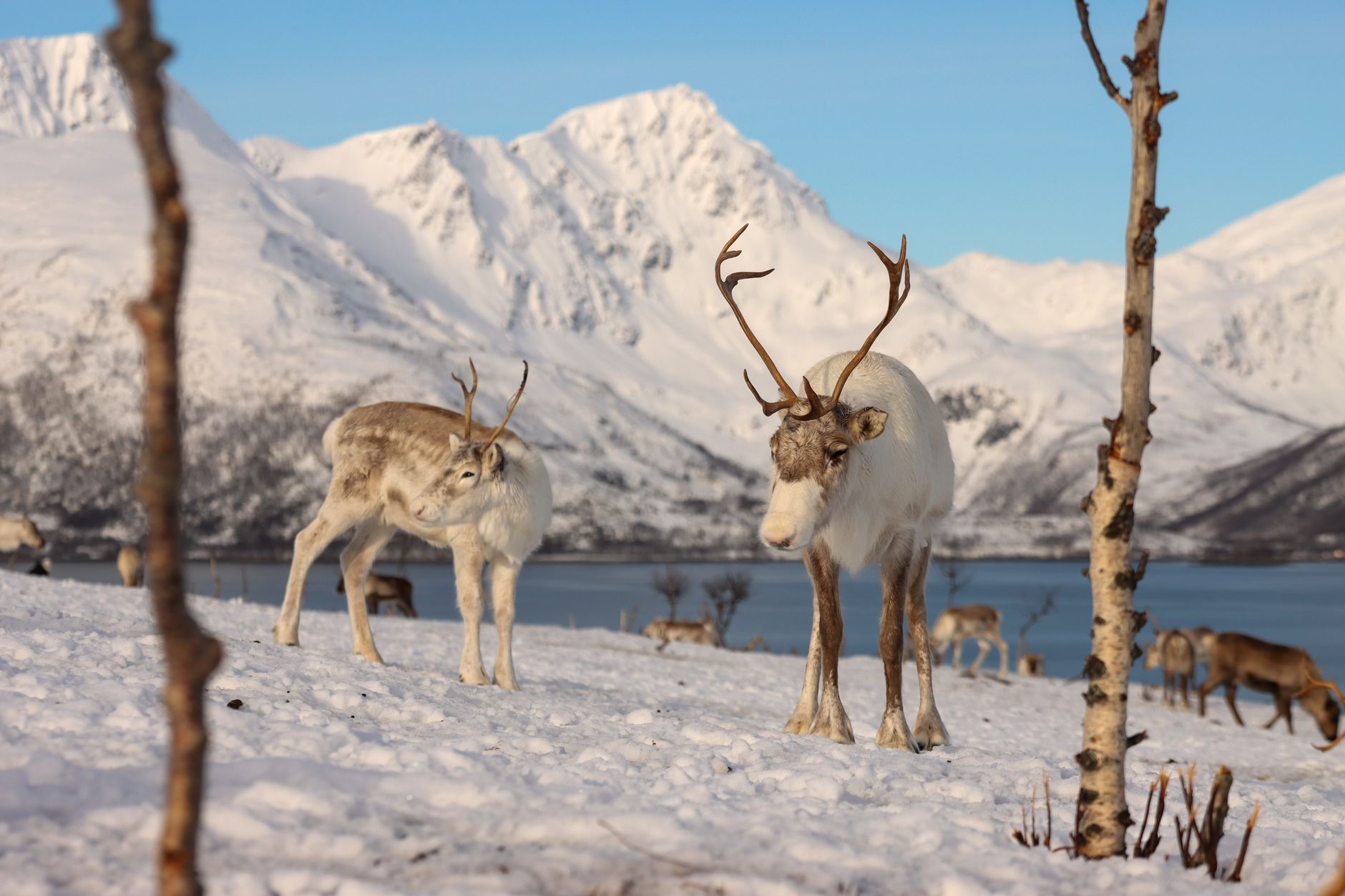
No account of Khövsgöl does justice to the place without spending time on the Tsaatan people – a small community of reindeer herders who live in the taiga north and west of the lake in teepee-style dwellings called ortz. Their way of life is distinct from the ger-dwelling horse culture most visitors associate with Mongolia. The Tsaatan are Turkic-speaking, shamanist, and entirely organized around the movement of their reindeer herds, which they follow through some of the most remote terrain in Asia.
Visiting a Tsaatan family is not a simple add-on to a lake itinerary. Reaching the summer camps requires two to three days of horseback riding through forest and river crossings, with guides arranged through local operators in the town of Tsagaannuur. The distance is not punishing so much as non-negotiable – there are no roads, no alternatives, and no shortcuts. That requirement alone filters the experience toward travelers who are genuinely willing to be uncomfortable for the sake of something authentic.
What happens inside a Tsaatan camp sits outside the usual vocabulary of travel writing. Families share tea made from reindeer milk, which is richer and gamier than anything most Western palates have encountered. Children who have never seen a smartphone will nonetheless approach visitors with complete confidence, not shyness. The shamanic tradition is still practiced, and ceremonies are not performed for tourists – if a traveler witnesses one, it is because they arrived at the right moment, not because it was scheduled. Several Mongolian operators specifically advertise this distinction when marketing Tsaatan visits, which is itself a useful quality signal.
The community faces real pressures. Reindeer populations have declined over decades due to climate shifts affecting the taiga ecosystem, and younger Tsaatan face the familiar pull toward Ulaanbaatar and mobile connectivity. A growing number of families are choosing to stay, partly supported by the slow trickle of responsible tourism revenue that Khövsgöl has begun generating. The relationship between tourism and preservation here is not theoretical – it is visible in whether individual families can afford veterinary support for sick reindeer, which directly affects herd survival rates.
For travelers who have visited other remote herding communities – whether in Botswana’s Okavango corridor tracking wild dog territory or in Bolivia’s highland villages near Sajama where volcano culture still shapes daily life – the Tsaatan experience carries a similar weight. The interaction is not transactional. It is slow, contingent, and occasionally awkward in the best possible way.
Practical Notes for the Seriously Curious
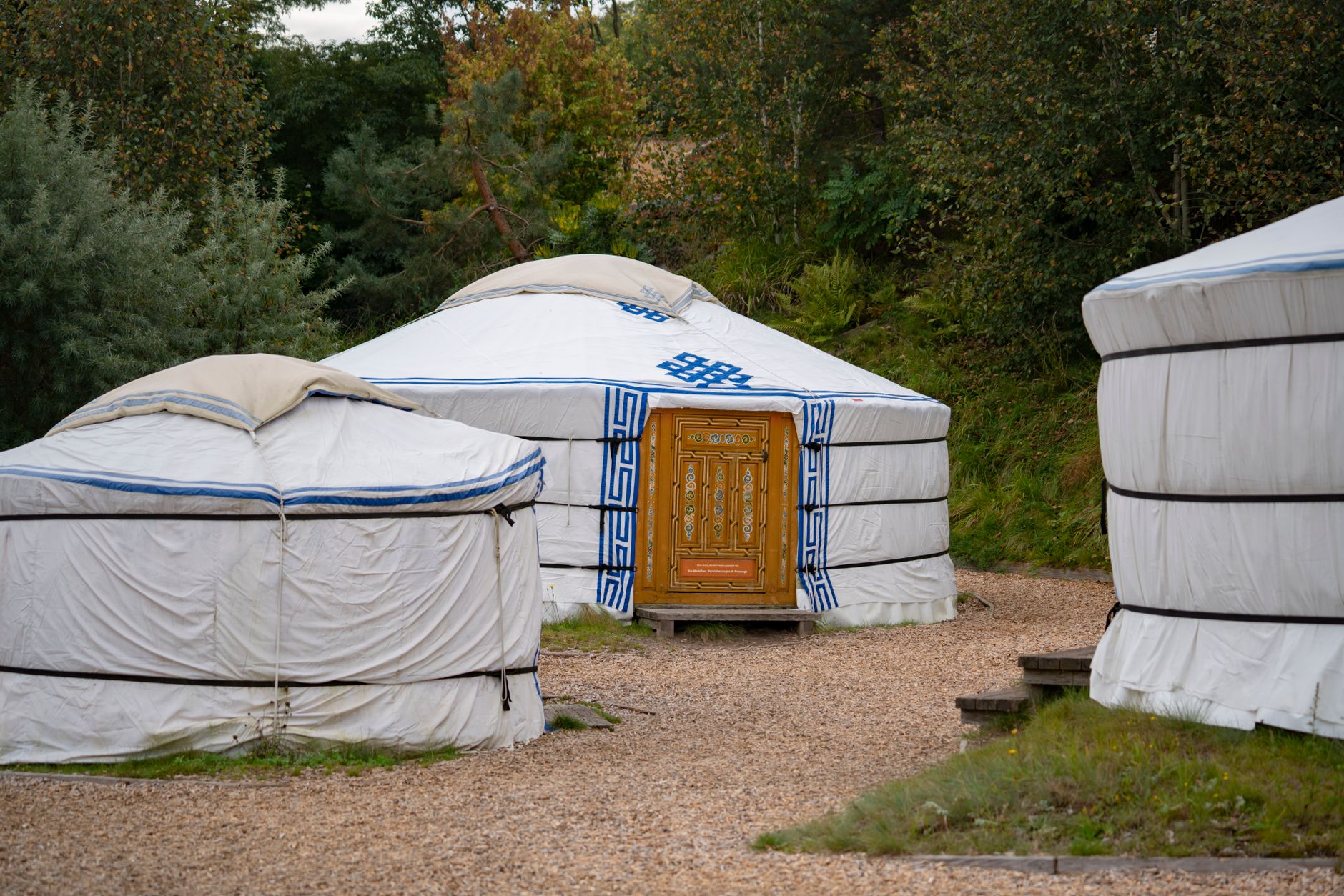
The window for visiting Khövsgöl without significant logistical friction runs from mid-June through early September. July brings the highest temperatures – rarely above 25 degrees Celsius at the lake – and the most reliable road conditions. August is prime for wildflowers and the lowest mosquito pressure in the surrounding taiga. Ger camps along the eastern shore offer everything from basic shared facilities to more comfortable private accommodation with wood stoves and hot showers; prices remain far below what comparable wilderness lodging would cost in East Africa or Patagonia. Camping independently is legal and practiced widely, though travelers should pack for sub-zero nights regardless of the month.
What makes Khövsgöl worth the logistical friction is not any single feature but the combination: a lake of startling clarity, a forest ecosystem that feels entirely separate from the steppe Mongolia is famous for, and a human culture that has operated in this specific terrain for centuries without requiring outside validation. The Gobi has dunes and silence. Khövsgöl has water, trees, reindeer, and the particular unease of being somewhere that does not know it is supposed to be famous yet.