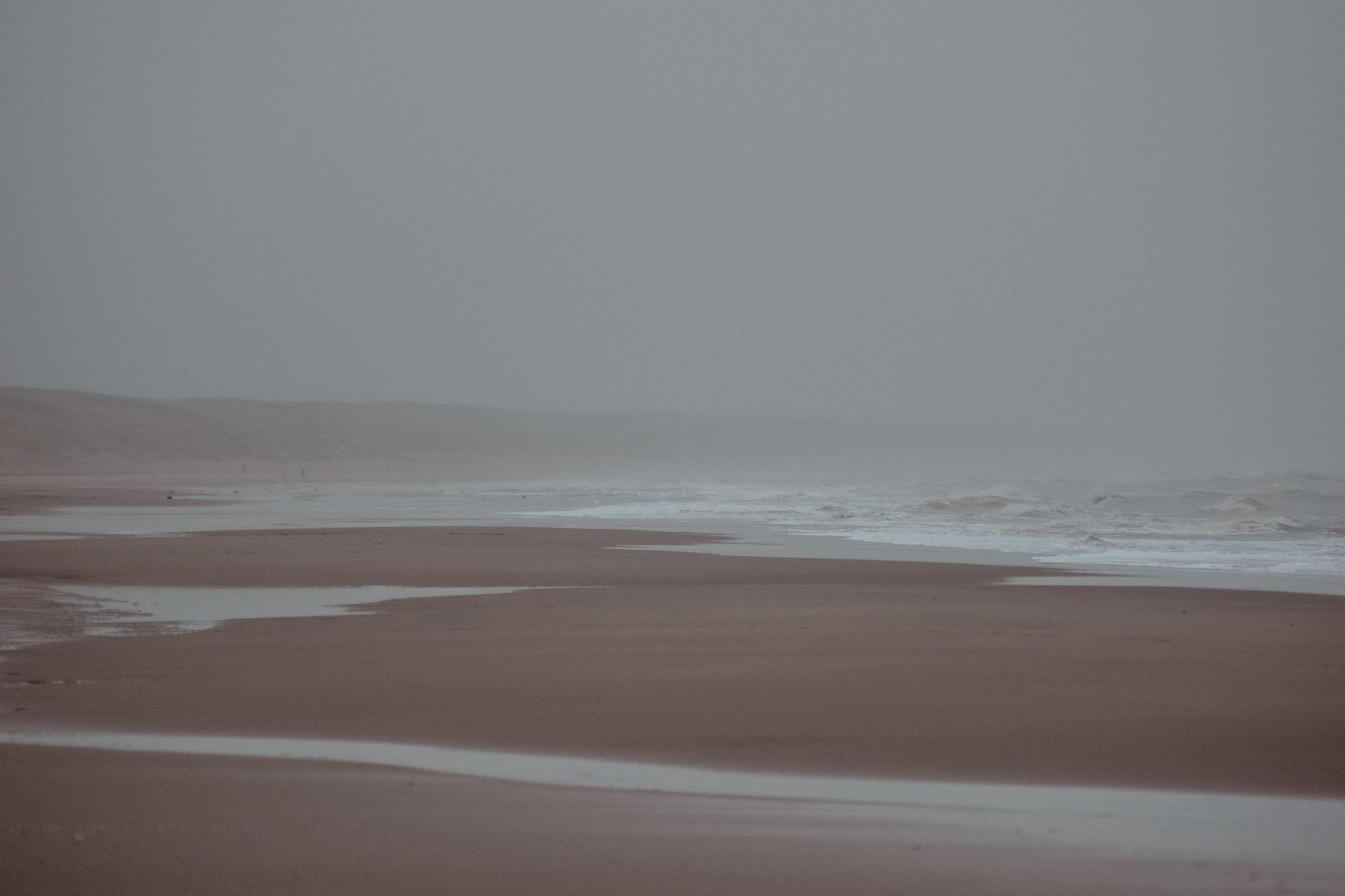

Etosha gets the safari brochures, the repeat visitors, and the Instagram saturation. The Skeleton Coast gets the fog, the silence, and the bones – and for a certain kind of traveler, that trade-off is not a compromise at all.
A Coastline Built on Wreckage and Wind
Stretching roughly 500 kilometers along Namibia’s Atlantic edge, the Skeleton Coast takes its name from the whale and seal bones that once littered its shores – left by a 19th-century industry that worked these waters hard and moved on. The name stuck, and rightfully so. This is not a coast that flatters you. Cold Benguela Current upwellings push thick morning fog inland, temperatures swing without warning, and the terrain swings between gravel plains, salt pans, and dune fields that look lifted from a different planet.
The northern section, managed as the Skeleton Coast National Park, remains one of the more difficult places in southern Africa to access independently. Fly-in camps operate under strict concession limits, and the number of visitors permitted at any given time is kept deliberately low. That friction is the point. The Skeleton Coast has no interest in being convenient, and the traveler who accepts that condition arrives to find something genuinely rare: a protected wilderness where the evidence of human failure – shipwrecks, rusted hulls, scattered debris – has become part of the ecological and historical landscape.
More than a thousand vessels have reportedly run aground along this coast over the centuries, lured by fog, pushed by unpredictable currents, or simply miscalculated. Many wrecks have been swallowed by sand dunes or claimed by the sea entirely. The ones that remain visible – accessible by small aircraft or guided ground excursions – sit in states of slow dissolution, surrounded by colonies of Cape fur seals and patrolled overhead by black-backed jackals working the tideline. The wreck becomes scenery. The scenery becomes ecosystem.
Etosha’s appeal is legible: wide-open pans, fixed waterholes, reliable game viewing at predictable hours. The Skeleton Coast asks for a different kind of attention. There are no waterholes drawing a parade of wildlife at dusk. Instead, there are desert-adapted lions tracking oryx across gravel flats, brown hyenas moving through dune corridors at night, and fur seal colonies so enormous and loud they register as weather events. The comparison to Etosha is less about which destination wins and more about which one suits the traveler standing in front of it.
What Actually Draws Shipwreck Wanderers Here
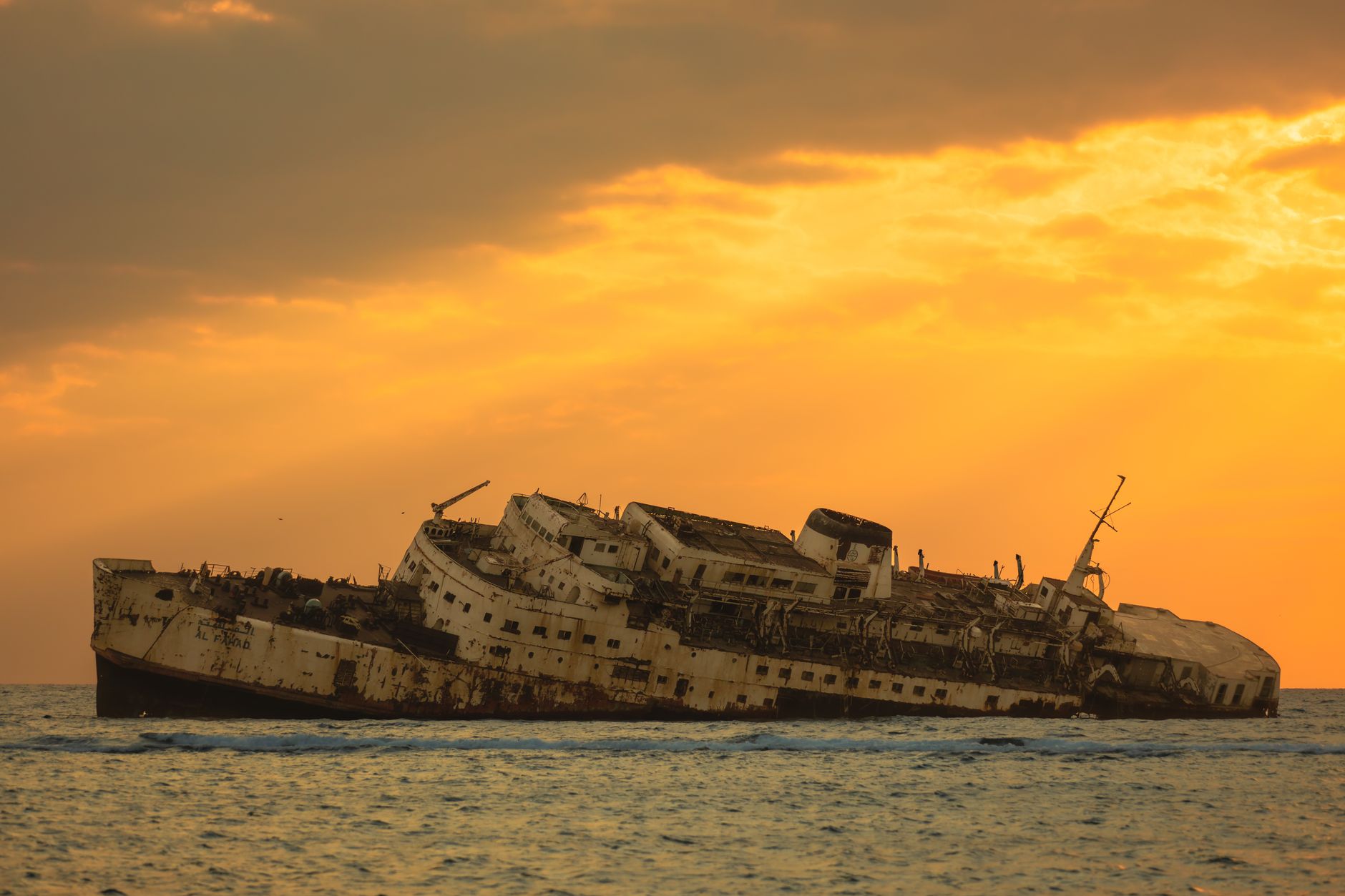
The phrase “shipwreck tourism” sounds niche, but the appeal is broader than it reads. The wrecks along the Skeleton Coast are not museum exhibits or heritage sites with interpretive signage. They are rusting, tilting, partially buried objects sitting on open beaches with no barriers between you and them. That unmediated quality – the sense that you have stumbled onto something rather than been directed toward it – is exactly what draws a particular category of traveler who has grown allergic to curated experiences.
The Eduard Bohlen is probably the most photographed wreck on the coast, and with good reason. Originally run aground in 1909 after a navigation error during heavy fog, the vessel now sits hundreds of meters from the waterline because the Namibian desert has simply expanded around it. The sand moved. The ship did not. What you find today is a half-buried hull embedded in a dune field, its skeleton visible from the air on fly-in approaches, its immediate surroundings walkable on guided ground visits. There is no dramatic plaque. The ship simply sits there, aging in public, and the effect is unsettling in a way that well-maintained heritage sites never quite achieve.
Other wrecks – the Dunedin Star, the Montrose, various unnamed fishing vessels – exist in varying states of survival. Some are visible only in parts, their superstructures collapsed or swallowed. Some are accessible only during specific tidal windows or by aircraft on flat beach landings. Guided operators who work the Skeleton Coast concession tend to treat the wrecks as stopping points within a larger wilderness circuit rather than destinations in themselves, which is the right approach. A three-hour walk along the tideline, with a wreck at one end and a fur seal colony at the other, gives you more than a wreck-only visit ever could.
The wildlife component of the Skeleton Coast is frequently undersold relative to Etosha. Desert-adapted elephants move through the northern river corridors – the Hoarusib and Hoanib in particular – and sightings of these animals crossing dry riverbeds or feeding on sparse riparian vegetation carry a weight that open-pan elephant sightings sometimes lack. The elephants here have learned to survive on less, travel farther, and avoid humans more effectively. Encountering one feels earned in a way that a waterhole sighting does not. Africa’s wider wilderness of difficult access tends to reward this dynamic – Zambia’s Liuwa Plain operates on much the same logic for visitors willing to deal with rough roads and seasonal access.
The fog itself deserves mention as an attraction, which sounds absurd until you experience it. The Benguela fog rolls in most mornings between roughly April and September, blanketing the coast in dense grey that reduces visibility to meters and muffles sound in a way that feels almost physical. This is the same fog that disorients ship navigation, sustains desert plant and insect life through moisture absorption, and gives the coast its particular psychological texture. Many travelers describe the experience of standing on a fog-covered beach next to a shipwreck as among the stranger things they have done. That is not a marketing line. It is an accurate description of what happens.
Getting There Without Getting It Wrong
Access to the northern Skeleton Coast – the park zone above the Ugab River – requires booking through a licensed concession operator. Wilderness Safaris and Extraordinary Journeys have historically operated camps in this zone, though availability is genuinely limited and lead times of six months to a year are standard for peak season. Fly-in access via light aircraft from Windhoek or Swakopmund is the standard approach for the far north. The southern sections of the coast, including the stretch around Henties Bay and the Ugab estuary, are accessible by standard vehicle and require only the usual Namibian national park entry fees. First-time visitors often combine a few days in the accessible south with a fly-in component north – a sensible structure that covers both the approachable and the remote.
Timing matters more here than almost anywhere else on the continent. The fog season amplifies the coast’s strangeness but also limits visibility for aerial wreck photography and creates cold, damp conditions that some travelers find oppressive rather than atmospheric. The drier, warmer months between October and March bring clearer skies but also higher temperatures and stronger winds off the Atlantic. No month is obviously optimal – the coast is difficult in different ways at different times of year, and that difficulty is the thing that keeps it from becoming another checked box on a southern African itinerary.