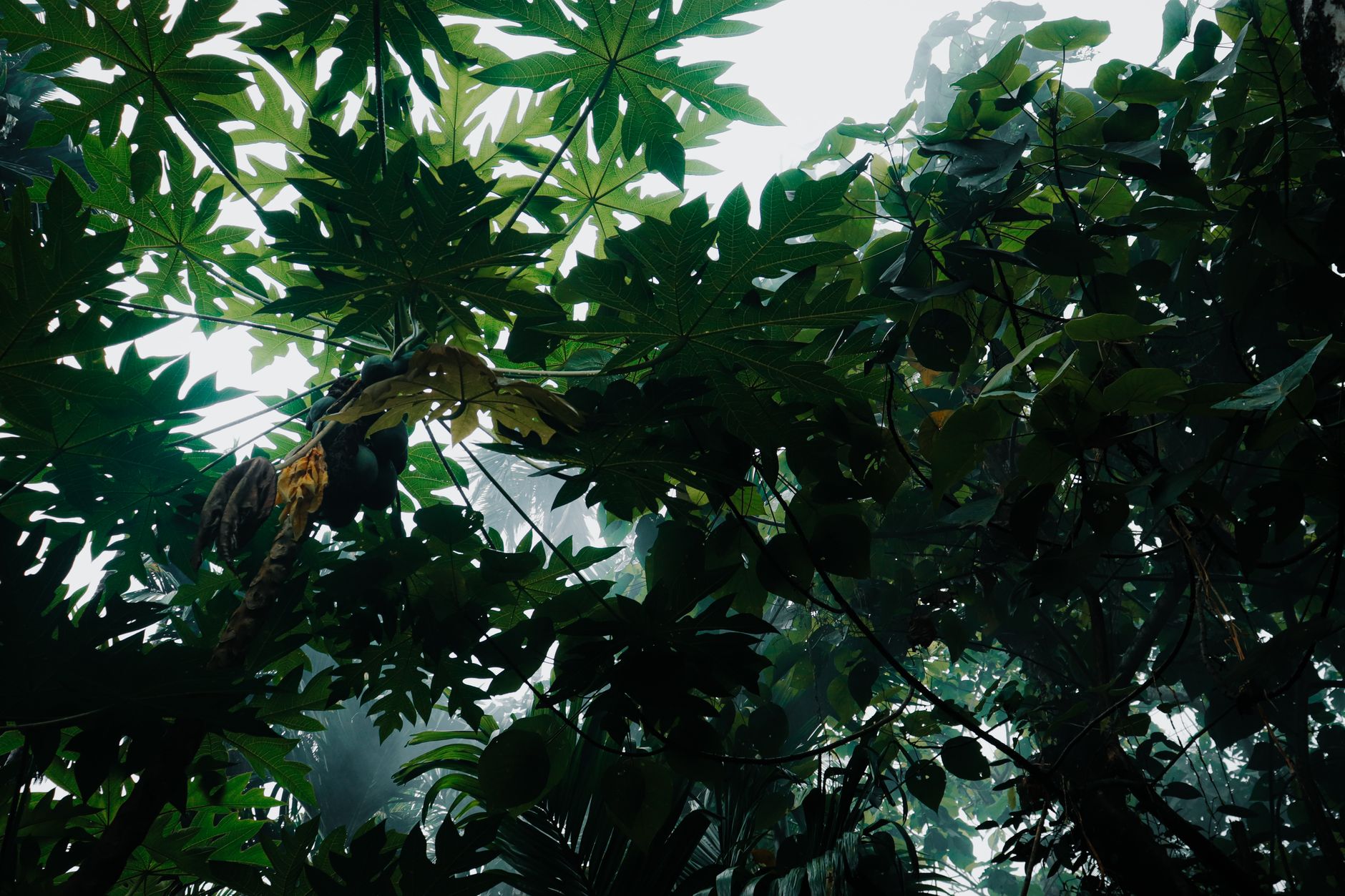

Most travelers who fly into Kigali with wildlife on the mind head straight for Volcanoes National Park, drawn by the promise of mountain gorillas and the mythology that surrounds them. Nyungwe Forest National Park, sitting quietly in the country’s southwest corner, rarely gets the same urgency – and that gap in attention is exactly what makes it worth the detour.
A Forest That Operates on Its Own Terms
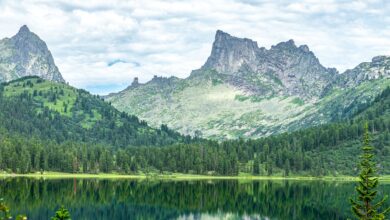
Nyungwe covers roughly 1,000 square kilometers of montane rainforest, making it one of the largest intact highland forests remaining in East Africa. The altitude ranges dramatically, from around 1,600 meters at its lower edges to over 2,950 meters at its peaks, which means the ecosystem shifts visibly as you move through it. You pass through bamboo zones, open moorland, and dense canopy sections within the same half-day hike. The forest doesn’t perform for you – it just exists, and that indifference is part of its appeal.
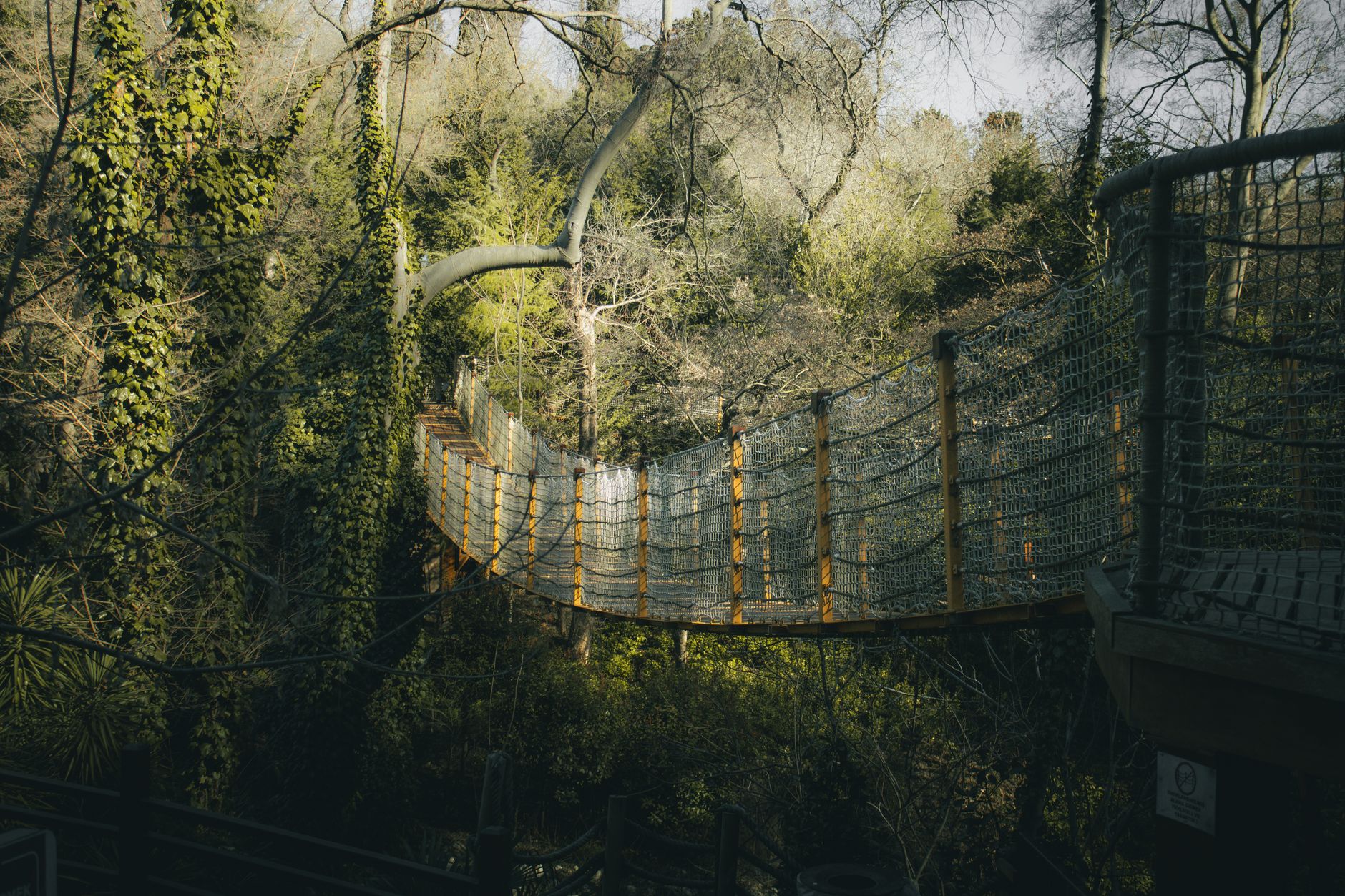
The canopy walkway is the feature that stops most visitors mid-sentence when they first encounter it. Suspended about 50 meters above the forest floor across a series of rope bridges stretching roughly 160 meters in total length, it offers a perspective on the rainforest that ground-level trails simply cannot replicate. From up there, the scale of Nyungwe becomes clear – not as a backdrop, but as a living structure with distinct layers, each one hosting different species operating in their own vertical neighborhood. Sunbirds work the upper branches while colobus monkeys move through the middle canopy below you.
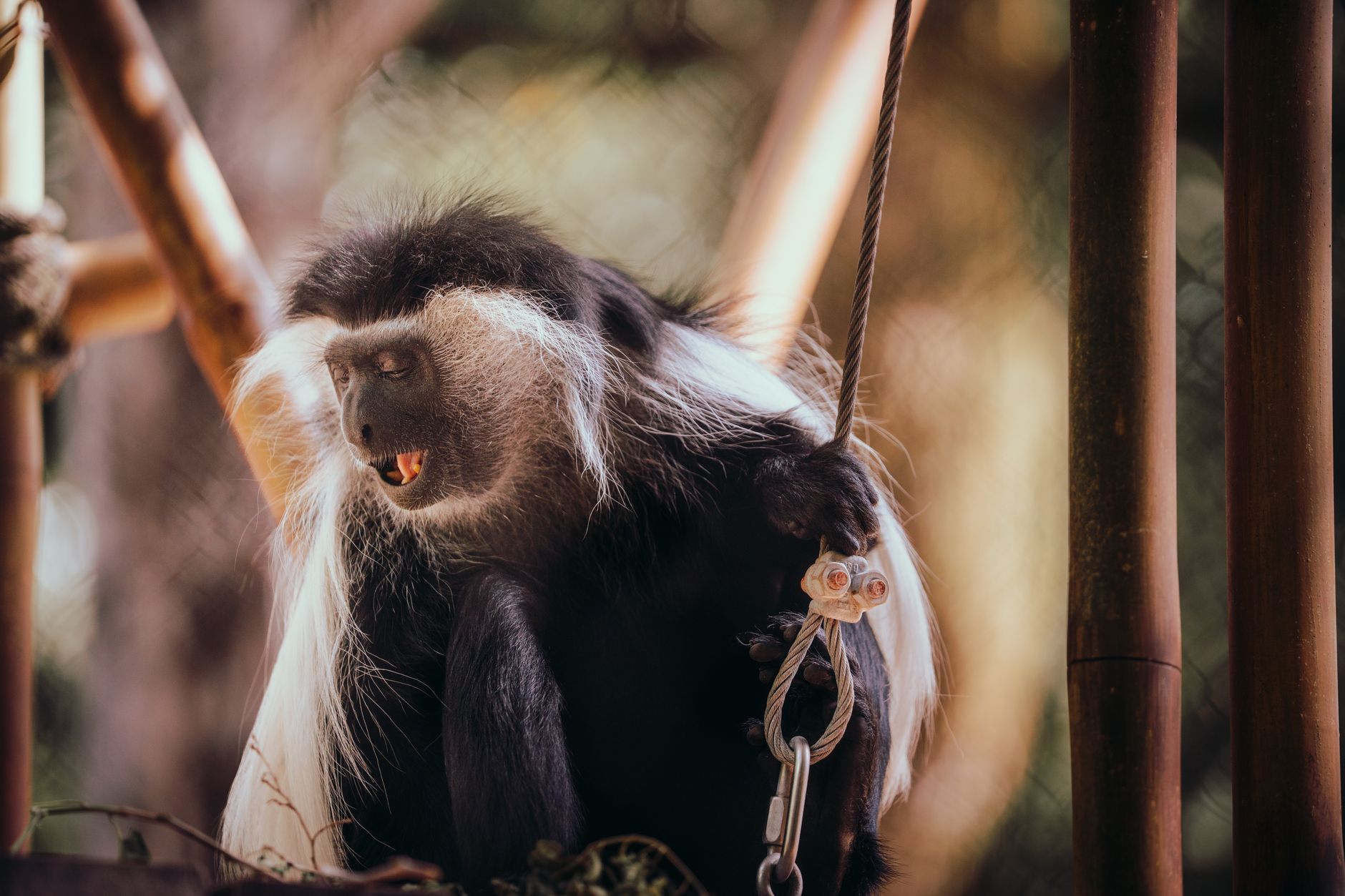
That colobus troop – the Angolan black-and-white colobus – is the other defining encounter. Nyungwe hosts one of the largest troops of this species anywhere on the continent, sometimes numbering over 400 individuals moving together. Watching that many primates shift through the canopy simultaneously is genuinely disorienting in the best way. They move with a kind of organized chaos that looks accidental until you realize every individual knows exactly where it’s going.
The park also records chimpanzees, L’Hoest’s monkeys, owl-faced monkeys, and around 13 other primate species, which gives it a density of primate diversity that wildlife researchers still find productive for long-term study. Birders arrive for the Albertine Rift endemics – species like the Rwenzori turaco and the red-collared mountain babbler that don’t appear on any other continent’s checklist. Nyungwe functions as a serious scientific site, not just a tourism product, and that distinction shapes the quality of the experience for visitors who pay attention.
Getting There and Moving Through It
The drive from Kigali takes approximately five to six hours via the main road through Huye (formerly Butare), passing through tea plantation country that becomes progressively more dramatic as you enter the Albertine Rift highlands. The road quality is generally good by regional standards, and the route is manageable in a standard 4WD vehicle. Some visitors choose to break the journey overnight in Huye, which has modest but reliable accommodation options. Flying into Kamembe Airport near Cyangugu cuts the ground transfer significantly, though flight availability from Kigali is limited and scheduling requires advance planning.
Accommodation sits at two distinct levels. Nyungwe House, perched on the park’s northern edge within a working tea estate, offers rooms with views that manage to be both comfortable and genuinely remote-feeling. It functions as the higher-end base for the park and runs its own guided activities. On the more accessible end, the Rwanda Development Board operates bandas and guesthouses at Uwinka, the main visitor center, which suit travelers prioritizing time in the forest over amenity. Neither option requires you to sacrifice the core experience – the trails and walkway are accessible from both.
Trail selection matters more in Nyungwe than in most parks because the terrain is uneven and the distances can deceive. The Bigugu trail to the park’s highest point demands proper fitness and weather tolerance – the summit sits in cloud more often than not, and the temperature drops sharply. The Imbaraga trail offers a more moderate loop through primary forest with good odds of encountering colobus without the elevation commitment. Park guides are mandatory and genuinely useful here, not just a formality – Nyungwe’s forest is dense enough that without someone who knows primate movement patterns, you can walk for hours and see only birds.
Chimp tracking operates similarly to gorilla permits in Volcanoes, with a limited number of daily permits and no guarantee of a sighting. The difference is that chimpanzees in Nyungwe cover larger ranges and move faster, which makes encounters feel less controlled and more like actual wildlife observation. Success rates vary by season, with the dry periods between June and September and December through February generally producing better visibility through the undergrowth. Rain in the wet season can be heavy and sustained, which affects trail conditions significantly but also drives extraordinary plant activity – the forest smells different, richer, after three days of rain.
One practical note that most travel summaries skip: the park entry fees and permit costs are priced separately, and combining the canopy walk with chimp tracking and a primate-focused trail in a single visit requires advance booking through the Rwanda Development Board. Walking into the visitor center and assembling a full itinerary on arrival is possible but not reliable, particularly during peak East Africa travel months when permit slots fill weeks ahead.
The Case Against Overlooking It
The comparison to Volcanoes National Park isn’t really a competition – gorilla trekking there occupies a category by itself, and the two experiences don’t substitute for each other. But the framing that positions Nyungwe as a secondary stop on a Rwanda itinerary undersells what the forest actually offers. A traveler who spends two days in Nyungwe and two days in Volcanoes gets a fuller picture of what Rwanda’s conservation estate actually contains than one who concentrates entirely on the gorillas.
The canopy walkway, specifically, produces a type of encounter that Volcanoes doesn’t offer – not animal-focused, not adrenaline-driven, but spatial. Standing 50 meters above the forest floor in a section of montane rainforest that has been continuously forested for millions of years, watching a colobus troop flow through the branches below you, raises a question that’s hard to answer from the ground: what exactly is the forest for, and who decided humans belonged at the top of it?