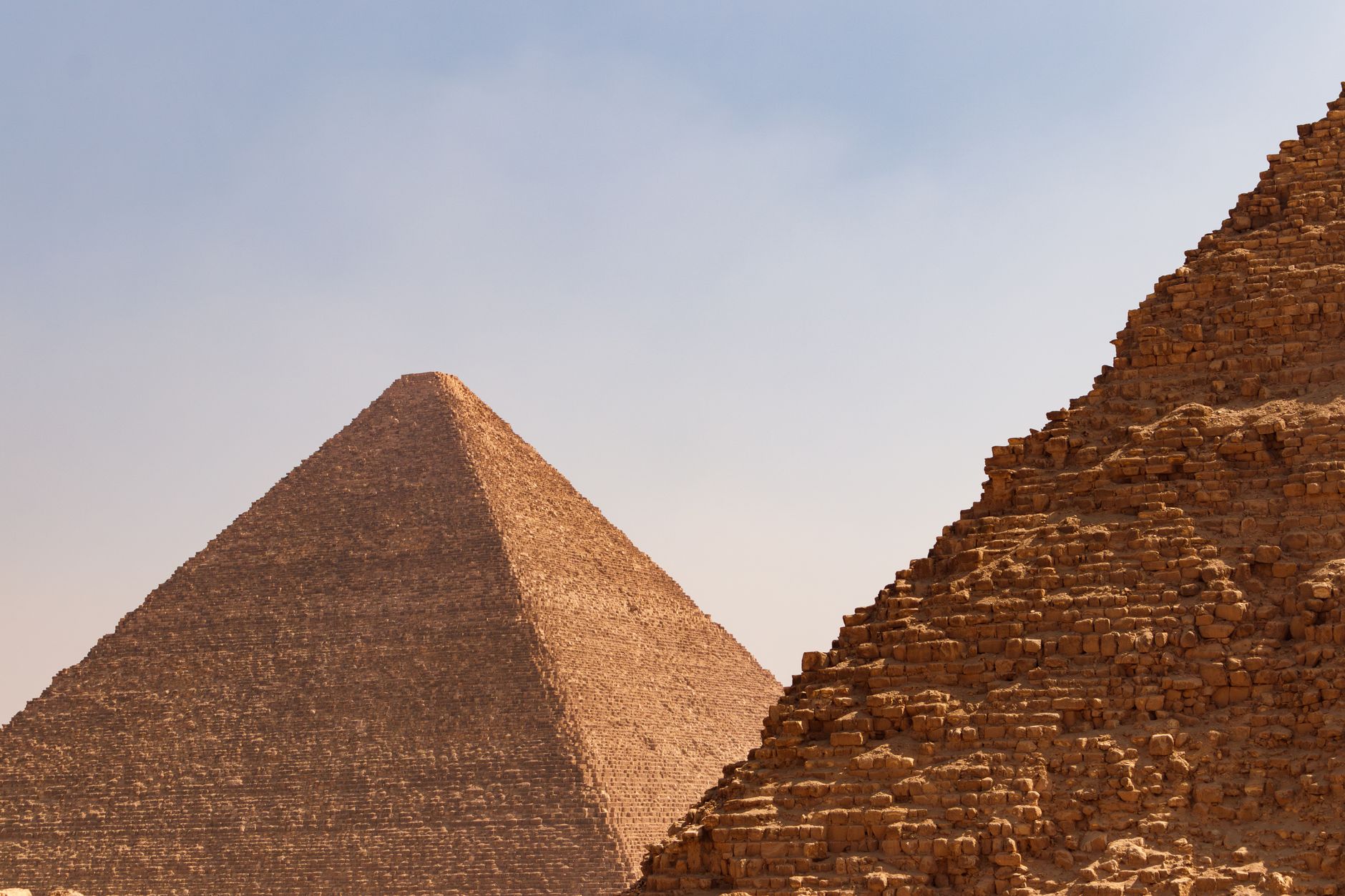

The Pyramids You’ve Never Seen
Most travelers who dream of ancient pyramids picture Giza – the crowds, the camels, the postcard silhouette against a Cairo sunset. But roughly 3,000 kilometers south, in the Sudanese desert outside the town of Meroe, stand more than 200 pyramids that predate the Roman Empire’s peak and outlasted several of its emperors. They sit in near silence. No tour buses clog the access road. No vendors hawk refrigerator magnets at the base. Just sand, wind, and structures that the Kingdom of Kush built to honor its rulers across nearly a thousand years of continuous civilization.
Sudan remains one of the least-visited countries in Africa, a fact that owes more to geopolitics and limited tourist infrastructure than to any shortage of extraordinary sites. For the specific type of traveler who actively avoids the well-worn path, that combination – rare history, genuine solitude, logistical challenge – is exactly the point. Meroe isn’t a secret so much as a destination that global tourism simply hasn’t caught up with yet.
What the Kushite Kingdom Left Behind
The pyramids at Meroe are steeper and narrower than their Egyptian counterparts, some rising from bases no wider than a modest living room. That distinction matters visually. Where Giza reads as monumental and horizontal – broad structures dominating the flat horizon – the Meroitic pyramids feel vertical and dense, clustered together in royal cemeteries called begarawiyah. The northern cemetery alone contains more than 40 royal burial sites. Wandering among them without a guide feels disorienting in the best possible way, like stumbling through a city that the world forgot to mark on the map.
The Kingdom of Kush ruled from Meroe between roughly 300 BCE and 350 CE, and the architecture reflects a civilization that absorbed Egyptian influence while developing its own distinct aesthetic and written language. Meroitic script remains only partially deciphered, which adds a layer of genuine archaeological mystery that Giza, thoroughly documented for centuries, no longer carries. Chapels attached to many of the pyramids still display carved relief images of the kings and queens buried within – warrior queens, in many cases, a detail that rewrites the popular mental image of ancient African leadership.
Much of the site also bears damage from a 19th-century Italian treasure hunter who lopped the tops off dozens of pyramids searching for gold. The truncated silhouettes are jarring up close, but they’ve also become part of Meroe’s visual identity – a reminder that history isn’t only what was preserved, but also what was destroyed and by whom.
Getting There and Staying Put
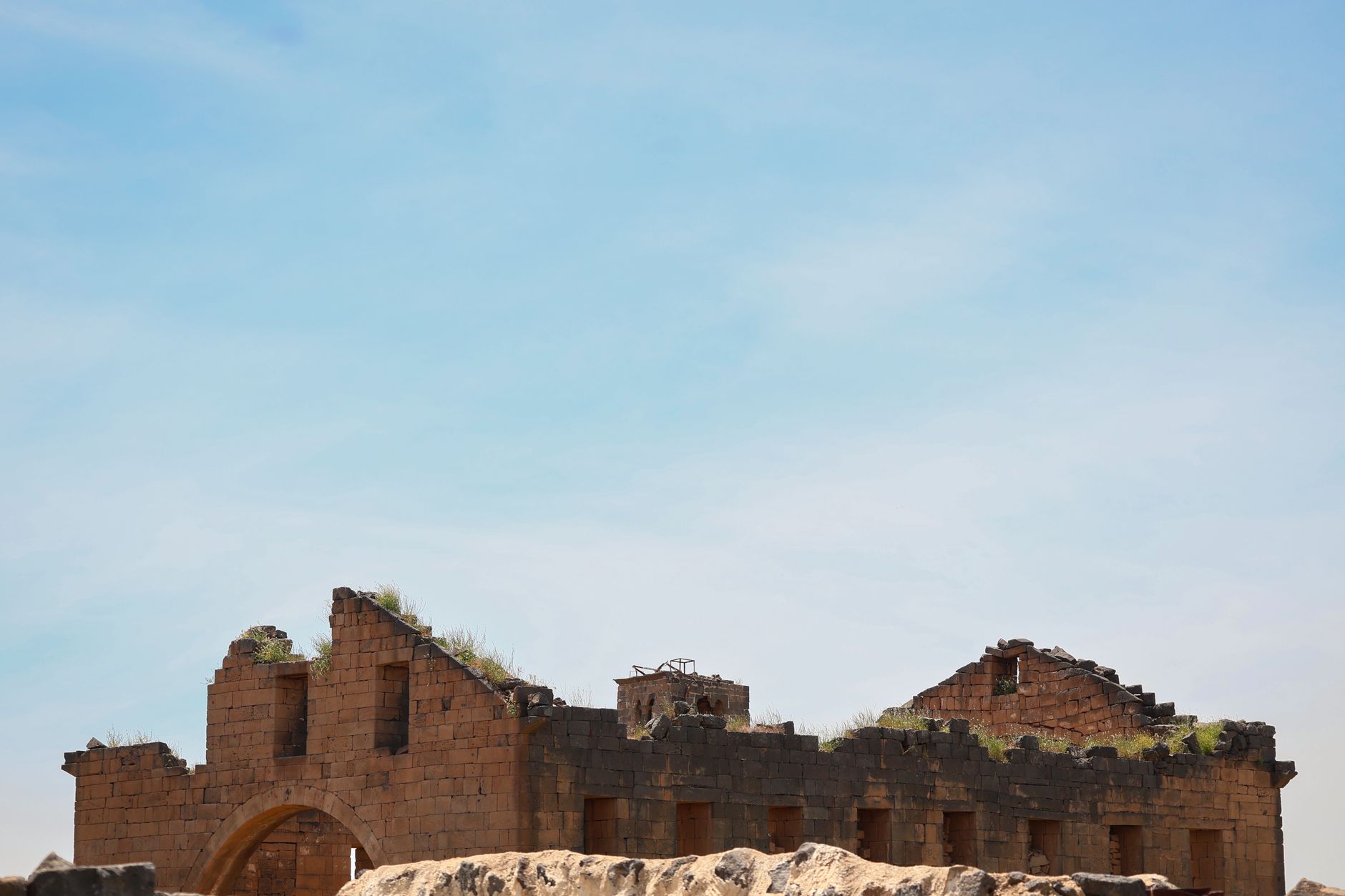
Access to Meroe requires flying into Khartoum and arranging ground transport north toward the Nile bend – a journey that typically takes four to six hours depending on the route and vehicle. Small group tours operating out of Khartoum offer multi-day itineraries that combine Meroe with the nearby sites of Naqa and Musawwarat es-Sufra, two temple complexes that receive even fewer visitors than the pyramids. Independent travel is possible but demands more preparation, particularly around obtaining the necessary tourist permits.
Accommodation near the site ranges from a handful of basic guesthouses in the surrounding area to tented camps that position travelers directly within view of the pyramids at sunrise. The tented camp experience, in particular, is worth the effort – waking before dawn to watch the pyramids emerge from darkness as the desert sky shifts from black to deep blue to orange is the kind of moment that makes the logistical friction feel trivial in hindsight.
Why Solitude Changes the Experience
There is something fundamentally different about standing inside an ancient site without the ambient noise of other tourists. At Giza, the scale of the pyramids is impressive, but the experience is mediated by crowds, structured ticketing zones, and the constant presence of vendors and guides competing for attention. At Meroe, the interruptions are mostly natural – wind, heat, the occasional bird call. That absence of human noise doesn’t just make the visit quieter; it changes how much you actually see. Attention settles differently when there’s nothing competing for it.
Travelers interested in the broader category of overlooked African heritage sites will find Meroe sitting alongside other destinations that reward patience and planning. Ethiopia’s Danakil Depression, just across the border to the southeast, represents a different kind of extreme landscape, but the mindset required to visit both places overlaps considerably – a tolerance for discomfort, a preference for depth over convenience, and a willingness to engage with a region that Western tourism infrastructure hasn’t fully mapped.
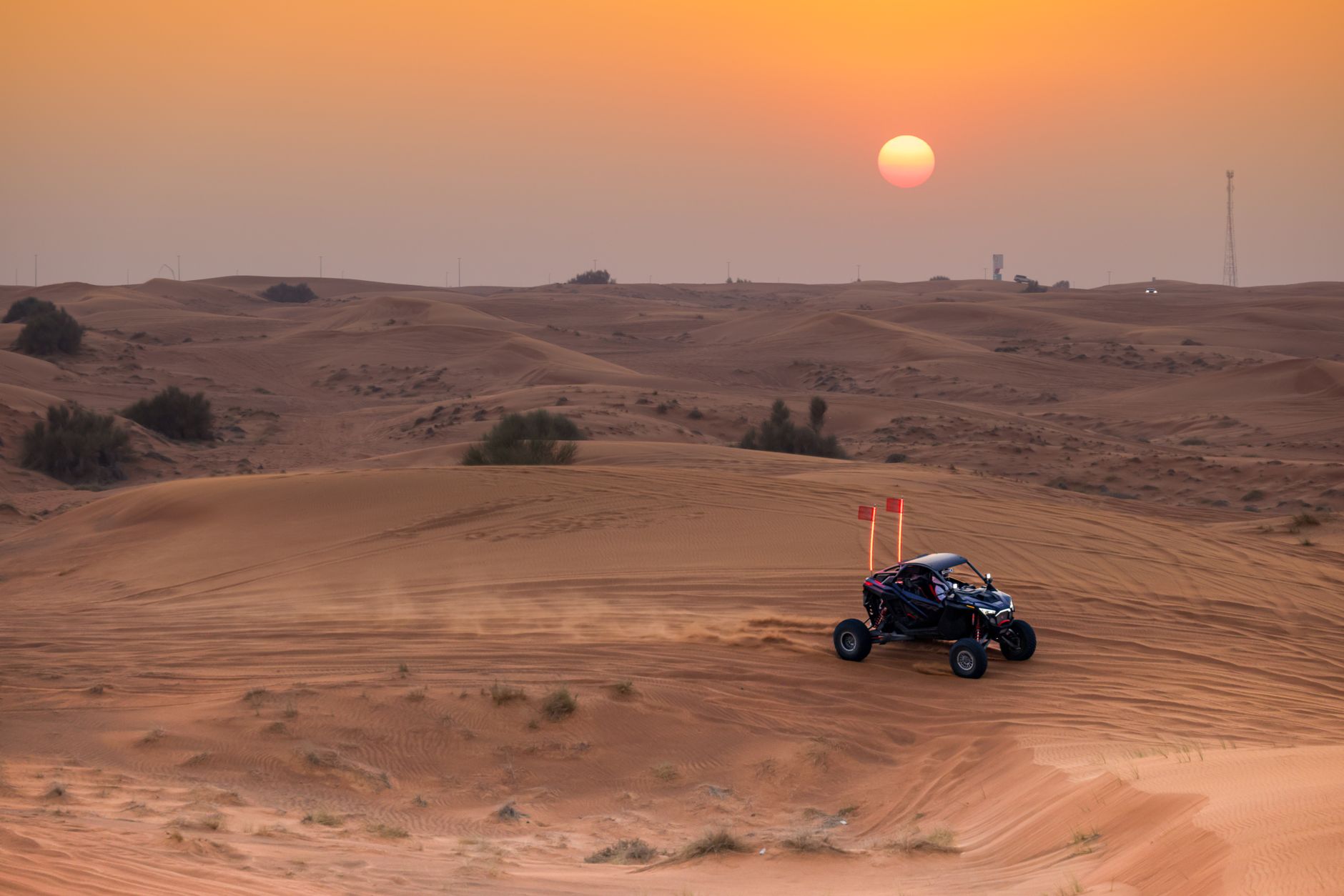
The light at Meroe behaves the way desert light always does – brutal and flat at midday, then suddenly dramatic in the hour before sunset when long shadows stretch between the pyramids and the sandstone takes on a reddish-gold tone that photographs cannot fully capture. Early morning and late afternoon are the only times to be outside with any comfort during peak heat months. That constraint actually improves the visit: the enforced midday rest, usually in shade with tea, gives time to process what you’ve seen rather than rushing to the next marker on a checklist.
Sudan’s political instability has historically made international travel insurance companies nervous, and that caution is legitimate – conditions shift, and travelers need to monitor advisories from their home country’s foreign affairs office before booking anything. But for periods when conditions allow visits, the reward is access to a site that carries the full weight of ancient civilization without any of the apparatus that usually surrounds it. Meroe isn’t waiting to be discovered. It has simply been waiting, in the desert, for travelers willing to make the trip.