
The Park That Safari Veterans Keep Coming Back To
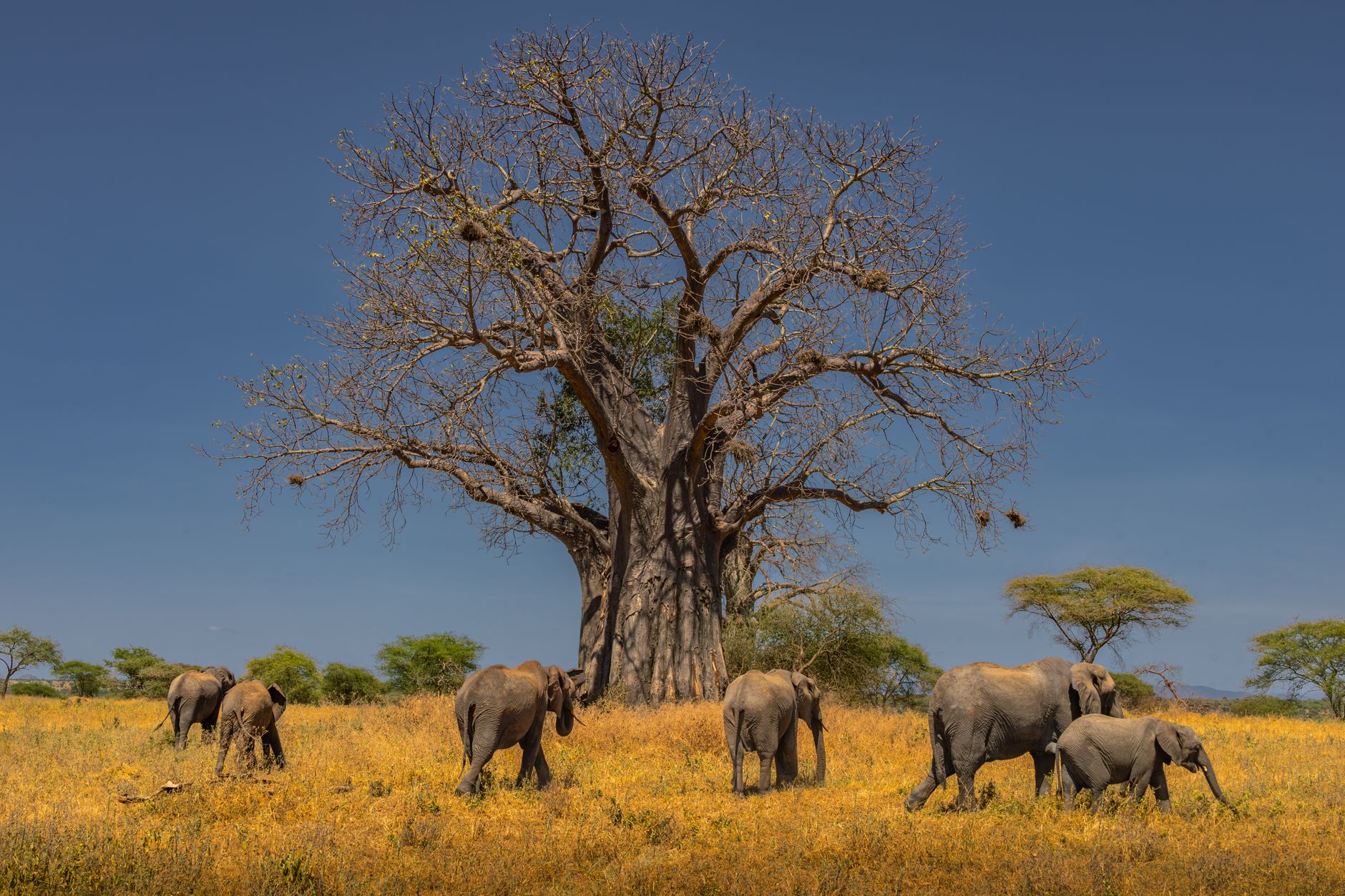
Ruaha National Park sits in the heart of Tanzania, sprawling across more than 20,000 square kilometers of dry miombo woodland, baobab-studded plains, and the seasonal drama of the Great Ruaha River. It is Tanzania’s largest national park, and yet it rarely appears at the top of first-time safari itineraries. That gap between its scale and its profile is exactly what makes it extraordinary. The tourists who do find their way here tend to come back.
The Selous Game Reserve – now partly rebranded as Nyerere National Park – has long held the crown for southern Tanzania wildlife travel. It carries the name recognition, the boating safaris, and the marketing weight. But among serious lion watchers, Ruaha has quietly built a reputation that is harder to dismiss. The park holds one of the largest lion populations in East Africa, and the terrain here shapes encounters that feel nothing like the scripted game drives of more trafficked circuits.
A Landscape That Changes Everything About Safari
The first thing visitors notice is the light. Ruaha sits at a higher elevation than much of coastal Tanzania, and the air has a dryness to it that sharpens everything – colors, shadows, distances. During the dry season, which runs roughly from June through October, the Great Ruaha River recedes to pools and channels that become the organizing principle of all wildlife movement. Hippos pile into shrinking water holes. Crocodiles station themselves in the shallows. And lions, which need very little water themselves, patrol the banks not to drink but to hunt the animals that must.
The vegetation matters too. Ruaha’s mix of acacia and miombo woodland is thicker and more varied than the open savanna of the Serengeti, which means sightings require patience and reward it. A pride disappears into a thicket and you wait. Then a head lifts above the grass line. Then another. This is not the kind of park where lions perform on cue, and that difficulty is part of the draw for travelers who have already checked the standard boxes.
Camp footprints remain small and spread out across a territory that, on most mornings, you will share with almost no one else. That physical reality – the absence of a convoy of vehicles around a single sighting – changes the emotional texture of a safari completely. A lion kill observed by two jeeps feels nothing like the same event observed by twelve.
What the Lions of Ruaha Actually Offer
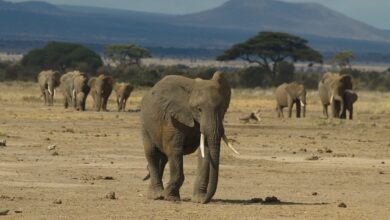
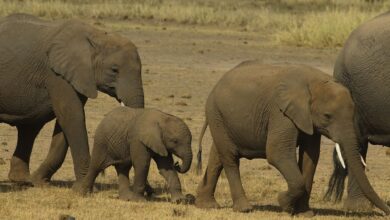
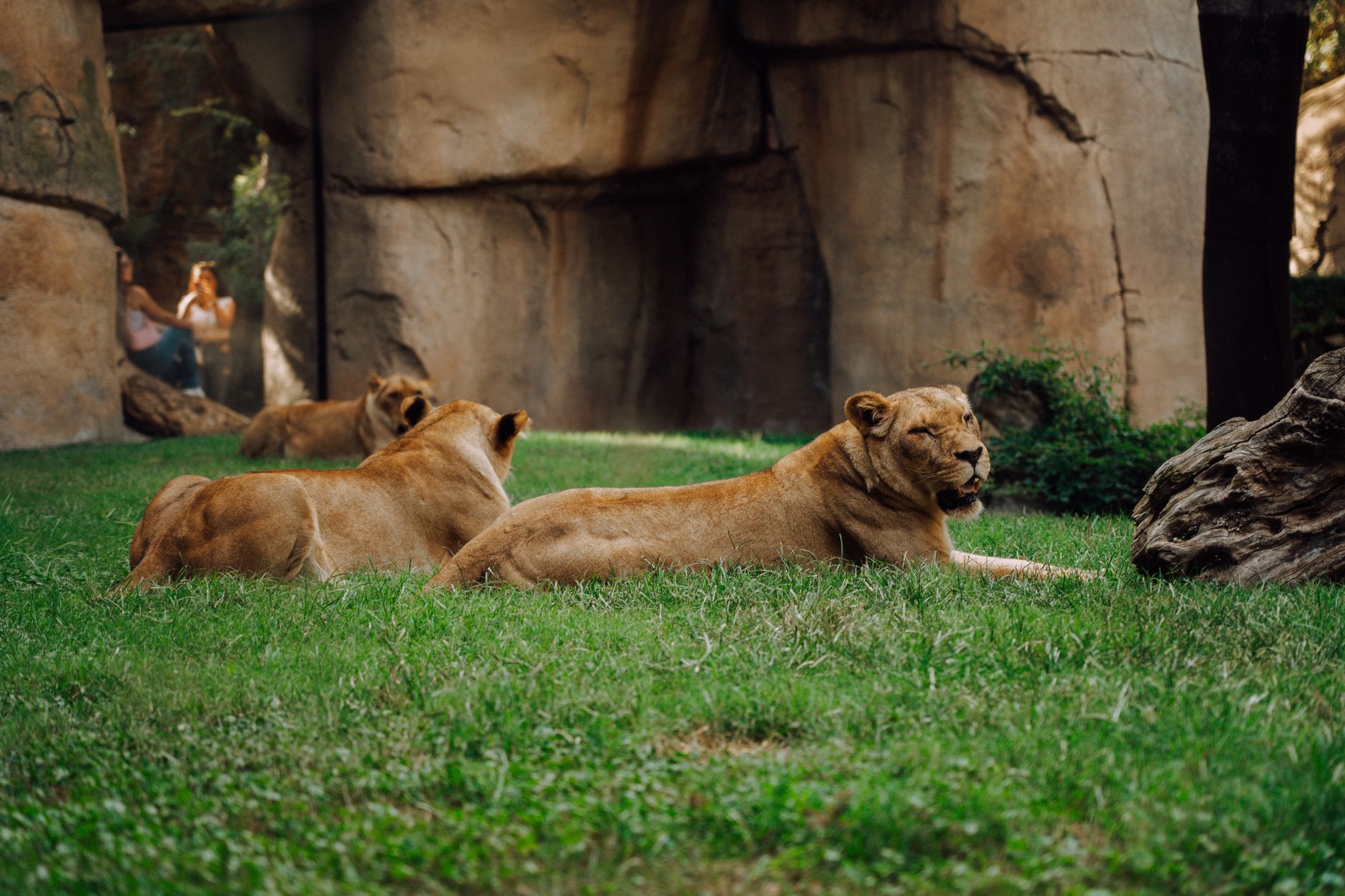
Lion behavior in Ruaha is shaped by prey availability and terrain in ways that produce some genuinely unusual dynamics. The park’s elephant population is large, and there are documented cases of Ruaha lion prides attempting to take down juvenile elephants – behavior that is rare across Africa and that researchers have noted specifically in this ecosystem. It is not something a visitor can plan to see, but knowing it happens changes how you watch a pride move.
The prides here tend to be large, which is a function of the territory’s carrying capacity. Coalition males in Ruaha are often seen in groups of three or four, defending ranges that would be impossible for a single male to hold. For photographers, the baobab backdrop gives every frame a geological weight that the flat horizons of better-known parks simply cannot replicate.
Visitors who have covered Malawi’s Nyika Plateau in search of less-trafficked African wilderness will recognize the pattern Ruaha fits: parks with serious wildlife credentials that remain peripheral to mainstream itineraries because they lack a marketing champion, not because they lack a reason to visit. The lack of crowd pressure is not a consolation prize. It is the product.
Ruaha also holds strong populations of wild dog, one of Africa’s most endangered and most difficult carnivores to find. Wild dog sightings are never guaranteed anywhere, but Ruaha’s size and low visitor numbers mean pack movements are less disrupted by vehicle traffic. A morning that starts with lions on the river bank and ends with a wild dog pack denning in the woodland is a morning that most Serengeti visitors will simply never have access to.
Getting There and Setting Expectations
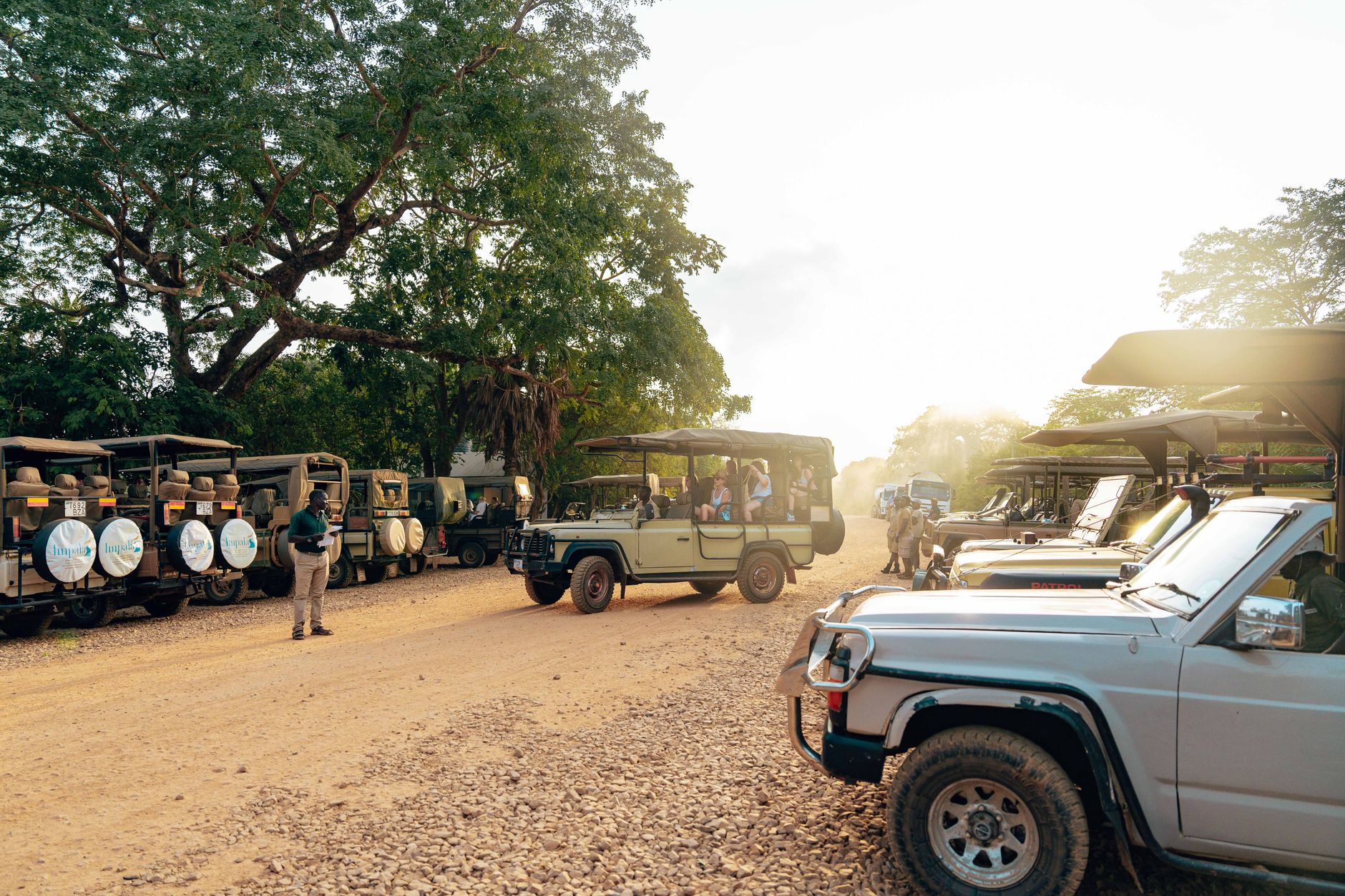
Access to Ruaha runs through Iringa, a highland town roughly 500 kilometers southwest of Dar es Salaam. Charter flights from Dar or Arusha serve the park’s airstrips directly, cutting what would otherwise be a long overland journey. Most high-end camps arrange transfers as part of their packages, and the flight itself – low over the escarpment, following river drainage lines south – is worth factoring into the experience.
The honest caveat is infrastructure. Ruaha is not a destination for travelers who want the seamless lodge-to-lodge connections of the northern circuit. Roads inside the park are rough and slow. Some camps close during the green season between November and May because access becomes genuinely difficult. The reward side of that equation is a dry-season experience that many wildlife photographers rank above anything they have found in Tanzania’s more famous parks – not because the animals are more numerous, but because the encounters are more singular. The lion that walks past your vehicle at Ruaha is not performing for an audience. It simply has nowhere else it needs to be.
Frequently Asked Questions
Is Ruaha National Park good for lion sightings?
Yes. Ruaha holds one of the largest lion populations in East Africa, with large prides and male coalitions regularly spotted along the Great Ruaha River during the dry season.
How do you get to Ruaha National Park?
Most visitors fly by charter aircraft from Dar es Salaam or Arusha to airstrips inside or near the park. Overland access is possible through Iringa but involves long, rough roads.