Mozambique’s Quirimbas Archipelago Quietly Rivals Bazaruto for Dhow Wanderers

Where the Indian Ocean Still Keeps Secrets
Bazaruto has the name recognition, the glossy spreads, the well-worn itineraries. Travelers fly into Vilanculos, board a charter, and tick the box. The Quirimbas Archipelago, strung across 250 kilometers of northern Mozambique’s coastline near the Tanzanian border, operates on an entirely different frequency – quieter, more remote, and far less rehearsed. Thirty-two islands, most of them uninhabited, most of them reachable only by traditional dhow, have kept this stretch of the Indian Ocean from becoming a circuit destination.
The archipelago sits within the Quirimbas National Park, a protected marine zone that covers both land and sea, pushing commercial pressure firmly to the margins. What remains is a coastline that moves at the pace of wind and tide, where the main form of transport is a hand-stitched sail and the schedule is dictated by the weather, not the clock. For travelers who find that appealing rather than alarming, the Quirimbas quietly delivers what most Indian Ocean destinations have already spent.
The Dhow as the Real Destination
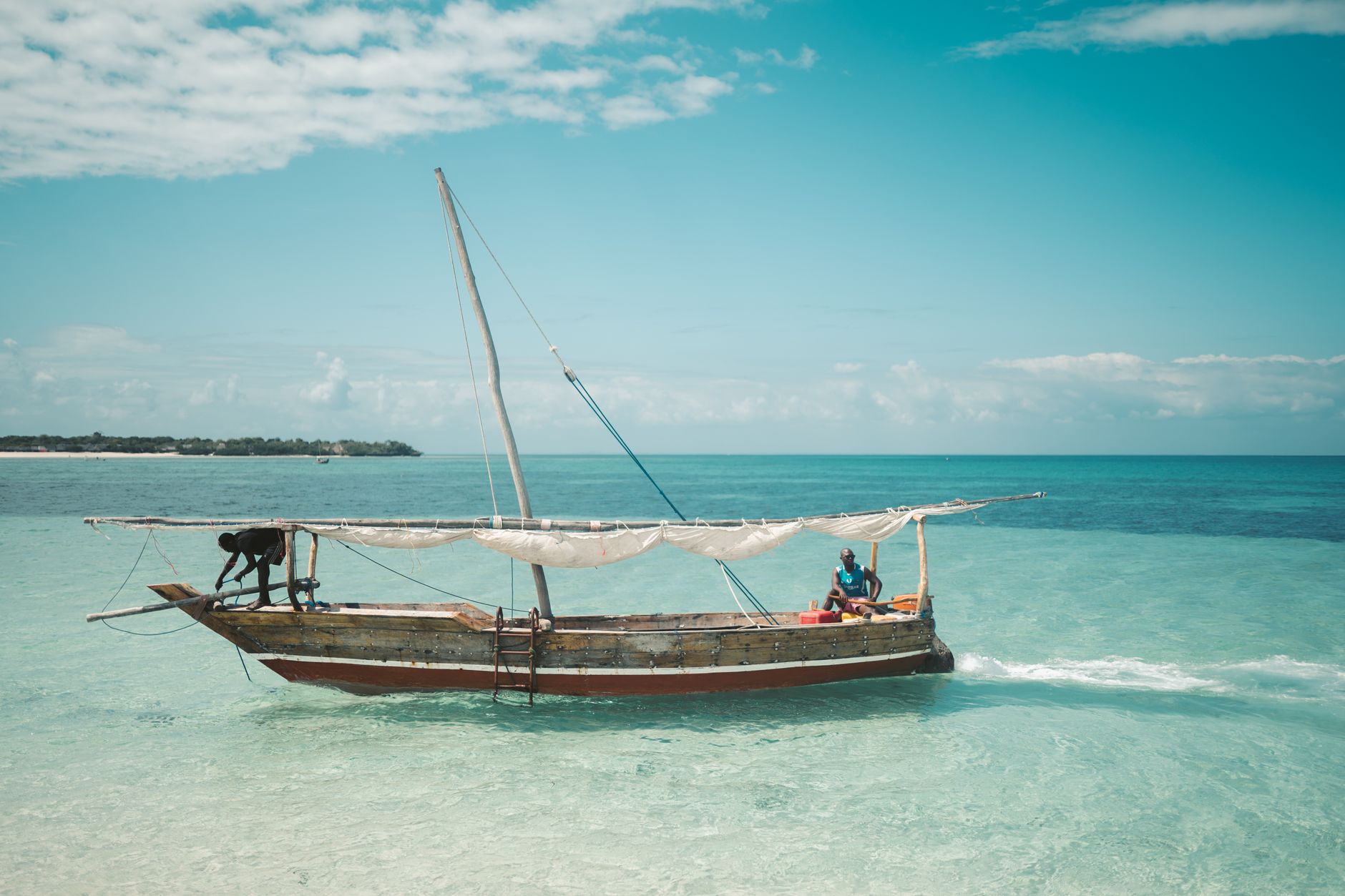
Sailing between the Quirimbas islands by dhow is not a curated experience offered as an add-on. It is, practically speaking, the only way to move through this part of the archipelago. Local fishermen have navigated these channels for centuries using the same lateen-rigged vessels, and the multi-day dhow safaris now available to visitors follow routes shaped by the same wind patterns and tidal windows. There are no ferry timetables. The journey itself – the slow tack between sandbars, the overnight anchoring in a sheltered bay, the sunrise over a palm-edged island with no infrastructure visible – is the point.
Ibo Island, the archipelago’s historic hub, functions as a natural starting point. Once a thriving Arab and Portuguese trading port, Ibo retains a layered colonial architecture that has been left largely to its own weathering – crumbling fortresses, coral-stone mansions, and a fort that dates to the 18th century. Silversmiths still work in traditional workshops here, a craft passed down through generations that survived the town’s long economic decline. It is not a museum piece; people live and work in this space, which gives it a texture that more polished heritage destinations tend to lose.
Marine Life and Reef Conditions
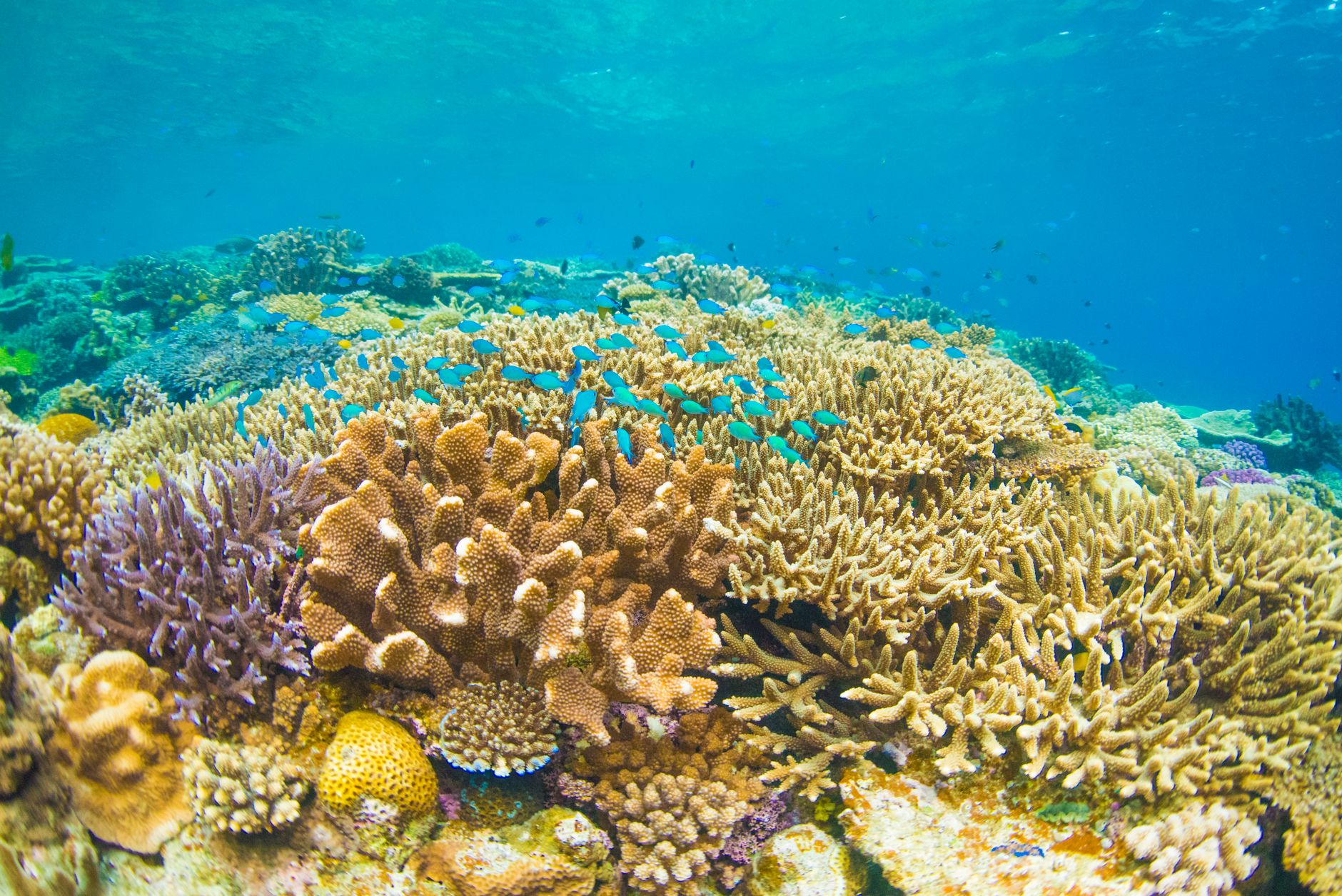
The reefs of the Quirimbas have benefited directly from the national park’s protections and, more practically, from the low volume of dive traffic. Visibility regularly reaches 20 to 30 meters in the dry season, and the coral coverage on the outer reefs remains dense enough to support a food chain that many more frequented Indian Ocean sites can no longer sustain. Manta rays gather around certain cleaning stations on a reliable seasonal basis, and whale shark sightings are common enough between October and March that experienced dive operators plan itineraries around them rather than treating encounters as a bonus.
Dugongs, now rare across much of their historic Indian Ocean range, still inhabit the seagrass beds of the Quirimbas in numbers worth noting. The shallow channels between islands create ideal grazing conditions, and because motorized boat traffic remains limited – partly by regulation, partly by infrastructure – the animals are not subjected to the propeller strikes and stress that have reduced dugong populations elsewhere. Seeing one surface beside a drifting dhow is not a guaranteed outcome, but it is a realistic one, and that distinction matters in marine wildlife travel.
Fishing villages on the inhabited islands practice traditional line and trap methods, and the relationship between subsistence fishing communities and the national park’s conservation mandate has not always been frictionless. Managing that tension thoughtfully is something the better lodge operators in the area treat as part of their responsibility rather than background context. Travelers who choose operators with genuine community investment find that it shapes the experience in practical ways – local guides with real ecological knowledge, fresher seafood sourced directly from the morning catch, and access to island life that surface-level tourism rarely reaches.
Snorkeling off the sandbars requires almost no preparation. At low tide, braided channels between islands expose vast sandflats that fill with sea life – starfish, sea cucumbers, small reef sharks patrolling the drop-offs at the edges. Some of the most interesting marine encounters in the Quirimbas happen in knee-deep water with nothing more than a mask and fins, which makes the archipelago unusually accessible to travelers who do not dive.
When to Go and How to Get There
The dry season, running roughly from May through October, brings the most reliable sailing winds and the clearest underwater visibility. Humidity drops, the southeast trade winds fill the dhow sails consistently, and the risk of cyclone activity – which affects the northern Mozambican coast most severely between November and April – falls to near zero. October and November sit in a shoulder window that offers warmer water temperatures alongside reasonable weather, which is worth considering for anyone prioritizing marine wildlife encounters over ideal sailing conditions.
Getting there involves flying into Pemba, the provincial capital, which is served by regional connections through Maputo or via connections routed through Johannesburg or Nairobi depending on origin. From Pemba, the outer islands are reached by light aircraft to small airstrips on islands like Medjumbe and Quilalea, or by boat from the coastal town of Tandanhangue for Ibo and the southern islands. Neither option is fast. The northern Quirimbas in particular reward travelers who build buffer days into the itinerary – the kind of loose planning that allows for a weather delay or an unscheduled stop at an island that looked interesting from the water.
Accommodation at the Edge of the Grid
The lodge landscape in the Quirimbas is intentionally thin. A handful of properties operate across the archipelago, mostly small-footprint camps and eco-lodges that run on solar power and carefully managed water systems. Medjumbe Private Island and Quilalea Private Island have established themselves as the upper-tier options – both sit within private island settings, both operate on an exclusive or near-exclusive basis, and both price accordingly. For travelers not working with that kind of budget, Ibo Island Lodge occupies the restored colonial buildings of the town itself and offers a more historically grounded experience at a lower cost point.
Camping by dhow – sleeping on board or on the beach during multi-day island-hopping journeys – is an option that some operators quietly offer to travelers who ask directly. It requires tolerance for basic conditions: bucket-wash facilities, food cooked over a small burner on deck, and no guarantee of shade or shelter beyond what the boat and a tarp provide. For the right traveler, it is the most direct way to experience the archipelago on its own terms, at a fraction of the lodge rates.
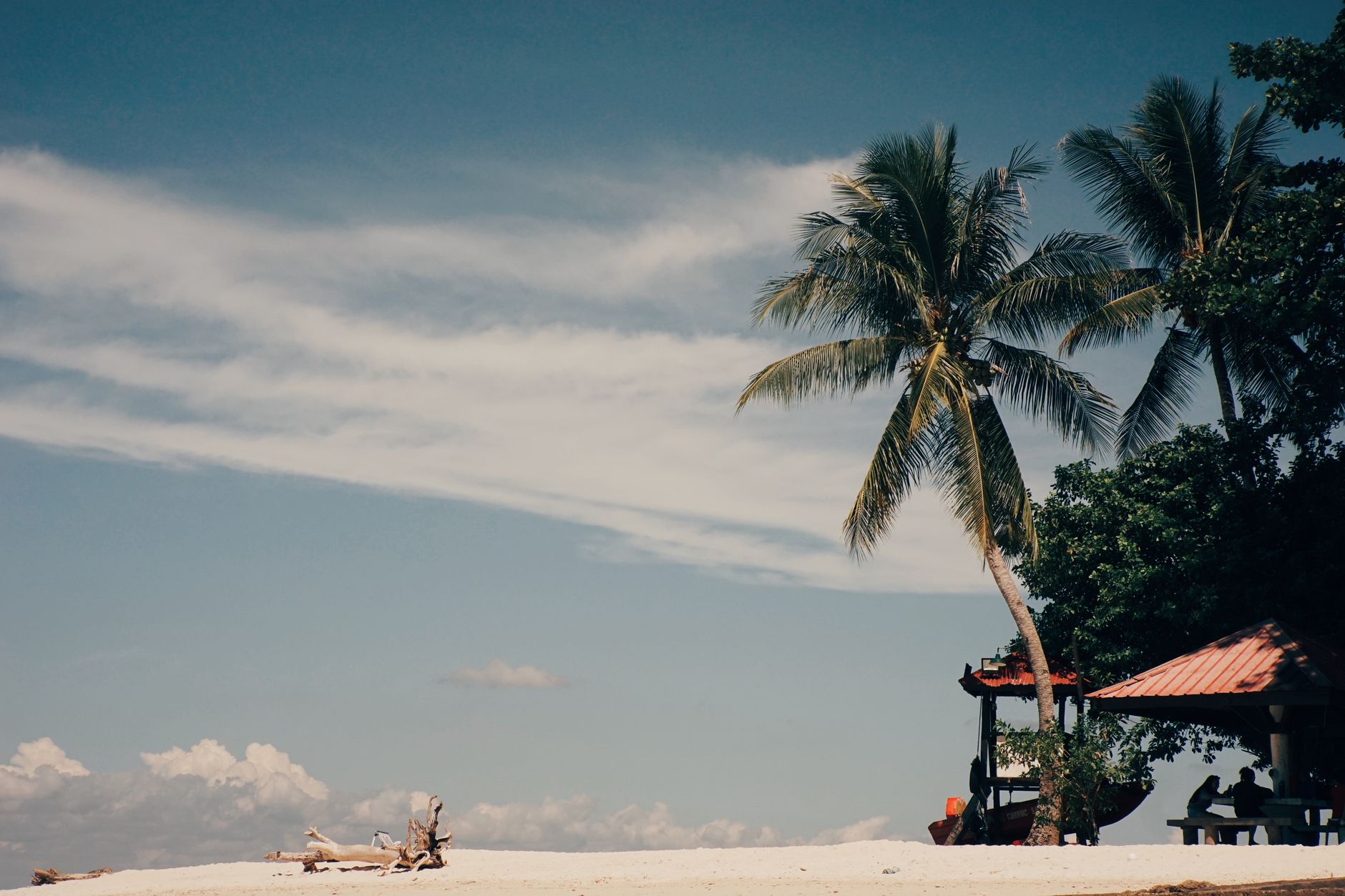
The Quirimbas do not compete with Bazaruto on polish or accessibility, and that is the entire case for going. Bazaruto has better infrastructure, more reliable transfers, and more options at the mid-range price point. The Quirimbas has everything that tends to disappear once infrastructure arrives – space, silence, and marine ecosystems that have not yet had to recover from the attention. How long that holds depends largely on whether the national park’s protections remain enforceable as regional tourism investment continues to push northward along the Mozambican coast.