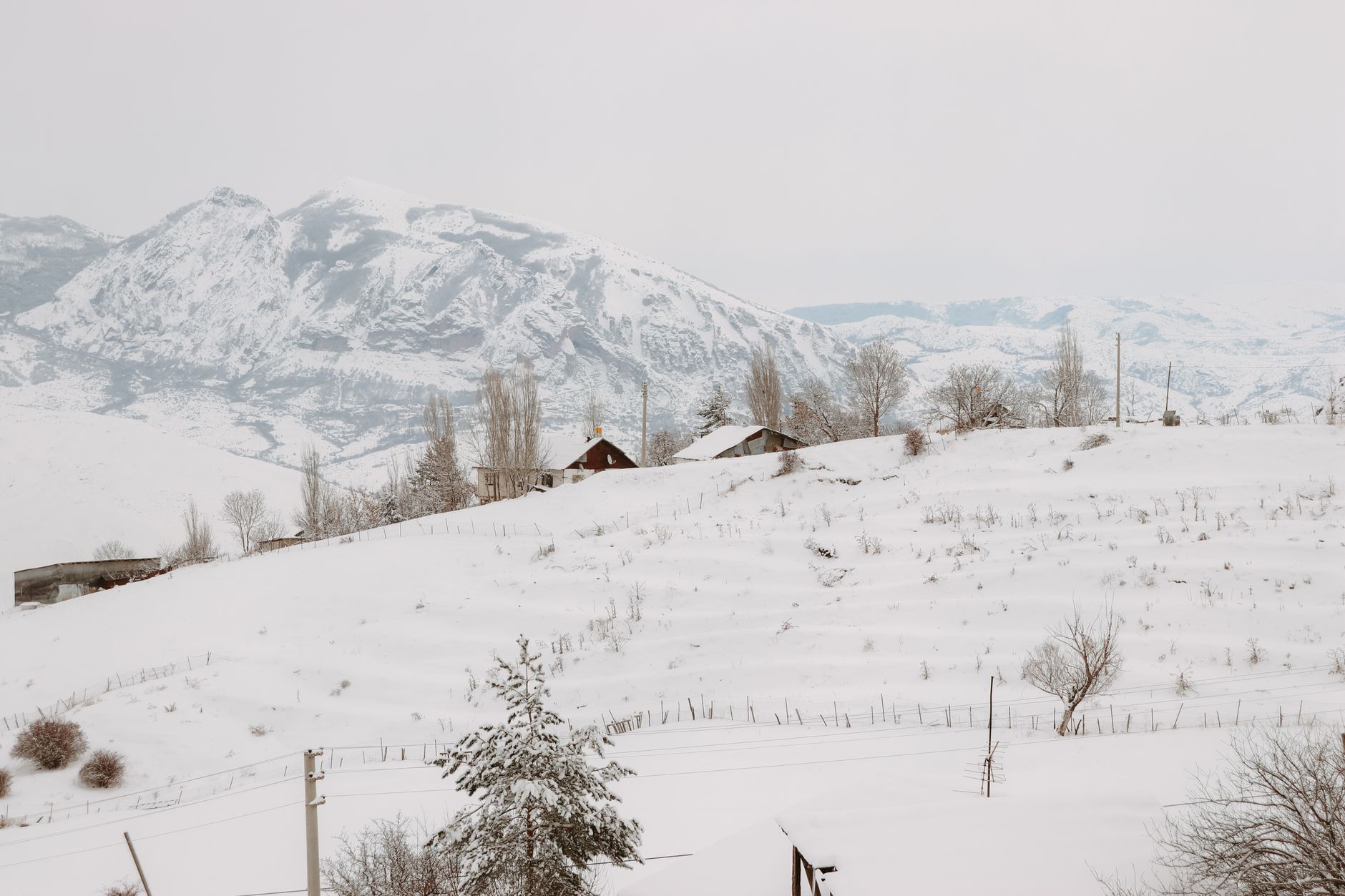

What happens to a medieval valley when the snow closes the passes and the tourists go home? In Svaneti, a high region in northwestern Georgia tucked under the Greater Caucasus, the answer is that daily life carries on, only quieter, slower and more photogenic. Stone towers rise from the white slopes, woodsmoke drifts from timber-and-slate houses, and the ridgelines look sharper than they ever do in summer.
Most travelers still arrive between June and September for the hiking. Winter visitors are rare enough that the region feels like a discovery, which is the best reason to go. Here are seven reasons Svaneti deserves a place on your cold-season map.
1. Mestia Is a Base With Real Character
Mestia is the regional hub, and in winter it works as both a gateway and a destination. The town sits at roughly 1,500 meters, high enough to hold reliable snow, and its streets are lined with the square stone towers that define Svan architecture. Guesthouses here tend to be family-run, with wood stoves in the dining room and breakfasts built around bread, cheese and strong tea.
The town is compact enough to explore on foot, even in boots and layers. A walk at dusk, when the towers catch the last light and the peaks turn pink, is worth more than any scheduled activity.
2. Hatsvali and Tetnuldi Offer Skiing Without the Queue
The Caucasus has a ski scene that most Alpine regulars have never considered. Hatsvali sits just above Mestia and is the easy option, with a short lift ride from town and gentle terrain that suits beginners and families. Tetnuldi, a longer drive away, is the more serious mountain, with higher elevations, wide open slopes and the kind of vertical drop that appeals to confident intermediates and advanced riders.
The real luxury is the lack of crowds. Lift lines that would stretch across a European resort on a February weekend barely exist here, and the infrastructure is modern enough to be comfortable without feeling manufactured. Off-piste and ski-touring options draw experienced skiers who hire local guides, and the backcountry is serious terrain that demands respect and proper avalanche gear.
3. Ushguli Feels Like the Edge of the Map
Ushguli is a cluster of villages that counts among the highest permanently inhabited settlements in Europe, sitting at around 2,100 meters beneath the massive bulk of Mount Shkhara. In summer it is a popular day trip. In winter it is something else entirely, a place where snow buries the lanes, the towers wear white caps, and the population shrinks to the families who stay through the cold.
Getting there takes planning. The road from Mestia can close after heavy snowfall, and conditions change quickly, so a local driver with a capable 4×4 is the sensible choice, along with flexibility in your schedule. When the road is open, the reward is a silence so complete that boots on packed snow sound loud.
Staying overnight rather than doing a rushed round trip changes the experience entirely.
4. The Koshki Towers Look Best Under Snow
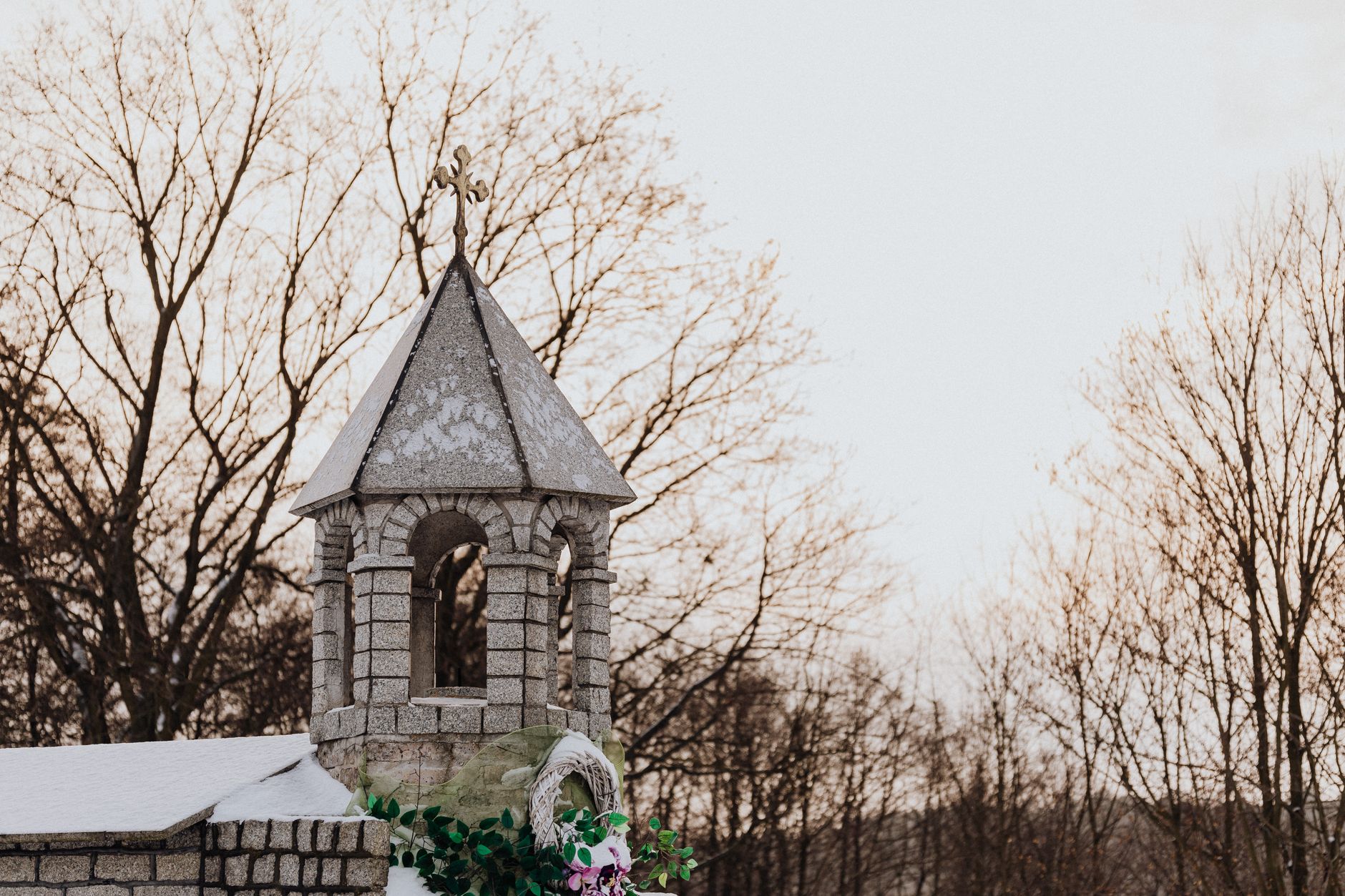
Upper Svaneti is a UNESCO World Heritage site, and the towers are the reason. Known as koshkebi, these tall, narrow stone structures were built mainly between the 9th and 13th centuries as family fortresses and refuges. Many families kept one beside their home, and the towers could shelter whole households during feuds or avalanches. Seen in winter, with snow collecting on their slate roofs and the mountains behind them, their practical purpose becomes easy to feel.
Summer light flattens them against green hillsides. Winter gives them contrast, with dark stone against white ground and a hard blue sky. Photographers who visit in the cold months tend to leave with the images they came for, and ordinary visitors tend to stop talking mid-sentence when the clouds lift.
5. The Food Is Built for Cold Weather
Svan cooking is mountain food in the best sense, hearty, salty and designed to restore. Kubdari, a flatbread stuffed with spiced meat, is the signature dish, and it tastes better after a morning on skis or a long walk through snow. Tashmijabi, a comforting blend of mashed potato and local cheese, is the kind of dish you order twice. Svan salt, a seasoning blended with garlic, herbs and spices, appears on tables everywhere and is worth buying to take home.
Many guesthouses serve dinner as a set family meal, usually with homemade wine or chacha, Georgia’s grape spirit, offered in generous measures. Accept the hospitality, and accept the second helping too, because refusing food in Georgia is a negotiation you will not win.
6. Winter Traditions Are Still Alive
Svaneti has held onto customs that disappeared elsewhere. Lamproba, a late-winter tradition tied to fire and remembrance, involves torchlit processions through village lanes after dark. Dates and details vary by community, so ask your host before you plan around it. Even without a festival, the region’s older rhythms are visible, from the Svan language, which is distinct from Georgian and unwritten for most of its history, to the polyphonic songs sung at family gatherings.
Visitors who show curiosity rather than expecting a performance usually find that locals are glad to explain. A guesthouse host may talk for an hour about the towers, the saints and the feuds if you ask the right question over tea. That kind of access is difficult to arrange in busier places.
7. The Logistics Reward Careful Planning
Winter in Svaneti is not difficult, but it is unforgiving of casual planning. Flights from Tbilisi to Mestia have been offered on a seasonal and weather-dependent basis, so check current schedules and keep a backup. The overland route runs through Zugdidi and along a mountain road that can see delays or closures during storms, so build in spare days rather than tight connections.
Bring proper layers, waterproof boots and a charged phone with offline maps. Anyone heading beyond the groomed slopes should treat avalanche risk as a real concern and hire a local guide. Guesthouses will often arrange transport and advice if you book ahead and tell them what you want to do.
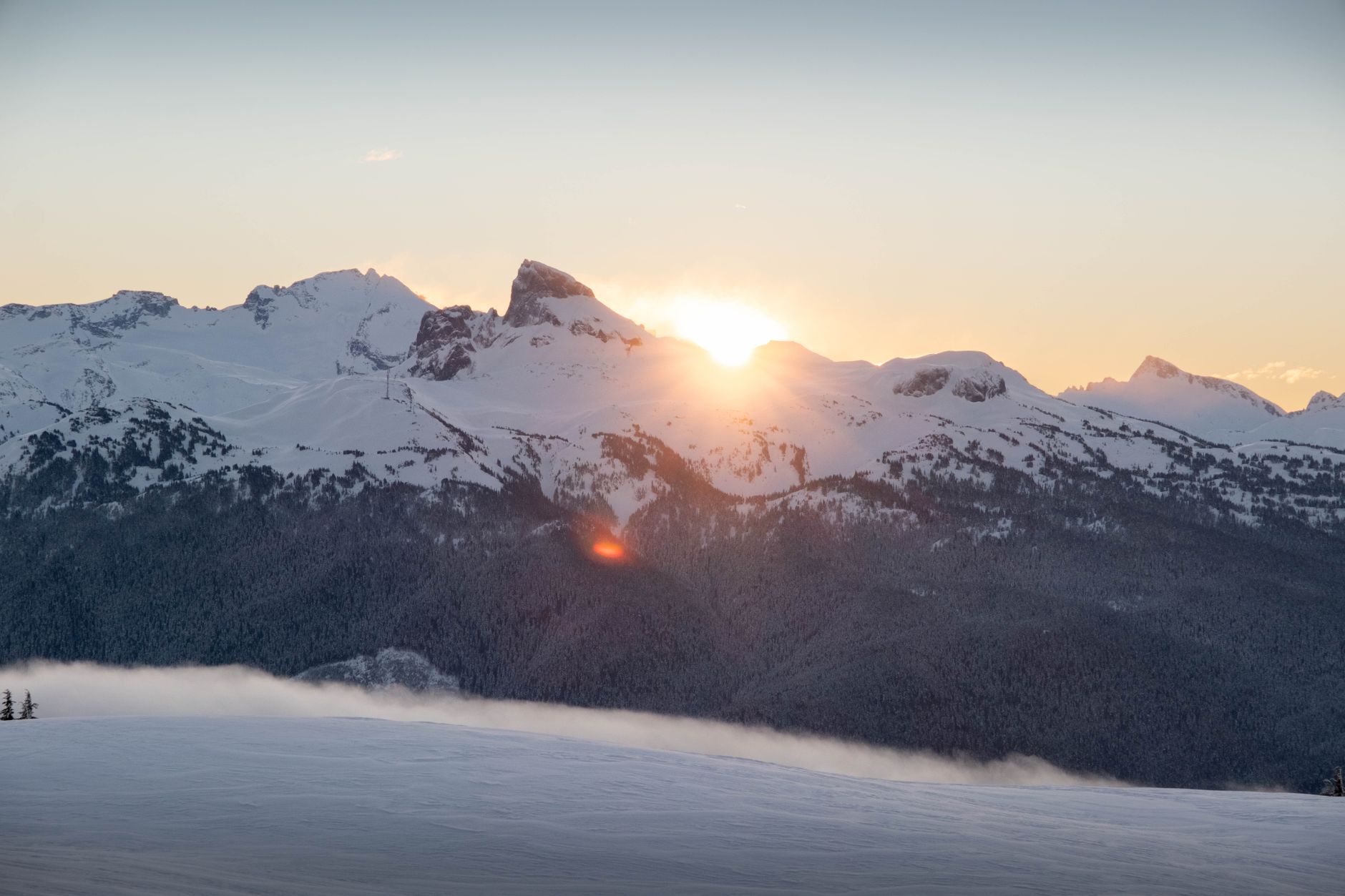
The payoff comes on a clear morning, when the sun hits the double summit of Mount Ushba and the whole valley turns gold for about ten minutes.
Frequently Asked Questions
When is the best time to visit Svaneti for winter activities?
Snow is generally most reliable from January through February, though conditions vary each year. Check local forecasts and road updates before you travel.
Is Ushguli accessible in winter?
Sometimes. The road from Mestia can close after heavy snow, so hire a local driver with a 4×4 and keep your schedule flexible.
Can beginners ski in Svaneti?
Yes. Hatsvali, close to Mestia, has gentler terrain suited to beginners and families, while Tetnuldi is better for confident skiers.
How do you get to Mestia in winter?
Travelers usually fly from Tbilisi when seasonal flights run or drive from Zugdidi on a mountain road. Both routes can be disrupted by weather, so plan spare days.