
Where the Forest Gets Louder and the Crowds Stay Away
Gombe Stream National Park carries a name that most wildlife travelers recognize instantly – it is where Jane Goodall set up camp in 1960 and changed how the world understood chimpanzees. That history has weight, and it draws visitors year after year to a narrow strip of land along the eastern shore of Lake Tanganyika. But roughly 150 kilometers south of Gombe, a larger, wilder stretch of forest has been hosting chimpanzees with far less fanfare, and travelers who make the effort to reach it often leave convinced they witnessed something more raw and more immersive than anything Gombe could offer.
Mahale Mountains National Park covers around 1,613 square kilometers of montane forest rising sharply from the lakeshore. It has no roads. Getting there requires a boat or a chartered flight. That barrier alone filters the visitor count to a fraction of what Gombe receives, which means the chimps – and the people watching them – share the forest in a quieter, more concentrated way. Mahale’s M-group community, habituated to humans over decades of research, offers some of the most reliable close-range chimpanzee encounters on the continent.
The Case Against Gombe’s Crown
Gombe’s fame is deserved. Its association with decades of scientific research gives any visit an almost sacred quality, and the forest itself is genuinely beautiful. But the park covers only about 52 square kilometers, making it the smallest national park in Tanzania. During peak season, competition for trekking permits and limited space on trail can reduce the experience to something that feels more managed than wild. Visitors sometimes wait hours for the chimps to descend to accessible ground, and when they do, the density of people watching can soften the encounter.
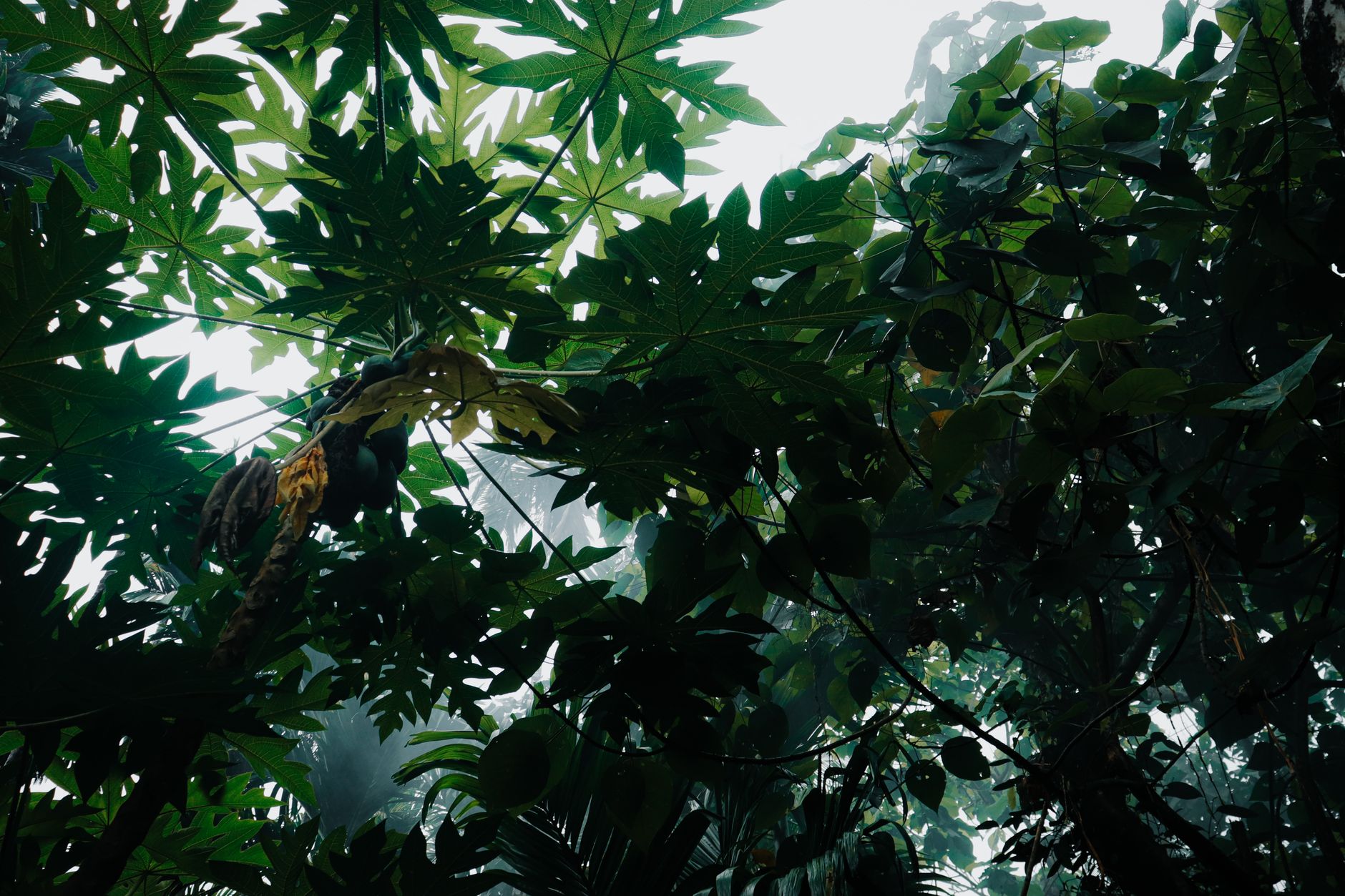
Mahale does not have that problem. The park’s sheer size means groups spread out naturally, and the terrain – steep ridges, dense canopy, streams cutting through dark undergrowth – forces both chimps and humans to move on the forest’s terms. Encounters are rarely staged or predictable. You might find the M-group mid-travel across a hillside, or sitting in filtered light at a fruit tree, entirely indifferent to observers standing a few meters away. The absence of roads also means no vehicle noise, no engine smell, nothing to dilute the acoustic environment that makes primate watching in a closed-canopy forest so disorienting in the best sense.
What Makes Mahale the Stronger Destination for Serious Travelers
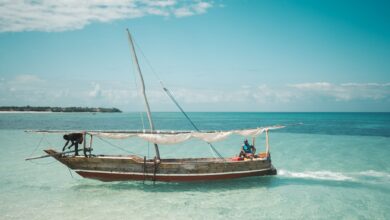
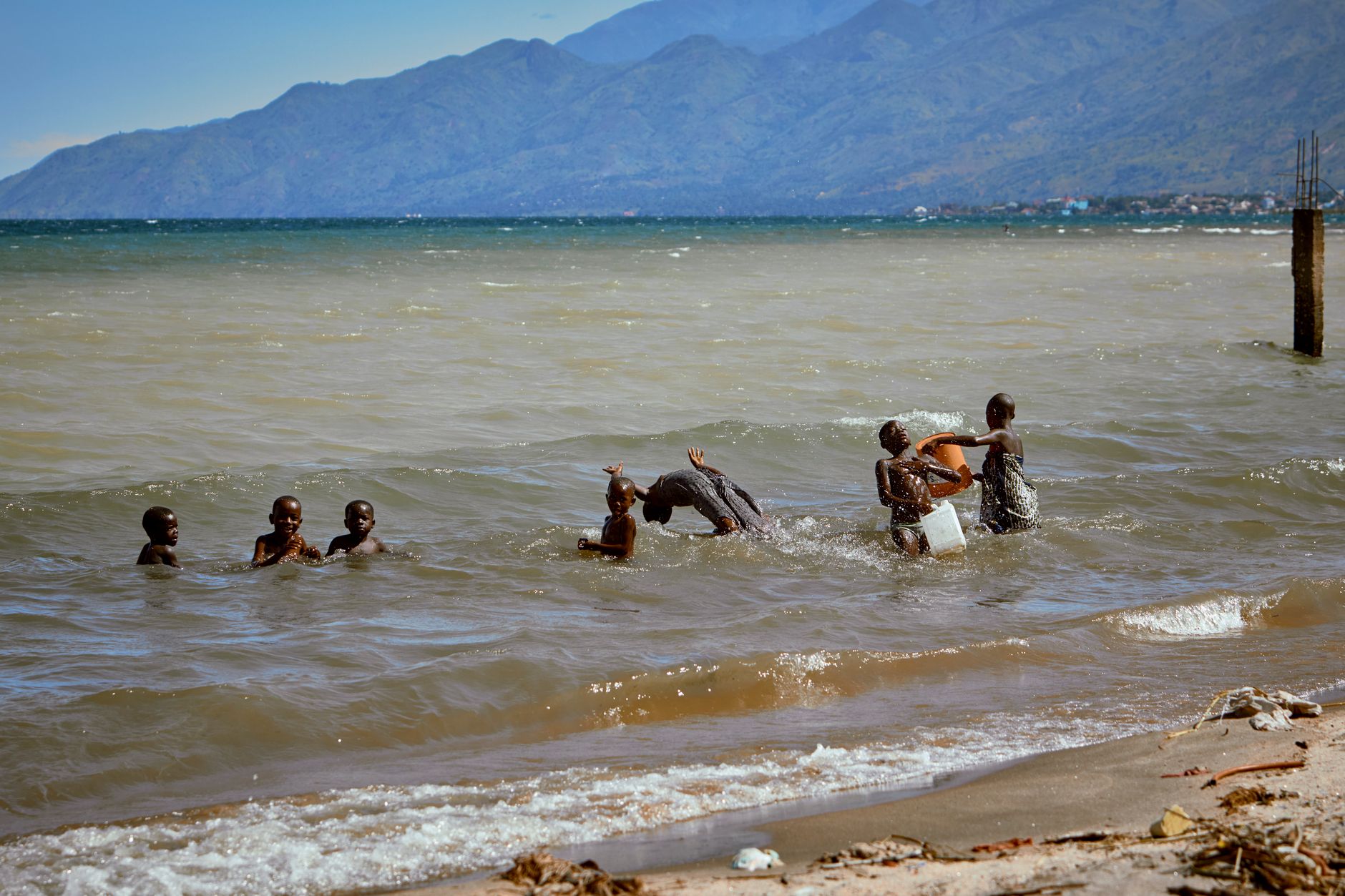
The logistics of reaching Mahale are what keep casual visitors away, and that is precisely the point. Most travelers fly into Kigoma on the western shore of Lake Tanganyika, then take a charter flight or a lengthy boat transfer south. Some camps run their own boat transfers, which can take five to seven hours depending on lake conditions. That journey is not a burden – it is part of the experience. Lake Tanganyika is the world’s longest freshwater lake, and traveling its shoreline at low altitude or at water level, watching the Congolese hills disappear into haze on the opposite bank, sets a tone that no land transfer through tourist corridors can replicate.
The camps operating inside the park sit directly on the lakeshore, with the forest beginning almost immediately behind them. Guests swim in Tanganyika – which is free of bilharzia in this section – and watch kingfishers and fish eagles work the shallows before heading into the mountains for morning chimp tracking. The contrast between the cool blue expanse of the lake and the dark, humid interior of the forest creates a daily rhythm that most safari circuits simply do not offer. This is not a drive-in-drive-out game park; the experience is physically immersive in a way that leaves a different kind of impression.
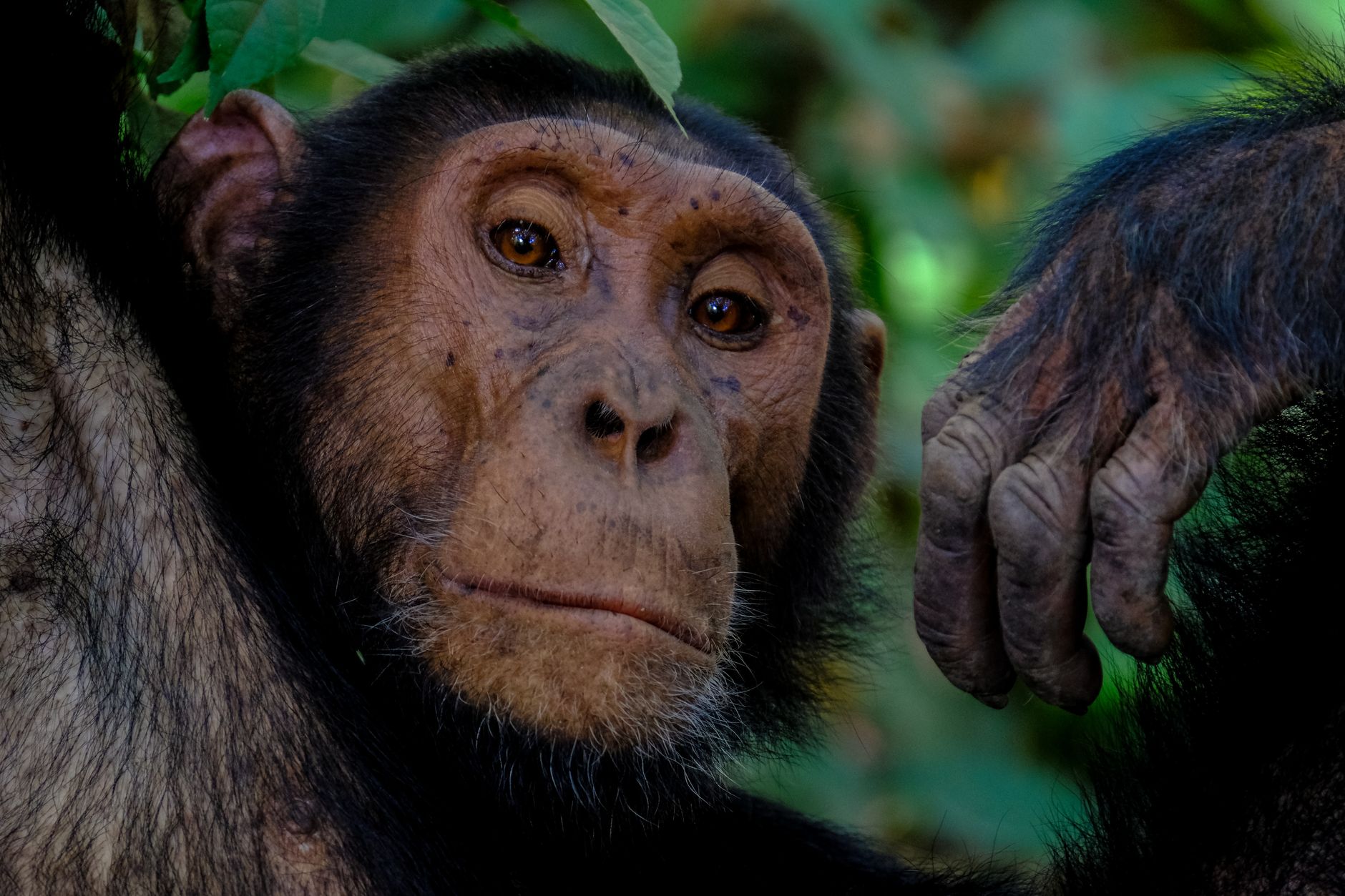
Chimpanzee trekking at Mahale follows a permit system that keeps daily visitor numbers low. Trackers go out each morning to locate the M-group before guests are brought in, and time with the animals is typically capped at one hour. Within that hour, it is not uncommon to be within five or ten meters of individuals grooming, nursing, or simply resting. Adult males in the M-group can be enormous, and watching one move through undergrowth at close range – all muscle and deliberate motion – is a different encounter from observing chimps at distance through binoculars in more open habitat. The scale of the animals relative to the enclosed space of the forest makes the encounter feel genuinely unscripted.
Beyond chimpanzees, Mahale holds a broader primate community that rarely gets mentioned in promotional material. Red colobus, red-tailed monkeys, and yellow baboons share the forest, and their presence means that even on a slow chimp day the forest is never empty. The birdlife, while not as celebrated as in East Africa’s Rift Valley parks, rewards patience – forest specialists that simply do not exist in savanna environments turn up regularly for anyone willing to move slowly and look upward. For travelers with a background interest in ecology rather than just the headline species, Mahale offers a layered experience that Gombe, by virtue of its size alone, cannot match.
The Practical Realities and Why They Actually Help
Mahale is more expensive to reach and more expensive to stay in than Gombe, and that gap is not trivial. Luxury camps inside the park charge rates that reflect both the remoteness and the exclusivity, and charter flights from Arusha or Dar es Salaam add substantially to the total cost. For budget travelers or those building a broad Tanzania itinerary around cost efficiency, Gombe remains the more accessible option. But the premium at Mahale is not purely cosmetic – it directly funds the low visitor cap and the operational infrastructure that keeps the experience from degrading under heavier traffic.
The best months to visit run from June through October, when the dry season makes forest trails navigable and chimp sightings more consistent as the animals concentrate around reliable food and water sources. The wet season brings a different forest entirely – noisier, greener, more atmospheric – but trail conditions can become genuinely difficult on the steeper terrain. There is a version of Mahale that veteran wildlife travelers swear by even in the rains, but it demands physical readiness and a tolerance for unpredictability that not every group can accommodate. What it never demands, in any season, is a willingness to share the experience with a crowd. That is the one problem Mahale simply does not have.