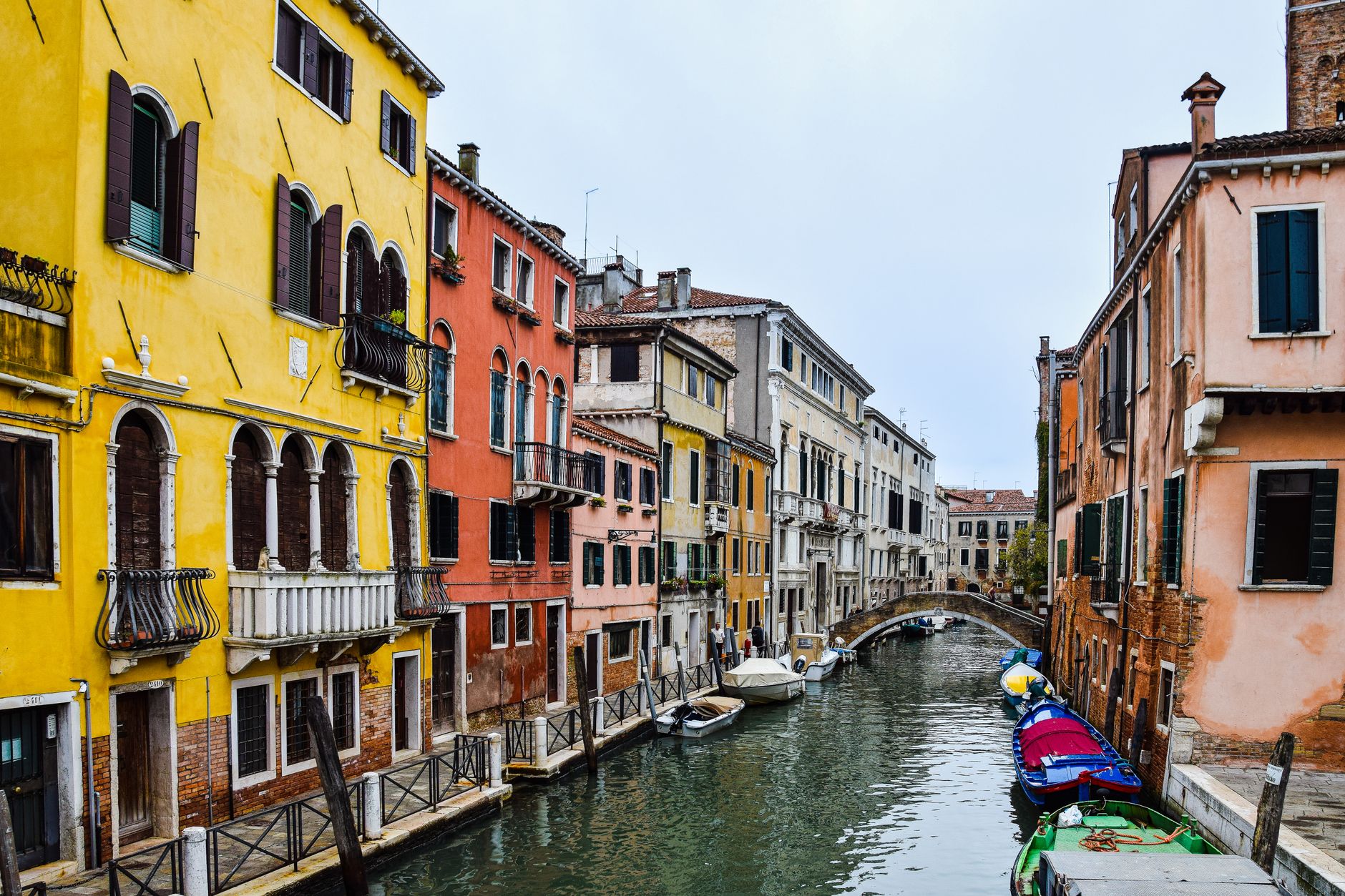

Can a city charge you for walking through it? Venice has decided the answer is yes, at least on selected days. Since its access-fee pilot began in spring 2024, day visitors entering the historic center on designated dates have had to register online, pay a modest fee, and carry a QR code that inspectors can ask to see. Skip the process and the penalty can run well beyond the fee itself.
The system is easy to misunderstand because it isn’t a ticket to a monument or a toll booth at the causeway. It’s a registration layered over a city with no gates. Travelers arrive by train at Santa Lucia, by bus at Piazzale Roma, or by ferry, and walk straight into the crowd with nothing physically stopping them. That is exactly why the fines exist, and why the visitors who avoid them are mostly the ones who treat the process like a flight check-in rather than an afterthought. Dates, hours, and prices have shifted between seasons, so the city’s official portal is the only source worth trusting before you go.
Who Actually Has to Pay, and Who Doesn’t
The fee is aimed at day-trippers, meaning visitors who do not sleep within the municipality of Venice. That distinction matters more than it sounds. The municipality includes the mainland district of Mestre and the Lido, so a traveler booked into a cheaper hotel across the bridge is generally treated as an overnight guest rather than a day visitor.
Being exempt, however, does not mean being invisible to the system. Overnight guests can usually claim an exemption, but it typically needs to be generated through the portal so there is something to show if an inspector asks. The travelers who get into trouble here are the ones who assume a hotel reservation confirmation is enough. A booking email is not an exemption code, and an inspector on a crowded bridge is unlikely to debate the difference.
Other categories are exempt as well, including young children, residents, people who live or work in the surrounding Veneto region, students enrolled locally, and visitors with certain family or work ties to the city. Each category comes with its own paperwork expectations. Carry the identification or proof that supports your claim, because the published penalty range for visiting without a valid code or exemption has run from roughly 50 to 300 euros, on top of the fee you were supposed to pay in the first place.
Timing Is the Cheapest Strategy
The fee applies only on listed dates, and only during daytime hours, which in the pilot seasons ran from early morning until mid-afternoon. The calendar has leaned toward weekends and peak spring and summer stretches, when the crowds are heaviest. A traveler who checks the calendar first can sometimes choose a weekday outside the listed dates and owe nothing, or arrive in the late afternoon once the fee window has closed. This is legitimate, and it also happens to be the pattern the city wants to encourage.
Booking early matters too. In the 2025 season the fee was tiered, with the base price rising for those who registered only days before their visit. The difference is small in absolute terms, but it is entirely avoidable. Registering when you book your train ticket costs the same effort as registering on the platform, and far less than doing it with a weak signal in a crowd.
Where Travelers Still Get Caught
The most common mistakes have little to do with trying to dodge the rules. They come from treating a digital system as if it were a paper one. Each person in a group needs their own valid registration or exemption, so one traveler cannot pay and hope the QR code covers everyone. Families sometimes assume the same applies to children, then discover that the rules for minors depend on age and documentation. The safest habit is to register every adult individually and save every code in one place.
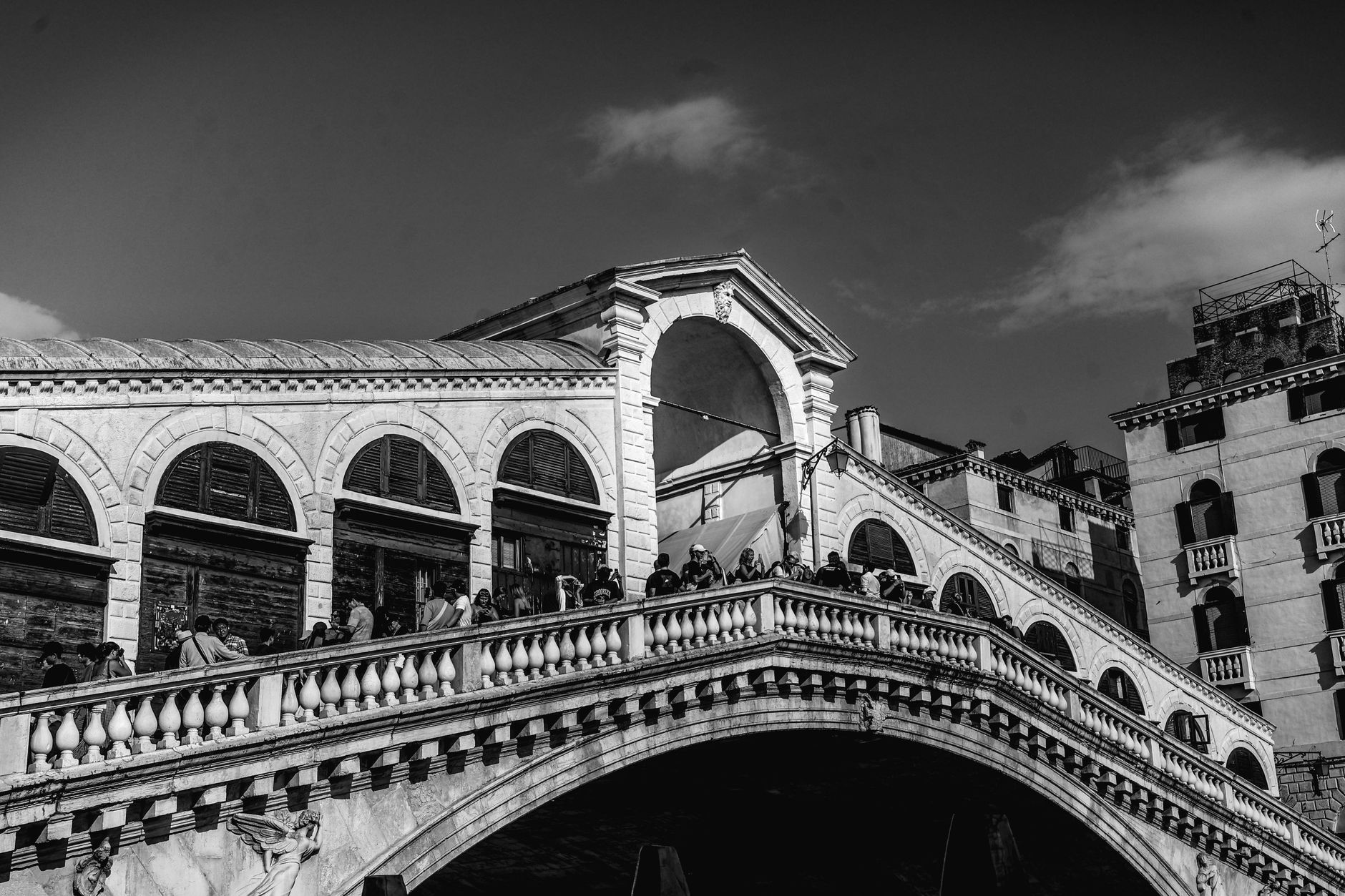
There is also a design logic behind the modest price that explains why enforcement relies on spot checks rather than turnstiles. A fee of a few euros is unlikely to deter someone who has already paid for a train ticket, a lunch, and perhaps a gondola ride. Its more realistic purpose is to create a record of who is arriving and when, and to nudge flexible travelers toward quieter days. Whether it changes behavior enough to relieve the pressure on the narrow streets around Rialto and San Marco is a fair question, and the evidence so far is contested. For the individual visitor, though, the penalty structure is lopsided in a way that rewards compliance: pay a few euros now or risk a fine many times larger later.
Cruise passengers and tour-bus travelers occupy a gray area in many visitors’ minds, since someone else handles their itinerary. That does not transfer responsibility for the registration. Anyone arriving as part of a package should ask the operator, in writing, whether the fee is included and whether a code will be issued in their name. Another small trap involves group tours themselves, because the city has also moved to cap group sizes and restrict amplified guides in the historic center. A tour that ignores those limits can leave its members standing around while the guide sorts out a dispute.

The practical routine is short. Check the calendar for your travel date, register or claim your exemption as soon as you book transport, and save the code in two forms: a screenshot and a printout. Phone batteries drain quickly when you are navigating and photographing all day, and the maze of calli is no place to be scrolling through your email for a confirmation. A single folded sheet of paper weighs nothing.