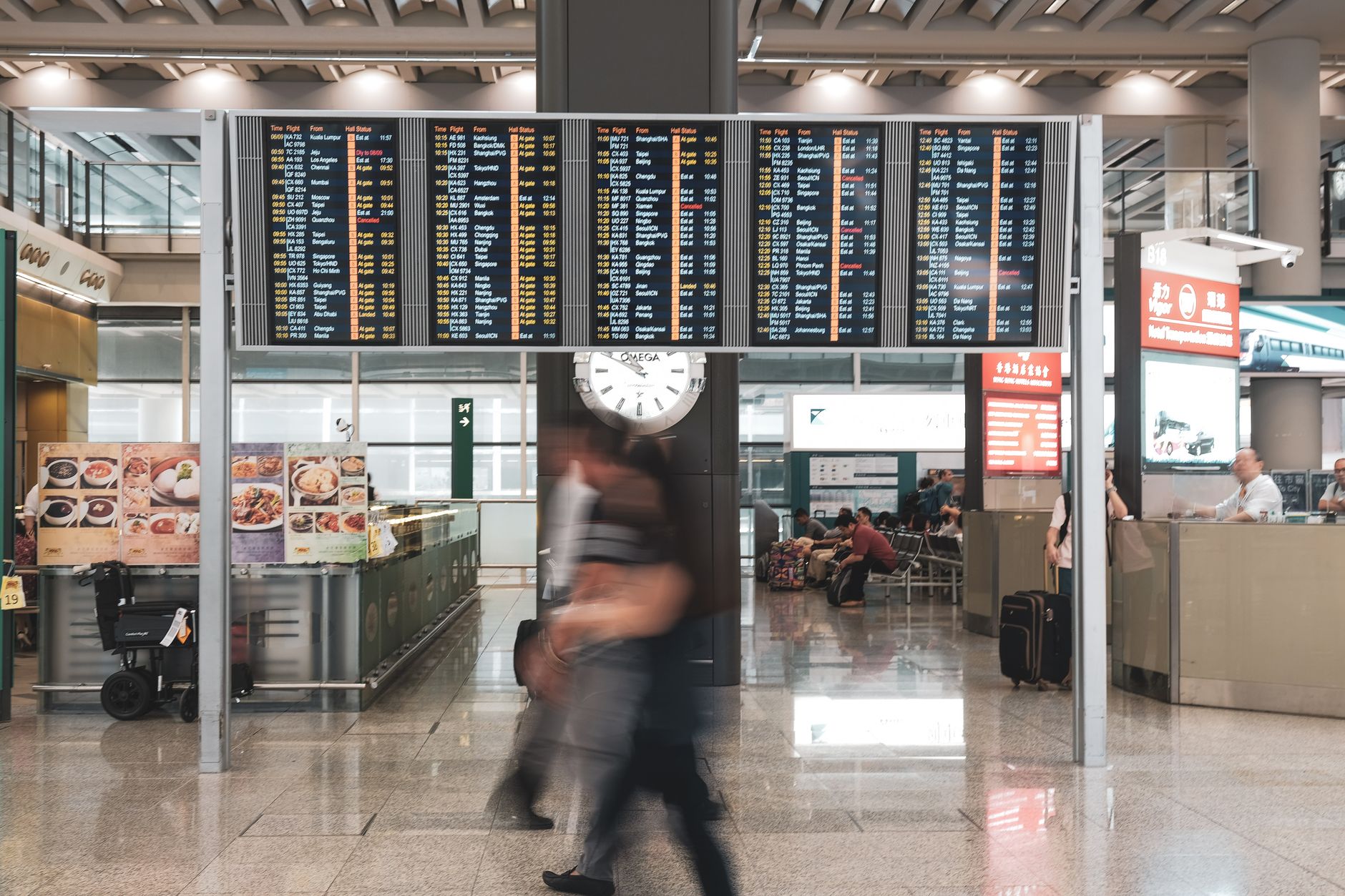

Your bag does not care that your flight vanished from the departures board. It has its own itinerary, and the moment a connection is canceled, that itinerary starts to unravel in ways you cannot see from the gate.
Where the Bag Actually Goes
When you check a bag on a single ticket, it receives a tag with the three-letter code of your final destination. That tag, not your boarding pass, is what scanners and baggage handlers follow. By the time a connecting flight is canceled, your bag is usually either still in the belly of the first plane or already moving through the connecting airport’s sorting system, headed toward a belt for a flight that no longer exists.
Once the cancellation is logged, the airline’s system flags the bags assigned to that flight. In theory, ground crews pull those bags and hold them until a new routing is confirmed. Rebooking is the trigger. When an agent or the airline’s app puts you on a new flight, your bag record should update and a replacement tag may be printed and attached. Sometimes this happens in minutes. Sometimes the bag record lags behind the passenger record, and that gap is where most of the trouble starts.
While the system catches up, your bag sits in a staging area or a back-of-house holding zone. It may also be sent ahead on the next available flight to your destination, even if you are not on that plane. That is why a traveler can land hours after their suitcase, or why a bag can end up at the destination airport while its owner is stuck in a hotel two states away. Neither outcome is a sign that something has gone wrong. It is simply how the bag is being protected from sitting idle.
The picture changes if your trip is built from separate tickets. A bag is checked only as far as the end of the first ticket, so if your connection is on a different booking, you are expected to collect the bag at the connecting airport and check it in again. If the second flight is canceled, the bag is already in your hands, which is easier to manage but means the first airline has no obligation to help with a flight it did not sell you.
What You Can Ask For, and What You Probably Cannot Get
The most common question at a rebooking counter is whether you can get your bag back for the night. Usually the answer is no. Bags are often held in the system until you are on a new flight, and releasing one means locating it, pulling it from the sort, and delivering it to you, a process that airlines treat as discretionary. Some carriers will do it for a long overnight delay, particularly when the cancellation was within the airline’s control, but you have to ask, and you have to ask early. Once a bag has traveled deep into the sorting system, it becomes much harder to retrieve.
Pack as if you will not see the bag until the next day.
That means medication, chargers, a change of clothes, and anything you need for the first morning belong in your carry-on. Travelers who have been through a long cancellation tend to say the same thing afterward: the bag was never the problem, the missing toothbrush and glasses case were. Some airlines hand out overnight kits at the counter, but availability is inconsistent, and it is not a plan to rely on.

If the cancellation convinces you not to travel at all, the situation is simpler. In the United States, a passenger whose flight is canceled and who chooses not to take the airline’s alternative is generally entitled to a refund, and your bag should be returned to you rather than sent onward. Tell the agent before the bag moves further. Waiting until you are home to request a refund can leave you chasing a bag that has already completed the trip without you.
There is a separate protection for bags that arrive late. Under US Department of Transportation rules, airlines must refund checked bag fees when a bag is significantly delayed, with the threshold depending on whether the flight is domestic or international. The refund is for the fee only, not for the inconvenience, and rules in other countries differ. Travelers flying in Europe, for example, are covered by different passenger-rights regulations, so the airline’s own policy page is the place to check what applies to your route.
Visibility is the strongest tool you have. Many airline apps now show bag status, and a small personal tracker tucked inside the suitcase gives you a second source of information that does not depend on the airline updating its records. If the app shows the bag in a city you are not headed to, you have a concrete fact to bring to the baggage desk instead of a vague worry. Agents can only fix what they can find, and a location helps them find it.
When the Bag and the Rebooking Do Not Match
If you reach your destination and the bag does not, file a delayed-baggage report before you leave the airport. Do it at the airline’s baggage service office, not by assuming the carousel will eventually deliver. The report generates a file reference that ties everything together, from delivery to your address to any later reimbursement. Keep receipts for clothing, toiletries, and other essentials you buy while you wait, since many airlines reimburse reasonable expenses but ask for proof.
For international itineraries, liability for lost or damaged luggage is governed by treaty-based limits, which cap what an airline owes per passenger. If your bag contains anything valuable, a travel insurance policy or credit card benefit may cover more than the airline will. Before you hand over the suitcase at the counter, photograph both the bag and the claim tag receipt, because that image will be the first thing anyone asks for if the bag goes missing.