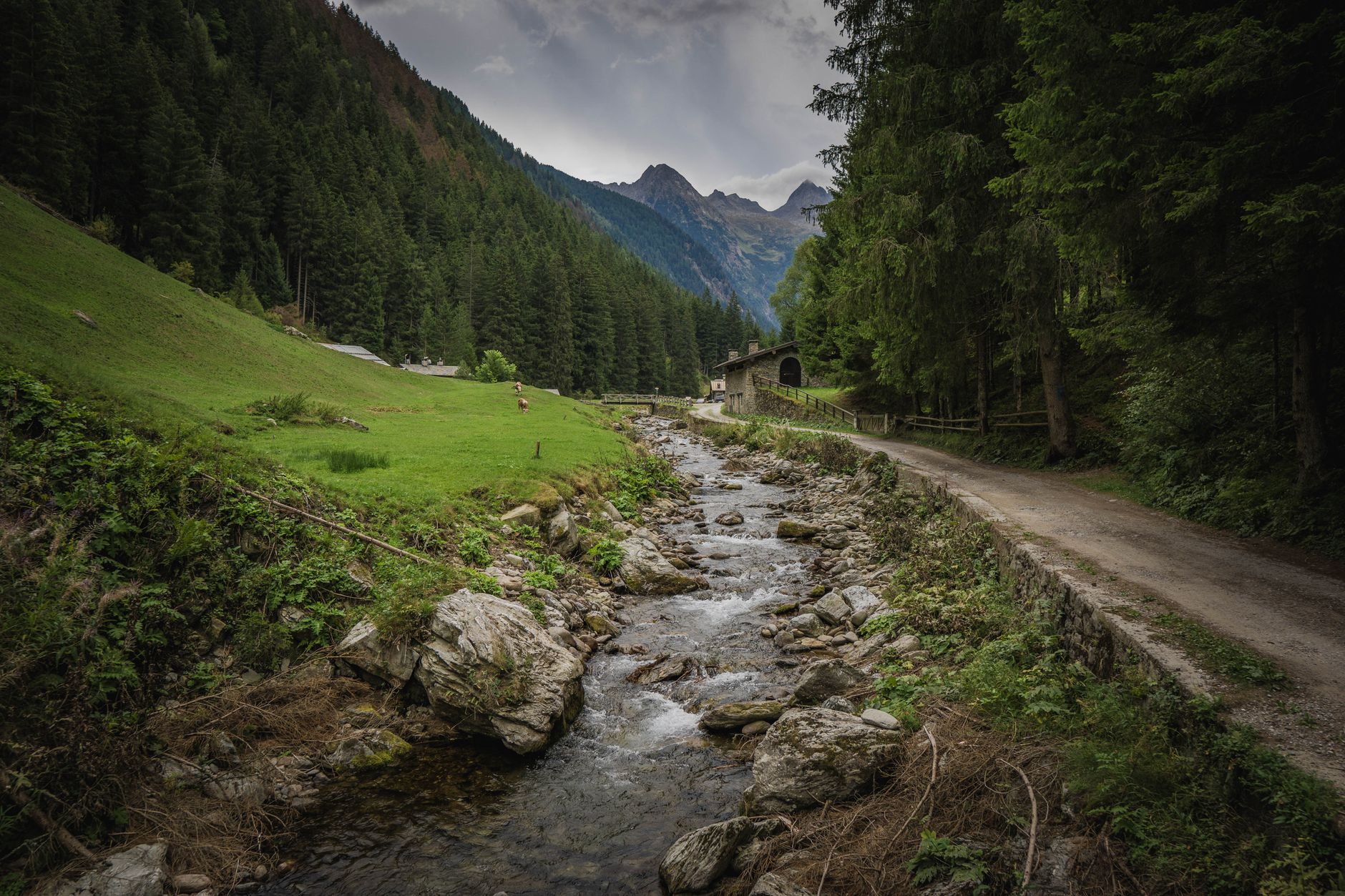

Albania’s far north has been hiding in plain sight. While Montenegro’s Durmitor and Prokletije ranges fill guided tour itineraries and Instagram grids, the Valbona Valley sits just across the border, offering something that overexposed alpine destinations rarely deliver anymore: actual solitude.
A Valley That Earns Its Reputation the Hard Way
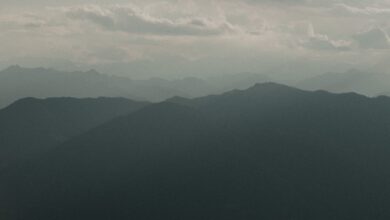
Valbona sits in the Albanian Alps – locally called the Bjeshket e Namuna, or “Accursed Mountains” – a name that says more about their raw, unmanaged character than anything a travel brochure would choose. The range straddles Albania, Montenegro, and Kosovo, but the Albanian stretch remains the least developed, which is precisely why serious trekkers are rerouting here. The infrastructure is minimal. The rewards are not.
The valley runs roughly east-west, carved by the Valbona River, and the classic hike connecting Valbona to the village of Theth has become the flagship route for anyone willing to put in the effort. The crossing takes a full day, climbing to a pass above 1,800 meters before descending into Theth’s isolated basin. The path is marked but not manicured. There are no guardrails on exposed ridgelines, no mountain rescue helicopters on standby, and limited cell coverage for most of the route. That’s not a bug – it’s what keeps this trail honest.
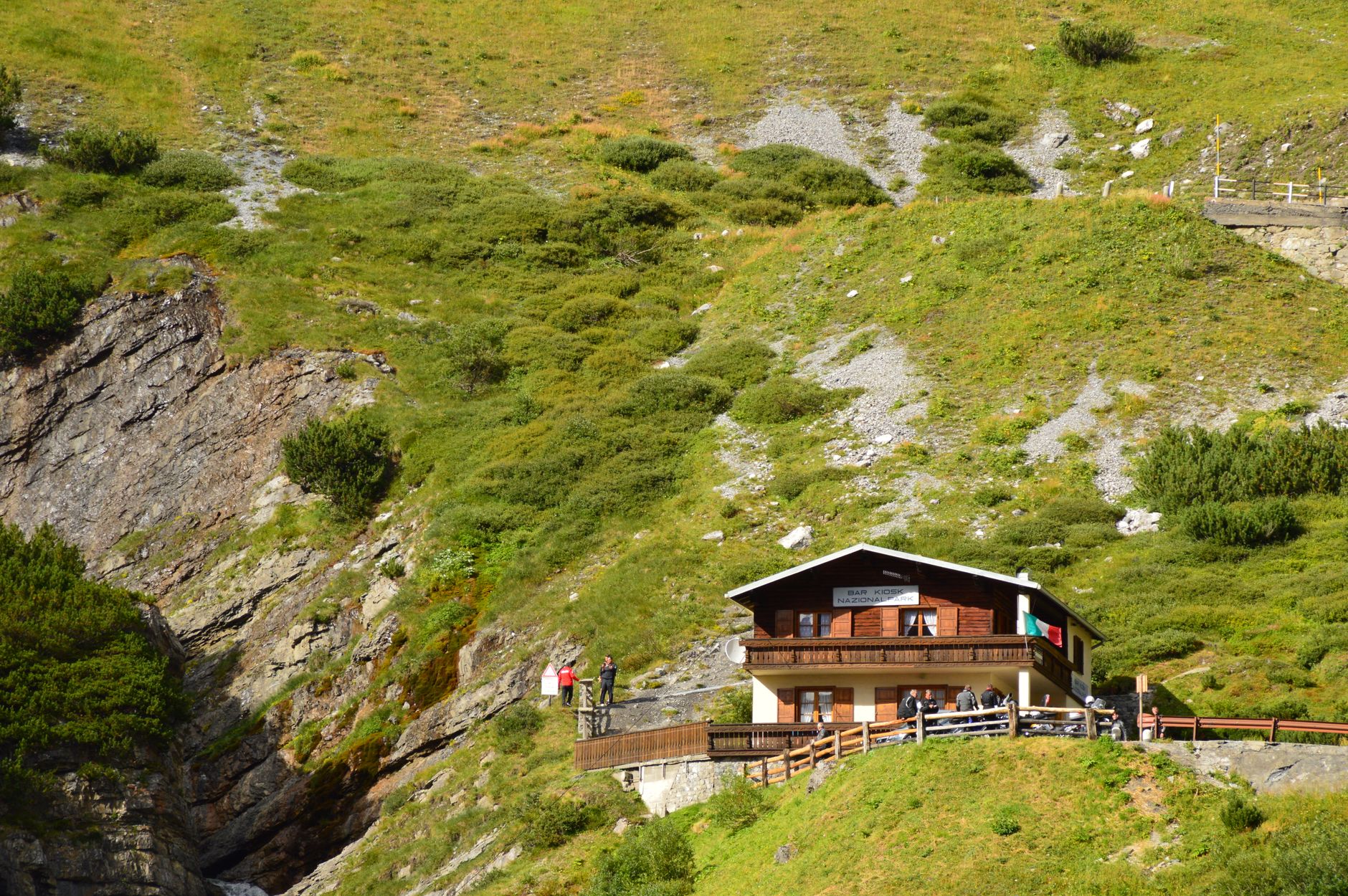
What separates Valbona from the polished alpine circuits of Montenegro’s Durmitor is the absence of resort architecture. Accommodation in the valley is almost entirely family-run guesthouses – called “bujtina” locally – where dinner is served at a shared table and the host will sketch your next day’s trail on a scrap of paper if you ask. The hospitality culture in northern Albania runs deep, rooted in the ancient Kanun code that made hospitality to guests a matter of honor. You feel the weight of that tradition when someone insists you take another plate of tavë (baked lamb and yogurt) before you’ve finished the first.
Getting to Valbona requires commitment. The most scenic approach is the ferry from Koman Lake, a two-hour boat ride through drowned canyon walls that look borrowed from the Norwegian fjord system. From Shkoder, a furgon (shared minivan) covers the route to Koman in the early morning, and the boat departs once daily. Miss it, and you’re reorganizing your entire itinerary. That friction filters out casual tourists in ways that national park entrance fees never can.
Why Montenegro’s Shadow Has Actually Protected This Place
Montenegro has spent the better part of two decades building a coherent alpine tourism identity. Durmitor National Park is UNESCO-listed. Kotor is on every “hidden gems” list, despite being decidedly unhidden. The country has lean-in marketing, direct budget flights from Western Europe, and a well-worn backpacker trail. Valbona has none of that, and the valley is better for it.
Albania’s broader reputation for difficult travel – potholed roads, bureaucratic friction, language barriers – has historically scared off the segment of traveler who needs a trip to feel easy. That segment tends to be loud in its influence on group travel trends. Their reluctance has created an unintentional buffer around Valbona, keeping daily foot traffic low during the shoulder season and manageable even at August’s peak. The Theth-Valbona trail sees a fraction of the daily crossings that comparably scenic routes in Slovenia or northern Montenegro handle.
Albania joined the list of countries accepting travelers without visa requirements for EU, US, and UK passport holders years ago, and its currency (the lek) makes it one of the most affordable destinations in Europe for everything from guesthouse beds to trailside rakia. A full day’s hiking with a packed lunch, guesthouse dinner, and a bed can cost less than a mediocre lunch in Kotor’s old town. That gap is wide enough to matter for anyone planning a multi-week Balkans trip.
The ecological condition of the valley also benefits from reduced pressure. The Valbona River is genuinely clear – cold and green in the way that rivers are only clear when nobody is treating the watershed as a wastewater convenience. Brown bears still move through the forests above the treeline. The bird list for serious ornithologists includes lammergeier, golden eagle, and rock partridge. Wolves are present but rarely seen. The ecosystem hasn’t been loved to death yet, which puts Valbona in a category that’s getting smaller across the continent every season.
There are tensions worth watching, though. A series of hydropower dam proposals along the Valbona River have been contested by conservation groups and local communities for years. Some projects have been paused, others remain in various stages of legal dispute. If any of those dams move forward, the river character that defines the valley’s appeal – that cold clarity, the canyon acoustics, the riverside camping spots – changes materially. Travelers planning to visit Valbona aren’t just booking a hike; they’re also making a timing decision.
What to Know Before You Cross the Pass
The hiking season runs from mid-June through September, with July and August offering the most reliable weather but also the highest guesthouse demand. Booking ahead in those months is now necessary – the bujtina that once had empty beds on arrival fill up as word spreads through hiking forums. The shoulder windows of mid-June and September offer cooler temperatures, occasional cloud drama on the peaks, and hosts who have more time to talk. October is possible for experienced hikers who accept the risk of early snow above the pass.
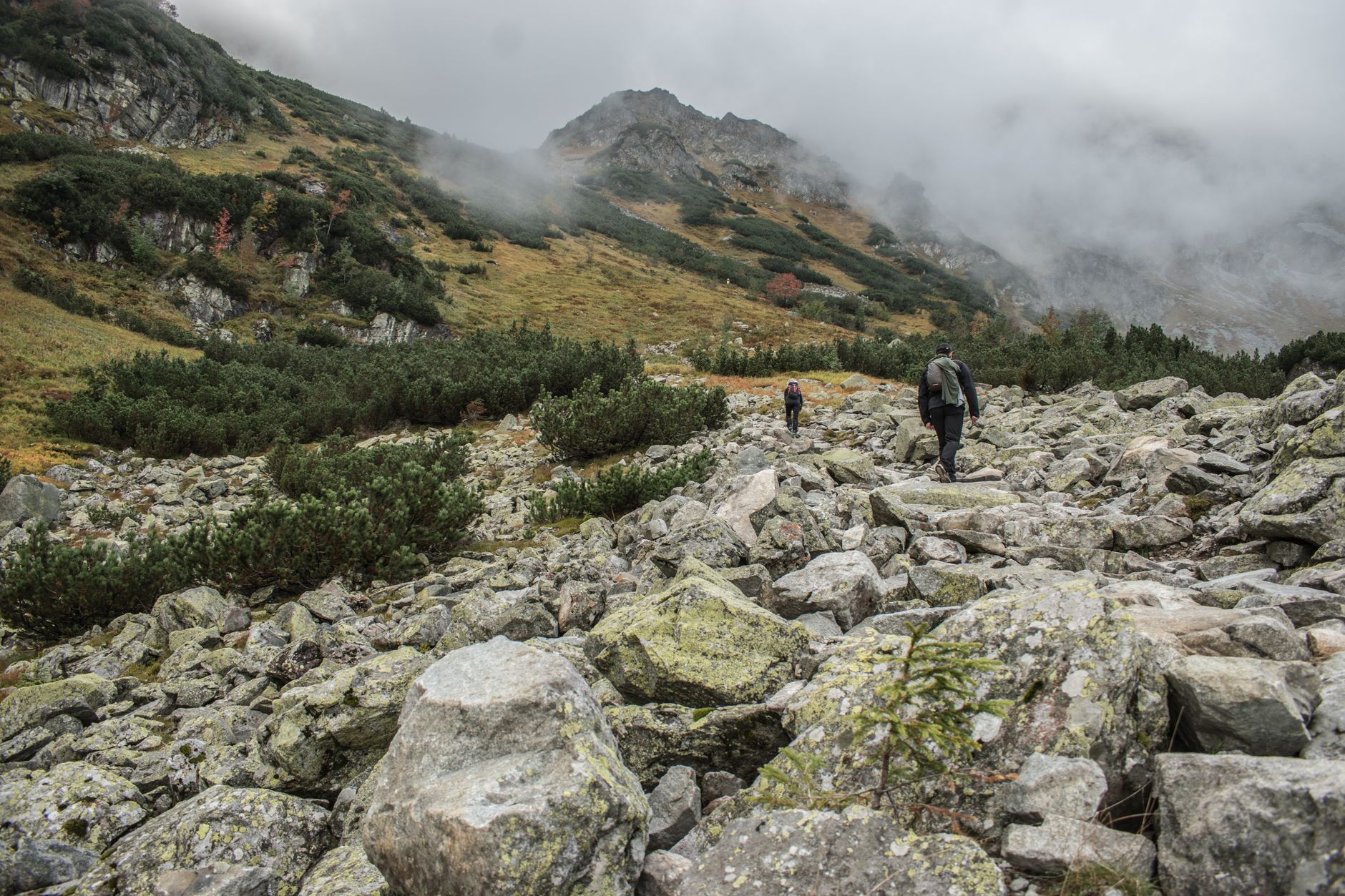
Footwear matters more here than on many celebrated alpine trails. The Valbona-Theth crossing involves loose scree on the descent, slick limestone when wet, and a final river section that requires either waterproof boots or a willingness to wade. Trekking poles are worth the luggage space. Local guides can be arranged through guesthouses in Valbona village, and for solo travelers or anyone attempting the route outside peak season, that option is worth taking seriously – not because the trail is technically difficult, but because weather in the Accursed Mountains shifts faster than most hikers expect, and a guide who grew up here knows when to turn around.