
Albania’s Best-Kept Alpine Secret
Montenegro gets the magazine covers. Its Durmitor National Park draws hikers from across Europe each summer, its Black Lake appears on travel lists year after year, and its tourism infrastructure has had decades to mature. Albania’s Valbona Valley, tucked into the Accursed Mountains along the country’s northern border, has none of that marketing machinery behind it – and that, for a certain kind of traveler, is exactly the point.
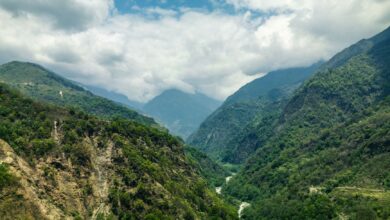
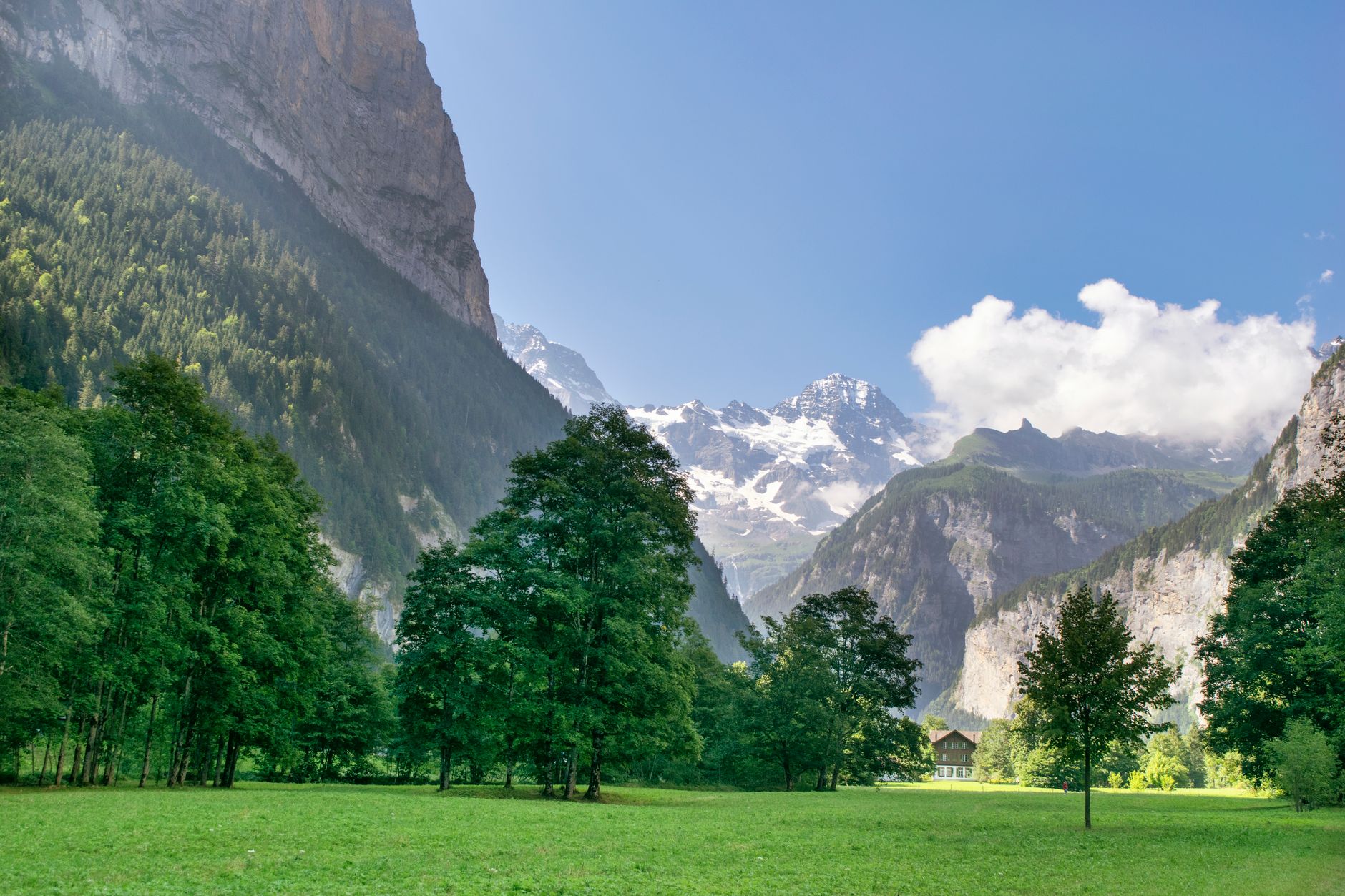
Valbona sits within the Valbona Valley National Park, a protected stretch of the Albanian Alps where the Valbona River cuts through limestone peaks that regularly exceed 2,500 meters. The valley has been drawing a small but devoted stream of hikers for years, mostly those who stumbled onto it after crossing from Montenegro via the famous Theth-to-Valbona trail. Word has spread quietly. Hotel beds have multiplied slowly. The valley has not, however, become crowded – and the question is whether that’s about to change.
What the Valley Actually Offers
The Valbona-to-Theth trail is the backbone of the region’s hiking appeal. A full-day crossing over the Vala Pass at roughly 1,800 meters, the route connects two of Albania’s most celebrated mountain villages and offers unobstructed views of the Bjeshket e Namuna range on both sides of the ridge. The terrain is demanding without being technical – experienced day hikers can manage it, though the descent into Theth is steep enough to require trekking poles and good footwear.
Accommodation in Valbona runs almost entirely through guesthouses, most of them family-operated. Meals follow suit: guests eat what the family grows, raises, or collects from the surrounding forest. Lamb, fresh cheese, wild herbs, and homemade raki appear on most tables without fanfare. There are no restaurant chains, no branded mountain lodges, and no spa packages. The valley functions on a level of simplicity that Montenegro’s Durmitor corridor, with its resort hotels and organized tour buses, largely abandoned years ago.
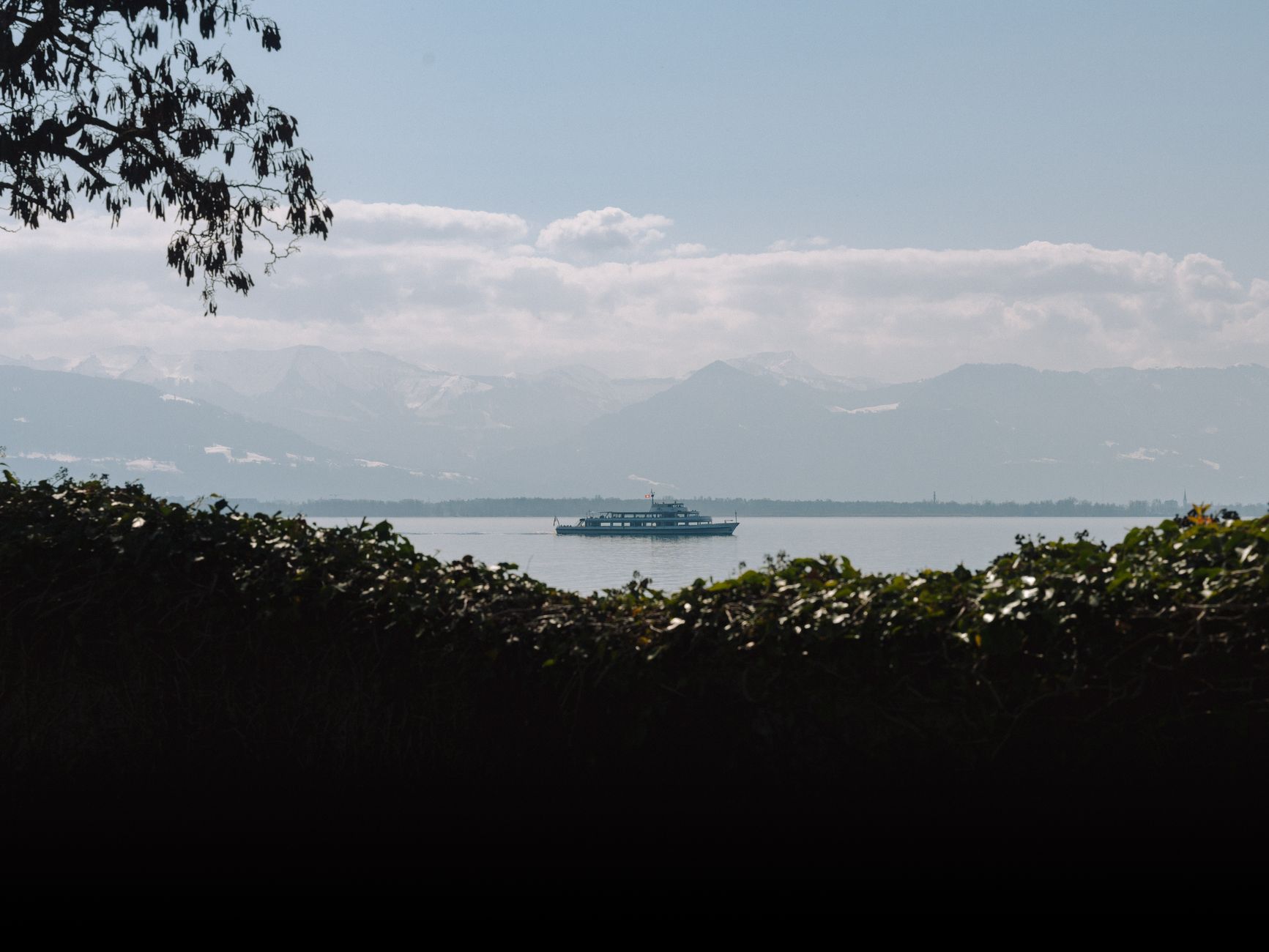
Infrastructure is improving but remains genuinely basic. The road into Valbona from the town of Bajram Curri was repaved in recent years, making access by car or minibus far more manageable than it once was. A ferry service across Lake Koman – one of the most visually striking boat rides in the Balkans – offers an alternative approach from the south, cutting through flooded canyon walls before arriving at the trailhead town of Fierze. From there, travelers continue north by road. The ferry alone draws visitors who have no intention of hiking; it’s that good.
The Montenegro Comparison
Montenegro earned its alpine reputation honestly. Durmitor’s glacial lakes, its canyon system, and the sheer scale of its mountain terrain are legitimate draws, and the country’s EU candidate status has kept investment flowing into its national parks and trail networks. Valbona cannot match that level of development, and for now it doesn’t try to.
What Valbona offers instead is the sensation of arriving somewhere before the crowd does. The trail signs are newer and less comprehensive. The guesthouses vary wildly in quality. Logistics require more planning and more tolerance for uncertainty. None of this is a complaint – it’s a description of what early-stage mountain tourism actually feels like, and there’s a real market for it among travelers who find Durmitor’s polish slightly suffocating.
Why Serious Hikers Are Paying Attention
The Albanian Alps trail network, sometimes marketed as the “Peaks of the Balkans” route when combined with trails extending into Kosovo and Montenegro, has been expanding with support from European development funds. The full multi-day circuit crosses three countries and covers roughly 192 kilometers, but Valbona serves as one of its most frequently used entry points. Hikers who complete sections of the route consistently report that the Albanian stretches feel the least worn – fewer footprints on the paths, fewer people at the waypoints, more of the quiet that mountain travel promises and rarely delivers.
Wildlife density is another factor that doesn’t get enough coverage. The national park shelters brown bears, wolves, and lynx, alongside golden eagles and peregrine falcons. Sightings are not guaranteed – this isn’t a safari – but the ecosystem is intact in ways that heavily trafficked mountain regions rarely manage to sustain. Wildflower meadows above the treeline bloom through June and into July, and the beech and pine forests lower in the valley are dense enough to provide genuine shade even in the height of summer.
Seasonal access shapes everything. The valley is effectively closed to casual visitors from November through April, when snow blocks the high passes and many guesthouses shut down. The hiking season runs from late May through October, with July and August being the busiest months – though “busy” in Valbona still means something closer to “lively” than “crowded.” Shoulder season travelers arriving in June or September will find the trails nearly empty and the light considerably better for photography, with morning mist still clinging to the lower slopes well into the morning hours.
Pricing remains one of the valley’s most striking differentials. Guesthouse stays with full board – dinner, bed, and breakfast – typically run well below comparable mountain accommodation in Montenegro or Slovenia. The cost gap is wide enough that budget-conscious travelers can extend their stay by several days without meaningful financial strain. That economic reality shapes the type of travel the valley encourages: slower, longer, more embedded in the local rhythm rather than optimized for efficient sightseeing. Whether that changes as Albania’s EU accession process continues to attract investment and attention is the real open question hanging over Valbona’s next few seasons.
Frequently Asked Questions
How do you get to Valbona Valley in Albania?
Most travelers reach Valbona by road from Bajram Curri or via the scenic Lake Koman ferry followed by a short drive north from Fierze. Both routes are manageable with advance planning.
Is the Valbona to Theth hike difficult?
The trail is strenuous but non-technical. The Vala Pass crossing requires a full day, good footwear, and trekking poles for the steep Theth descent, but experienced day hikers can complete it without mountaineering skills.