
Where the Sahara Keeps Its Oldest Secrets
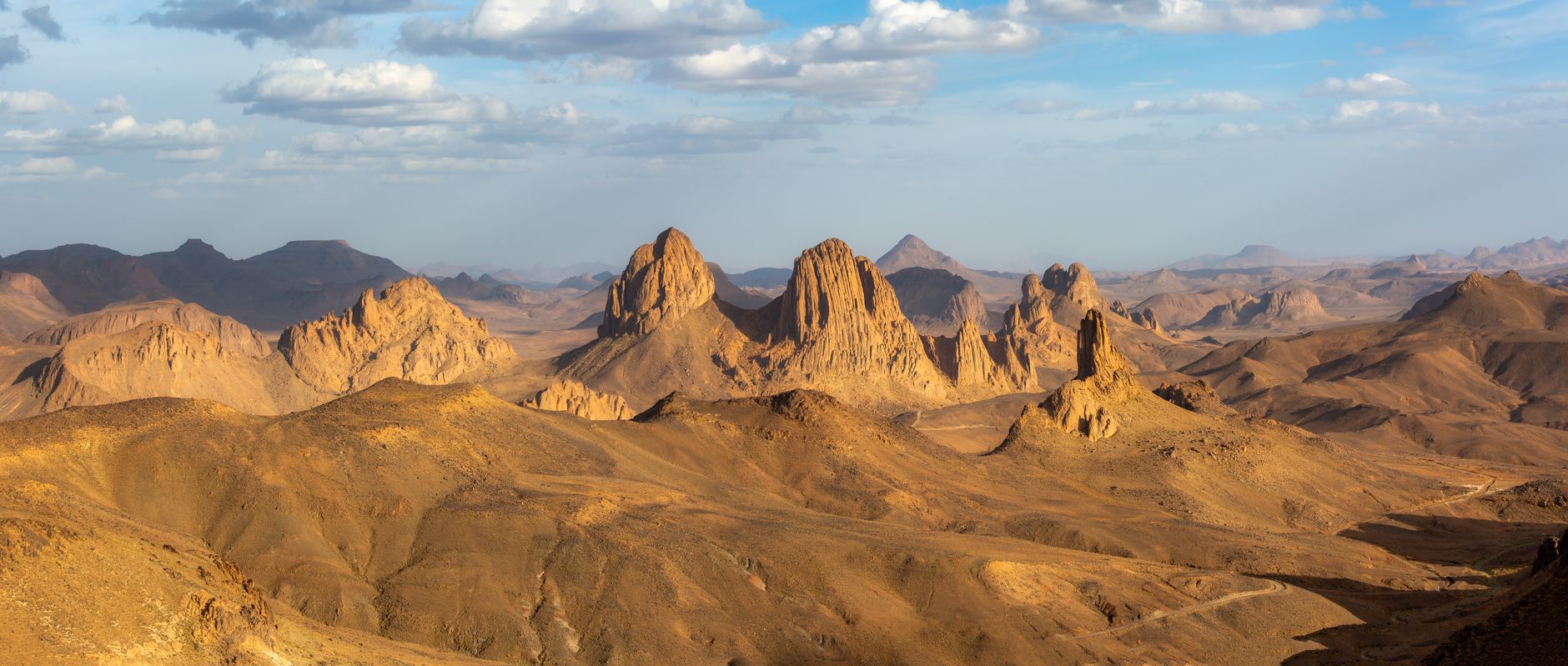
Most travelers who make the long journey into southern Algeria head straight for the Hoggar – the dramatic volcanic massif that rises from the central Sahara like a scorched cathedral. The name carries weight, the images are striking, and the pilgrimage to Tamanrasset feels appropriately cinematic. But about 700 kilometers to the northeast, the Tassili n’Ajjer plateau sits in near-total obscurity, holding what archaeologists consider the most concentrated collection of prehistoric rock art on Earth. It is a place that rewards the wanderer willing to look past the obvious choice.
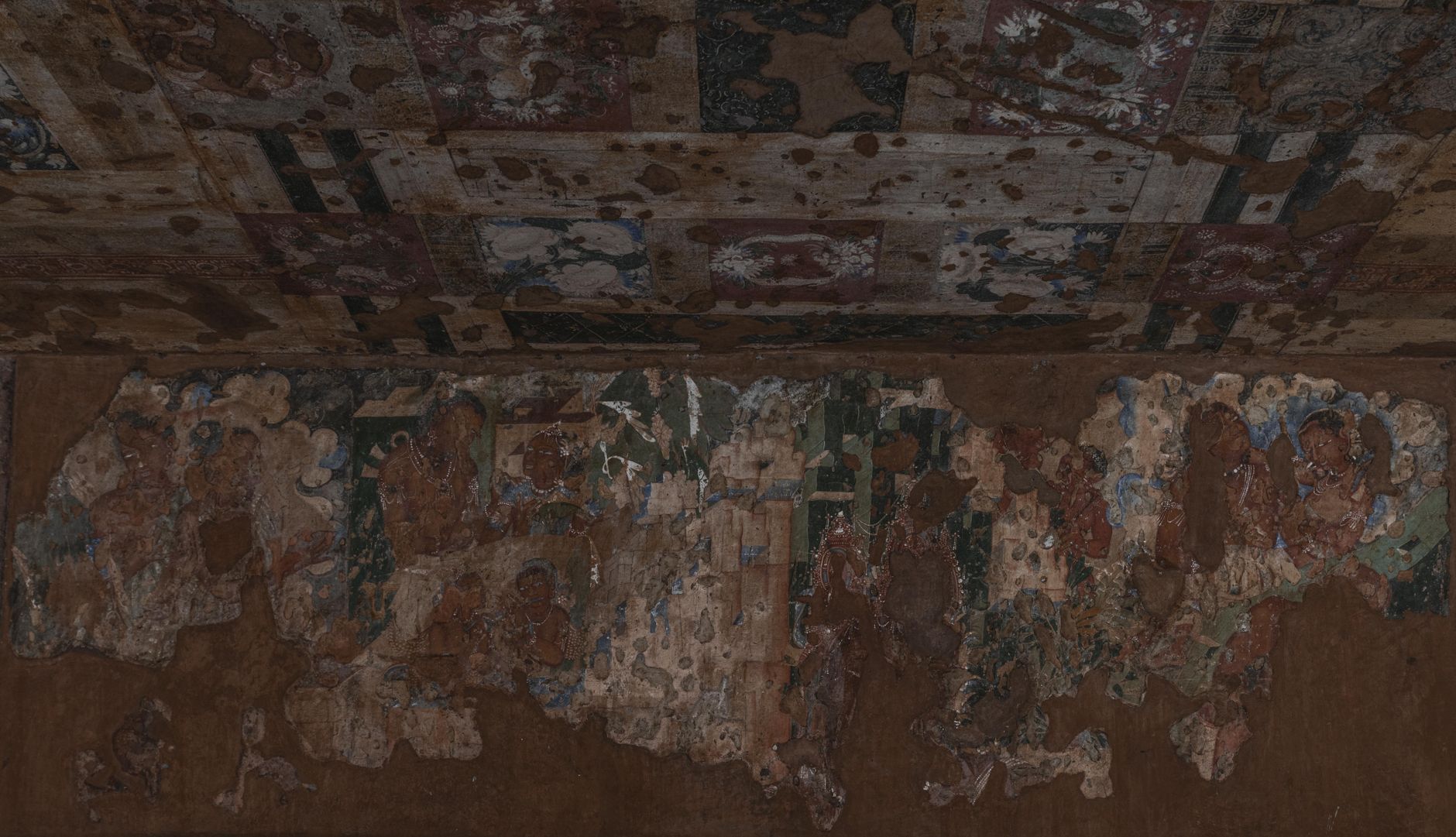
Tassili n’Ajjer was designated a UNESCO World Heritage Site in 1982, and its rock art galleries – some dating back 12,000 years – document entire civilizations that flourished when the Sahara was green, wet, and populated by cattle, elephants, and people who painted with extraordinary care. The Hoggar offers geological drama. Tassili offers something rarer: a visual record of human life so old that it predates the desert that now surrounds it.
The Scale of What Is Actually Here
Estimates put the number of individual engravings and paintings across Tassili n’Ajjer at somewhere above 15,000 documented sites, though the plateau’s sheer size – roughly the area of England – means systematic surveying has never been fully completed. The artworks span several distinct periods: the Round Heads period, characterized by alien-looking figures with spherical heads and no facial features; the Pastoral period, which shows domestic cattle, dogs, and scenes of daily life; and later Caballine and Cameline phases that track the gradual drying of the region and the animals that replaced one another as the climate shifted. Walking between sites, a visitor is essentially reading a climate record painted in ochre, kaolin, and iron oxide.
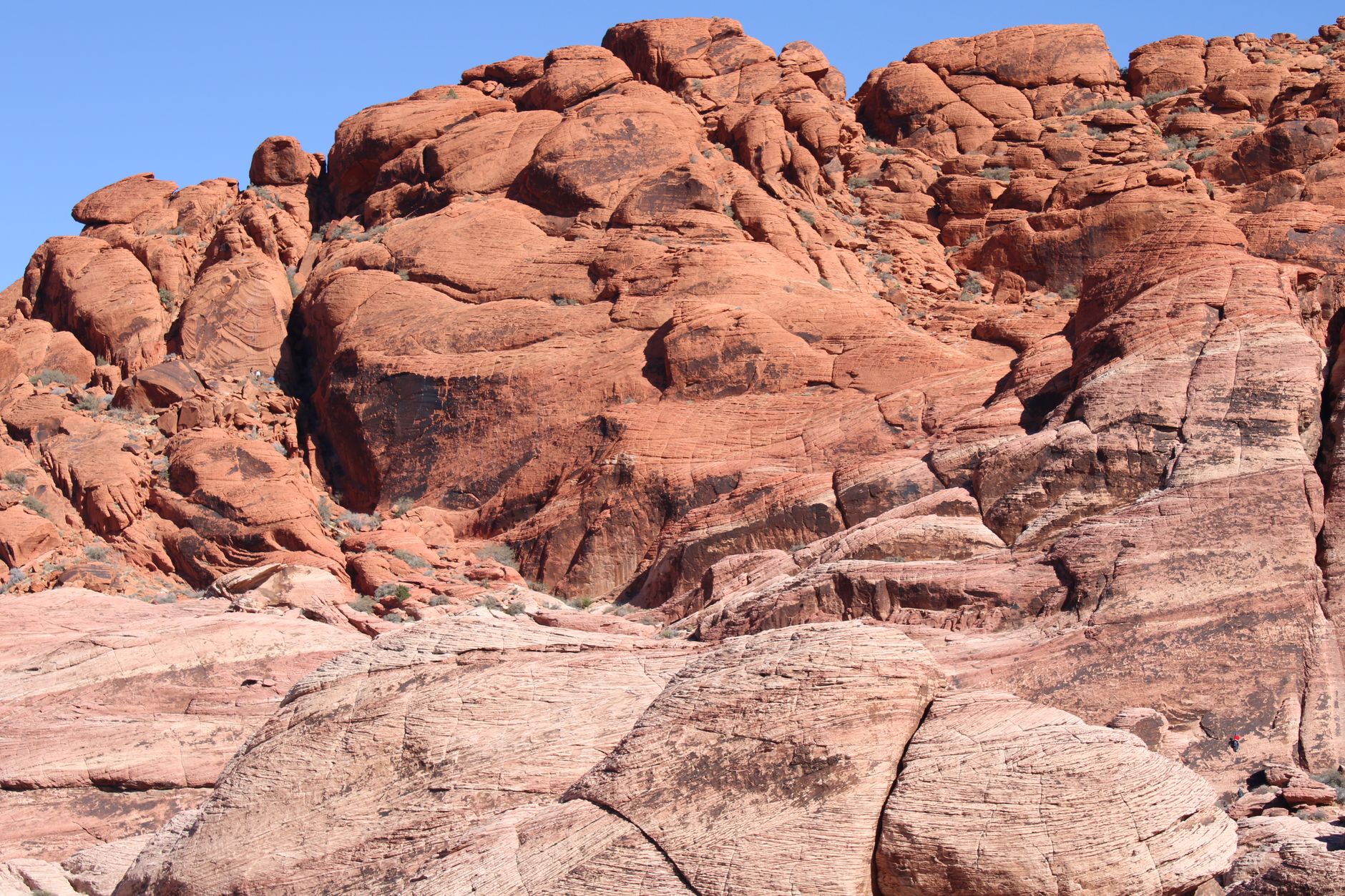
The rock formations themselves are unlike anything in the Hoggar. Tassili is a sandstone world, not a volcanic one. Wind erosion over millennia has carved the plateau into a labyrinthine forest of stone columns, arches, and overhangs – the locals call certain formations “stone forests.” Rain, when it falls at all, collects in natural cisterns called gueltas, which sustain plant species that exist nowhere else on Earth. The cypress trees at Tamrit, believed to be among the oldest living trees in Africa, grow at altitude inside canyon corridors where they receive just enough shade and moisture to survive. Several are estimated to exceed 2,000 years in age.
Getting There Without a Professional Expedition Budget
Access to Tassili n’Ajjer is genuinely logistical. The gateway city is Djanet, a small oasis town in the far southeast of Algeria, reachable by domestic flight from Algiers or Tamanrasset. From Djanet, all visits into the national park require a licensed local guide – this is a legal requirement, not a suggestion – and most serious exploration means multi-day treks on foot or by camel, since vehicles are restricted in the core protected areas. The permit and guide system adds cost and planning time, but it also keeps the sites from being overwhelmed.
Accommodation in Djanet ranges from basic guesthouses to small desert camps just outside town. Inside the park, camping is the only option, and conditions are extreme in summer when temperatures exceed 45 degrees Celsius. The optimal window runs from October through March, when daytime temperatures are manageable and the night sky – with no nearby city light for hundreds of kilometers – becomes its own spectacle. Many guides who work the plateau are Tuareg, with family knowledge of the terrain that no map adequately captures.
Compared to the Hoggar, where the infrastructure around Tamanrasset is better developed for international visitors, Tassili demands more patience at the planning stage. Tour operators based in Djanet handle the logistics efficiently for those who commit to a proper itinerary. The process of obtaining a tourist visa for Algeria itself has become more straightforward in recent years, though it still requires advance preparation. None of this is insurmountable – it simply filters out casual tourism, which is arguably part of why the sites remain as intact as they are.
The physical trekking inside the park varies considerably by route. Some galleries are reachable within a half-day walk from the plateau’s edges. The deeper circuits – including the Tamrit cypress grove and the more remote painting sites – require two to four days on foot, with guides carrying water supplies. The terrain is not technically demanding, but altitude, heat, and the absence of marked trails mean physical preparation and complete reliance on your guide are both non-negotiable.
Why Fresco Wanderers Specifically Come Here
The Hoggar draws people for its raw geological spectacle – the Atakor volcanic field, the Assekrem hermitage, the silhouette of the massif against a red sky at sunset. Those are real rewards. But Tassili is a different kind of destination, one that attracts people with a specific interest in prehistoric art and human antiquity. Standing beneath an overhang covered in 8,000-year-old pastoral scenes – cattle herds, human figures in motion, animals painted with confident, fluid lines – produces a feeling that landscape alone cannot generate. These images were made by people with intention, skill, and something to say about their world.
The Round Heads paintings, found primarily in the Sefar and Jabbaren areas of the plateau, remain among the most debated images in prehistoric art. The figures are stylized to the point of abstraction, often wearing elaborate headdresses, rendered in ways that look nothing like the naturalistic animal paintings of the same era. Interpretations range from shamanic ritual imagery to representations of masked dancers – and the honest answer is that no one knows. That unresolved quality is itself part of the draw for serious art travelers. Tassili does not explain itself.
The Practical Comparison With the Hoggar
Both destinations sit within Algeria’s vast Saharan south, both require meaningful logistical commitment, and both are effectively inaccessible to the spontaneous traveler. The Hoggar’s advantage is infrastructure – more operators, more accommodation options, easier road access in certain areas, and a slightly shorter journey from Algiers. For travelers who want Saharan grandeur with some flexibility, Tamanrasset is the easier entry point.
Tassili’s advantage is specificity. If ancient rock art is the primary draw – not a bonus feature, but the actual point of the journey – then the Hoggar, despite having rock art of its own, does not compete. The density, age range, and stylistic variety of the Tassili galleries simply have no equivalent in North Africa, and arguably no close rival anywhere on the continent.
What makes the comparison worth having is that many travelers who plan an Algeria itinerary assume one or the other rather than considering both. The two sites are far apart – a direct overland route is not practical for most visitors – but a two-destination trip through southern Algeria’s Sahara is entirely achievable with domestic flights connecting Algiers, Tamanrasset, and Djanet. The question for the fresco-focused traveler is not really which plateau rivals the other – it is whether their itinerary leaves room for the site that actually holds what they came to find.