Algeria’s Tassili n’Ajjer Quietly Rivals the Ennedi for Saharan Wanderers

Where the Rock Art Outlasts the Hype
Chad’s Ennedi Plateau has spent the last decade collecting superlatives from adventure travel circles – jagged sandstone arches, camel caravans, and remoteness so absolute it functions almost like a personality trait. Algeria’s Tassili n’Ajjer sits directly west of it, shares the same geological ancestry, and contains what many archaeologists consider the most concentrated collection of prehistoric rock art on the planet. It also receives a fraction of the visitors. That asymmetry is not accidental; it is a product of perception, visa politics, and the travel industry’s tendency to anoint one destination and quietly ignore its neighbor.
Tassili n’Ajjer is a UNESCO World Heritage Site covering roughly 72,000 square kilometers of the central Sahara, a plateau of eroded sandstone so dramatic in form that certain corners of it read as alien architecture. The plateau holds an estimated 15,000 cave paintings and rock engravings spanning more than 12,000 years of human activity – images of hippos, elephants, cattle herds, and human figures that document a Green Sahara that is now indistinguishable from myth. Travelers who make it here tend to describe the experience in hushed, slightly disoriented terms, the way people talk after seeing something that reorganizes their sense of time.
The Geology Does a Lot of the Work
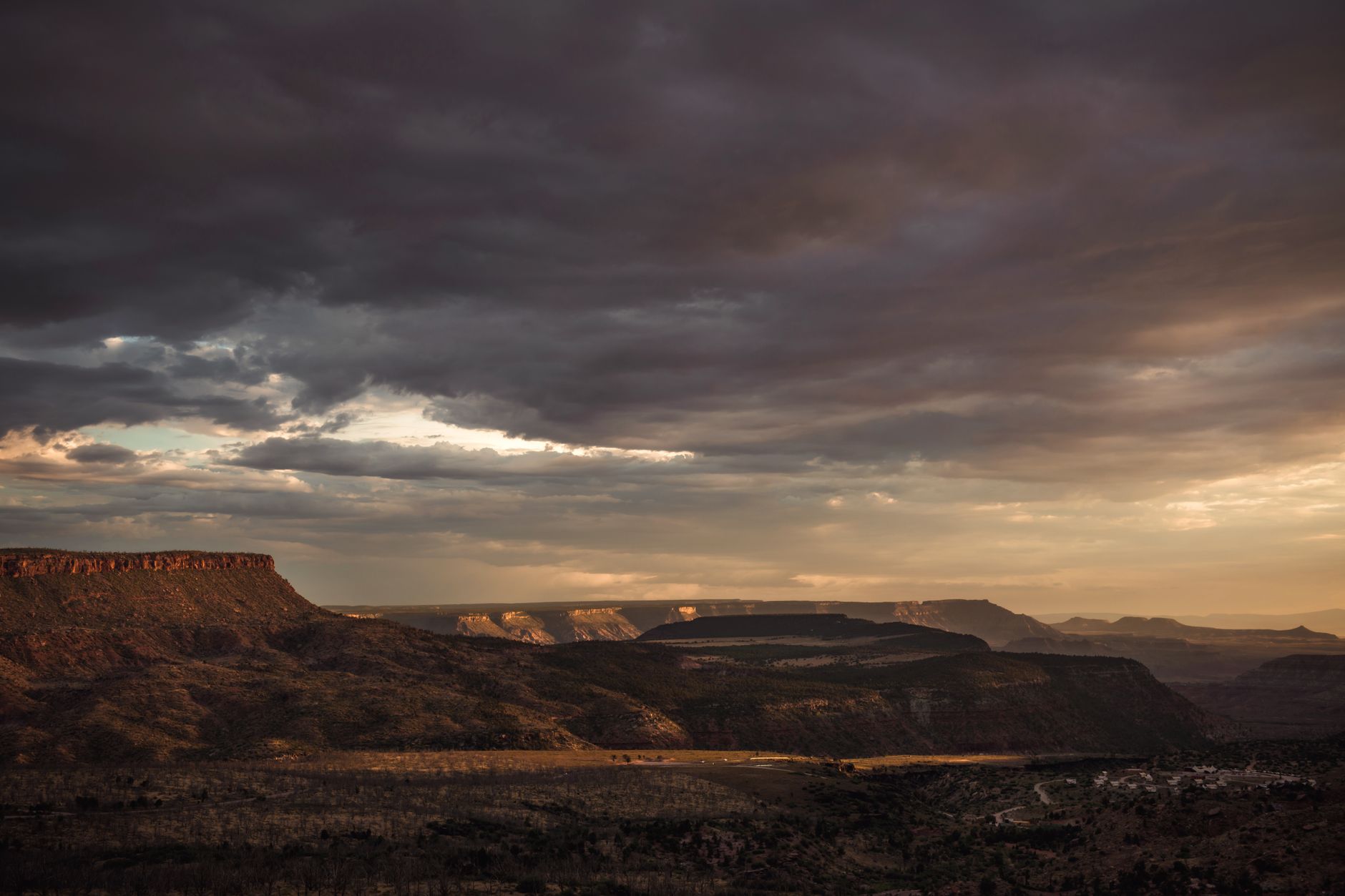
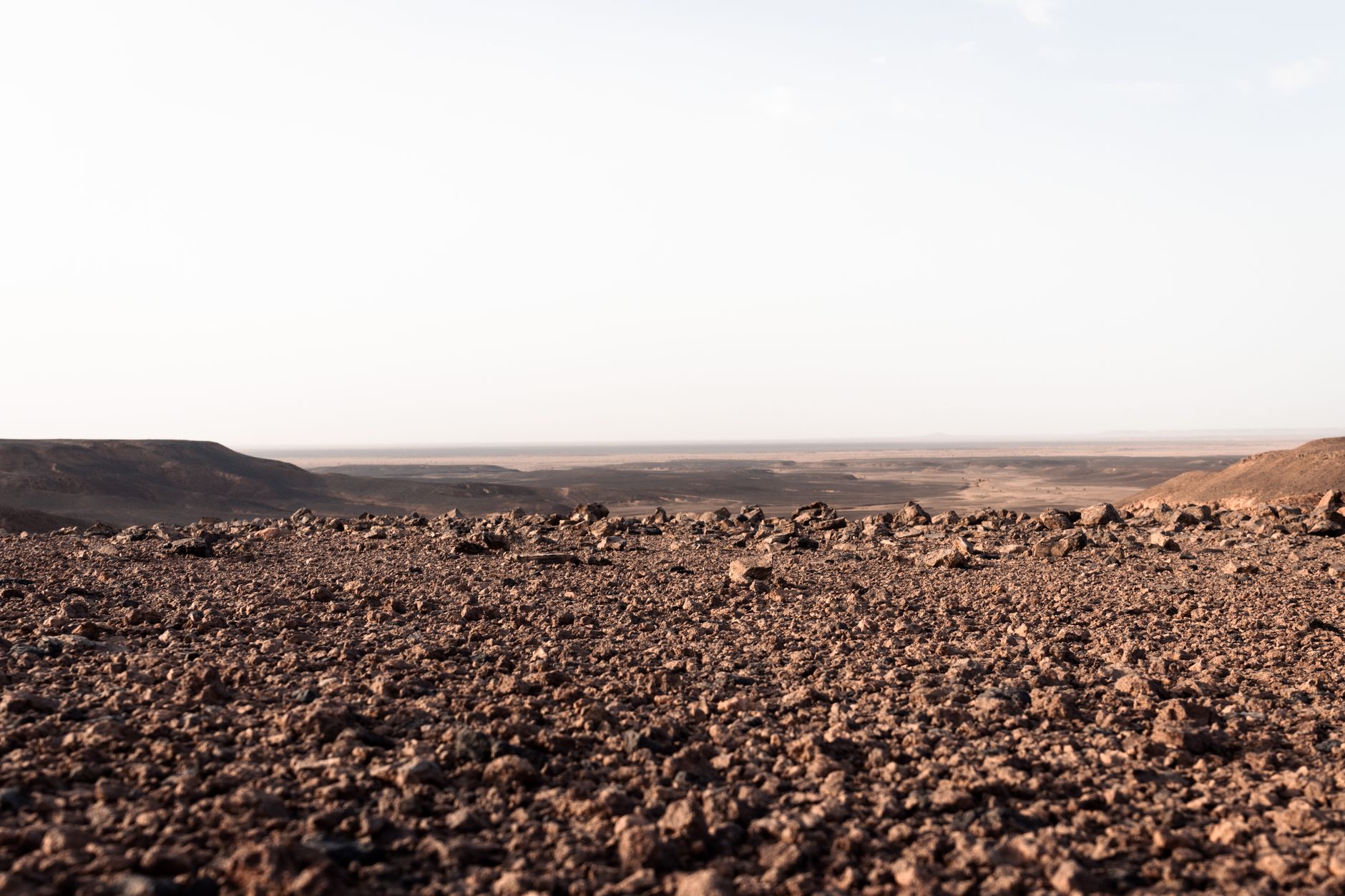
The Tassili plateau is built from Paleozoic sandstone layered over crystalline basement rock, and millions of years of wind and water erosion have carved it into a landscape of narrow canyons, natural bridges, and forest-like corridors of standing rock. The stone pillars are particularly striking – some rise 30 meters or more, grouped so densely in certain areas that navigating between them feels less like hiking and more like threading through a crowd. Locals call this terrain the “forest of rocks,” and the phrase earns its keep the moment you step inside it.
The colors shift dramatically across the day. At first light the plateau runs amber and pale gold; by midday the stone bleaches toward white; late afternoon pulls everything into burnt orange and deep red. That chromatic range is not a minor atmospheric detail – it is the reason photographers, painters, and anyone with even mild visual sensitivity will find it genuinely difficult to stop moving long enough to make camp. The Ennedi has comparable drama, but Tassili’s scale is considerably larger, and the density of art sites scattered throughout the terrain means aesthetic and historical reward compound each other at nearly every turn.
The Rock Art Is the Real Argument
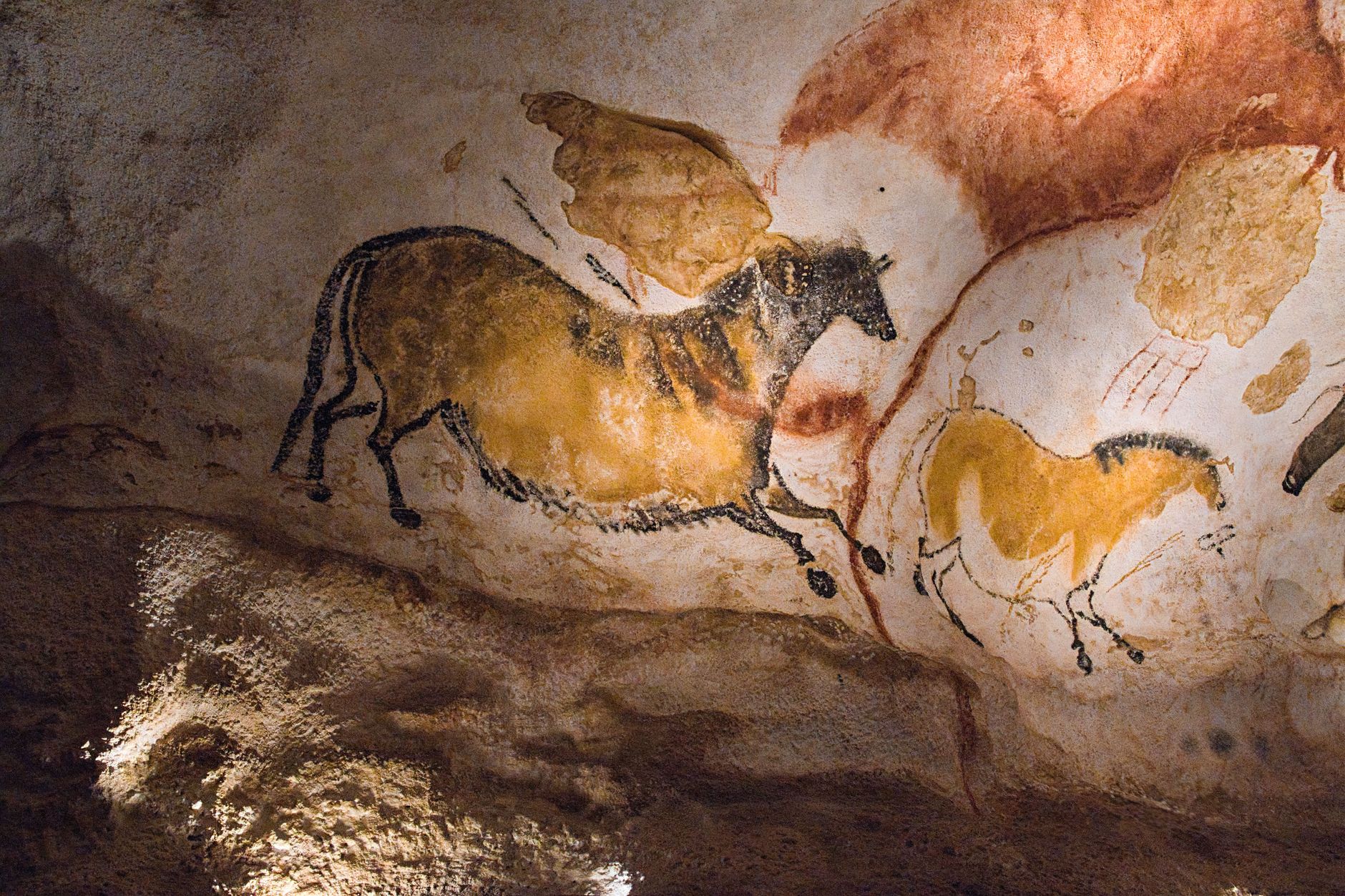
What sets Tassili apart from every other Saharan destination – and from most archaeological sites anywhere – is the sheer volume and variety of what humans left on its walls over twelve millennia. The paintings divide roughly into periods: the oldest, called the Bubalus or Large Wild Fauna period, depicts animals now entirely absent from the Sahara; the subsequent Pastoral period shows cattle-herding cultures thriving across land that would eventually become uninhabitable; later periods introduce horses, camels, and eventually a sparseness that mirrors the drying of the climate itself. Standing before a sequence of these images in a single canyon is like reading a climate record written in ochre and white clay.
The art is not locked behind museum glass. It exists on open rock faces, inside shallow overhangs, and across canyon walls accessible to anyone walking through the plateau with a licensed guide. Some panels are at eye level; others require a careful scramble. The informality of the arrangement is part of what makes the encounter so striking – there are no barriers, no interpretive signage, no ambient museum lighting. The images simply exist on the stone where they were made, exposed to the same desert air and the same slant of afternoon sun their creators experienced.
Djanet, the main gateway town on the southeastern edge of the plateau, sits at the edge of the Erg Admer dune sea, and the visual contrast – orange sand dunes abutting vertical rock – gives the approach its own drama before you reach the plateau itself. Most organized treks begin here, pairing canyon exploration with nights camped under a sky dark enough to make the Milky Way feel architectural. The trek circuits vary from three to twelve days depending on how deeply into the plateau a group wants to go, with the more demanding routes pushing into areas where the rock art density is highest and the number of other travelers is effectively zero.
Guides are legally required throughout the national park – a rule that functions both as a conservation measure and, pragmatically, as navigation insurance. The plateau’s canyon networks are genuinely disorienting, and the guides, most of them Tuareg with family histories tied to this landscape, bring local knowledge that goes well beyond route-finding. They identify specific panels, explain traditional interpretations of the imagery, and provide context that no guidebook has yet managed to capture in full.
The Practical Reality of Getting There
Algeria’s historical friction with tourism infrastructure is real and worth addressing directly. Visas have been notoriously inconsistent to obtain, particularly for citizens of certain Western countries, and the process requires patience, advance planning, and ideally coordination through a registered Algerian tour operator. Air Algerie runs scheduled flights from Algiers to Djanet, and the route, while not always convenient, is reliable. The alternative – overland from Tamanrasset – is significantly longer and demands a higher tolerance for logistical uncertainty.
Once inside the park, the infrastructure is genuinely sparse. There are no hotels on the plateau, no permanent camps with luxury amenities, and no reliable cellular coverage. Trekking is done with mule support for gear and supplies, and meals are prepared at camp by the guide team. For travelers accustomed to the more curated “Saharan experience” products available in Morocco or even in parts of Namibia, this will feel like a meaningful step down in comfort – and a meaningful step up in authenticity, depending on what you’re looking for. Water management and heat timing are serious logistical concerns; most experienced operators schedule Tassili treks for the cooler months between October and March.
Why It Stays Under the Radar
Tassili’s obscurity relative to the Ennedi comes down to a few compounding factors. Chad, despite its own access difficulties, has benefited from sustained attention in the adventure travel press over the past decade, partly because several well-connected operators began running high-end expeditions there and documenting them aggressively. Algeria, by contrast, has not had that same promotional infrastructure, and its government has been slower to court the specific demographic that drives aspirational travel coverage.
There is also the question of safety perception, which in Algeria’s case has been shaped by events now more than a decade old but which still surface in travel advisories that haven’t kept pace with conditions on the ground. The Tassili region itself has a distinct security profile from Algeria’s northern borderlands, and travelers who research carefully rather than scanning headlines find a more nuanced picture. Most operators running tours there have maintained unbroken records over years of operation.
The result is a destination sitting in a paradox: globally recognized at the institutional level – UNESCO status, inclusion in scholarly literature on prehistoric art, occasional appearances in documentary film – yet operating in near-total obscurity as an actual travel option. The number of visitors per year remains low enough that the park feels, even in relative peak season, as though you have stumbled onto something that has not yet been scheduled. Whether that changes as Saharan travel routes become better documented and Algeria’s tourism bureaucracy continues to simplify its processes is the unresolved tension hovering over every conversation about Tassili’s future.