Argentina’s Iberá Wetlands Quietly Rival the Pantanal for Jaguar Wanderers

Argentina’s Best-Kept Wilderness Secret
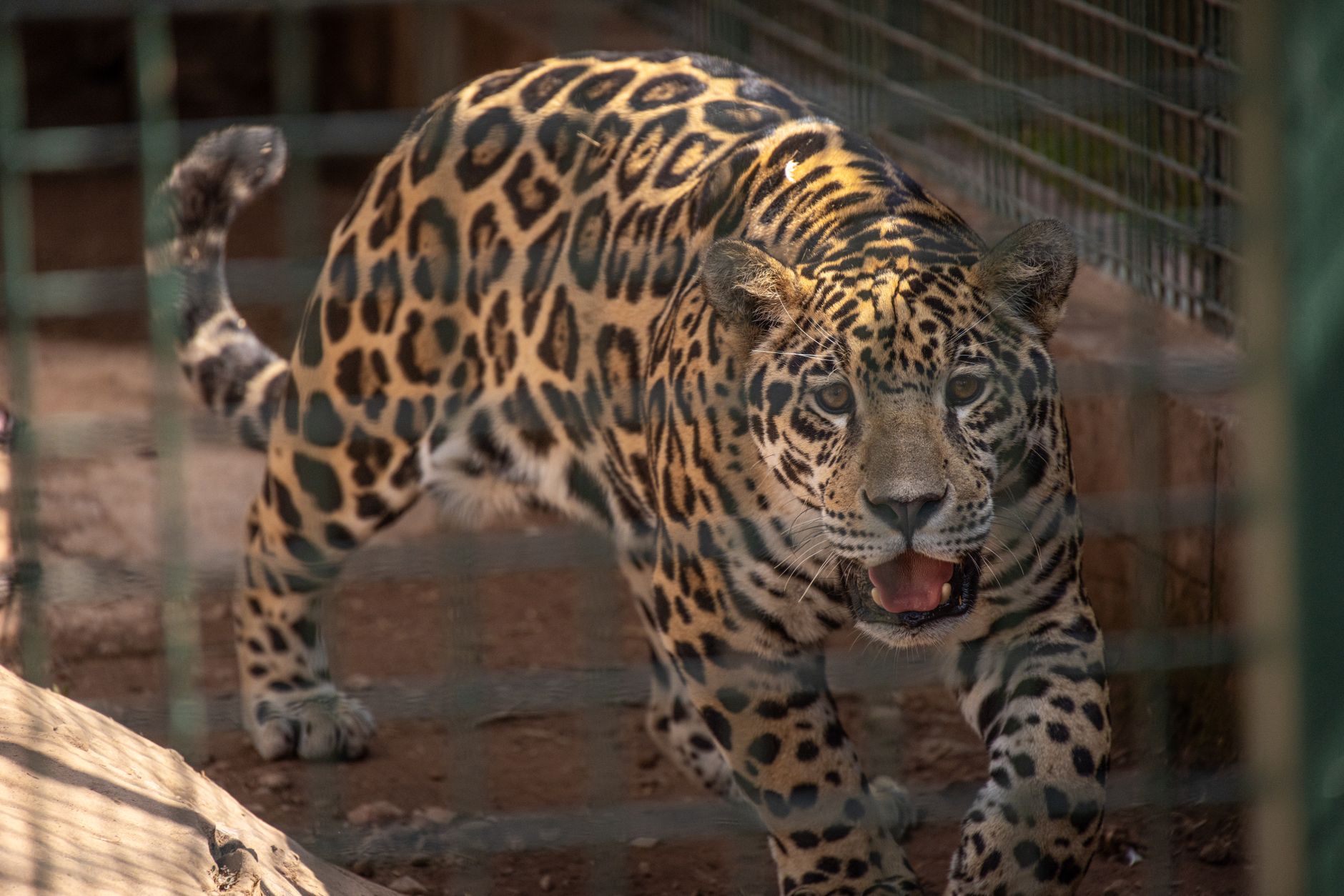
Most wildlife travelers planning a jaguar expedition think first of Brazil’s Pantanal – the vast, photogenic floodplain that dominates the big-cat tourism conversation. But tucked into Argentina’s northeastern Corrientes province, the Iberá Wetlands have been quietly building a case for themselves that is becoming harder to ignore. A rewilding program launched over the past two decades has returned jaguars to a landscape they vanished from more than 70 years ago, and the results are now visible to anyone willing to make the trip.
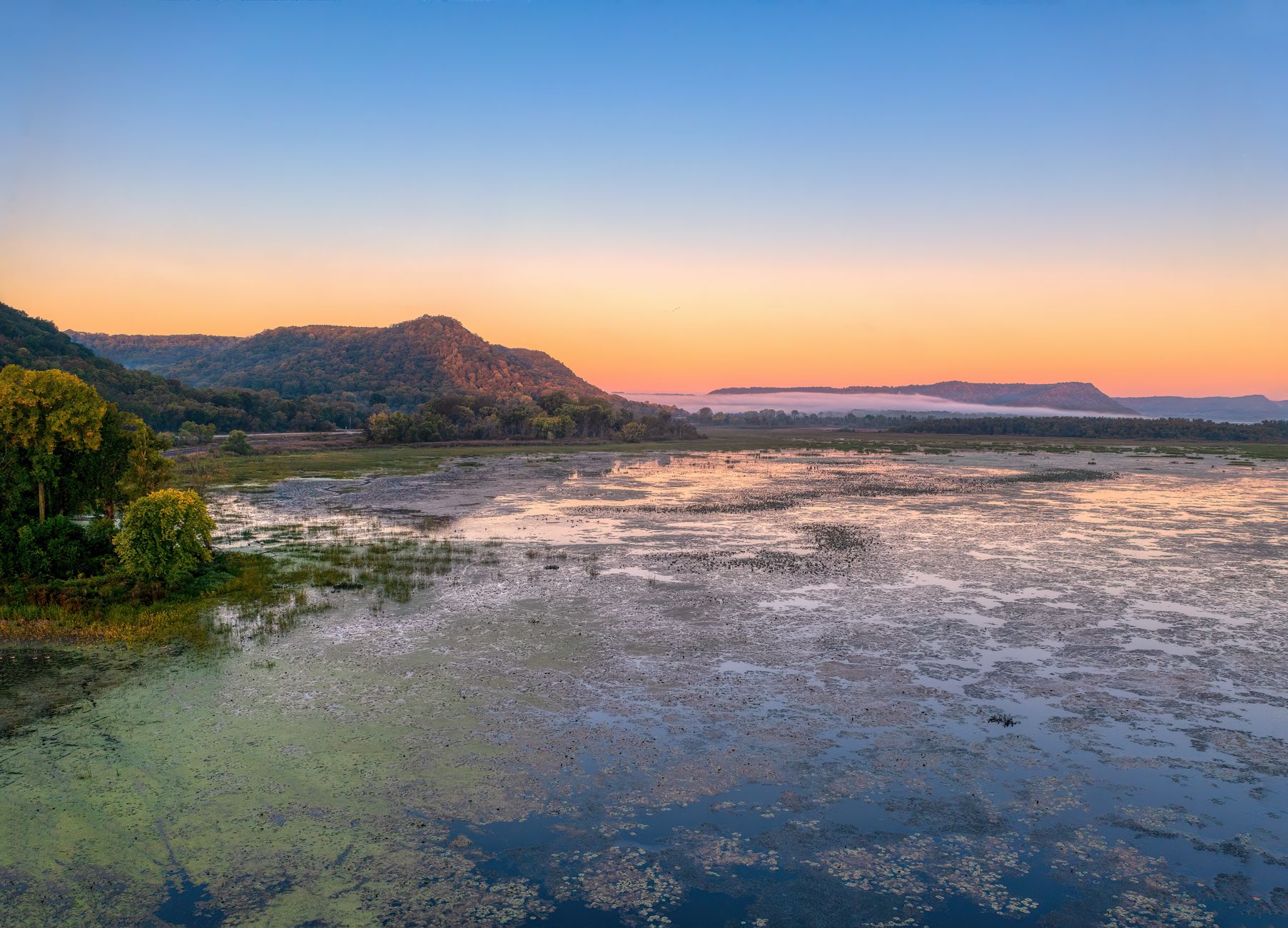
Iberá spans roughly 1.3 million hectares of marshes, lagoons, and grasslands – one of the largest freshwater wetland systems in South America. The name comes from the Guaraní language and translates loosely to “shining waters,” a description that holds up on any clear morning when the esteros catch the light and the air fills with the calls of hundreds of bird species. The scale alone would justify a visit. The jaguars make it genuinely special.
The Rewilding Story Behind the Surge
Tompkins Conservation, the nonprofit founded by the late American outdoorsman Douglas Tompkins and his wife Kristine, partnered with Argentina’s national parks system and regional authorities to begin reintroducing jaguars to Iberá starting around 2021, with earlier groundwork going back years before that. The effort involved sourcing animals from breeding programs in Brazil and Paraguay, acclimating them to the reserve environment, and then monitoring their progress as they established territories in a landscape that had been, until recently, empty of apex predators. The program is considered one of the most ambitious large-carnivore reintroductions in the Western Hemisphere.
What makes the science here interesting is not just the reintroduction itself but the ecological ripple it is producing. In the absence of jaguars, prey species like capybaras and caimans had grown dense and, in some areas, were overgrazing wetland vegetation. With apex predators back in the system, the behavioral patterns of those prey animals are beginning to shift – moving differently, grazing differently, staying away from certain water edges. Ecologists call this the “landscape of fear,” and it is the mechanism by which top predators regulate ecosystems without even needing to make every kill.
The jaguar population at Iberá remains small – estimates put the current number in the low dozens across the reserve, with cubs born in the wild now representing genuine breeding success rather than supplemented numbers. That means sightings are not guaranteed, which is itself an argument for going sooner rather than later. The program’s trajectory points toward a growing population, which could eventually change the viewing odds considerably, but the intimacy of a less-crowded, early-stage reintroduction has its own rare quality. Right now, Iberá feels like catching something at the start of a story rather than arriving at a well-worn attraction.
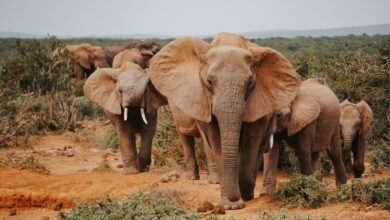
The broader wildlife density in the reserve does not depend on jaguar sightings to justify the journey. Giant anteaters, giant river otters, marsh deer, maned wolves, howler monkeys, and pampas deer all move through the reserve in concentrations that would be headline news at almost any other South American destination. The bird list runs past 370 species, with jabiru storks, roseate spoonbills, and the strange, prehistoric-looking anhinga visible on almost any boat trip through the lagoons.
Getting There Without the Crowds
The gateway to Iberá is the small town of Colonia Carlos Pellegrini, reachable by road from the city of Mercedes in Corrientes province. The road from Mercedes to Pellegrini is unpaved for most of its length and can become difficult after heavy rain – a rental car works, but a high-clearance vehicle is worth the upgrade. Pellegrini itself is a low-key, genuinely rural settlement of a few hundred people, with lodges ranging from comfortable to quite good clustered around the main lagoon. This is not a destination that has been built up for mass tourism, and that is precisely what gives it its character.
Access to the protected core of the park is managed through guided excursions, which keeps the experience structured but also means that any jaguar sighting gets proper context rather than a chaotic scramble. The Iberá Wetlands are not the Pantanal in terms of tourist infrastructure, and that gap is an advantage for travelers who find Brazil’s flagship jaguar circuit increasingly crowded.
How It Compares to the Pantanal
The Pantanal, particularly the Porto Jofre stretch along the Cuiabá River, offers arguably the highest jaguar-sighting rates of any place on the planet. Photographers and wildlife enthusiasts have built a global reputation for the area, and some boats operate specifically to find and follow individual animals. That consistency is real, and for travelers with a short window and a specific goal, the Pantanal may still be the rational choice.
But the Pantanal’s success has also produced its pressures. Boat traffic on prime jaguar stretches can be heavy during peak season, and the transactional quality of some wildlife tourism operations there is a frequent complaint among repeat visitors. Iberá offers a different texture entirely – fewer visitors, more varied activities beyond the jaguar search, and a rewilding narrative that gives the destination an educational and conservation dimension the Pantanal cannot quite replicate. A traveler going to Iberá is participating, in a small way, in something still unfolding.
The cost comparison also runs in Iberá’s favor. Argentine currency dynamics have historically made the country an accessible destination for travelers paying in dollars or euros, and Iberá specifically does not carry the premium pricing that has accumulated around Pantanal jaguar tourism over the past decade. Lodge rates, guide fees, and even domestic flight costs to Corrientes tend to land well below comparable Brazilian options.
Practical Details for the Curious
The dry season, running roughly from April through October, offers the easiest wildlife viewing – water levels drop, animals concentrate around remaining lagoons, and road conditions around Pellegrini improve. The wet season is not without its appeal – the landscape floods dramatically, bird activity peaks, and the visual drama of the esteros at full water can be extraordinary – but logistics become noticeably more complicated.
Buenos Aires is the natural entry point, with regular flights to Corrientes city operated by domestic carriers including Aerolíneas Argentinas. From Corrientes, the drive to Mercedes takes roughly two hours, and the onward road to Pellegrini adds another two or three depending on conditions. Some travelers fly instead into Posadas, the Misiones provincial capital, which shortens the road portion. Either routing is manageable in a day of travel from Buenos Aires, making Iberá a realistic add-on to any broader Argentina itinerary rather than a standalone expedition.
The question worth sitting with before booking is what kind of wildlife travel you actually want. If the point is a reliable check-mark on a big-cat list, the Pantanal’s infrastructure exists to serve that goal efficiently. But if the appeal is something closer to discovery – a system still finding its ecological balance, a landscape where the animals you see may not have been seen by many visitors at all – then the case for Iberá becomes clear. The jaguars there are not performing for an audience yet. They are simply back.
Frequently Asked Questions
Can you actually see jaguars in Argentina’s Iberá Wetlands?
Yes, though sightings are not guaranteed. A rewilding program has successfully reintroduced jaguars, and cubs born in the wild confirm the population is growing.
How do you get to Iberá Wetlands from Buenos Aires?
Fly to Corrientes city, drive to Mercedes, then continue on an unpaved road to Colonia Carlos Pellegrini. The full journey from Buenos Aires takes roughly one day.