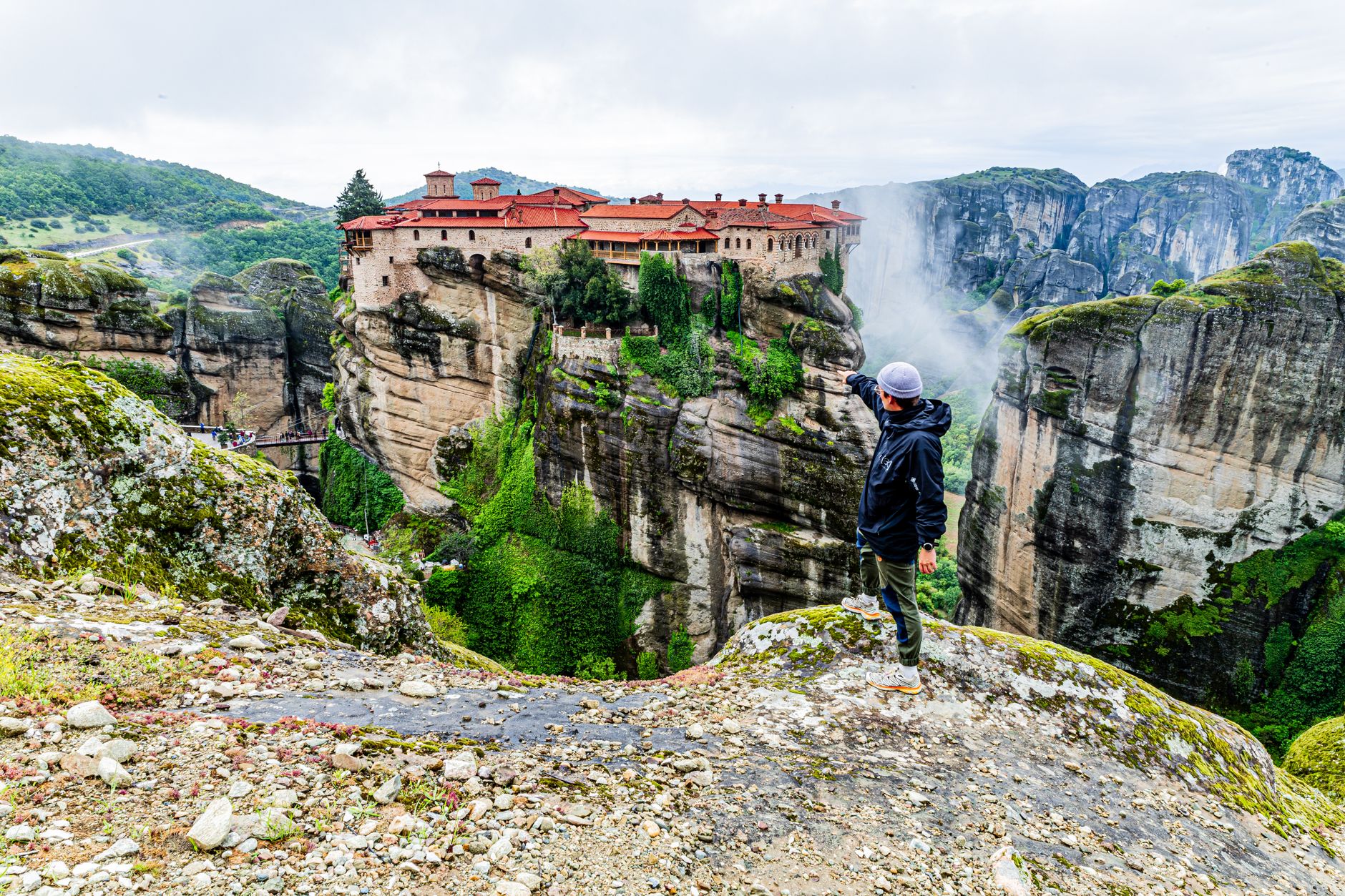

A Canyon Few Travelers Think to Look For
Georgia gets the monastery pilgrims. Travelers pour into Kazbegi, wind up the mountain roads to Gergeti Trinity Church, and post the same photograph from the same promontory. It has become shorthand for the Caucasus – rugged, spiritual, photogenic. Meanwhile, just across the border in northern Armenia, the Debed Canyon runs for roughly 100 kilometers through gorge walls of volcanic rock, past a string of medieval monasteries that are older, stranger, and in many cases more architecturally daring than anything along the Georgian Military Highway. And almost nobody from the international travel circuit is there.
The canyon is not hidden. It sits along the main rail line between Yerevan and Tbilisi. Trains pass through it twice a day. The UNESCO plaques are bolted to the walls at Haghpat and Sanahin. But awareness has not followed access, and that gap is precisely what makes the Debed Canyon worth serious attention right now, before the infrastructure catches up with the scenery.
What the Canyon Actually Contains
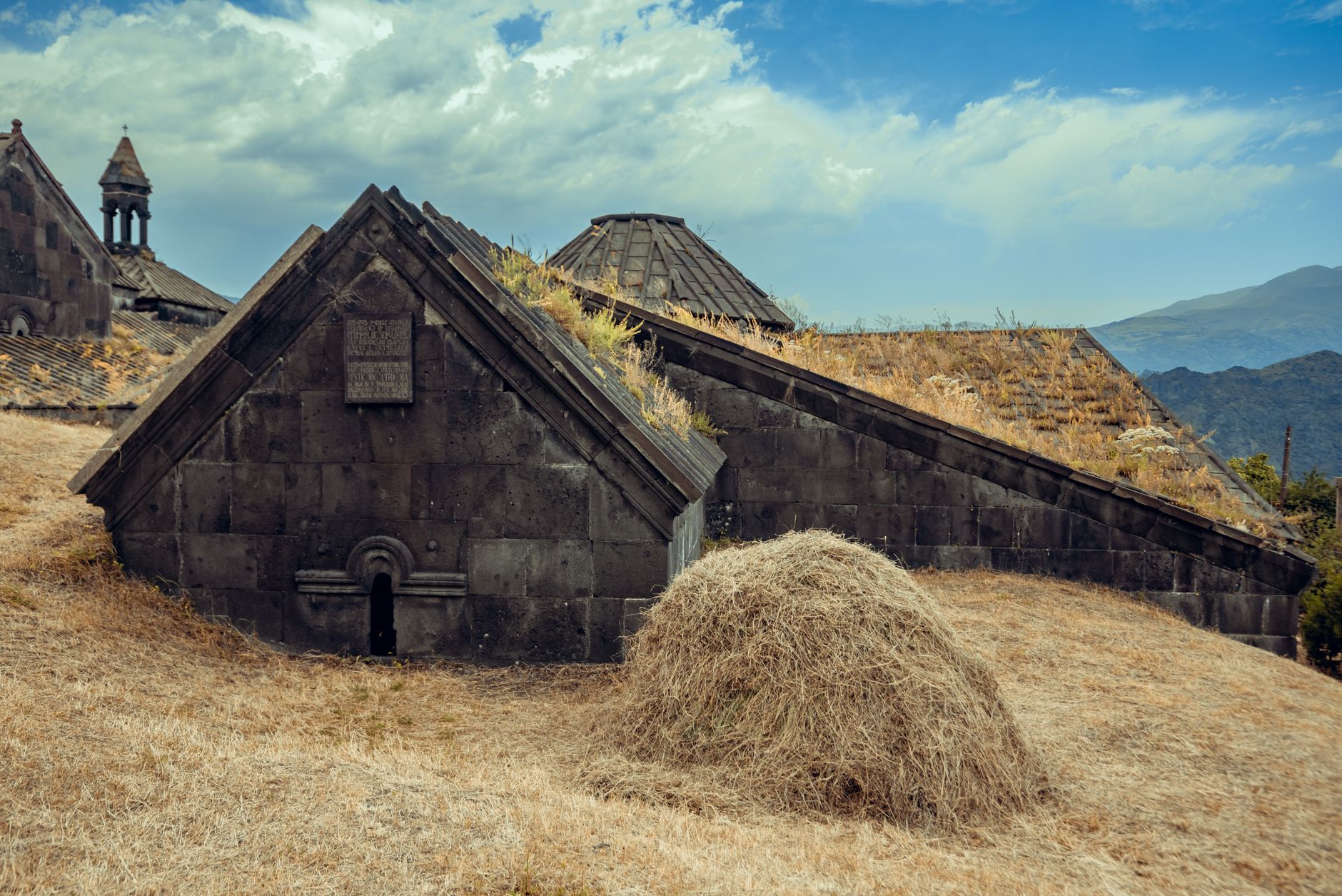
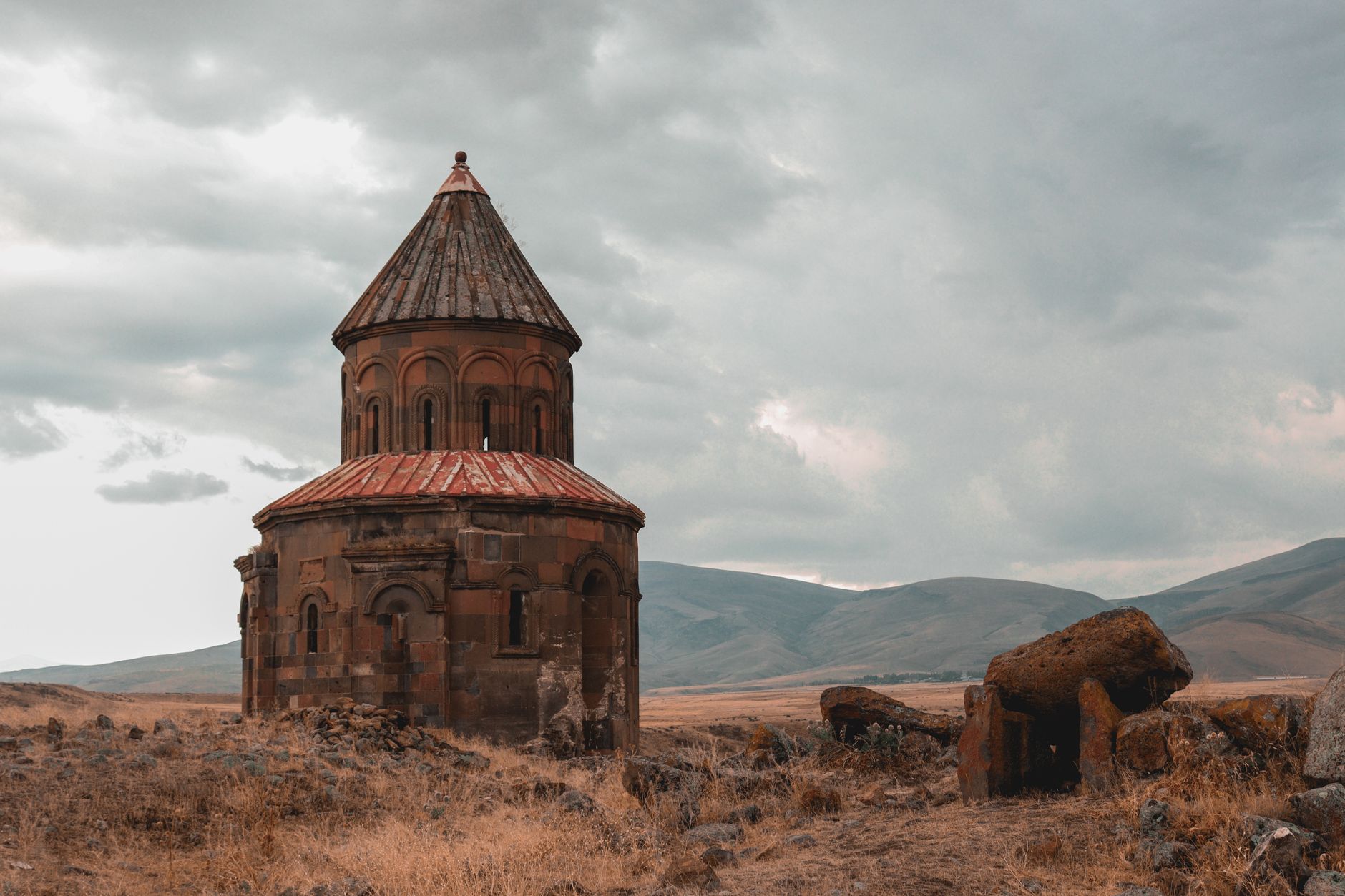
Haghpat Monastery was founded in the 10th century and expanded over the following three hundred years into a complex of gavits, bell towers, and cross-stones called khachkars that cover almost every surface. The stone is dark basalt, the carvings intricate in a way that rewards slow examination rather than a quick walk-through. Sanahin, a short drive to the south, is older still and more austere – its academy halls once trained scholars and clergy across the Armenian medieval world. Both monasteries are active, though lightly so, and visitors rarely outnumber the monks at any given hour.
Further along the canyon floor, Kobayr Monastery clings to a cliff face with the kind of theatrical positioning that tour operators in Georgia would have built a viewing platform around by now. It is partially ruined, which adds to its appeal. The frescoes inside have faded to ghosts of their original color, Byzantine in style, dating from a period when the region passed between Armenian and Georgian control. Getting there requires a short but steep scramble up a hillside, and there is no ticket booth, no gift shop, no audio guide.
The town of Alaverdi at the canyon’s center is a former copper-smelting hub that carries the worn industrial look of a place still adjusting to a post-factory identity. It is not pretty in the conventional sense, but it provides cheap guesthouses, a functioning train station, and a cable car that crosses the gorge – one of the oldest in the Caucasus – that locals use as practical transit rather than tourist attraction. That is a meaningful distinction. The canyon is still a lived-in place, not a managed experience.
Why Georgia Dominates the Conversation
Georgia’s tourism infrastructure has grown considerably over the past decade – boutique hotels in Tbilisi’s Marjanishvili district, wine tourism routes through Kakheti, organized trekking packages from Mestia into the Svaneti highlands. The country invested early and consistently in making itself legible to international travelers, and the bookings followed. Armenia’s tourism sector, by contrast, has developed more unevenly. Yerevan draws visitors for its cafe culture and the brutalist Soviet architecture, but the regions outside the capital remain largely off the anglophone travel radar.
Travel writing has reinforced the gap. Georgia generates articles; Armenia generates footnotes. The result is a feedback loop where travelers who might otherwise diverge from the standard Caucasus circuit simply don’t encounter Debed Canyon as a named destination until they are already in the region and asking locals what else exists. Word of mouth is still the primary recruitment mechanism for this route, which is both a limitation and, for the people who do show up, a feature.
The Case for Going Now
The logistical baseline for visiting the Debed Canyon is lower than most travelers expect. From Yerevan, marshrutkas – shared minibuses – run north to Vanadzor and onward to Alaverdi for a few dollars. The train is slower but takes passengers directly through the gorge, which is reason enough to take it. Guesthouses in Alaverdi and the surrounding villages charge rates that feel almost anachronistic compared to Tbilisi’s accommodation market. A full day visiting Haghpat and Sanahin, with time to sit inside the gavits and actually read the carved surfaces, costs nearly nothing beyond transport and a meal.
The road north from Alaverdi toward the Georgian border passes through smaller villages where guesthouses occasionally advertise homemade brandy and walnut preserves. The food in this part of Armenia runs toward manti – small meat dumplings – and fresh lavash baked in a tonir, the traditional underground oven. These are not manufactured food experiences. They are what people in the canyon eat, and the welcome extended to visitors who stop is genuine rather than commercial.
The honest caveat is that the Debed Canyon asks more of a traveler than Georgia’s organized monastery circuits do. Signage is inconsistent. Some sites lack paved approach roads. Transportation between individual monasteries requires either a hired car or willingness to walk significant distances in terrain that doesn’t always offer shade. Travelers who need a structured itinerary handed to them will find the canyon frustrating. Travelers who find that kind of friction interesting will find it exceptionally rewarding.
What the canyon offers that Georgia’s circuit currently cannot is a specific quality of encounter with medieval architecture in its actual context – unrestored, minimally interpreted, still embedded in the landscape rather than extracted from it for viewing convenience. Haghpat’s gavit is dark inside on overcast days. You have to let your eyes adjust. Kobayr’s frescoes require standing close enough to the wall that you can feel the cold radiating from the stone. That physical relationship with old buildings is becoming genuinely rare, and the Debed Canyon has not lost it yet.