
The Canyon That Yerevan Visitors Keep Missing
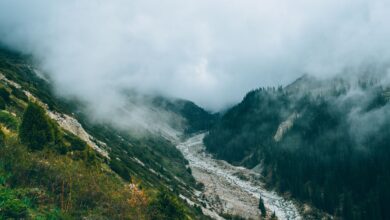
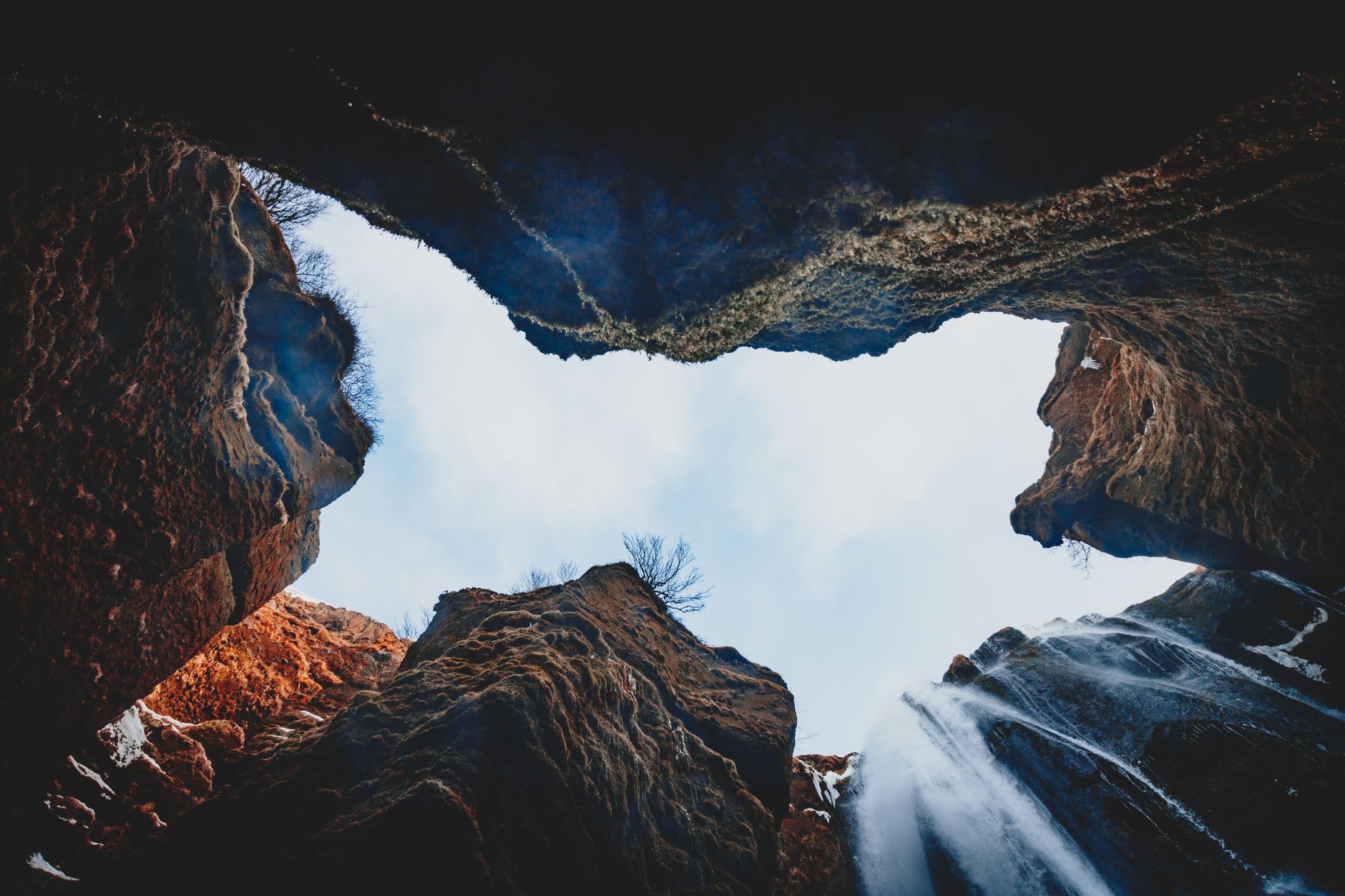
Armenia’s Lori Province holds a geography that most visitors simply fly past – sometimes literally, as their flight paths take them toward Yerevan’s bustling Zvartnots Airport. The Debed Canyon, a deep river gorge cutting through the country’s northern highlands, runs parallel to the Georgian border and contains a concentration of medieval monasteries so dense that a traveler could spend four days walking between them without backtracking. Yet the capital, with its brandy houses and cascade staircases, continues to absorb the majority of international tourism into the country.
This is a quiet geography of stone and pine.
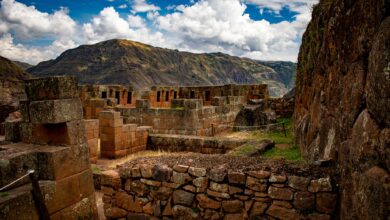
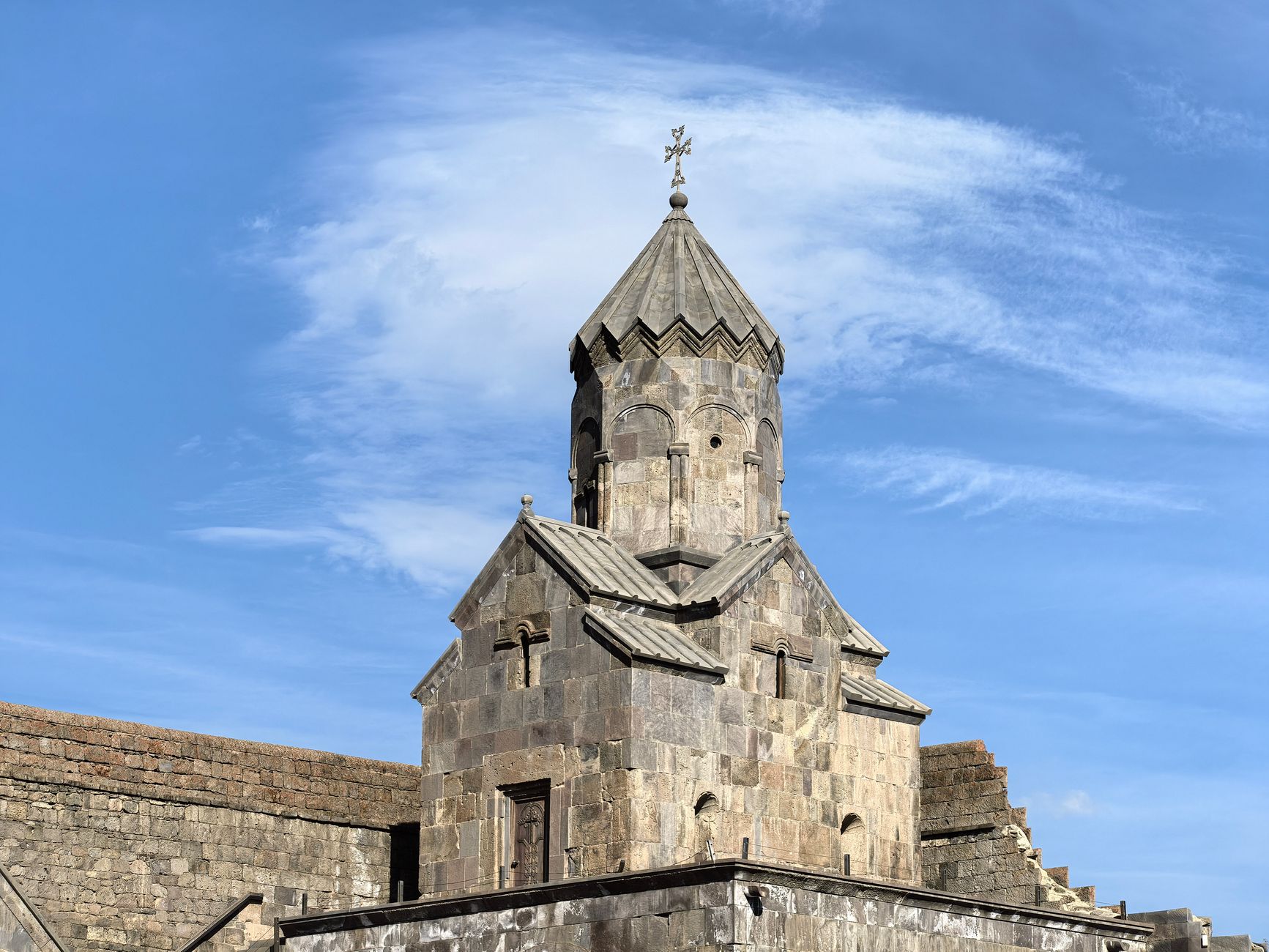
What sets the canyon apart from Yerevan’s polished cultural circuit isn’t just remoteness – it’s a different relationship with time. The monasteries here weren’t restored for tourism brochures. Haghpat and Sanahin, both listed as UNESCO World Heritage Sites, were constructed between the 10th and 13th centuries and still carry the weight of that era in their proportions, their shadows, and the way sound moves differently inside their gavits – the vaulted antechambers that precede the main worship halls. The canyon itself drops sharply on either side of the Debed River, and the light changes character by mid-afternoon, turning the volcanic tuff walls a warm amber that photographers return to the region specifically to chase.
Two Monasteries, One Ridge, No Crowds
Haghpat Monastery sits on a forested plateau above the town of Alaverdi, and its scale surprises most first-time visitors. The complex isn’t a single church but a cluster of interconnected structures – chapels, a library, a bell tower, a gavit – all built from the same dark stone and surrounded by centuries-old khachkars, the carved cross-stones that appear throughout Armenian sacred architecture. There are no tour operators with megaphones here. On most mornings, particularly midweek, visitors can move through the entire complex with only ambient birdsong and the occasional echo of footsteps on flagstone for company.
Sanahin, positioned on the same plateau but slightly northwest, has a different character. Where Haghpat reads as a spiritual center, Sanahin feels more institutional – it once housed one of Armenia’s medieval academies, and you can still sense that scholarly seriousness in the layout of its buildings. The two monasteries are close enough that most travelers visit both in the same day, but the walk between them through the village is worth taking slowly. Locals grow produce in gardens that press right up against medieval walls. Cats sleep on carved stone lintels. The mundane and the ancient coexist without ceremony.
Beyond these two anchor sites, the canyon rewards walkers willing to push further. Kobayr Monastery, built partly into a cliff face along the canyon’s lower slopes, involves a trail descent that most day-trippers skip entirely. Its frescoes – partially preserved, partially claimed by moisture and time – include some of the only examples of Georgian-influenced painting in an otherwise distinctly Armenian architectural tradition, a detail that reflects the complex political history of this border region during the medieval period.
Getting There, Staying There, Moving Slowly
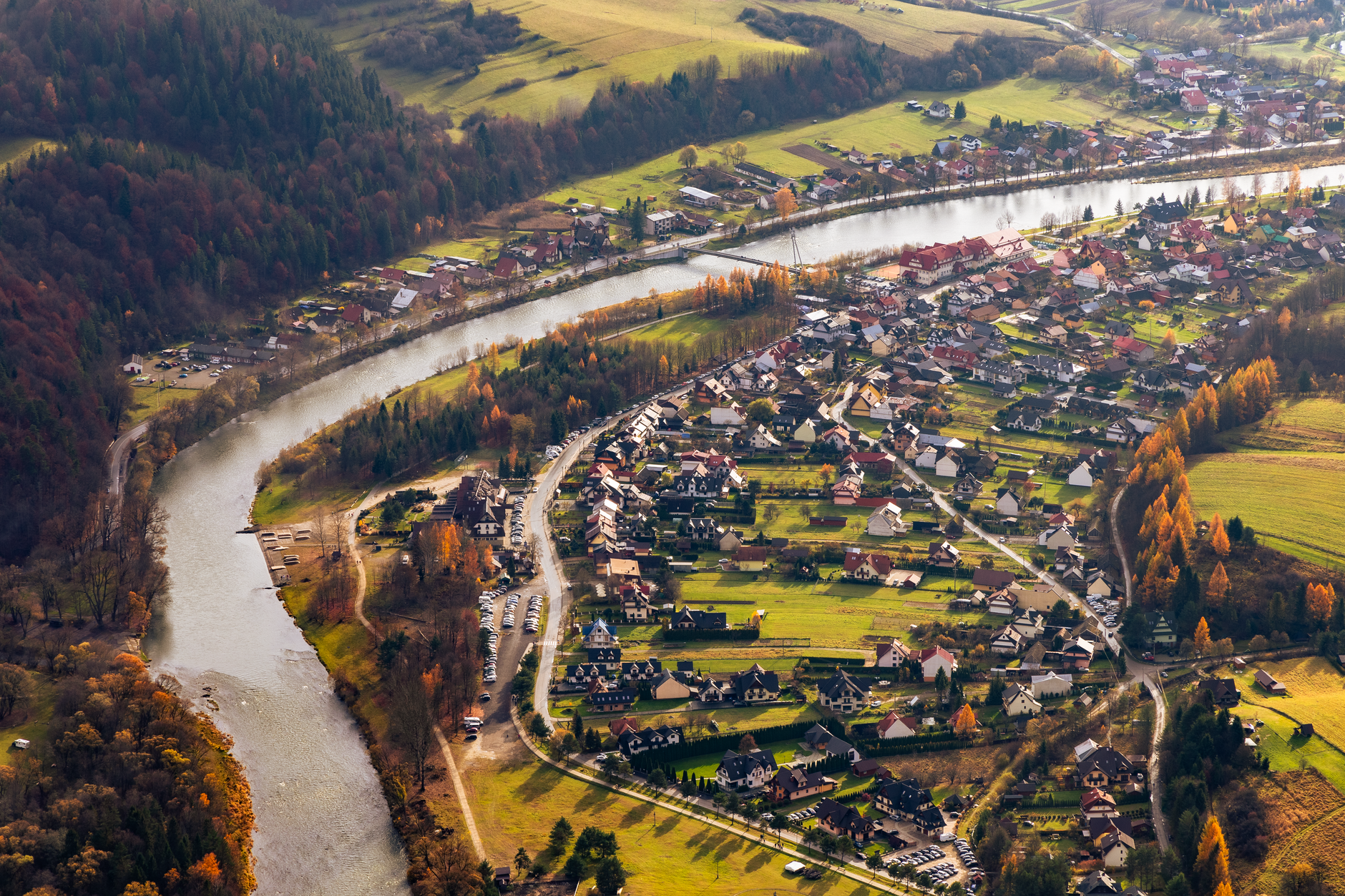
The logistics of the Debed Canyon require more planning than a Yerevan weekend does, but not dramatically more. Alaverdi, the canyon’s largest town, sits roughly two and a half hours north of Yerevan by road, and marshrutka minibuses run the route regularly from the capital’s Kilikia bus station. The town itself is industrial in character – it grew up around a copper smelting operation that still runs today – but it functions as a practical base, with guesthouses scattered through the surrounding villages that offer the kind of homestay familiarity that fills in what formal hotels cannot.
Accommodation in the canyon villages tends to be small and family-run. Meals are negotiated at breakfast. Hot water pressure is approximate. These are not complaints so much as conditions – the region draws travelers who have already made their peace with trading comfort for context, and the exchange rate is generous. A dinner of lavash, grilled trout from a local stream, and walnut-stuffed vegetables, eaten at a wooden table while the canyon darkens below a terrace, is not something that scales up into a hotel dining room.
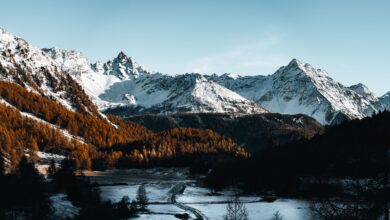
Timing shapes the experience considerably. Late spring brings wildflowers to the highland paths above the monastery plateaus, and the foliage is thick enough that the gorge feels genuinely enclosed. Autumn turns the canyon walls a deep reddish-gold before the cold arrives from the north. Winter is possible for those drawn to frost-covered khachkars and empty courtyards, but road conditions above Alaverdi become unpredictable. Summer is the most reliable season logistically, though even July stays cool enough in the upper elevations that mornings require a layer.
Why Monastery Wanderers Choose the Canyon Over the Capital
Yerevan offers history efficiently packaged – the Matenadaran manuscript repository, the Genocide Memorial, the Republic Square architecture – all within walking distance of good coffee and reliable Wi-Fi. The Debed Canyon offers something with worse infrastructure and a stronger pull: the specific sensation of standing inside a building that has outlasted every political entity that ever claimed the land around it, in a gorge so steep that the modern world seems genuinely far away, even though a copper smelter is visible two kilometers down the road if you look in the wrong direction.