
The Town That Yerevan Visitors Keep Missing
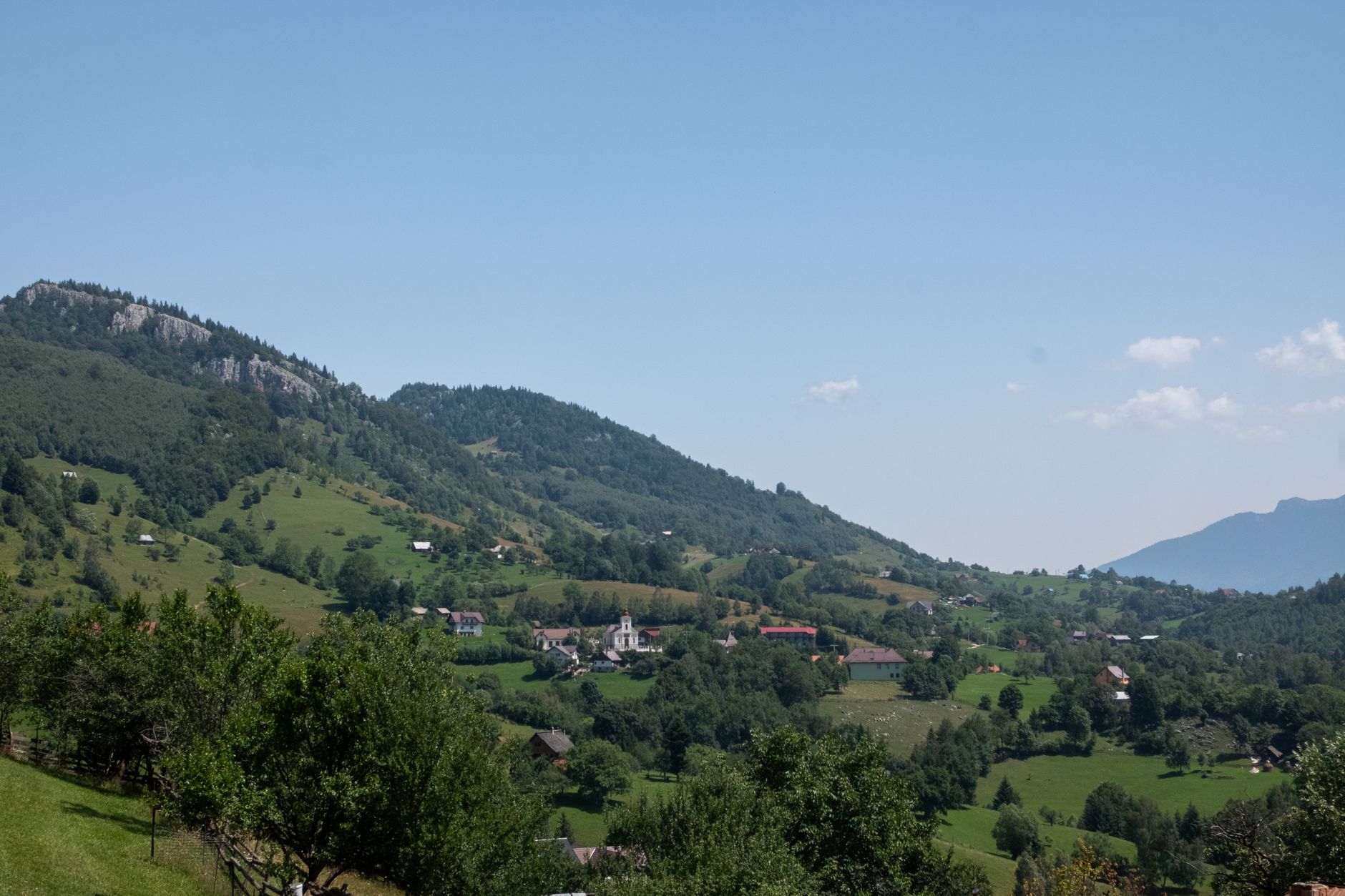
Dilijan sits about 100 kilometers north of Yerevan, tucked into the Tavush region where the Caucasus forest gets serious – thick oak and beech canopies, rivers that actually run cold, and air that carries the specific sharpness of altitude mixed with pine resin. Most travelers who fly into Armenia treat Yerevan as the main event: the cognac distilleries, the pink tuff architecture, the rooftop bars overlooking Ararat. Dilijan, if it appears on the itinerary at all, tends to show up as a half-day excursion, the kind of stop where you photograph a monastery, buy some honey from a roadside stall, and drive back before dark.
That pattern is starting to shift.
A growing number of travelers – particularly those drawn to forested landscapes, slow-travel rhythms, and places that reward actual walking rather than scenic window-gazing – are building trips around Dilijan rather than bolting it onto Yerevan. The town is small, quiet, and genuinely forested in a way that feels removed from the rest of the South Caucasus. It also has a functional infrastructure for independent travel: guesthouses, a national park with maintained trails, and a level of local hospitality that doesn’t yet carry the transactional edge that popular tourism destinations tend to develop over time.
What the Forest Actually Offers
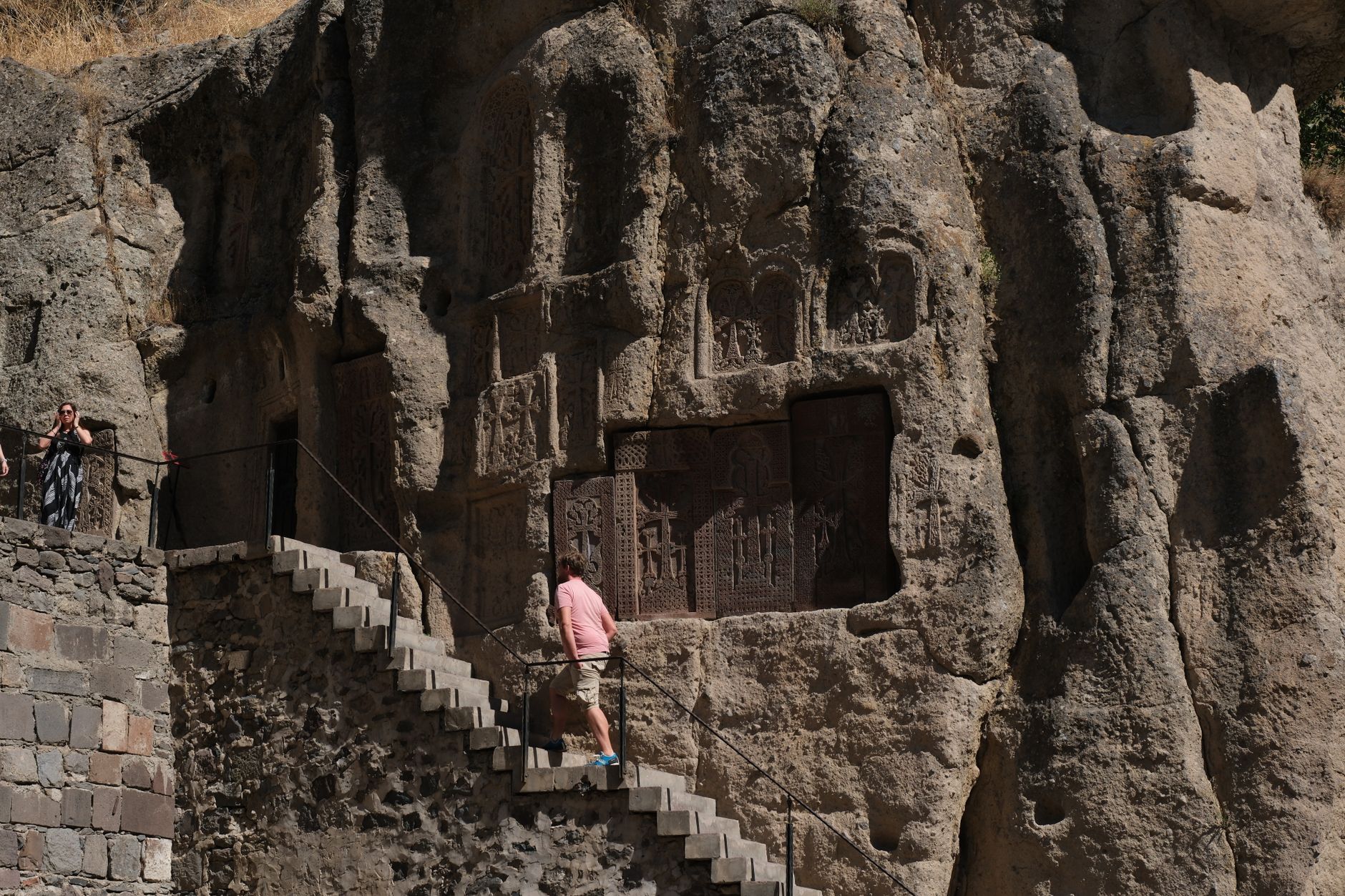
Dilijan National Park covers roughly 28,000 hectares and sits at elevations ranging from about 1,000 to 2,500 meters. The terrain shifts noticeably as you climb – lower slopes dense with hornbeam and oak, higher reaches opening into alpine meadow where the tree line breaks. The trail network is not extensive by European hiking standards, but the marked routes that do exist are well-graded and genuinely varied. The Goshavank trail is the most visited, connecting the town to a 12th-century monastery complex through continuous forest cover. Haghartsin Monastery, reachable by a separate route, sits in a river gorge setting that feels improbably secluded given its historical significance.
The wildlife presence in Dilijan’s forest is legitimate. Brown bear, lynx, and wild boar inhabit the park, and while sightings are rare on popular trails, the ecological weight of the place is felt. Birdwatching is productive, especially during spring migration, when species moving through the Caucasus corridor pass over the Tavush valleys. The forest is categorized as one of the last remaining areas of Caucasian mixed forest, a habitat type that once extended far more broadly across the region.
Beyond the national park boundaries, the town itself has a distinct architectural texture. Dilijan’s old quarter contains restored 19th-century Armenian vernacular buildings – stone foundations, carved wooden balconies, narrow lanes – that were significantly rebuilt in recent decades but retain a legible character. The craft workshops scattered through the old quarter are genuinely operational rather than decorative: woodworkers, ceramicists, and carpet weavers who work there year-round, not just during visitor season.
How Dilijan Sits Against Yerevan’s Appeal
Yerevan is a capital city with capital city rhythms – night markets, gallery openings, restaurants that stay open past midnight, and a social energy that has no equivalent in the Tavush region. Nobody who values urban texture should skip it. But the comparison matters for a specific type of traveler: the one who books a trip to a country and then finds themselves spending the entire time in the capital because the alternatives weren’t clearly communicated. Armenia has that problem. Yerevan is vivid and immediate; the rest of the country requires more deliberate planning to access.
Dilijan removes some of that friction. The drive from Yerevan takes around 90 minutes via the M4 highway, and marshrutkas – shared minibuses – run the route regularly from the Kilikia bus station. Once there, the town is walkable, guesthouses are bookable through standard platforms, and the national park has a visitor center that provides trail maps. None of this requires a tour operator or a rented vehicle, which matters for independent travelers working without a fixed itinerary.
The cost gap is also worth naming plainly. Accommodation in Dilijan runs significantly below Yerevan rates for comparable quality. A guesthouse room in the old quarter with forest views and a home-cooked breakfast costs a fraction of what a mid-range Yerevan hotel charges per night. Meals at local restaurants follow the same logic. For travelers extending their Armenia trip beyond a standard week, Dilijan offers a genuine budget reset without sacrificing comfort or experience.
Timing and the Question of Seasons
Dilijan’s most visited window runs from late May through September, when the forest is in full leaf and the trails are dry. October is arguably the strongest month for photography: the beech and oak canopy turns gold and amber in a display that is, by any honest measure, spectacular. Winter closes some of the higher trails and can make the mountain road conditions variable, but the town itself remains accessible and takes on a quieter, mist-heavy atmosphere that some visitors actively seek out. Spring brings wildflower bloom to the forest floor and peak birdwatching conditions, but the trails can be muddy through April.
The one practical tension worth naming is accommodation capacity. Dilijan has not built out its lodging infrastructure at the pace its growing reputation might demand. During July and August, particularly on weekends when Yerevan residents drive up to escape the city heat, rooms fill quickly. Booking two to three weeks ahead during peak summer is now standard advice among travelers who have been caught without options. The town is not overrun by any measure, but it is no longer the guaranteed walk-in destination it was a decade ago.
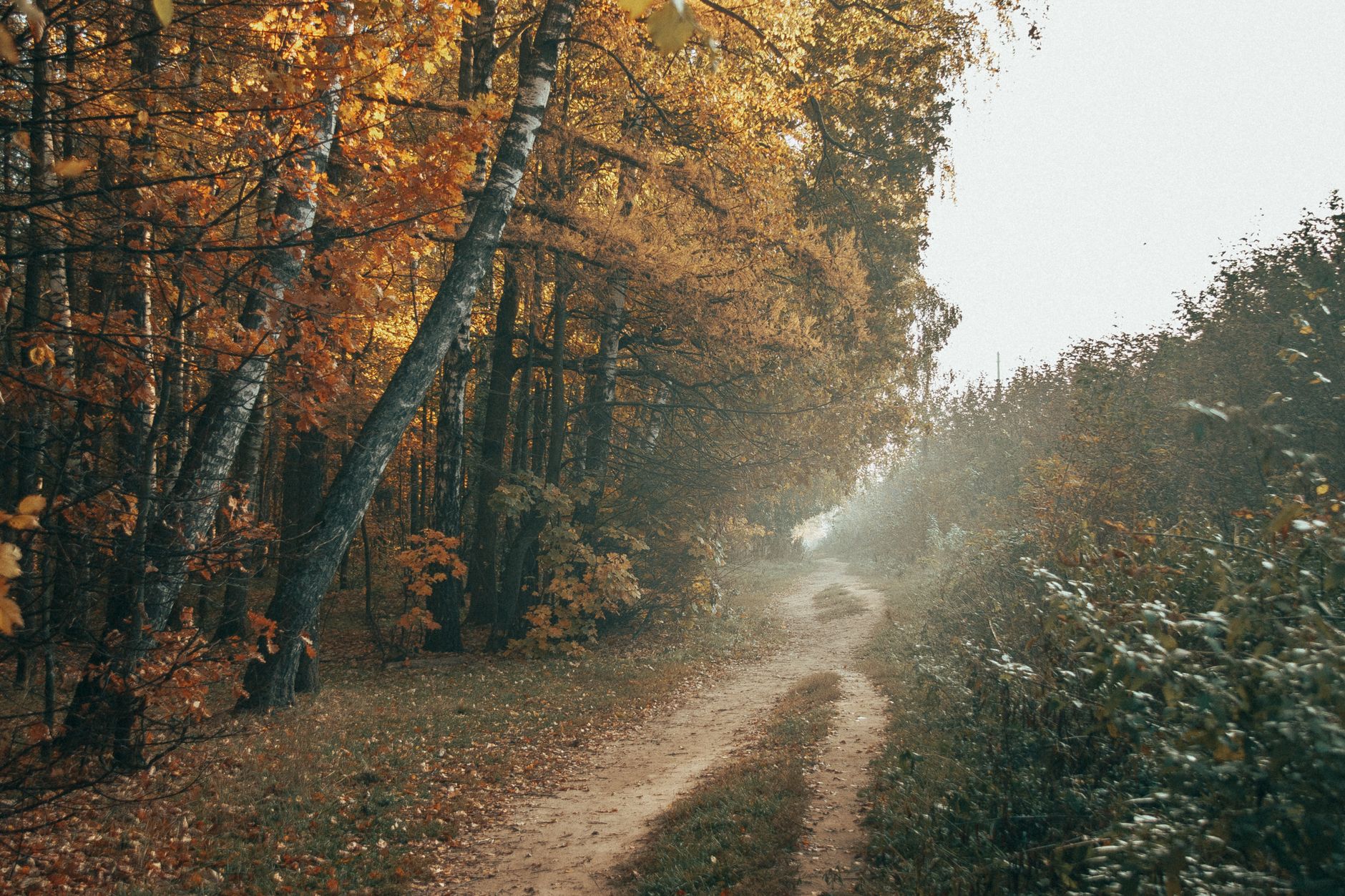
What keeps Dilijan from feeling like a managed nature experience – the kind of place where the wildness has been curated for comfort – is the simple fact that the forest is large enough to absorb visitors without showing the strain. Walk thirty minutes past the popular monastery trail junctions and the paths empty out entirely. The canopy closes overhead, the river noise replaces any ambient sound from the road, and the experience becomes genuinely unscripted. That quality is harder to find than it sounds, and in the South Caucasus, it is rarer still.