
The Village Sheki’s Shadow Has Kept Hidden
Sheki gets the tour buses, the glossy travel features, and the Instagram captions about Silk Road caravanserais. Lahij, sitting roughly 120 kilometers to the southeast in the Ismailly District, gets the coppersmiths. And for a specific type of traveler – one who would rather watch a craftsman hammer a teapot into existence than photograph a decorative ceiling – that difference is everything.
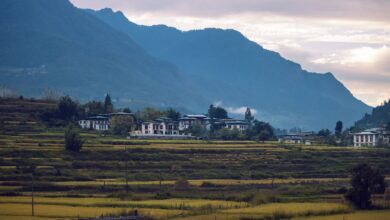
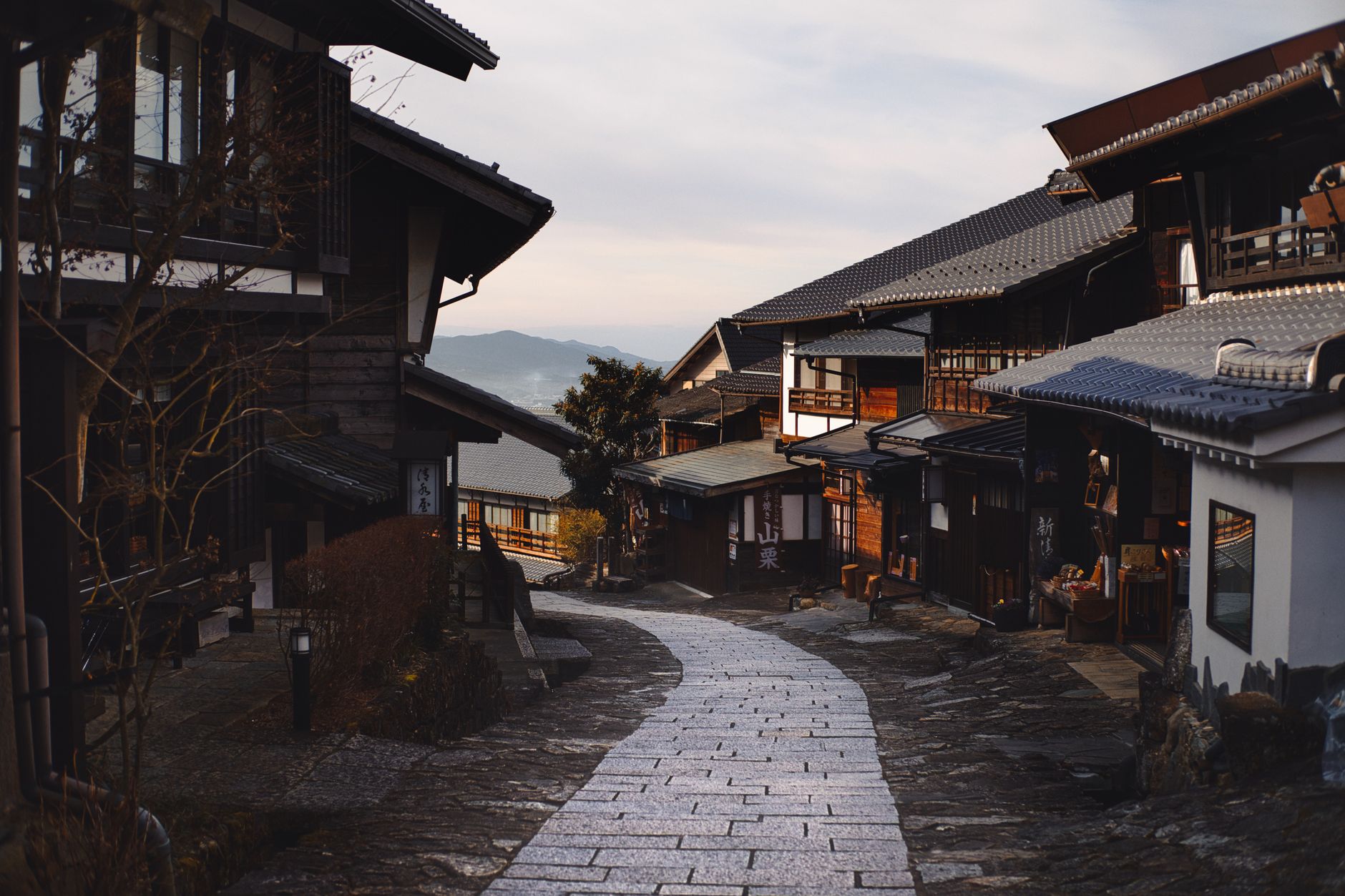
Lahij is an ancient village perched along the Girdimanchai River, accessible via a single mountain road that winds through beech forest before dropping into a valley that feels genuinely removed from the rest of Azerbaijan. The cobblestone streets are original, the stone houses are centuries old, and the copper workshops that line the main lane have been operating under the same family names for generations. What makes Lahij unusual is not that it has preserved its craft traditions – it is that those traditions are still economically active, not museum-staged.
The village is a working place, not a performance.
Copper as the Central Language
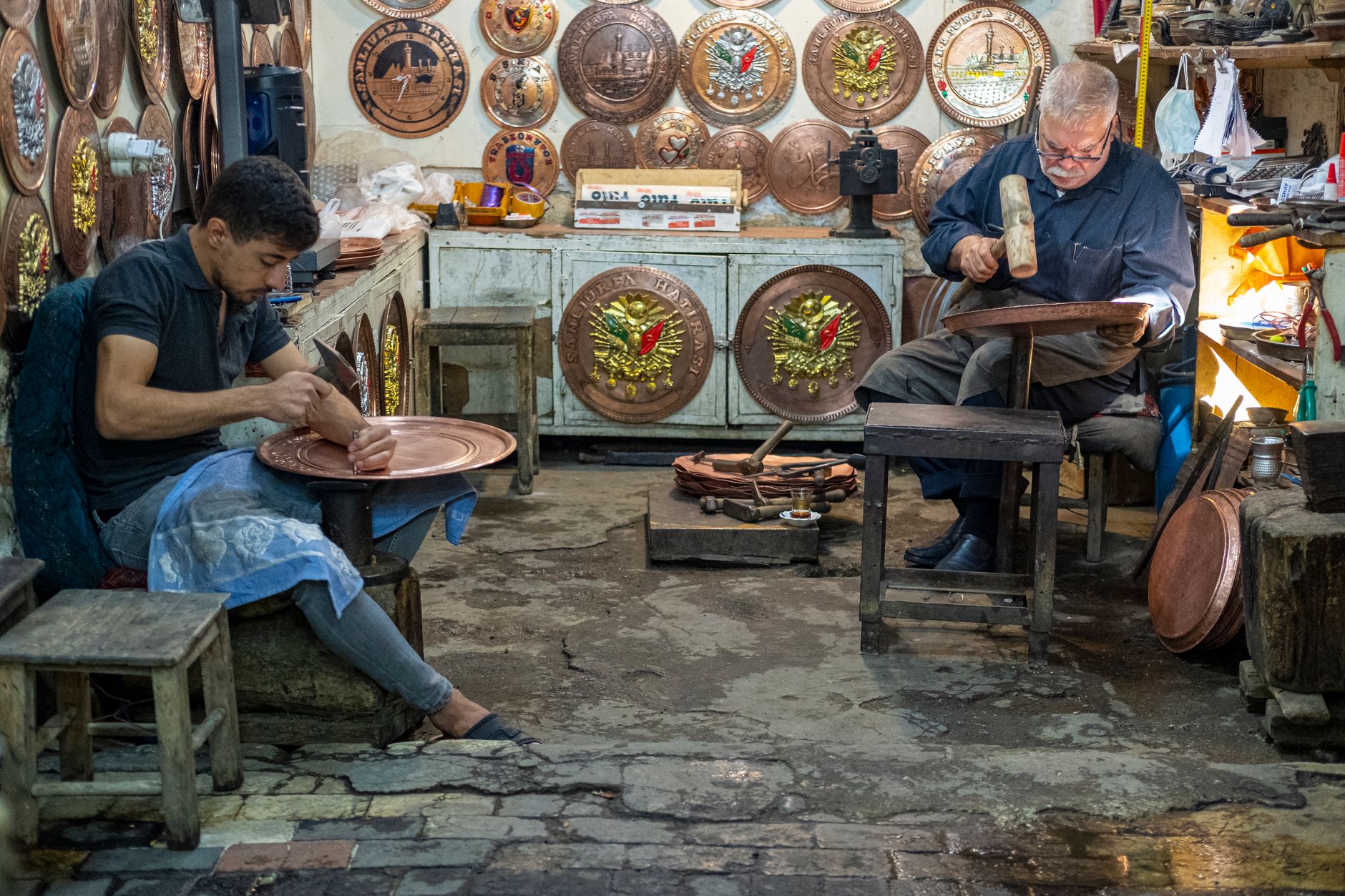
Lahij’s identity is inseparable from its metalwork. The village has been a center of copper craftsmanship since at least the medieval period, and that lineage is visible in every storefront and workshop door you push open. Artisans here produce everything from small decorative pieces to large cooking vessels, using techniques passed through family apprenticeship rather than formal trade schools. The process is slow, loud, and tactile – molten copper shaped by hand tools while the craftsman watches the metal rather than a clock.
What separates Lahij’s workshops from the souvenir-grade craft markets found in larger Azerbaijani cities is the depth of the process. Visitors who take the time to stop and watch – and most workshops welcome it – will see pieces being created from raw material through to finished form. The engraving work alone, which often features geometric patterns drawn from old Azerbaijani textile and carpet motifs, can take hours per piece. Prices reflect this, though they remain significantly lower than equivalent handmade metalwork sold in European craft markets.
Beyond copper, the village also produces leather goods and woven textiles, though these secondary crafts draw less attention. Lahij’s leatherworkers have a quieter reputation than the coppersmiths, but their saddle bags and belts carry the same handmade integrity. The craft economy here is diverse enough that a slow afternoon of walking the main street turns into an informal masterclass in pre-industrial material production.
Getting There Is Part of the Point
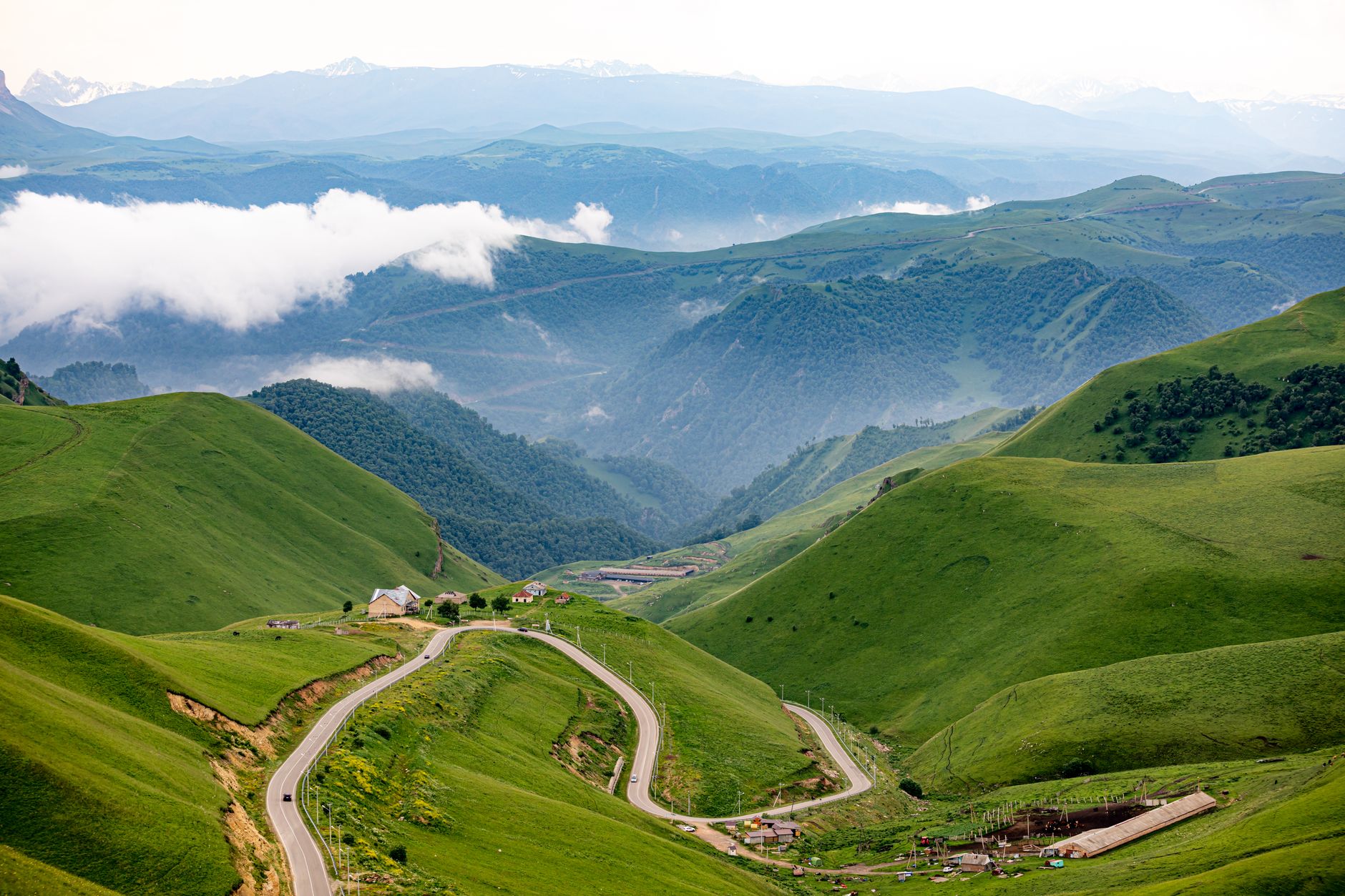
Lahij does not reward rushed travel. The mountain road from Ismayilli – the nearest town with reliable accommodation options – takes around an hour each way, and the drive itself passes through landscape that earns the detour independently. Beech forests, high meadows, and river crossings make the approach feel earned. There is no direct public transport into the village, which means most visitors arrive by shared taxi or private car arranged in Ismayilli. That barrier is exactly why Lahij stays quiet while Sheki queues.
Accommodation within the village is limited. A small number of guesthouses operate in traditional stone buildings, offering basic but characterful rooms – stone walls, wooden ceilings, meals cooked with produce from the surrounding valley. Staying overnight rather than doing a day trip from Baku or Sheki changes the experience completely. The village empties of day visitors by late afternoon, and what remains is a working settlement going about its evening: smoke from workshops cooling down, families on doorsteps, the river audible from most streets.
Baku is approximately 170 kilometers away, making Lahij a feasible long day trip if necessary, though the road conditions and mountain approach mean that estimate can stretch. The best strategy is to combine Lahij with a night or two in Ismayilli or the broader Sheki-Ismailly corridor, building a route that takes in mountain villages, vineyards, and the kind of slow travel that the South Caucasus region handles better than almost anywhere else in the world. Travelers drawn to underdog destinations – the kind who chose Likoma Island over Zanzibar – tend to find Lahij fits that instinct precisely.
What Lahij Offers That Sheki Cannot
Sheki is genuinely worth visiting. The Khan’s Palace, the old caravanserai, the stained glass workshop traditions – none of that is overstated. But Sheki has been on the international tourism circuit long enough that parts of it have adjusted to that fact. Craft prices have risen to match visitor expectations. Restaurants near the main sites have adapted menus. The infrastructure is comfortable and the experience is smooth, which is exactly what some travelers want and exactly what others are trying to avoid.
Lahij has not made those adjustments. The workshops price for local buyers first and tourist interest second. Nobody in the village is performing authenticity – they are simply working. That is a rarer condition than most travel writing admits, and it tends to disappear quickly once a place gets enough coverage to attract the infrastructure that follows it.
The village also holds a UNESCO recognition for its intangible cultural heritage related to the copper craft tradition, which provides some institutional protection for the workshop practices without turning the place into a heritage park. That balance – recognized but not administered – is what Lahij currently has, and it is genuinely difficult to manufacture once lost.
The question worth sitting with, as Lahij starts appearing in more itinerary guides and boutique travel recommendations, is whether the village can absorb growing attention without the craft economy beginning to reshape itself for that audience – because once the coppersmiths start producing at tourist pace rather than craft pace, the thing people are coming to see will already be gone.
Frequently Asked Questions
Where is Lahij village located in Azerbaijan?
Lahij is located in the Ismailly District of Azerbaijan, about 120 kilometers southeast of Sheki and approximately 170 kilometers from Baku, perched above the Girdimanchai River.
What is Lahij famous for?
Lahij is known for its centuries-old copper craftsmanship tradition, where family-run workshops still produce handmade metalwork using techniques passed down through generations.